


Competition in China's lidar market is intensifying, with major players such as RoboSense, Huawei, and Hesai Technology setting lower cost targets in hopes of capturing market share by improving cost performance.
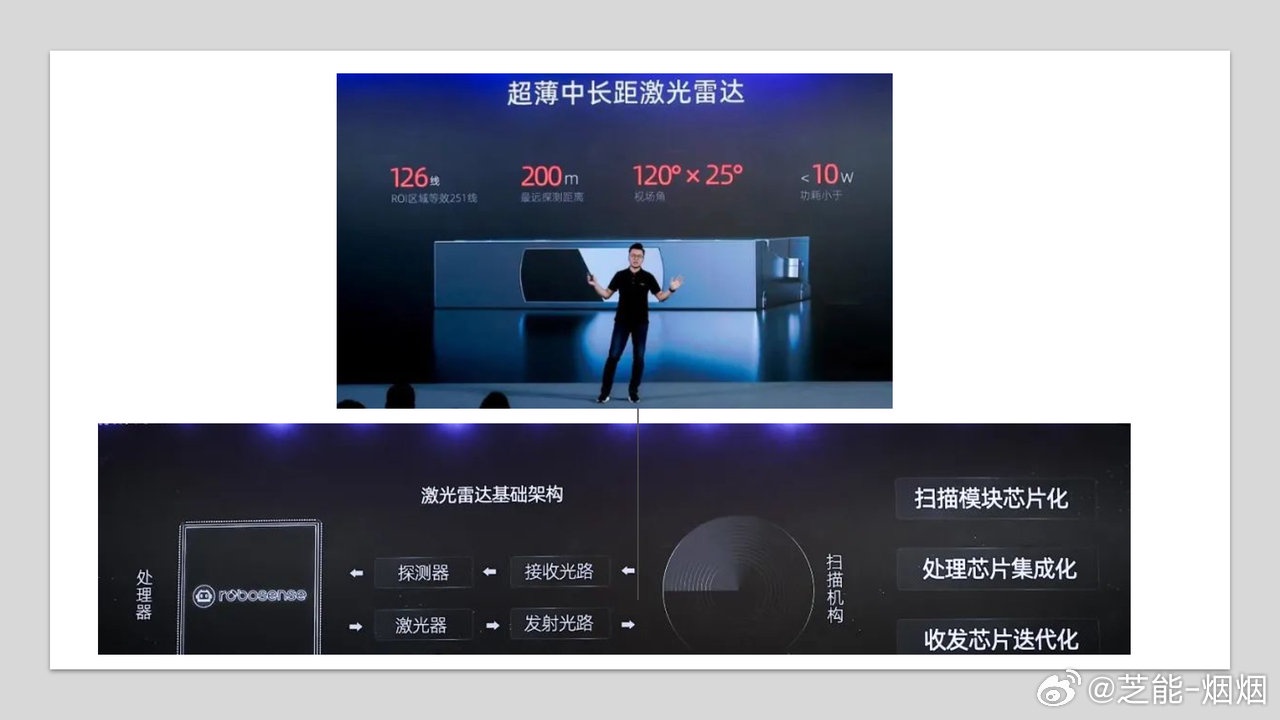
RoboSense launched the MX lidar, priced below $200 with features like low power consumption, aiming for mass production by 2025.
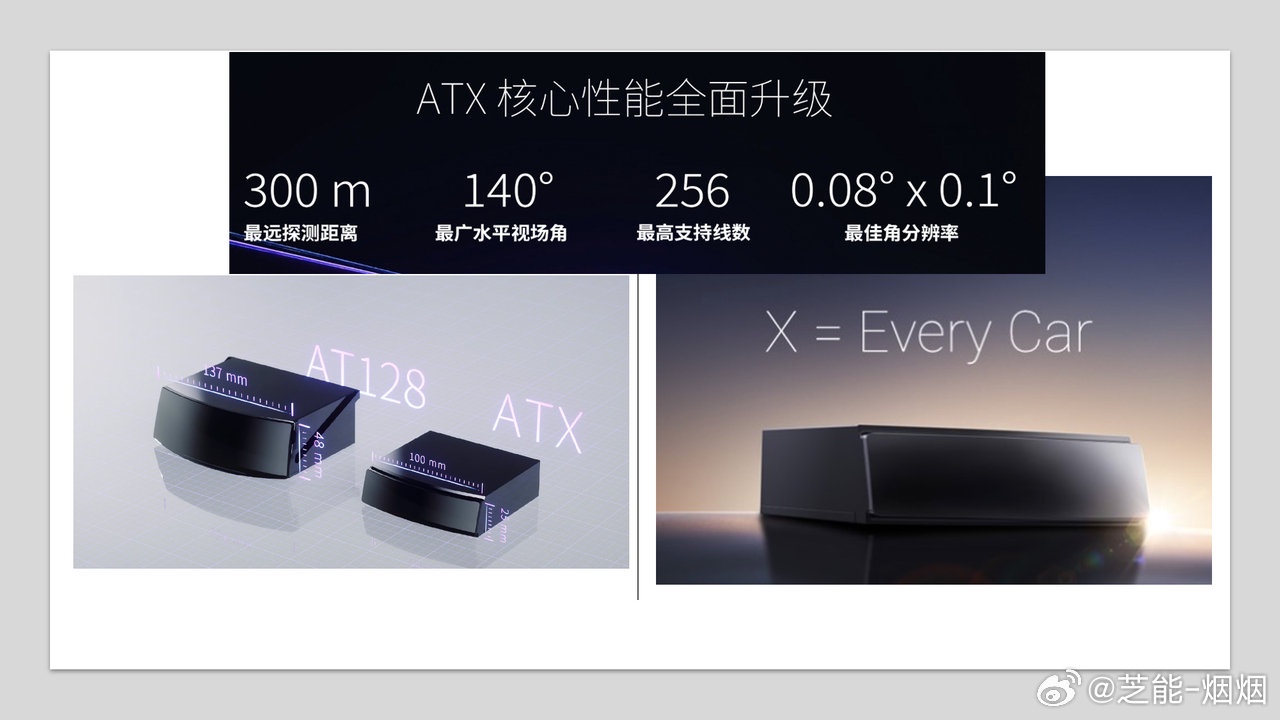
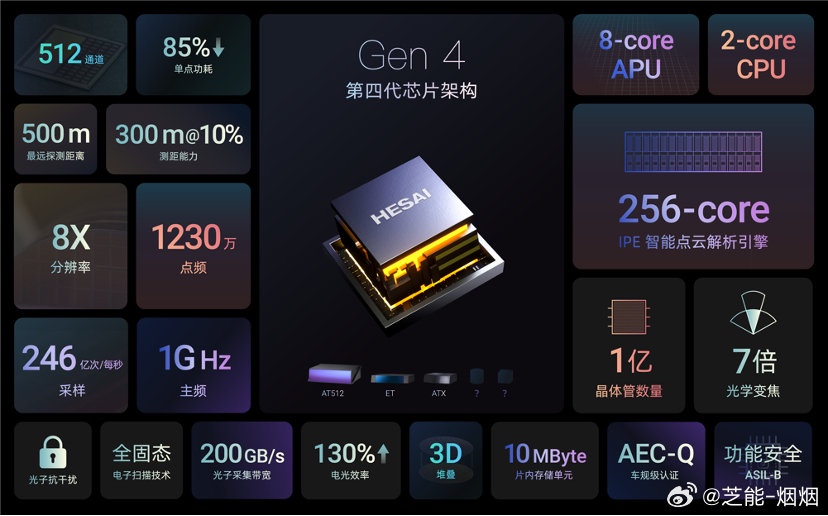
Hesai Technology introduced the fourth-generation ultra-wide-angle long-range lidar ATX, which significantly reduces size and enhances performance through innovations like 3D stacking technology, striving for lower costs and higher integration.
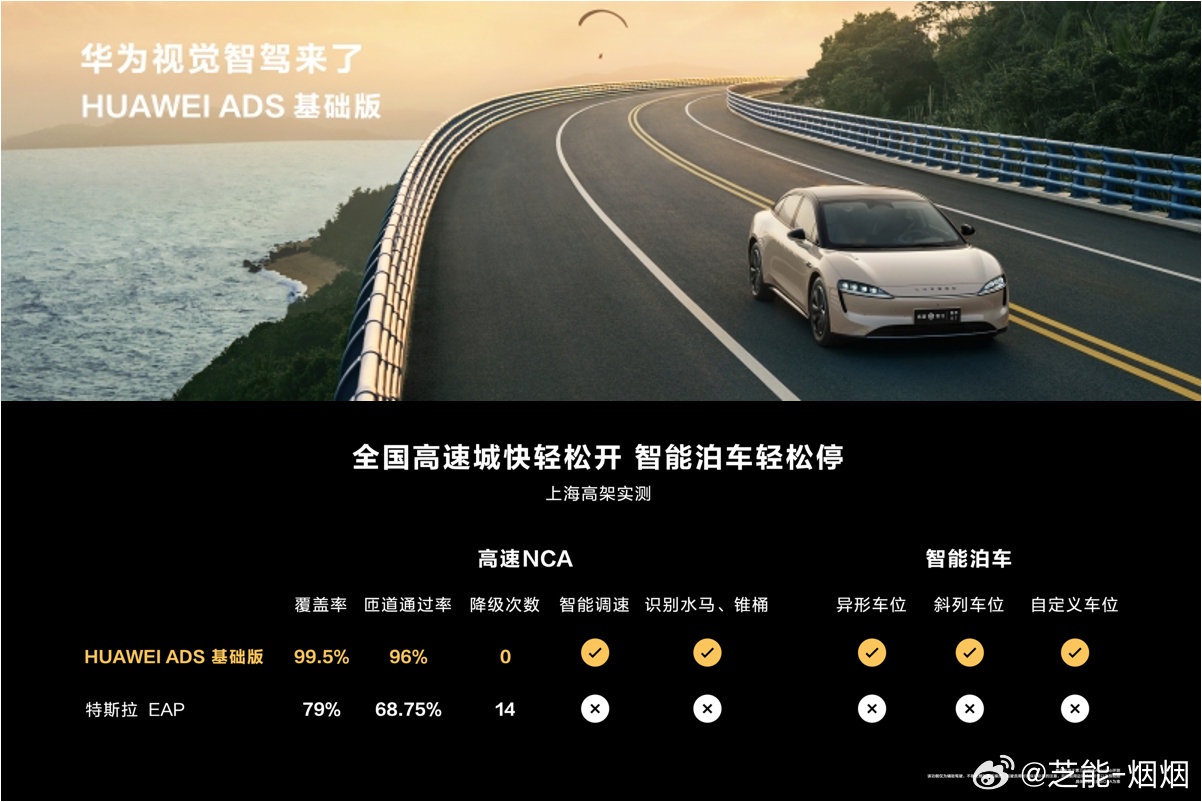
Huawei directly proposed a goal to reduce lidar costs to $200.
Despite the debate between pure vision and fusion technology, lidar is still considered an indispensable technology for autonomous driving. The trend is moving toward multi-sensor fusion to handle various complex driving environments.
The copyright of this article belongs to the original author/organization.
The views expressed herein are solely those of the author and do not reflect the stance of the platform. The content is intended for investment reference purposes only and shall not be considered as investment advice. Please contact us if you have any questions or suggestions regarding the content services provided by the platform.
