


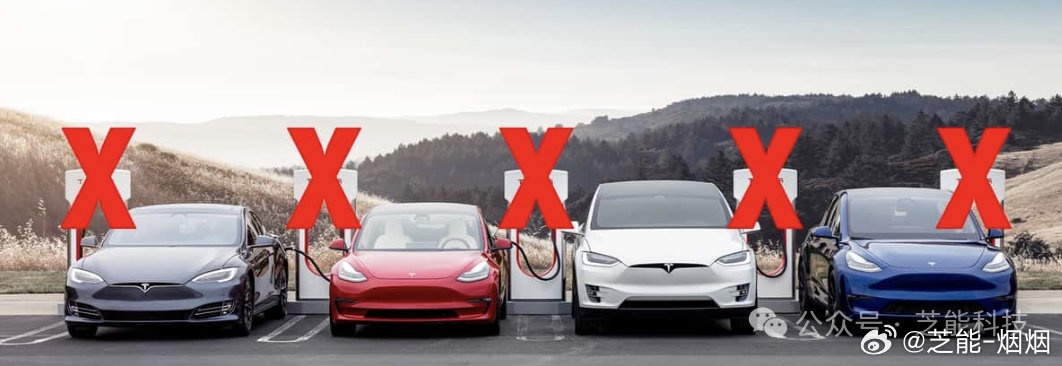
Tesla announced the layoff of 500 employees from its Supercharger team, sparking discussions about the necessity for automakers to build their own charging networks. In the past, due to the lack of public charging infrastructure, automakers had to establish their own charging stations to meet consumer demand, with Tesla's Supercharger network being a prime example of this approach.
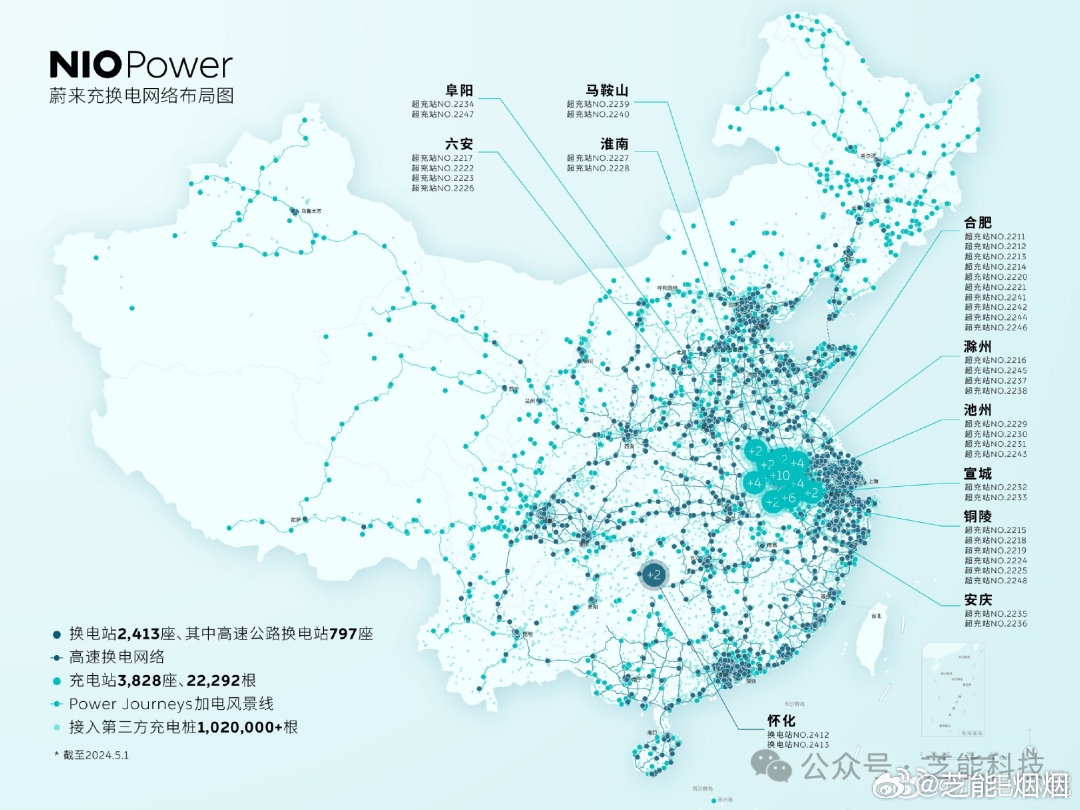
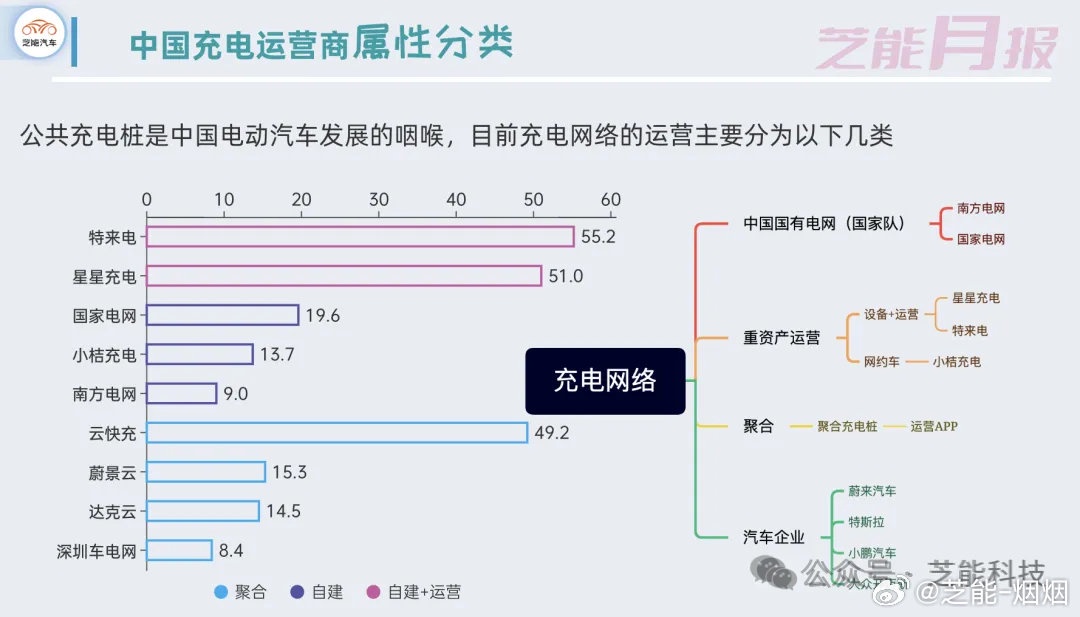
With the growth of the electric vehicle market, building charging infrastructure in-house faces numerous challenges, such as insufficient capacity, difficulties in site selection, high costs, and intense competition. Therefore, automakers need to reassess their role in the charging infrastructure sector. For large-scale demands, such as public charging and fleet vehicle charging, in-house charging infrastructure no longer holds a competitive advantage, and companies should avoid falling into the 'boiling frog' scenario. Source: Zhineng-Yanyan

The copyright of this article belongs to the original author/organization.
The views expressed herein are solely those of the author and do not reflect the stance of the platform. The content is intended for investment reference purposes only and shall not be considered as investment advice. Please contact us if you have any questions or suggestions regarding the content services provided by the platform.
