When IPO meets performance-based listing, can FANGZHOU JIANKE, a poorly issued company, heal the wounds of a bleeding IPO?

FANGZHOU JIANKE is an online platform for managing chronic diseases, currently in the process of going public. However, the company is facing issues such as internal equity stability concerns, insufficient revenue to cover expenses, and a lack of cornerstone investors, making investors uncertain about its prospects. FANGZHOU JIANKE's IPO this time only accounts for 1.78% of the total shares, falling into the category of "low float" IPOs, which is less than 10%
Since May this year, the Hong Kong IPO market has been reporting good news frequently, with public subscriptions exceeding a hundredfold becoming the norm, and the number of subscribers also showing a significant increase. In terms of individual stock performance, UBOX Holdings, with a subscription ratio of over 2500 times, is currently the "subscription king" of the year, while Lao Pu Gold surged more than 80% on its first day of listing, becoming the hottest new stock in the recent Hong Kong IPO market.
However, not all new stocks have such combat power. Recently, among the 10 new companies that have gone public, there are also those with poor performance, and Fangzhou Jianke (06086) is one of them.
Having submitted its prospectus three times and finally passed the hearing, Fangzhou Jianke is just a step away from the Hong Kong Stock Exchange during the IPO stage. However, at this time, the trend of online pharmaceutical e-commerce has passed, the stability of Fangzhou Jianke's internal equity is in doubt, and with the company's expenses exceeding income and a lack of cornerstone investors, whether this online chronic disease management platform can win the favor of investors remains unknown.
What does "lack of cornerstone investors" mean?
According to the observation by Zhitong Finance APP, the subscription period for Fangzhou Jianke is from June 28, 2024, to July 4, with a price range of HKD 7.6-8.36 per share, and a board lot of 500 shares. The listing date is expected to be July 9. In terms of global offering, Fangzhou Jianke's issuance this time accounts for approximately 1.78%, with an issuance market value range of HKD 10.186-11.205 billion. There are no cornerstone investors participating in this offering.
According to the new stock margin trading data disclosed by Jielitrade, as of the close of the Hong Kong market on June 28, Fangzhou Jianke's total margin trading amount was approximately HKD 37.96 million. As of 9:04 on July 2, Fangzhou Jianke's total margin trading amount was approximately HKD 0.49 billion, with a subscription ratio of 1.45 times. Among them, Futu Securities' margin trading amount was HKD 0.38 billion, Yingli Securities' margin trading amount was HKD 3.35 million, and Huasheng Securities subscribed for HKD 2.8 million.
Generally, for Hong Kong IPOs, a new stock issuance of 25% is the choice of most companies, while less than 10% is called a "lackluster" IPO. Fangzhou Jianke's public offering this time only accounts for 1.78% of all shares. In terms of subscription funds, without any clawback, based on the mid-price of HKD 7.98, the total funds raised from the global offering are approximately HKD 190 million, with HKD 171 million from the international placement and only HKD 18.9924 million from the public offering.
Listing less than 2% of the shares for fundraising shows the pressure Fangzhou Jianke is facing, with the stability of internal equity being an issue that any investor cannot ignore.
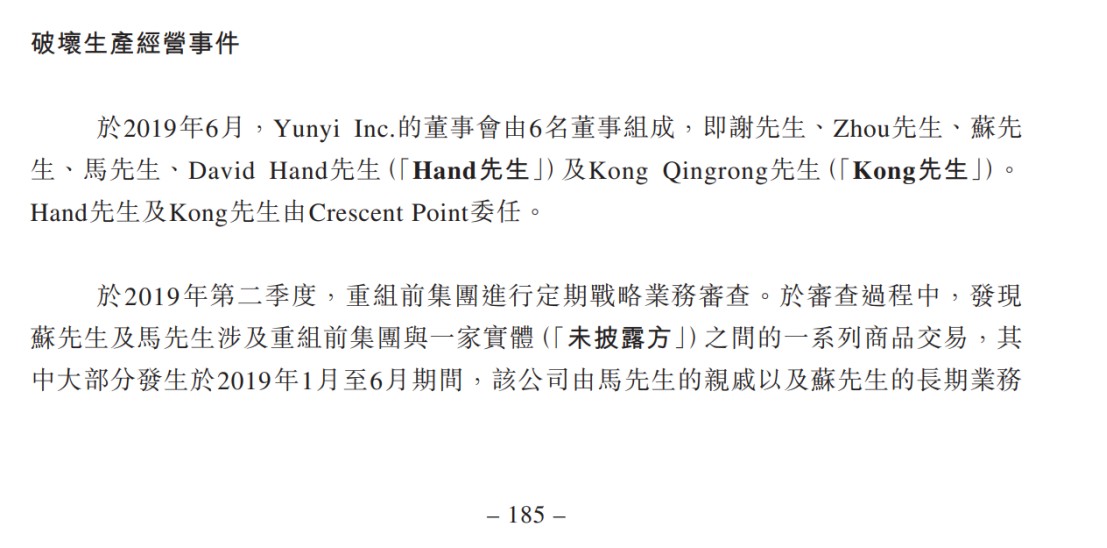
According to Zhitong Finance APP, in the prospectus submitted by Fangzhou Jianke to the Hong Kong Stock Exchange, the "History, Restructuring, and Company Structure" section details the intense internal struggle the company has just experienced between the founder and latecomers. The historical founder, Su Zhan, had a hidden related party transaction that led to the company's losses exposed, leading to a rift with the current controlling shareholder, Xie Fangmin. They not only staged a "power struggle" but also are still in court to this day

Apart from internal shareholder disputes, another issue lies in whether the IPO of FANGZHOU JIANKE this time is a "forced IPO" based on a performance-based agreement.
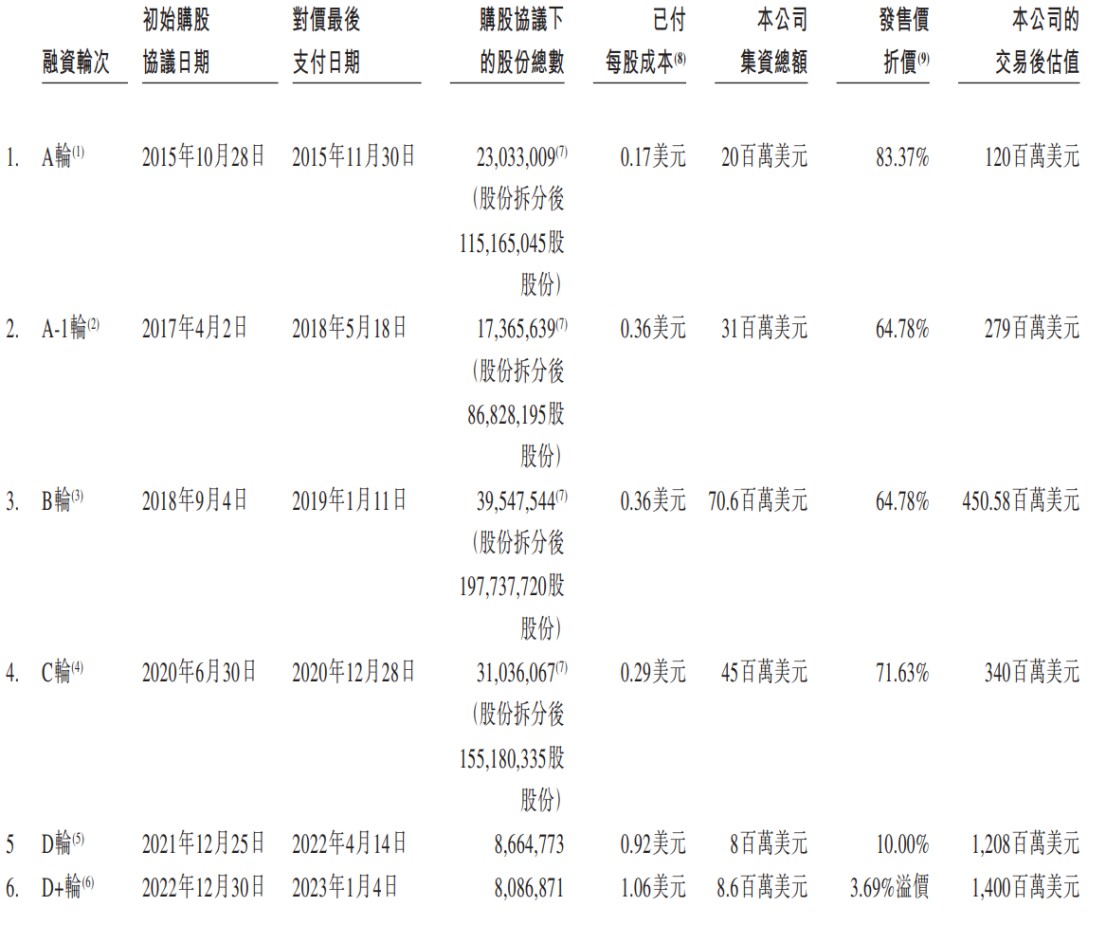
Before the company's IPO, a total of 6 rounds of financing were completed. The final D+ round of financing was completed on January 4, 2023, with a company valuation of $1.4 billion, approximately HKD 10.931 billion, a cost per share of $1.06, approximately HKD 8.27, a premium of 3.69% over the offering price, and a 6-month lock-up period for pre-IPO investors.

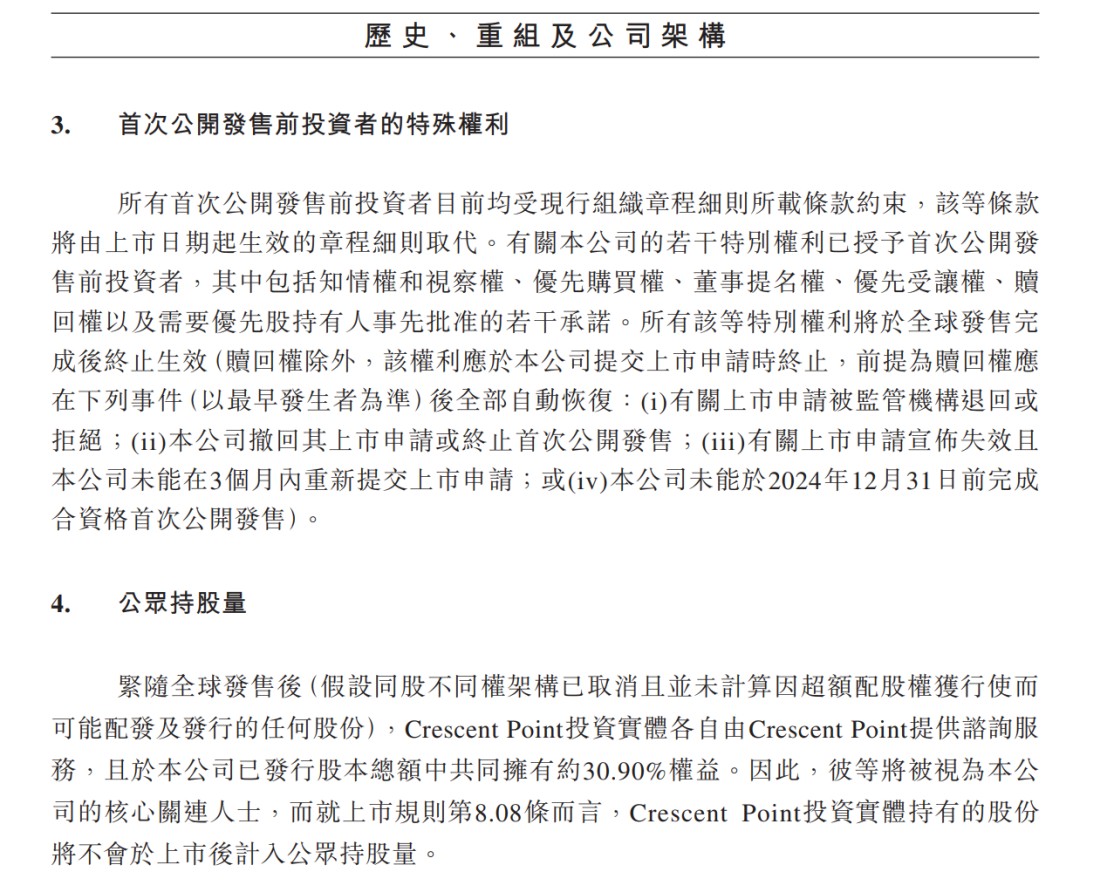
According to the prospectus, in addition to attracting a large amount of strategic investment, FANGZHOU JIANKE also granted several special rights, including information and inspection rights, preemptive rights, director nomination rights, preferential purchase rights, redemption rights, and several commitments that require prior approval from preferred shareholders. However, as described in the prospectus, the above-mentioned special rights have now been terminated.
Furthermore, according to the performance-based agreement, FANGZHOU JIANKE must complete the IPO by the end of this year: if the company's IPO application is rejected or withdrawn by regulatory authorities, the application becomes invalid and is not resubmitted within 3 months, or the company fails to complete the IPO by the end of 2024, the redemption rights will automatically take effect.

In addition to the IPO performance-based agreement, FANGZHOU JIANKE also needs to ensure that an external investor named Crescent Point holds a stake of no less than 30%.
According to the prospectus, Crescent Point has signed a voting proxy agreement with Xie Fangmin and Zhou Feng. According to this agreement, FANGZHOU JIANKE must ensure that Crescent Point holds a stake of 30% or more in the company. Otherwise, it will revoke the voting proxy rights granted to Xie Fangmin and Zhou Feng.
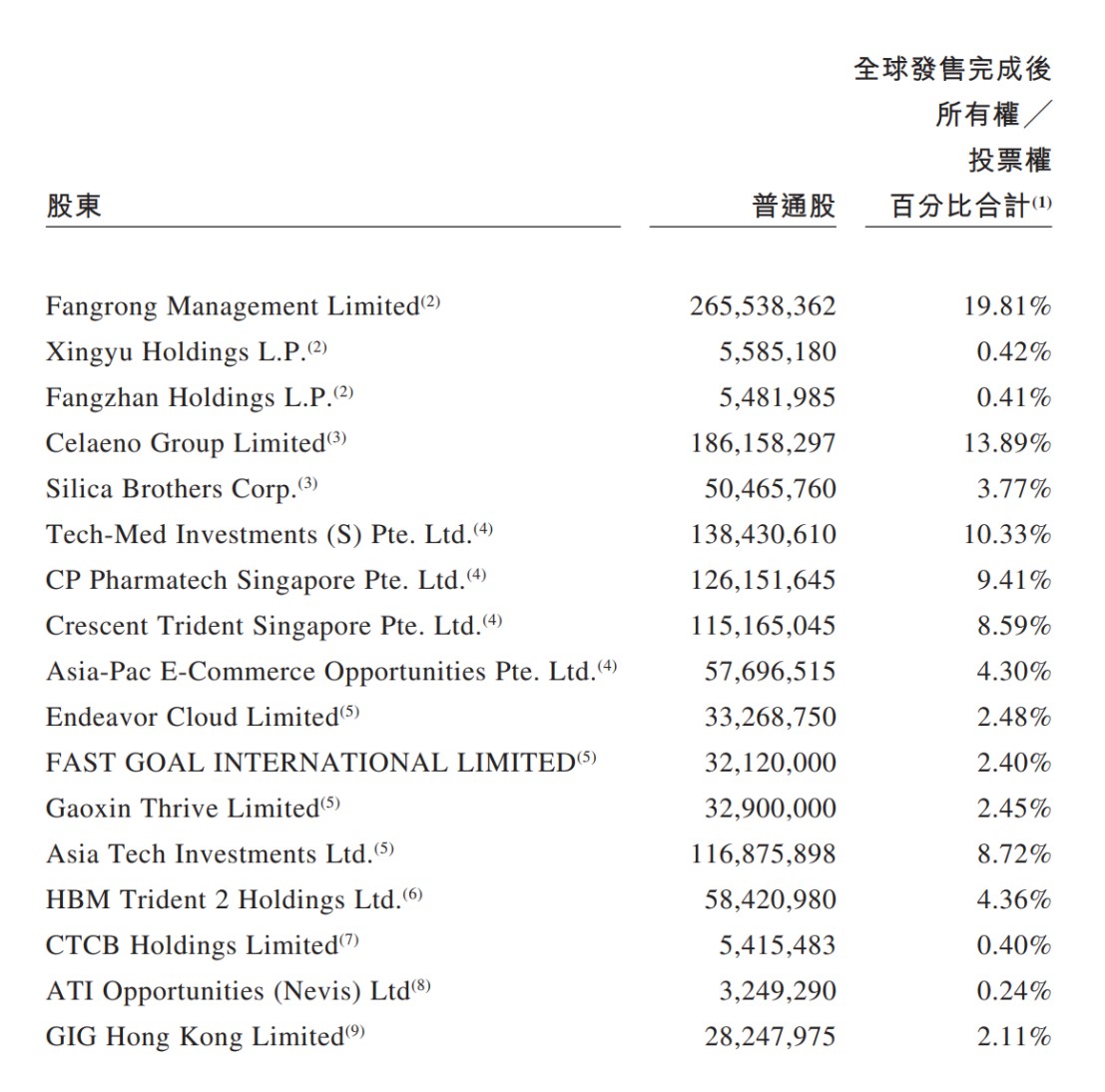
The prospectus shows that Crescent Point includes Crescent Trident Singapore Pte. Ltd., Asia-Pac E-Commerce Opportunities Pte Ltd., CP Pharmatech Singapore Pte. Ltd., and Tech-Med Investments (S) Pte. Ltd. are the four shareholders who participated in the company's Series A to C rounds of financing. Currently, they collectively hold 32.63% of the company's shares, with a shareholding ratio second only to the company's controlling shareholder at 38.3%.

From the above perspective, FANGZHOU JIANKE's cornerstone-less IPO this time seems more like a "deal with the anti-dilution agreement" rather than for financing purposes.
Tight Cash Flow, Weak Fundamentals to Support Development
Despite being touted as "China's largest online chronic disease management platform," FANGZHOU JIANKE's fundamentals are not strong enough to justify this title.
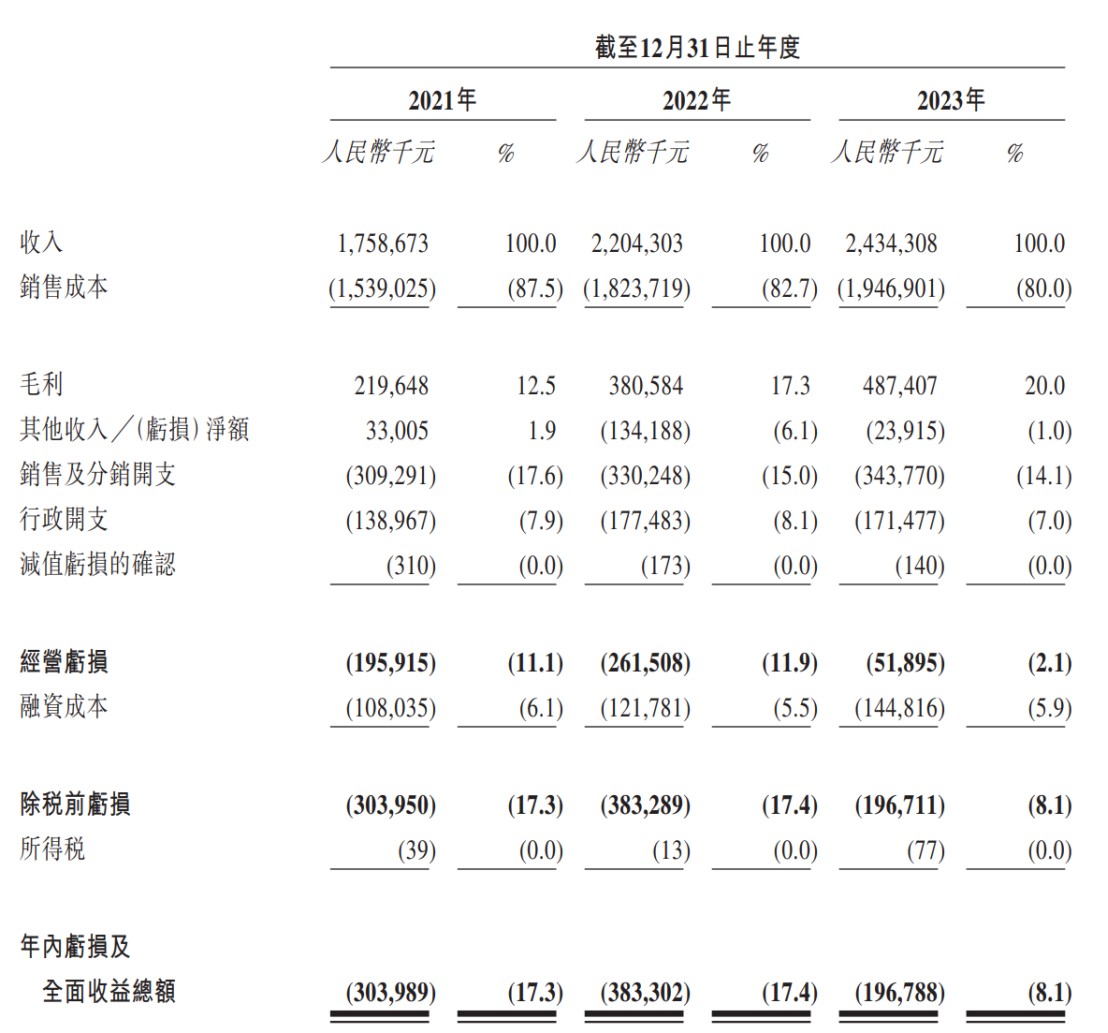
According to the prospectus data, FANGZHOU JIANKE's revenue for the years 2021 to 2023 is 17.59 billion yuan, 22.04 billion yuan, and 24.34 billion yuan, respectively. While revenue has been growing year by year, the net profit has been consistently in the red, with net losses of 3.04 billion yuan, 3.83 billion yuan, and 1.97 billion yuan, totaling nearly 9 billion yuan in losses over three years.

Breaking down its actual revenue structure, from 2021 to 2023, FANGZHOU JIANKE's online retail pharmacy service revenue accounted for 57.5%, 56.8%, and 53.3% respectively. Revenue from customized content and marketing services accounted for only 1.6%, 2.7%, and 3.6% respectively. This means that its core source of income is still online drug sales.
In this competitive field, FANGZHOU JIANKE faces strong competitors such as Alibaba Health, JD Health, Dingdang Kuaiyao, Yaoshi Bang, and Yuancen Technology among other vertical medical and pharmaceutical internet companies. The revenue gap between FANGZHOU JIANKE and industry leaders is significant, requiring substantial costs for market expansion on the business end. The prospectus shows that during the reporting period, FANGZHOU JIANKE's sales costs were 15.39 billion yuan, 18.24 billion yuan, and 19.47 billion yuan, accounting for as high as 87.5%, 82.7%, and 80% of the current period's revenue respectively.
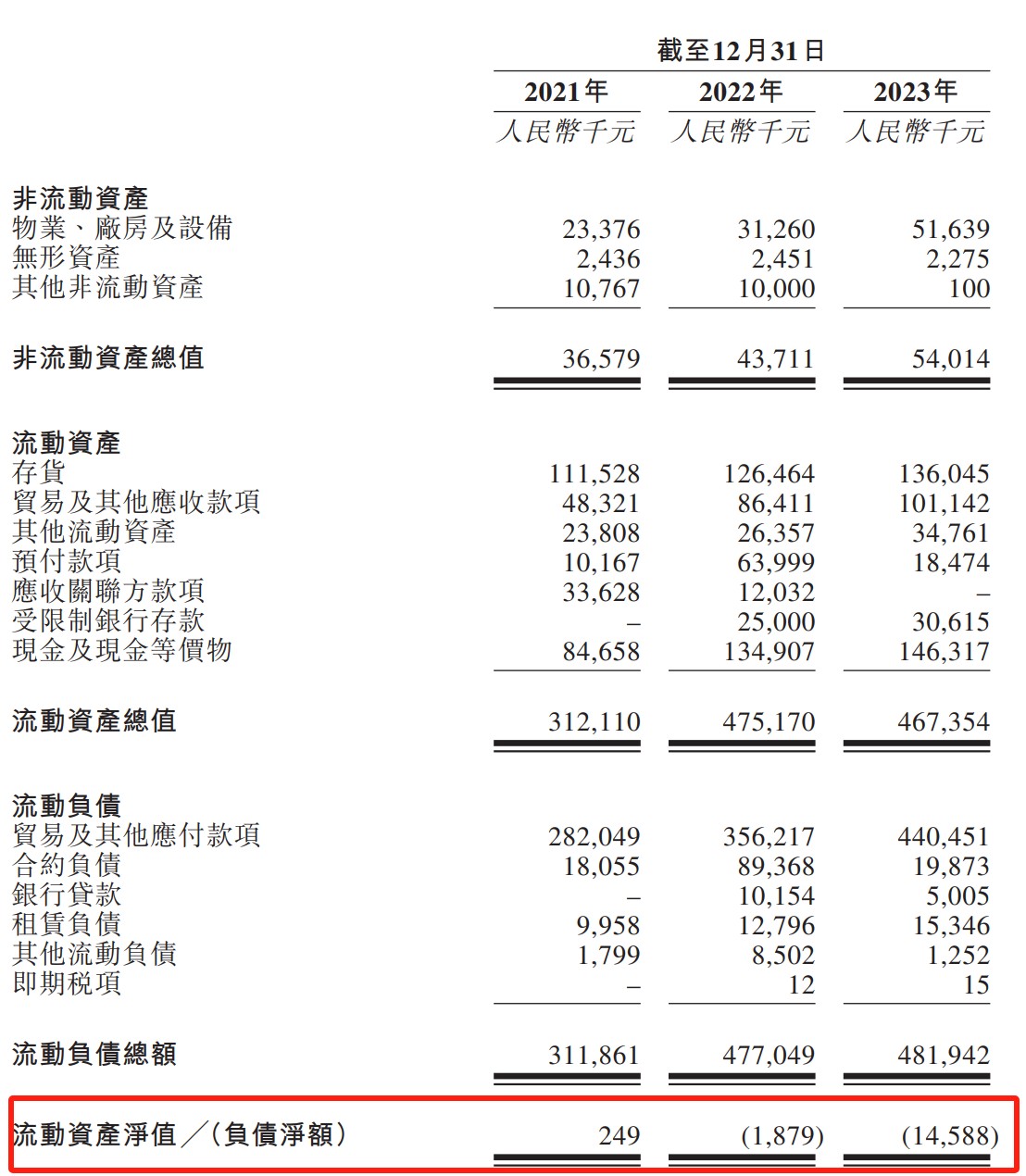
Additionally, FANGZHOU JIANKE also needs to pay increasing annual compensation to its senior executives. From 2021 to 2023, Xie Fangmin's compensation was 2.583 million yuan, 4.568 million yuan, and 6.695 million yuan respectively, while Zhou Feng's compensation was 1.773 million yuan, 2.626 million yuan, and 4.153 million yuan respectively Although executive compensation is increasing, the financial situation of FANGZHOU JIANKE is not considered good. Looking at the liabilities, with a decrease in prepayments and a yearly increase in accounts payable, the company's net current liabilities surged from 1.879 million RMB in 2022 to 14.588 million RMB in 2023.

In terms of cash flow, FANGZHOU JIANKE had a net cash flow from operating activities of -204 million RMB in 2021, -50 million RMB in 2022, and after adjustments in 2023, the net cash flow turned positive at around 22.282 million RMB. The reason for this turnaround may be related to the significant use of channel funds during the reporting period.
Furthermore, in the prospectus, FANGZHOU JIANKE explicitly stated that 95.9% of the net amount received from previous investments has been utilized. In other words, cash flow constraints have become a real issue affecting its daily operations