A comprehensive summary of all the leaks about the iPhone 16 series, the biggest changes compared to the 15 series are all here

Huxiu
2024.08.27 11:03
portai
I'm PortAI, I can summarize articles.

Apple Inc. announced that it will hold its fall product launch event on September 10th to introduce the iPhone 16 series. The new models are expected to have improvements in design and functionality compared to the previous generation, including a new shooting button, a 48-megapixel ultra-wide-angle lens, an A18 processor, and a slimmer bezel design. Although there are not many changes in appearance, the camera arrangement of the standard version will be changed to a vertical layout to support spatial video shooting. Overall, the iPhone 16 series continues to follow a steady path

Love Faner (ID: ifanr), Author: Love Faner, Cover Image: AI Generated

As September approaches, "Apple" is also about to ripen. Today, Apple Inc. finally announced that it will hold its autumn launch event at 1 a.m. on September 10th Beijing time, with the theme "Highlight Moment".

After the relatively bland iPhone 15 series, people naturally have higher expectations for the iPhone 16 series.

However, if you are still waiting for an iPhone that is significantly different from before, this year may continue to disappoint you. According to leaks, the iPhone 16 series will still follow a steady path, with more emphasis on a "practical" approach from the inside out.

Compared to the iPhone 15 series, the iPhone 16 series is expected to bring these changes:

  • A new shooting button, with the "operation button" moved down in the standard version

  • Full support for Apple smart features across the board

  • Upgrading all models to a 48-megapixel ultra-wide-angle lens

  • Using the A18 processor across all models

  • The iPhone 16 Pro series will increase in size, with the "narrowest borders globally"

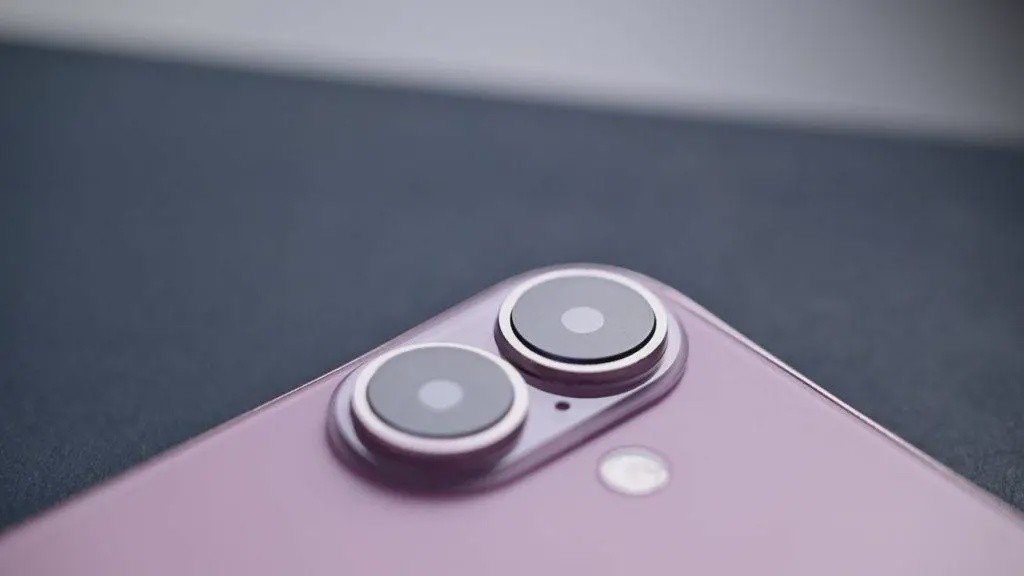
  • The standard version camera layout will change to a vertical distribution, supporting spatial video shooting

A New Look for the iPhone

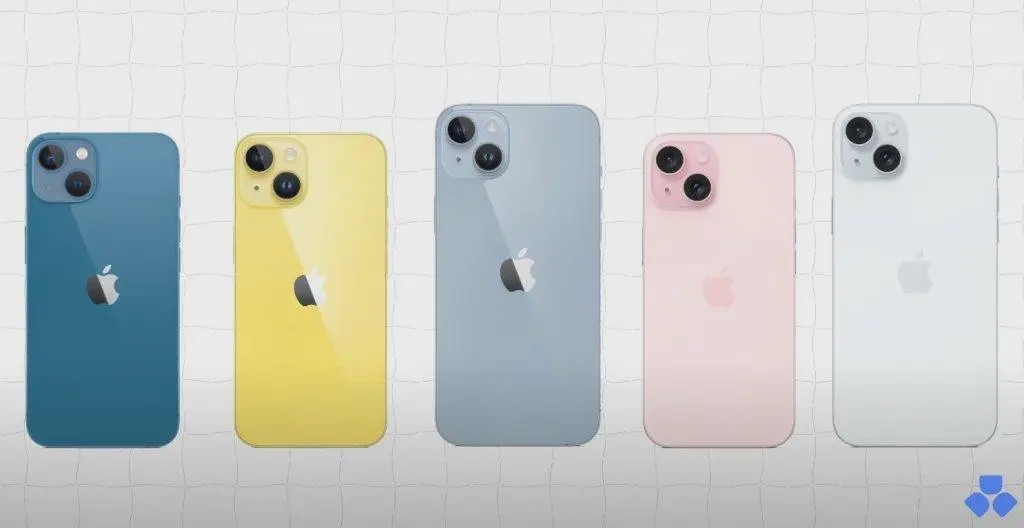
Starting from the iPhone 12, the design of the iPhone has remained basically the same for 4 generations. If you were to place the black iPhone 13-15 models back up, even Cook himself might have to pause to distinguish them.

Image Source: IndiaTech

So, if you want others to immediately recognize that you have the latest iPhone, the "brand new" design of the iPhone 16 standard version on the back may satisfy your vanity to some extent.

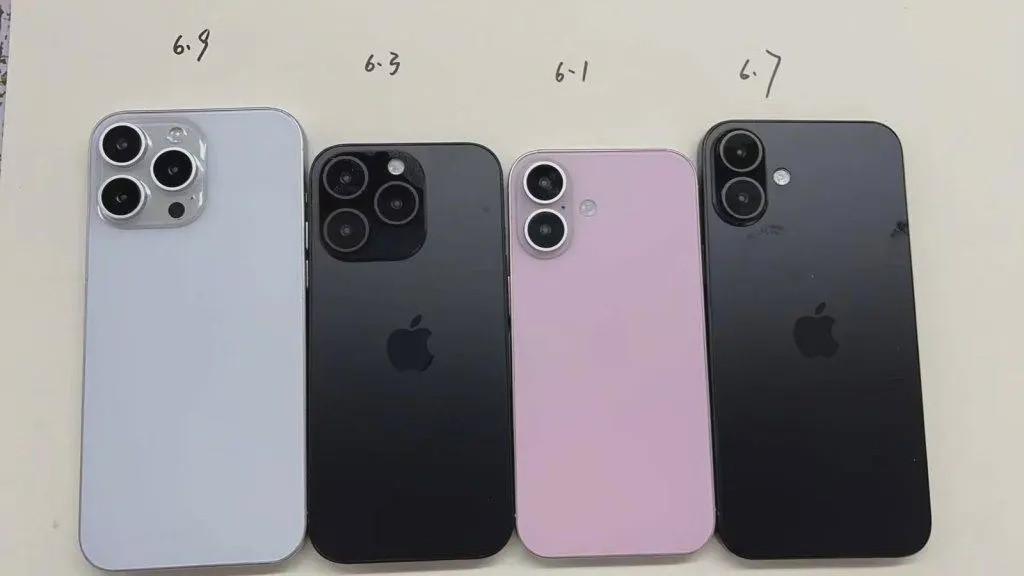
The term "brand new" is in quotes because based on leaks and machine model images, the two vertically arranged lenses of the iPhone 16, as well as the flash design independent of the lens module, have indeed not appeared on previous iPhones, but it is quite obvious that they bear the shadow of the iPhone 12 and iPhone X

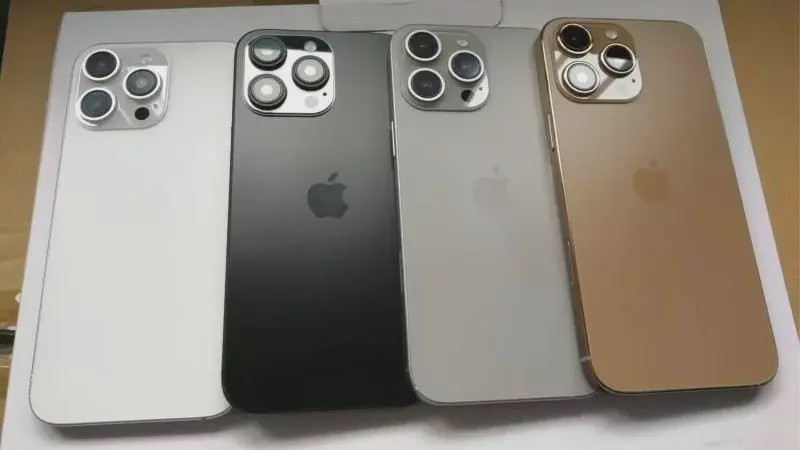
iPhone 16 full series model, image source: Sonny Dickson

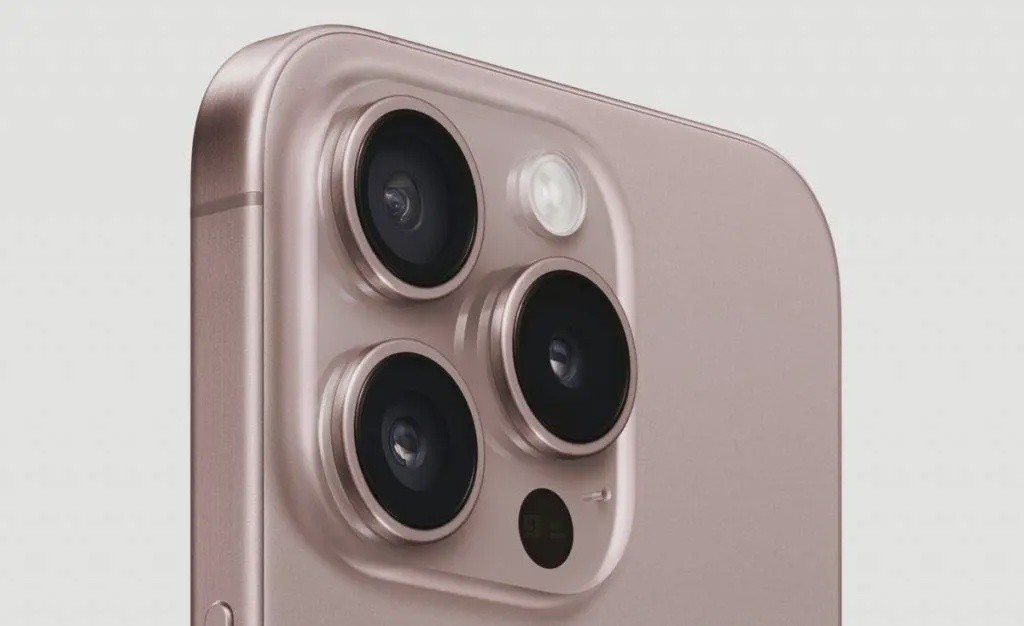
As for the iPhone 16 Pro series, the classic "big bathhouse" camera module design remains unchanged, with the biggest change in appearance possibly being the "more than just big" size: the iPhone 16 Pro expands from 6.1 inches to 6.3 inches, while the iPhone 16 Pro Max expands from 6.7 inches to 6.9 inches.

Blogger @MomentDigital revealed that the borders of the iPhone 16 Pro will continue to narrow, setting a new record for the narrowest borders on a global phone:

  • iPhone 16: 2.0497 mm

  • iPhone 16 Plus: 2.0599 mm

  • iPhone 16 Pro: 1.2 mm

  • iPhone 16 Pro Max: 1.15 mm

For comparison, the borders of the iPhone 15 Pro are around 1.5 mm, with the Pro Max version seeing a reduction of over 20%.

It is reported that the iPhone 16 Pro series adopts a new Border Reduction Structure (BRS) technology, allowing the bottom layer circuits of the screen to achieve a more compact and efficient layout, making the borders narrower without affecting the screen's performance or the overall appearance of the device.

Another blogger @i Ice Universe calculated theoretically based on CAD data that the single side including the frame data of the iPhone 16 Pro is 2.3456 mm, also expected to set a new record.

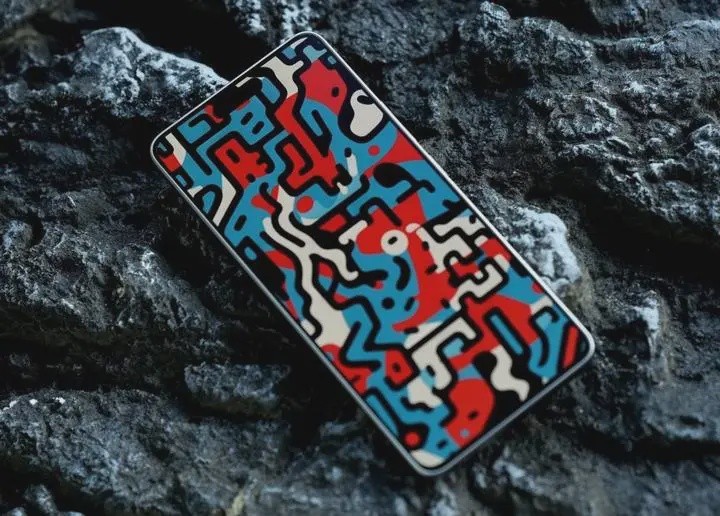
Imaginary diagram made based on iPhone 16 Pro border data, image source: Weibo @i Ice Universe

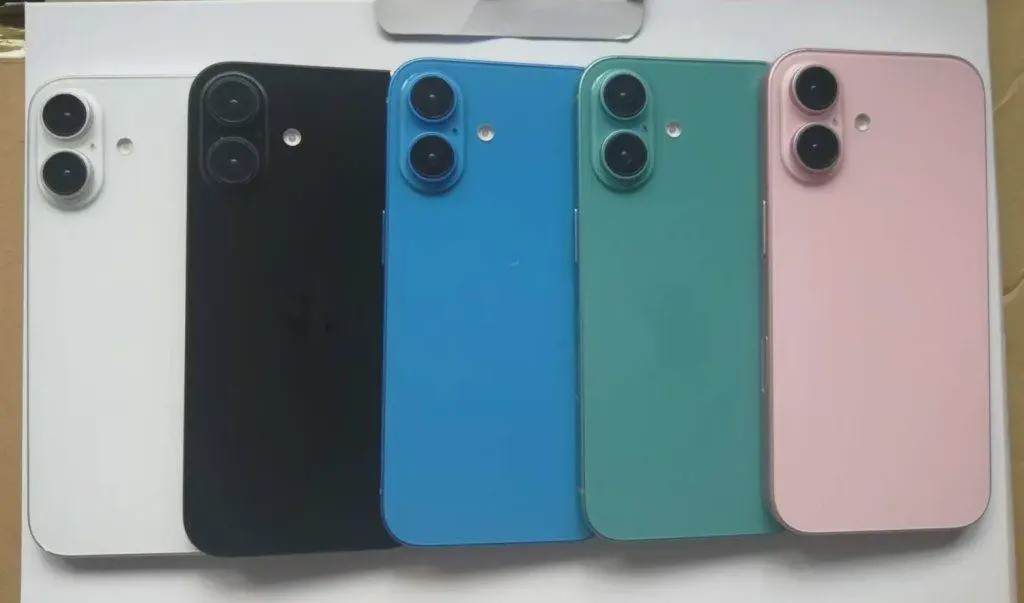
In terms of color options, the highly accurate blogger Sonny Dickson has already exposed the color model of the iPhone 16 series:

Image source: Sonny Dickson

The iPhone 16 will come in white, black, blue, green, and pink. Compared to the light and fresh colors of the iPhone 15, the blue and green of the iPhone 16 will have higher saturation, with the former being close to the XR blue and the latter leaning towards lake green. The pink color, on the other hand, will be lighter than that of the iPhone 15 As for the iPhone 16 Pro series, it will continue to use titanium alloy material and color schemes. The leaked machine model shows white, black, and silver colors, with the most anticipated being the rumored new "Desert Titanium" color, which will replace the previous Titanium Blue.

Image Source: Sonny Dickson

According to the machine model, the "Desert" color is darker than "Champagne Gold", closer to brown, with a luxurious feel that is relatively rare on previous iPhones.

Another speculation is that the long-unseen "Rose Gold" color will make a comeback, which is more eye-catching with its pinkish tone compared to the understated "Desert Titanium".

Rendering of the "Rose Titanium Gold" color

"AI" Stealth, but Configurations are Sincere

Apple's second-quarter financial report this year revealed that the iPhone 16 series will feature "Apple Intelligence" AI functions as its main selling point.

The invitation this year also features the new Siri "Marquee" color scheme, giving a sneak peek at the role of Apple Intelligence in the event.

Currently, Apple Intelligence functions are still in testing. Tech journalist Mark Gurman predicts that the entire iPhone 16 series will support Apple Intelligence, but the official version of these functions may not be launched alongside the iPhone 16 series.

In other words, the iPhone 16 series, focusing on AI functions, may not come with AI functions pre-installed early on and may require upgrades later. Enhanced functions like Siri may not be available until next year.

It is still unclear whether Apple will introduce exclusive AI functions for the iPhone 16 series, but even if they do, AI may not be available in the short term in the domestic market. Therefore, the marketing strategy for the iPhone 16 series in the domestic market may be completely different from overseas.

While AI functions may not be immediately available, the upgrades in configurations to better support AI functions are the same for both domestic and international markets.

Firstly, the standard version of the iPhone 16 will upgrade its memory from 6GB in the previous generation to 8GB, matching the iPhone 16 Pro series to meet the minimum requirements for Apple Intelligence.

Although iPhones do not emphasize memory size as much as Android phones, more memory means that the phone is less likely to kill background apps during regular use. In the long run, this upgrade can provide a better user experience and has the potential to become a long-term device In addition to memory upgrades, the standard version of the processor is also expected to achieve a "big leap" to smoothly run Apple's end-to-end AI functions.

Technical personnel discovered through leaked iPhone 16 series model codes that the identifiers of the four iPhones all start with "iPhone 17," indicating that the four iPhones will be equipped with the same series of chips.

For comparison, the identifier for the iPhone 15 Pro with the A17 Pro chip is "iPhone 16,1," while the identifier for the iPhone 15 with the A16 chip is "iPhone 15,4."

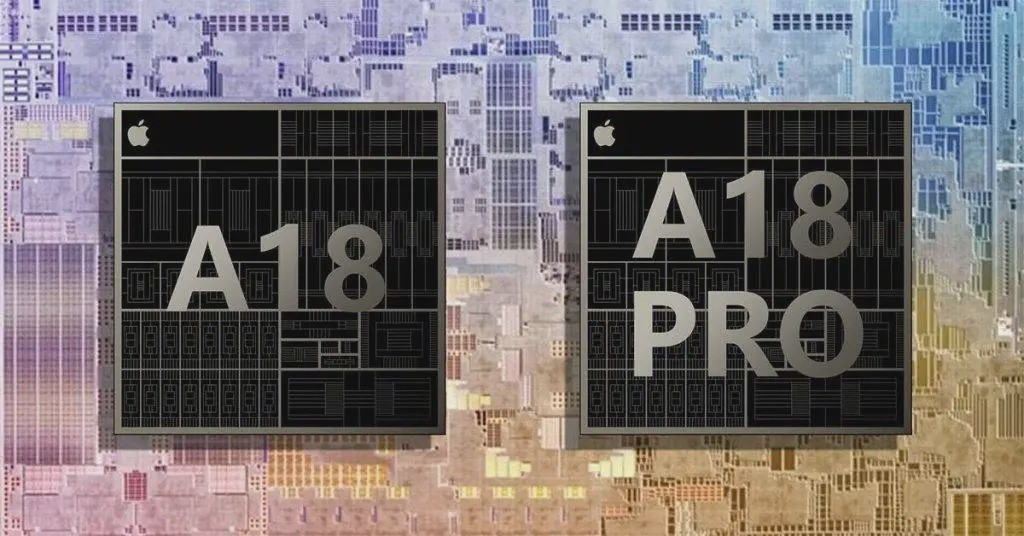
This indicates that both the standard version and Pro version of the iPhone 16 are expected to be equipped with the new A18 processor simultaneously, marking the first time since the iPhone 14 that both the standard version and Pro version will be equipped with a new generation processor.

However, Apple is likely to differentiate the chip performance, for example, the iPhone 16 standard version may use "A18," while the iPhone 16 Pro may use "A18 Pro."

Many media outlets speculate that A18 may be a minor revision of A17 Pro, and A18 Pro is the true "A18."

Last year's iPhone 15 Pro introduced the world's first 3nm chip, and this year's A18 series is likely to be consistent with the M4 chip on the iPad Pro, using TSMC's improved second-generation 3nm process.

In terms of specifications, according to leaks, A18 Pro will continue to maintain the configuration of 6CPU+6GPU from A17 Pro, with performance improvements mainly coming from architectural enhancements. However, based on the results where M4 almost completely outperformed M3 in single-core and multi-core tests, the performance of A18 Pro is still highly anticipated.

In terms of AI capabilities, tech blogger @MappleGold revealed that the neural engine power of A18 is even stronger than the M4 chip, with computing power exceeding 38 trillion times, enabling better local operation of large models on devices.

When the iPhone 15 Pro series was first released last year, there were instances of "overheating," which were later resolved through software updates. Apple may be more cautious about the heating situation of this year's iPhone 16 Pro. There are leaks suggesting that Apple may use a "graphene layer" on the processor to enhance chip cooling In addition to the expected breakthrough in high performance of the iPhone 16 Pro and A18 Pro, the standard version this time also benefits from AI "fighting for the future", with a significant upgrade in configuration. It may be the most worthwhile upgrade in the iPhone digital series in recent years.

More and more buttons

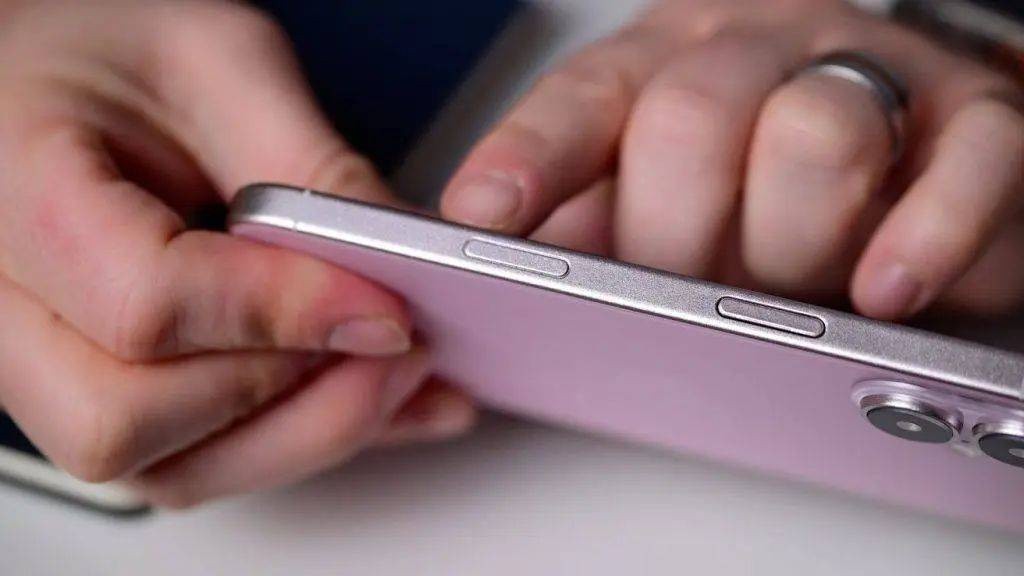
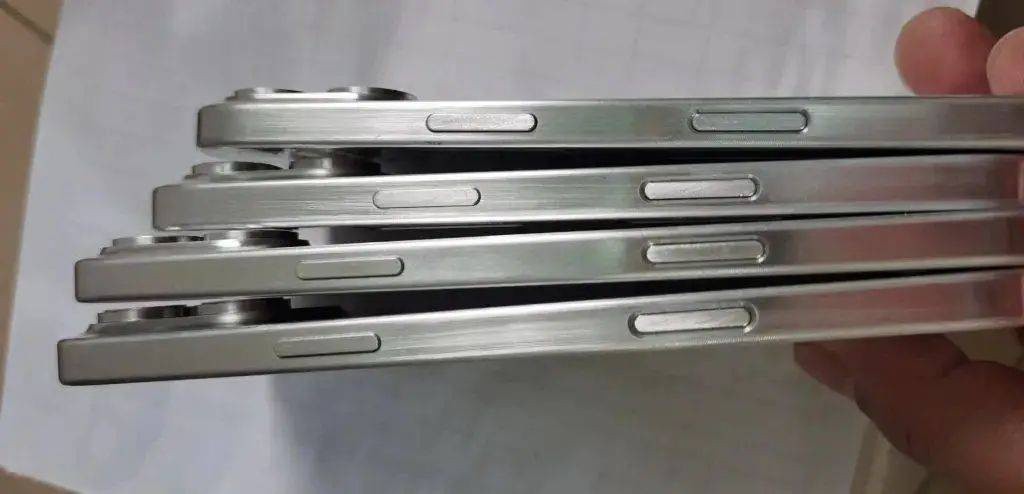
One of the most talked-about visible functional changes in the iPhone 16 series is the "shooting button".

The elongated "shooting button" is located below the power button, replacing the position of the mmWave antenna in the US version.

"Shooting button" on the iPhone 16 model, image source: Apple Insider

There are currently two rumored forms of the shooting button: one is a conventional mechanical structure, no different from a regular button; the other is a capacitive solid-state button that simulates a real pressing experience through a vibration motor.

As for functionality, it may be similar to the shutter button on a camera:

  • Lightly touching the button can autofocus
  • Pressing the button can take a photo
  • Sliding the button left and right can zoom in and out
  • There may also be a gesture, such as a firm press or long press, for quickly switching between photo and video modes

In some leaked CAD renderings and models, the shooting button appears on all four new iPhones, but Mark Gurman believes that the shooting button may only appear on the Pro models.

"Shooting button" on the iPhone 16 Pro series model, image source: 9to5Mac

In addition to the camera app that comes with the iPhone, the shooting button is also expected to support third-party apps, allowing developers to call the API of this shooting button.

Currently, the functionality of the shooting button seems relatively ordinary, similar designs have been seen on other manufacturers' phones.

However, Apple has always had its own ideas in the integration of hardware and software, as seen from the leaked "punch-hole screen" to the actual "dynamic island" design.

Therefore, until the official introduction at the launch event, the functionality and interaction design of this shooting button are still worth looking forward to.

Although the "operation button" on the iPhone 15 Pro has received mixed reviews, Apple is determined to persist with this design, which is also expected to be featured in the standard version of the iPhone 16.

As for the "capacitive pressure-sensitive button" that has been rumored for several years but never actually implemented, there is new evidence this year: media reports that Taiwanese semiconductor manufacturer TSMC has received orders for this key module.

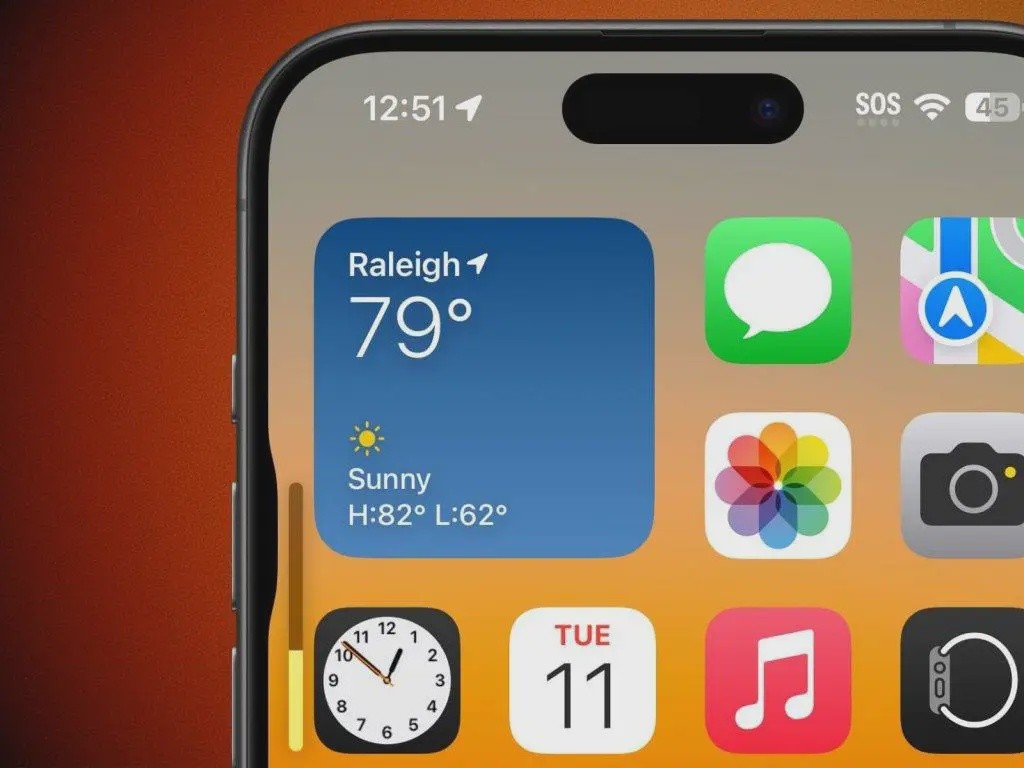
The new button animation in iOS 18 also adds some credibility to this rumor

In iOS 18, pressing a button will trigger a small animation, image source: Mac Rumors

Ultra-wide angle is the protagonist of image enhancement

The theme of this year's conference is "Highlight Moments", paired with a dynamic and dazzling logo, many media outlets speculate that the iPhone 16 series will have significant improvements in imaging, especially in low-light shooting capabilities.

Apple Insider has obtained the image specifications for the entire iPhone 16 series, with upgrades mainly focused on the ultra-wide-angle lens.

The main camera of the iPhone 16 series will remain unchanged, still 48 million pixels with an f/1.6 aperture, continuing to support 2x optical zoom.

The other wide-angle lens will be the focus of this upgrade. The lens aperture will be upgraded from f/2.4 to f/2.2, allowing the sensor to capture more light, thereby improving shooting effects in low-light environments. There are also reports indicating that the upgraded ultra-wide-angle camera of the iPhone 16 will support macro photography for the first time.

The two cameras will return from the previous generations' "diagonal" arrangement to a vertical arrangement. With the improvement of the wide-angle lens, it is very likely that the standard version will bring the "spatial shooting" capability of the iPhone 15 Pro.

Image source: Apple Insider

The updates of the iPhone 16 are more derived from the previous generation, and the true strength of Apple's imaging lies in the iPhone 16 Pro series.

According to Apple Insider, the main camera of the iPhone 16 Pro series remains at 48 million pixels with an f/1.78 aperture, supporting 2x optical quality 12 million pixel telephoto photos, with a pixel size of 1.22 microns.

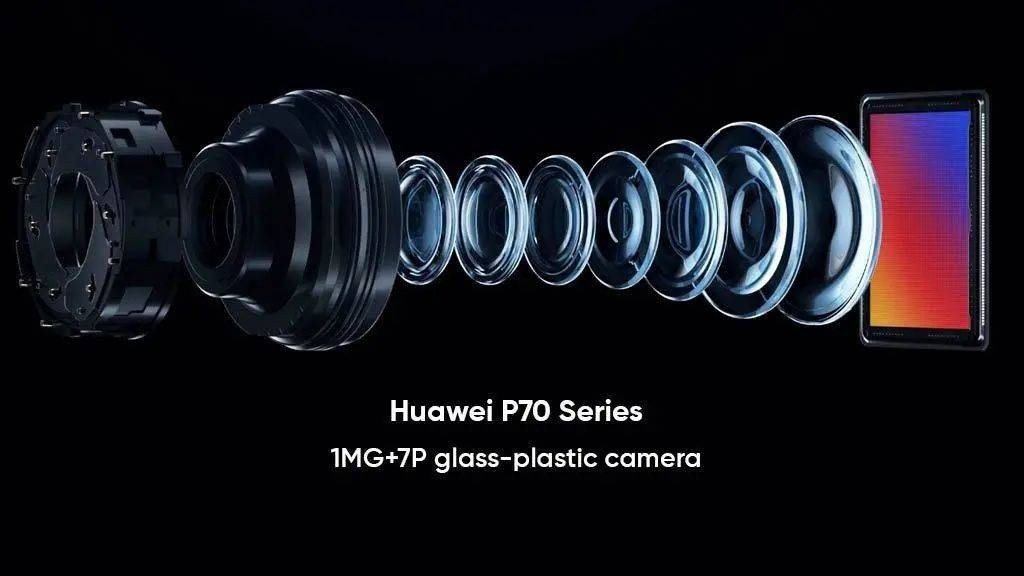
Domestic @Digital Chat Station once revealed that Apple and Sony have customized a large bottom sensor of around 1/1.14 inches, and will use a "1MG+7P" plastic glass lens with one molded glass lens + seven plastic lenses, with stronger optical performance.

The Huawei Pura 70 series phones use a similar 1MG+7P plastic glass lens

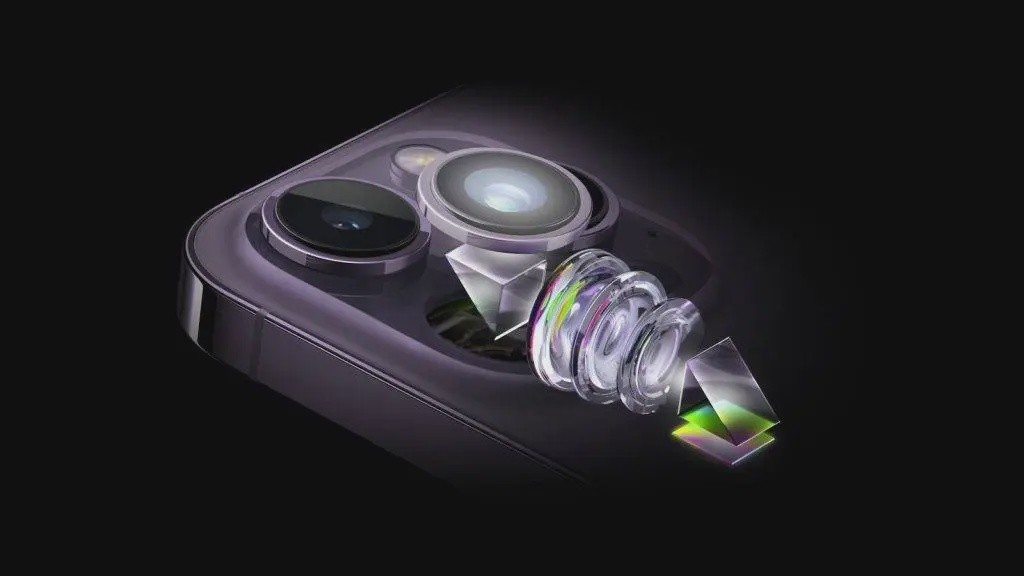
In terms of telephoto lenses, the iPhone 16 Pro is expected to match the Pro Max version, equipped with the same "four-reflective prism telephoto" lens, achieving 5x optical zoom, maintaining 12 million pixels, and an aperture of f/2.8

The larger upgrade also extends to the ultra-wide-angle lens, which will be upgraded from 12 million pixels to 48 million pixels, supporting the same pixel binning function as the main camera, which means multiple levels of pixel fusion. When shooting at full resolution, 0.7-micron pixels are used, and 1.4-micron pixels are used when four pixels are merged.

The ultra-wide-angle lens and the main camera will both synchronize at 48 million pixels, potentially bringing 4K spatial video shooting capabilities to the iPhone 16 series. Previously, the spatial video resolution of the iPhone 15 Pro was up to 1080P.

iPhone 16 Pro model, image source: Apple Insider

The iPhone 16 Pro series is also expected to use Sony's new stacked main camera sensor, featuring a new design that separates the photodiode and pixel transistor.

This new design can make the photodiode larger in volume while keeping the pixel size constant, helping the camera achieve better low-light performance. However, this is likely to be an exclusive update for the Pro Max this time.

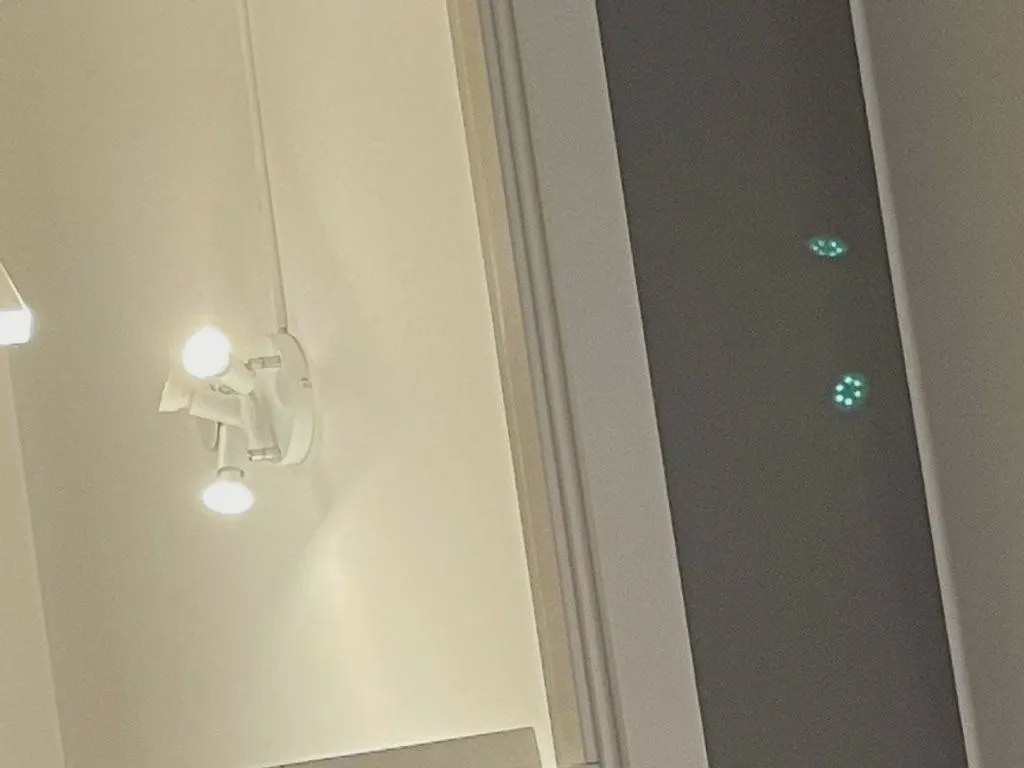
In complex low-light environments at night, whether it's the standard version or the Pro version, the problem of "ghosting" in the lens will equally appear on previous iPhones, and this year Apple may put an end to this long-standing issue.

"Ghosting" in iPhone camera

According to blogger yeux1122, information obtained from the supply chain suggests that Apple may introduce "atomic layer deposition" technology for the iPhone 16 series, which is a thin film technology that can be used to spray anti-reflective coatings for the lens, helping to reduce the light refraction problem of "ghosting".

In addition to hardware and parameter upgrades, the entire iPhone 16 series is expected to support the new "JPEG-XL" format, which has higher compression efficiency and better image quality than traditional JPEG formats.

JPEG-XL performs particularly well in retaining high dynamic range (HDR) and color depth, making it more flexible and efficient for image editing and saving, as well as more conducive to sharing and dissemination without taking up too much storage space.

Comparison between JPEG and JPEG-XL, image source: X@Addy Osmani

As for the front "Agile Island" lens, DigiTimes revealed that Apple is exploring a "super-translucent lens", which is a thinner lens with a smaller sensor that can achieve the 3D facial recognition function of the current three lenses with a single lens, without sacrificing image quality.

However, the iPhone 16 series is unlikely to adopt this technology in time, and the "mini Agile Island" may not be unveiled until next year.

Coexistence of upgrades and downgrades in battery life

Although battery life may not be the most concerning upgrade point for every iPhone user, it is a fundamental configuration that can greatly impact the user experience.

The battery capacity of the four iPhone 16 models is rumored as follows:

  • iPhone 16: 3561mAh

  • iPhone 16 Plus: 4006mAh

  • iPhone 16 Pro: 3355mAh

  • iPhone 16 Pro Max: 4676mAh

Of particular note is the iPhone 16 Plus, with a battery capacity of 4006mAh compared to the 4383mAh of the previous iPhone 15 Plus, showing a "dive" of 8.6%.

The other three models have seen slight increases in battery capacity, especially the iPhone 16 Pro Max, whose 4676mAh size will be the largest iPhone battery to date.

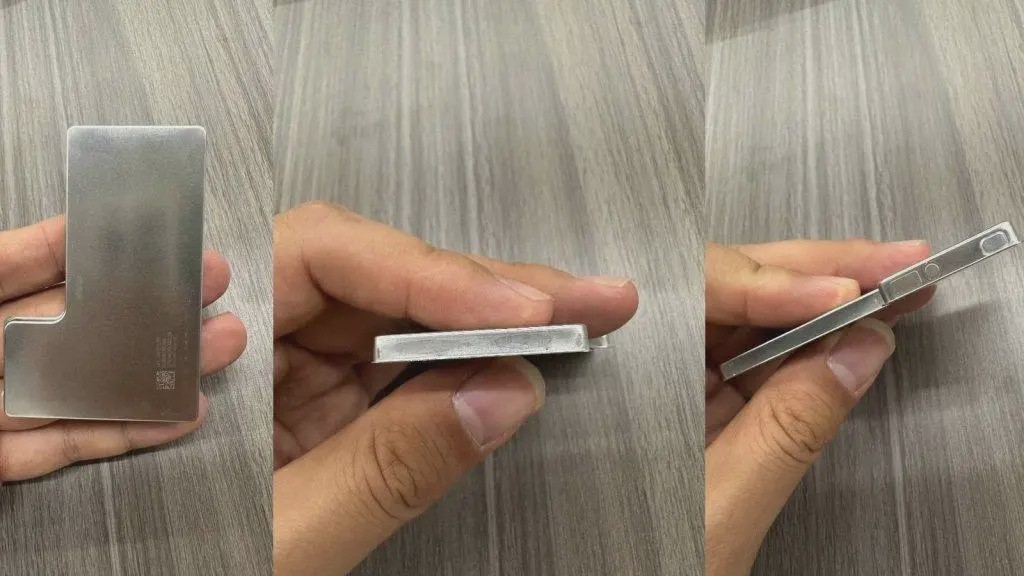
Suspected battery for iPhone 16 Pro, image source: X@Kosutami

The downgrade on the iPhone 16 Plus may be to ensure that the most expensive iPhone, the iPhone 16 Pro Max, has the best battery life, as the "Plus" model used to be the one known for better battery life.

Analyst Ming-Chi Kuo also revealed that the iPhone 16 Pro Max will use a battery with higher energy density, providing stronger battery life in the same volume or a smaller volume for the same battery life.

To reduce the heat generated by high-energy density batteries, Apple may equip the battery with a stainless steel "battery case" for heat dissipation.

This stainless steel battery case can also reduce the difficulty of removing the battery, allowing the iPhone to meet the EU's requirements for the removability and repairability of mobile phone batteries.

ETnews report also pointed out that Apple is exploring the current popular "silicon-carbon battery", which is a battery technology with extremely high energy density, but it is unlikely to be used in the iPhone 16 series.

The much criticized 20W "fast charging" is also expected to see changes this year. Li Nan, the founder of Angry Cat Technology, revealed on Weibo that the maximum charging power of the iPhone 16 series will be upgraded to 40W.

As for MagSafe magnetic charging, the power may be upgraded from 15W to 20W, and the coil will be "slimmer" than before.

Image Source: Mac Rumors

Possibly a practical generation

Compared to the equally anticipated dual versions of AirPods 4 and the "10th-anniversary work" of Apple Watch that are expected to be released at the event, the iPhone 16 series seems a bit ordinary.

The last quarter's financial report showed a 1% year-on-year decline in iPhone revenue. According to IDC's report, iPhone shipments decreased by 3.1%, falling out of the top five in the Chinese market for the first time in 4 years.

The biggest selling point, Apple's intelligence, cannot be launched in the largest Chinese market, making the iPhone 16 series, which is not particularly eye-catching in itself, even more ordinary.

From the current leaks, it seems that the iPhone 16 series is taking a very practical approach to updates, perhaps lacking novelty, but bringing a more "steady" user experience.

Of course, whether the iPhone 16 series still has any secret weapons hidden, no one knows before the event