MTR CORPORATION has been accompanying Hong Kong for 45 years, connecting lives, witnessing growth, and embracing the future

MTR CORPORATION has been rooted in Hong Kong for 45 years, providing safe and reliable railway services covering all 18 districts of Hong Kong, with 99 stations and a railway network of 271 kilometers. MTR carries over 5 million passengers daily, maintaining a service level of over 99.9%. In recent years, MTR has actively introduced advanced technology, promoted urban development, participated in the planning of new railway projects, and is committed to contributing to the future development of Hong Kong
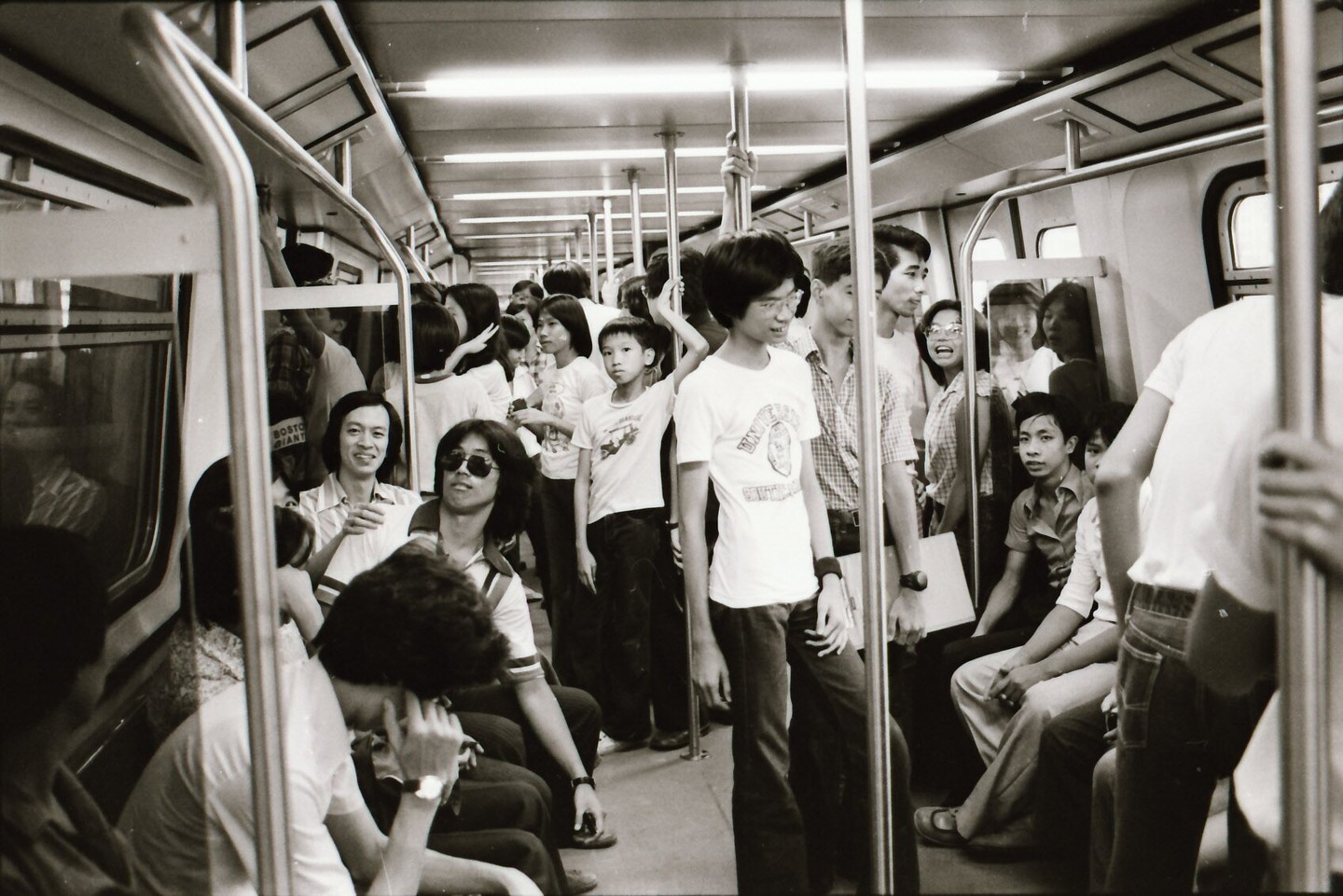
MTR CORPORATION has been rooted in Hong Kong for 45 years, tirelessly providing safe, reliable, and convenient railway services to the public. Starting from a single railway line with 9 stations running between Kwun Tong and Tsim Sha Tsui, it has now expanded to cover all 18 districts in Hong Kong, with a total of 99 railway stations, 68 light rail stations, and a total track length of 271 kilometers. MTR's high-quality railway services have earned the trust of the public and the industry at home and abroad, making Hong Kong proud.

Never Forget the Original Aspiration, Serve with Heart
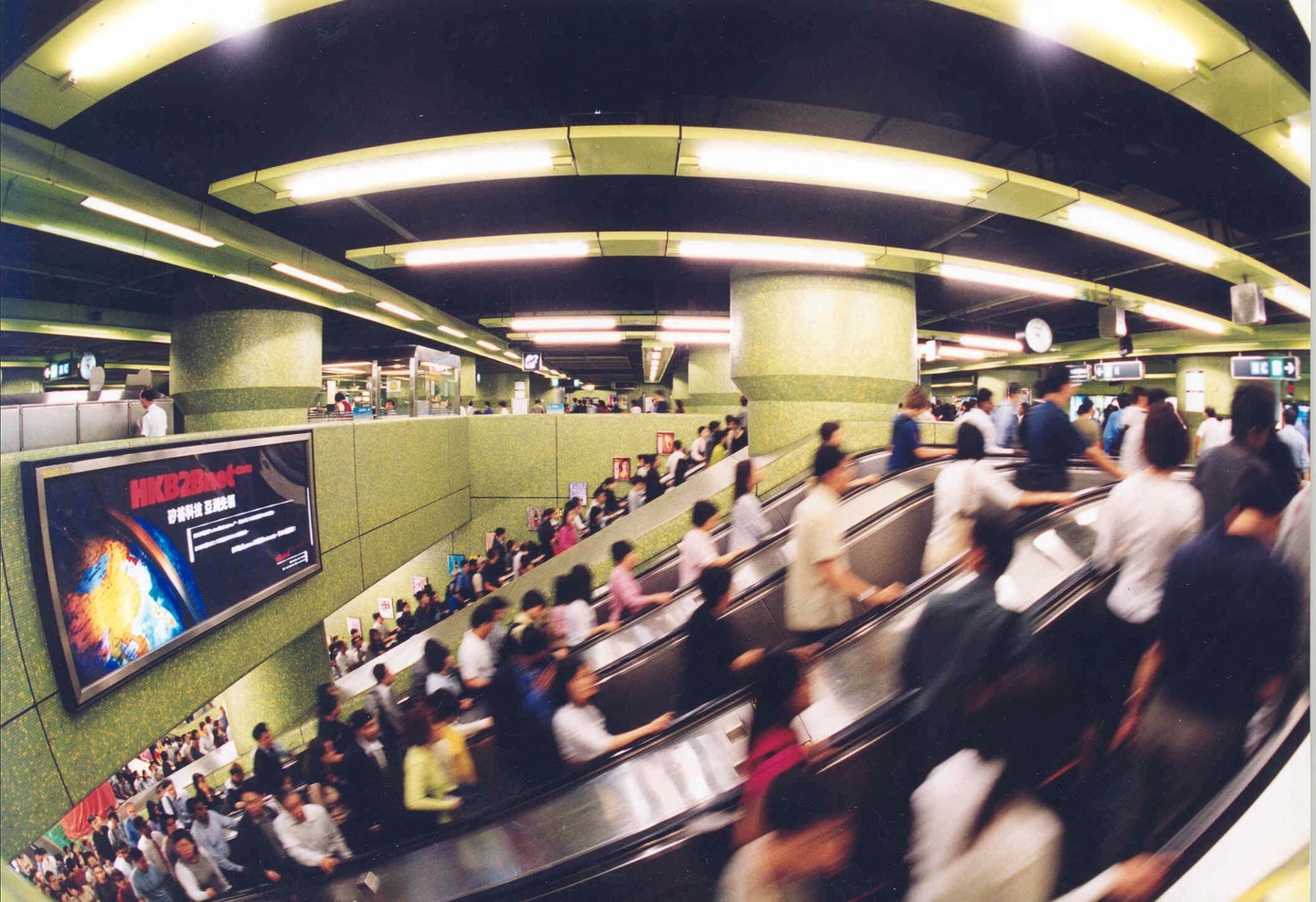
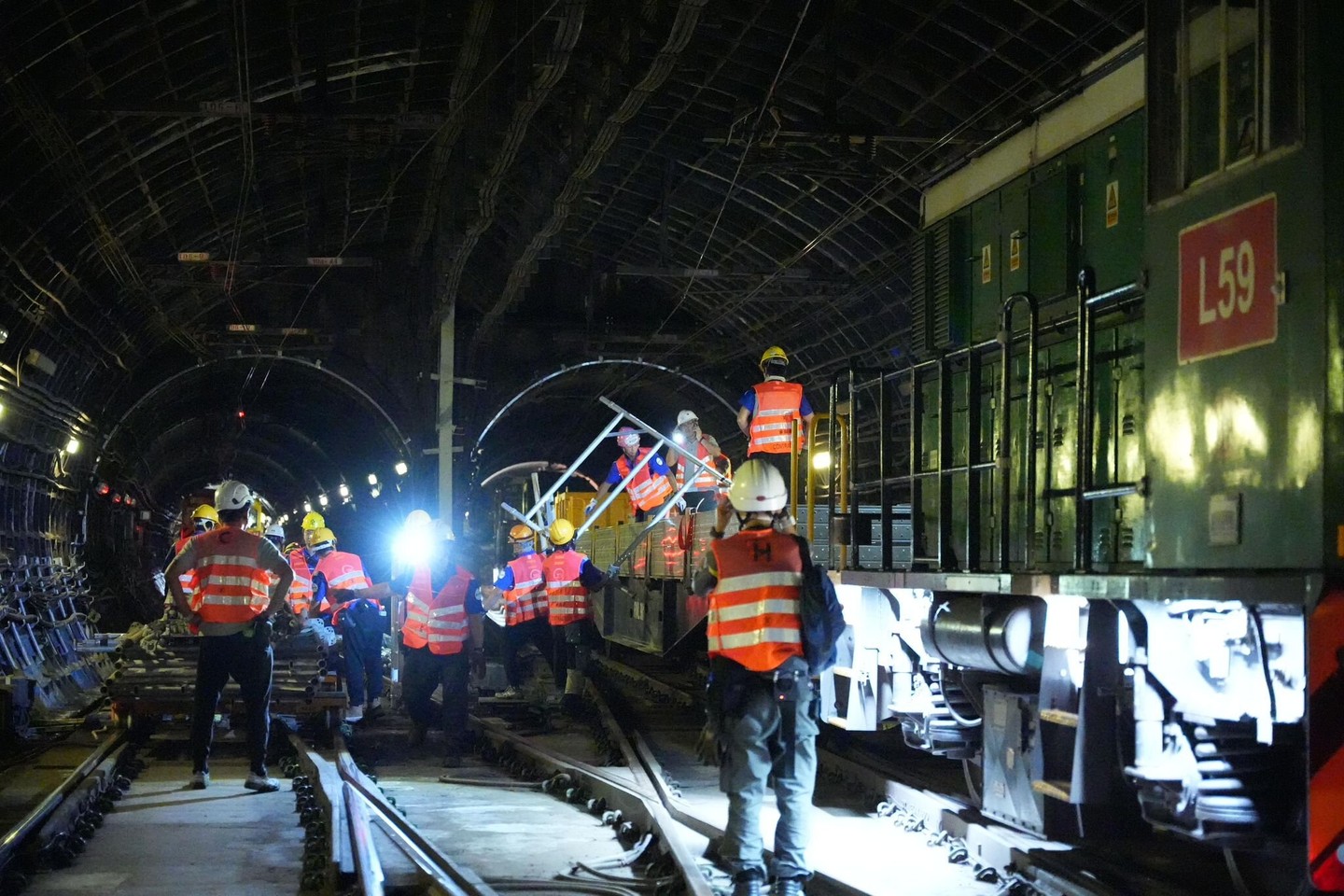
365 days a year, MTR operates from early morning to late at night, running continuously for 19 hours each day, rain or shine, carrying over 5 million passengers daily. As the railway network expands, MTR keeps pace by maintaining a world-class standard of over 99.9% in areas such as train scheduling, on-time performance, and service punctuality. MTR continues to uphold its service levels, invest in the renewal and maintenance of railway assets, and actively introduce advanced technologies such as artificial intelligence and big data analysis to monitor the condition of railway equipment and enhance passenger experience. In recent years, MTR has been moving towards the future with the direction of "Carrying Towards the Future," bringing innovative technology to provide passengers with safer and more considerate services.

Starting with Operating Railways, Driving Urban Development
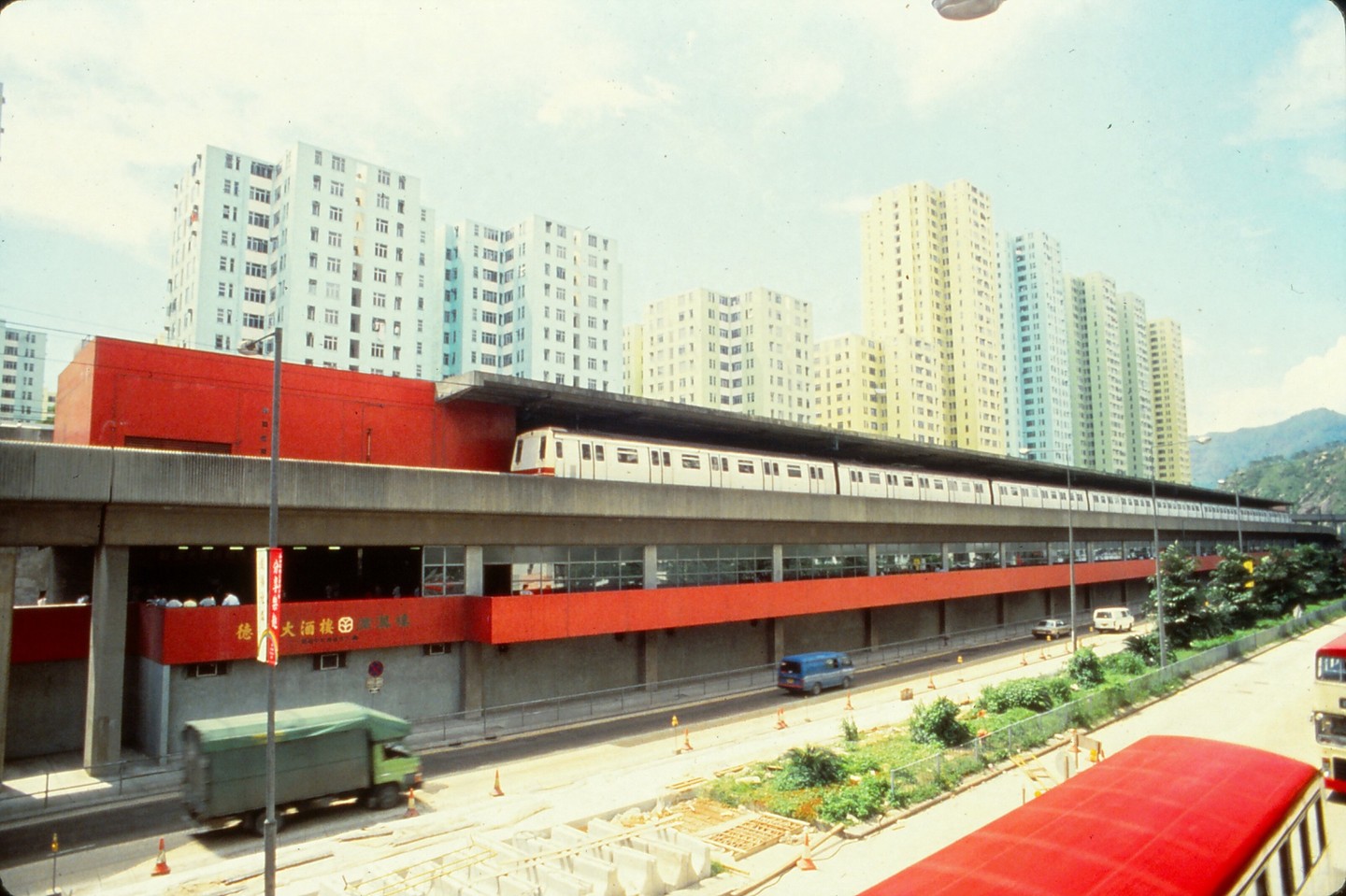
Railway services have brought communities closer together. In its early days, MTR followed the development model of "Lines Follow People," building railway lines along densely populated areas, which led to the development of the Kwun Tong Line, Tsuen Wan Line, and Island Line, successfully alleviating Hong Kong's traffic congestion issues and accompanying Hong Kong's economic takeoff. In the 1990s, in response to the needs of urban development, MTR adopted the concept of "People Follow Lines" to develop new railway lines for new communities, along with the construction of residential buildings, shopping malls, and office buildings along the lines. The development of the Telford Gardens on top of the Kowloon Bay Depot, which was completed in the 1980s, became a model for MTR's future "Rail plus Property" development, leading to an enhanced version of the comprehensive "Rail plus Community" development model.
![](https://imageproxy.pbkrs.com/https://www.hkcd.com.hk/userfiles/1730074353460397.jpg? Contributing to the Advancement of Hong Kong
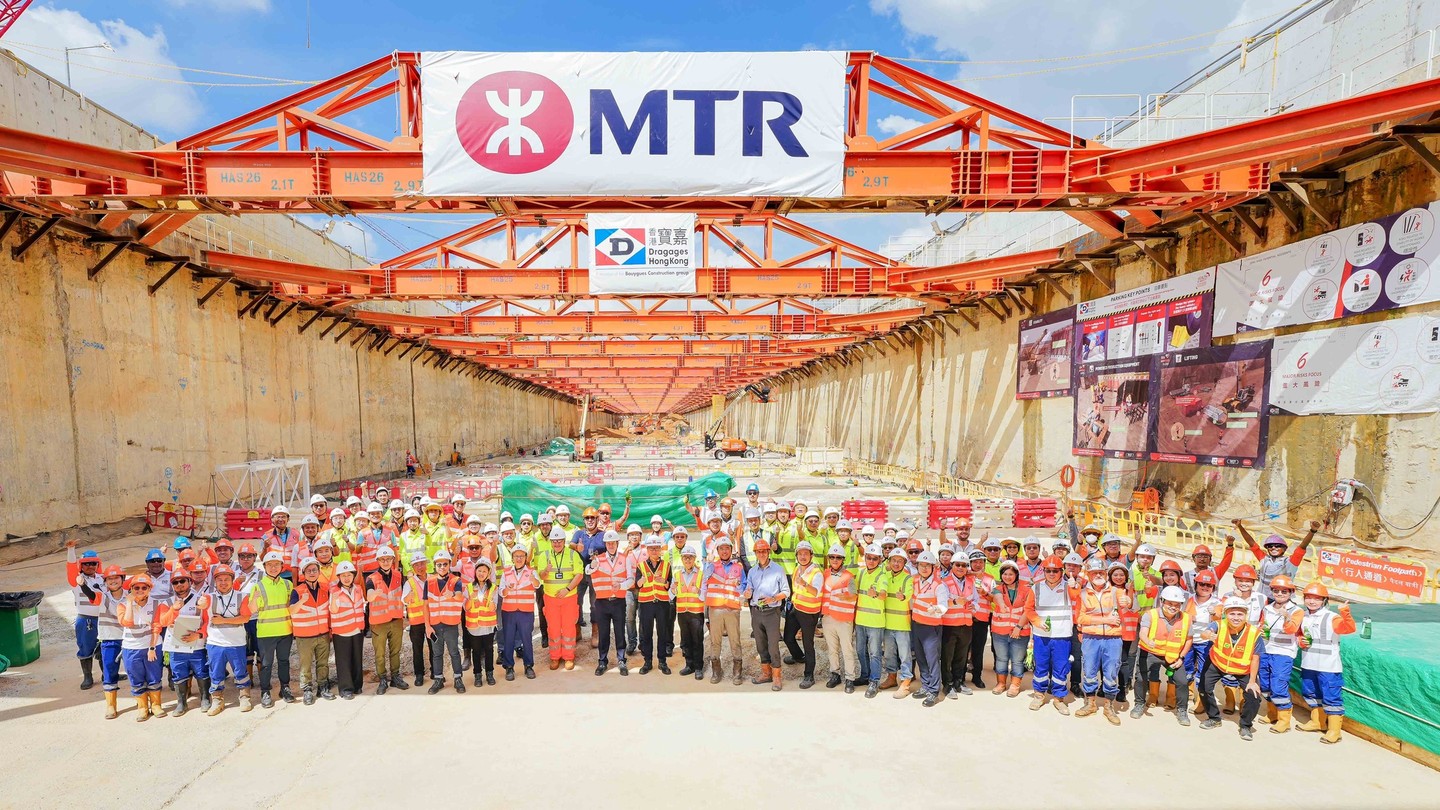
In recent years, the government has actively promoted the development of new development areas with the policies of "prioritizing infrastructure" and "creating capacity". MTR Corporation, with years of accumulated experience, actively participates in relevant research and planning. Several new railway projects have been launched, such as the 100th station of MTR: the Kam Sheung Road Station connecting the East Rail Line and the future North Island Line. In addition, the Tuen Ma Line will be extended southward from Tuen Mun Station, constructing two new stations. The Tung Chung Line will also be extended westward in response to the development of North Lantau, adding the Tung Chung West Station, as well as the Tung Chung East Station and Siu Ho Wan Station between Tung Chung Station and Sunny Bay Station. These railway projects will drive the development of multiple new communities, including Hung Fuk Bridge near the northern metropolitan area, and Tung Chung East, Tung Chung West, and Siu Ho Wan on North Lantau. The integrated development model of "railways plus communities" will inject vitality into these new communities, enabling them to thrive.
MTR Corporation continues to uphold its original intention of serving the public and promoting urban advancement over the past 45 years. It is committed to providing world-class quality railway services to the people of Hong Kong, while also contributing to the social and economic development of Hong Kong. It lives up to the expectations of the predecessors who originally planned the construction of the Hong Kong MTR for the future development of railways, as well as the high hopes that Hong Kong citizens have always had for MTR.
MTR Corporation Chairman, Mr. Rex Auyeung Pak-kuen, stated that railways not only bring safe and convenient transportation to the public, but also support urban development over the past 45 years. Wherever the railway goes, it creates communities where Hong Kong people can live and work happily.
MTR Corporation CEO, Mr. Jacob Kam, pledged that MTR will continue to fulfill its mission by providing safe, reliable, and efficient railway services. The series of new railway developments will continue to drive urban advancement and contribute to the future prosperity of Hong Kong.
Seamless Connection between Communities and Railways with Well-Planned Development Across Different Eras
First Example of Development Over Kowloon Bay Depot
In the early 1980s, Kowloon Bay was used for purposes such as the Kai Tak Airport apron and cargo area, loading and unloading areas, and industrial areas. The planning by MTR Corporation at Kowloon Bay Depot back then focused on the development of Tak Bo Garden, gradually building multiple commercial buildings around it, as well as various government and community facilities. As the first housing estate planned around a railway axis at that time, the community seamlessly connects with the station, and the mall provides daily necessities such as clothing, food, housing, and transportation for the surrounding railway communities Sunrise City Implements the Railway Community Concept
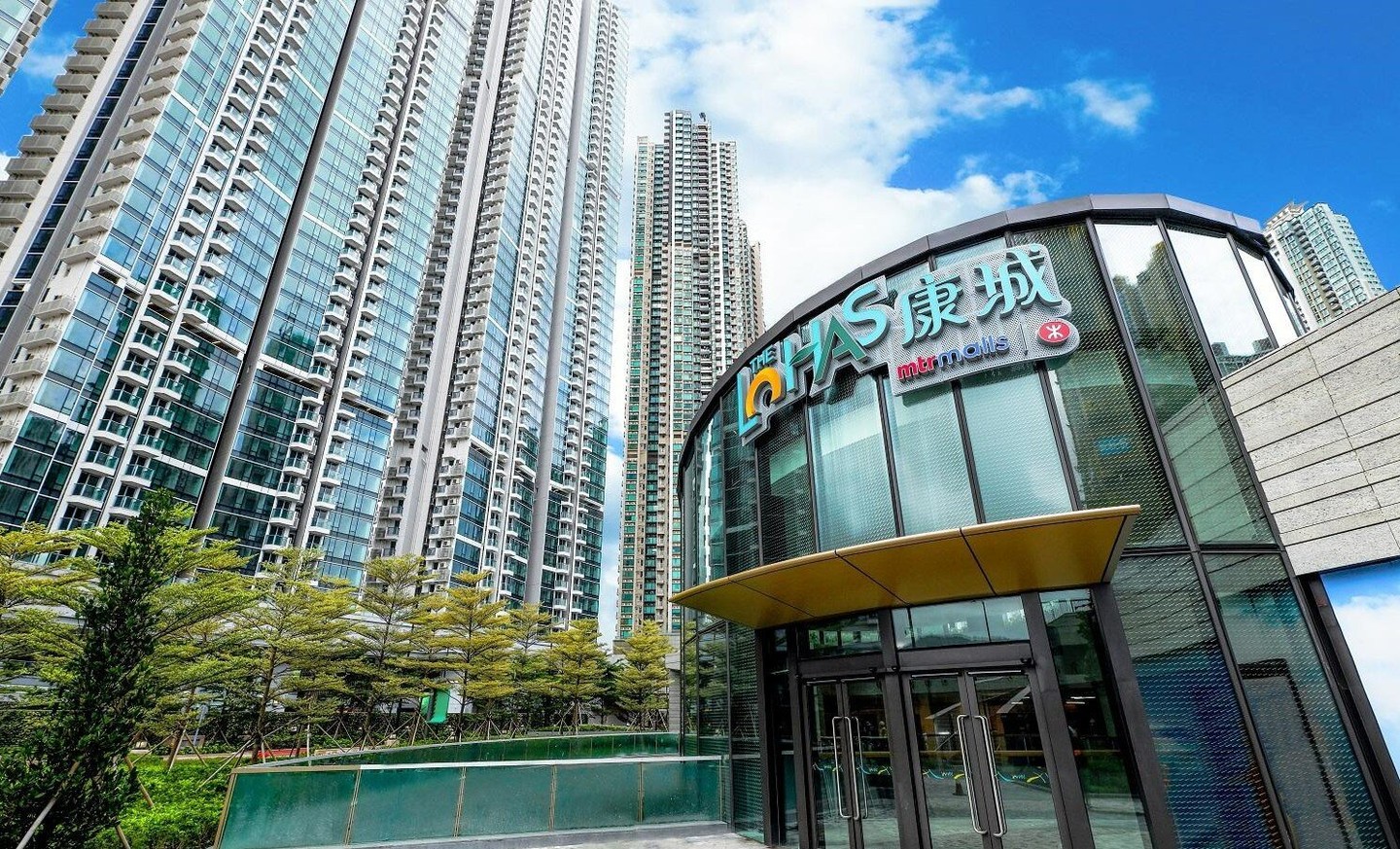
In the 1980s, the government began developing the new town of Tseung Kwan O. In collaboration with the government's planning, the MTR Corporation constructed the Tseung Kwan O Line to serve residents in the area, and planned and built the current Sunrise City in Zone 86 of Tseung Kwan O. This vibrant community, centered around the LOHAS City Plaza, which includes residential areas, parks, and a comprehensive shopping mall "The LOHAS City," caters to the daily needs of residents. In just this new community of Sunrise City, the current population is close to 50,000.
"Land Feeds Railways" - Using Land for Railway Purposes
Railways require significant resources for maintenance and repair over decades-long asset cycles, making railway operations around the world challenging to achieve financial balance, let alone cover the costs of railway construction. Hong Kong's "Rail plus Property" model provides a sustainable financial arrangement for the entire railway from construction to maintenance. Under the financial arrangement of "Rail plus Property," the MTR Corporation builds properties on land allocated by the government along the railway line, using the profits earned to fund railway projects without direct government funding. The profits from properties are also used for asset maintenance and updates for the railways in the coming decades. Compared to many other places where railways rely on government finances and subsidies, Hong Kong's railway financial arrangement has demonstrated sustainability over the years. As a listed company, the MTR Corporation distributes dividends to its shareholders, including the Hong Kong SAR government. In 2023, the MTR Corporation distributed a total of HKD 8.1 billion in dividends, with approximately 75% going to the Hong Kong SAR government based on shareholding, benefiting public finances and livelihoods.
Over the past 45 years, the MTR Corporation has effectively utilized and allocated valuable resources to daily operations and the construction of new railways. More importantly, regular maintenance and asset updates ensure that the aging railway assets and facilities remain in good condition, continuously improving service quality and creating sustainable social value. The development of Hong Kong's railways reflects the government's foresight in long-term planning and has successfully nurtured a Hong Kong brand that is well-known in mainland China and overseas