Chinese sellers face boycott, cancellation of T86 policy may become a certainty

Amazon reminds sellers to pay attention to global trade policy dynamics. The cancellation of the T86 policy has become a foregone conclusion, leading to collective resistance and intensified market competition for Chinese sellers. Sellers need to prepare in advance for policy changes, especially as the tax exemption policy for packages under $800 may come to an end. Logistics companies have received relevant notifications, emphasizing the accuracy of declared product names to ensure customs clearance efficiency. Although the suspension of the T86 policy provides sellers with a brief buffer, market uncertainty still exists
Author: Hugo Cross-Border
Image source | Unsplash
Recently, Amazon officially released an email reminding sellers to closely monitor the latest developments in global trade policies and suggested that everyone prepare corresponding countermeasures in advance. In no time, cross-border sellers began to speculate whether the T86 policy was really about to come to an end, causing widespread anxiety.
On the other hand, the voices of many American sellers collectively boycotting Chinese sellers have been incessant, making market competition increasingly fierce. From the unpredictability of tariff policies to the threats of "economic blackouts," and the internal competitive pressure on the platform, every single issue has kept cross-border sellers on edge.
Amazon's "Global Trade Policy Dynamics" Email Sparks Heated Discussion
Recently, an email from Amazon regarding "Global Trade Policy Dynamics" has sparked widespread discussion in Amazon seller groups. The notice stated that recent changes in global trade policies may affect shipments sent by sellers to the United States and other countries/regions, and suggested that sellers contact logistics providers to understand any changes that may need to be made in response to these policy changes.
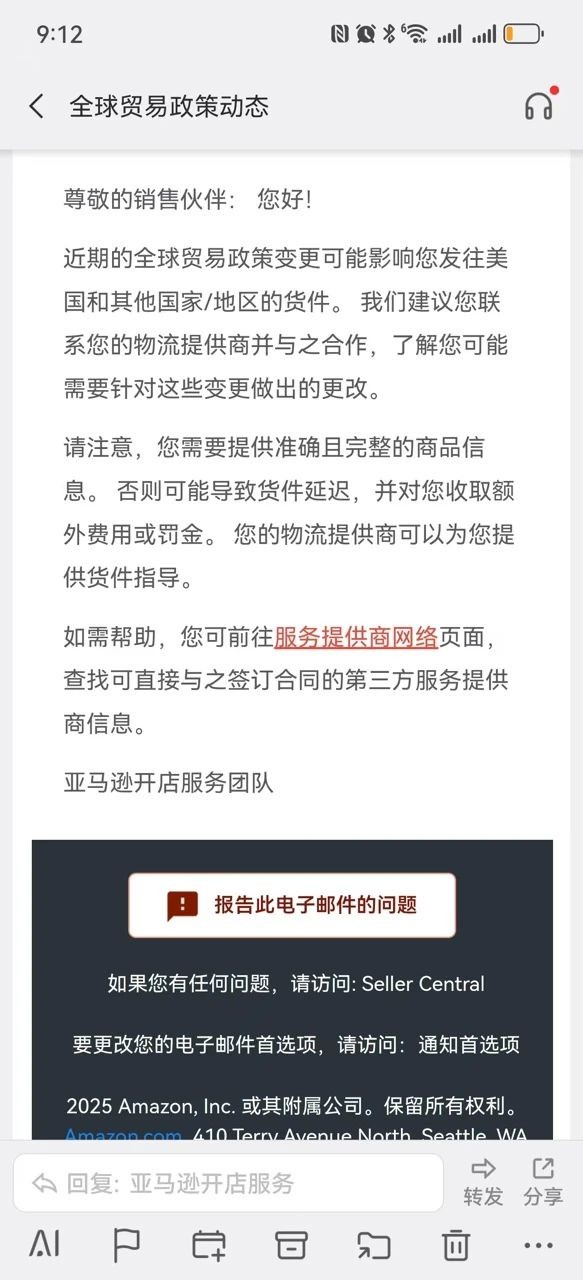
Given the ongoing "T86 tariff storm" that has been brewing since February of this year, the entire cross-border e-commerce industry has become somewhat tense. Now, the rectification suggestions proposed in this official Amazon email have instantly caused panic among many sellers. Some sellers even stated that perhaps the breathing space left by the postponement of T86 is already limited, and the "golden era" of tax exemption for packages under $800 is about to end.
Hugo Cross-Border also consulted a large domestic logistics company at the first opportunity. The other party stated that this information is not new; they had received notifications as early as last year and provided sellers with corresponding guidance on product name declarations. Currently, there have been no issues or impacts. The key is that the product names must be declared accurately; otherwise, it will affect customs clearance efficiency and increase inspections.
Trump's actions are unpredictable and difficult to grasp. Previously, from signing the executive order to announcing the suspension, it took only 48 hours. Such "changing orders overnight" operations not only completely disrupted market rhythms but also forced many logistics companies to delay shipments, and customs clearance service agencies continuously suspended their operations. However, this suspension decision also provided a brief buffer period for the cross-border industry, but it does not mean that the problem has been resolved.
According to foreign media The Loadstar, federal agencies will submit a formal review report on the "800-dollar tax exemption policy" on April 1. An experienced seller stated that based on Amazon's official email and internal industry news, there is a strong possibility that the Trump administration will sign an executive order to cancel the T86 policy on April 2. Everyone should still address related issues in advance, especially Amazon sellers, as those who do not complete customs clearance for their packages by then may face a tariff increase of 10%-60% Amazon's Major Sellers Initiate Boycott Against Chinese Sellers
In 2025, a series of policy fluctuations in the platform and external environment not only intensified the tension in Sino-U.S. trade relations but also put many Amazon sellers in unprecedented operational difficulties.
According to industry insiders, influenced by the U.S. "economic blackout" movement, many sellers on Amazon's U.S. platform reported a sharp decline in orders and traffic in March this year, with some accounts experiencing a complete drop in visitor numbers. Additionally, due to inflation, consumer demand for non-essential goods such as decorations and gifts has weakened, with this year's Easter order volume only reaching 60% of the same period last year.
Moreover, recently, leading local Amazon sellers have voiced their concerns through foreign media, accusing their Chinese counterparts of disrupting the market using "unfair competition practices," and quickly initiated a boycott against Chinese sellers, proposing five major reform proposals to the Trump administration:
First, cancel the tax exemption policy for orders under $800 to block the "ant moving" tax avoidance behavior of Chinese cross-border sellers.
Second, require Chinese Amazon sellers to register a U.S. company entity and pay income tax to eliminate the advantages of offshore structures.
Third, overseas sellers must also be required to provide liability insurance at the million-dollar level to match the insurance costs of U.S. local sellers.
Fourth, Amazon must disclose sellers' nationalities, product tariffs, and quality inspection information to eliminate consumer cognitive biases.
Fifth, set a 90-day "pre-sale buffer period," or "review period," for Chinese products to allow the government to verify the patent infringement risks of these products.
It is worth mentioning that this boycott is no longer limited to a commercial verbal battle. According to foreign media reports, the U.S. Sellers Alliance is attempting to unite politicians to pressure the Trump administration to impose sanctions on Chinese sellers, even calling for Amazon to adjust its platform policies to protect local businesses, adding a strong political color to this commercial war.
Currently, whether these five proposals will be adopted remains to be seen, but the mere request to cancel the tax exemption policy for orders under $800 is enough to make many Chinese Amazon sellers who rely on the "small package free shipping" model uneasy. As the review date approaches, Amazon has issued warnings, and combined with the call of this boycott movement, the cancellation of the T86 policy is highly likely to become a foregone conclusion.
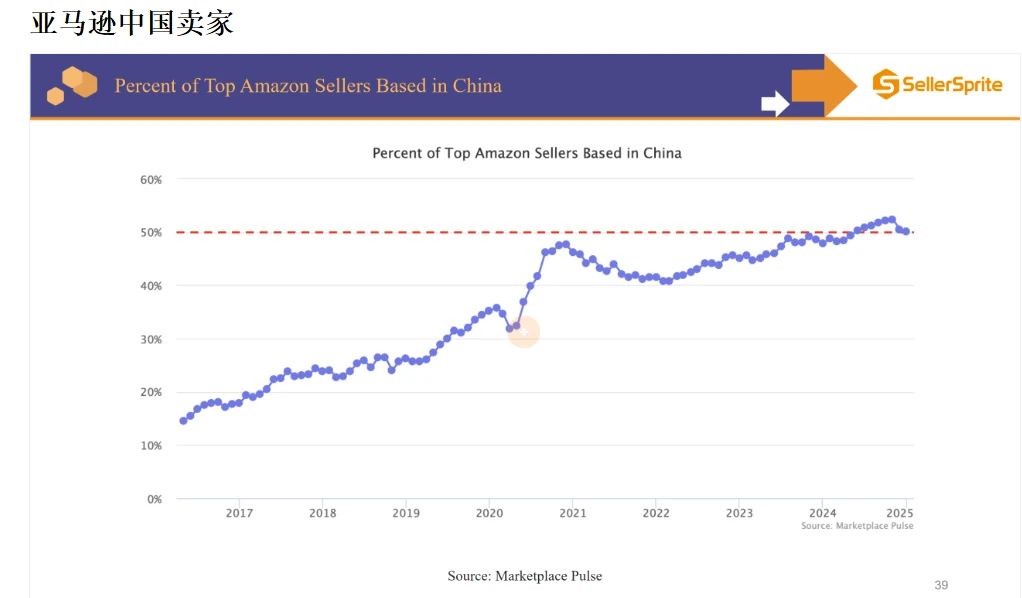
According to SellerSprite data, in 2024, Chinese sellers accounted for over 50% of the market share on Amazon, while the market share of U.S. sellers has dropped to around 45%. Over the past decade, the market share of Chinese sellers has steadily increased.
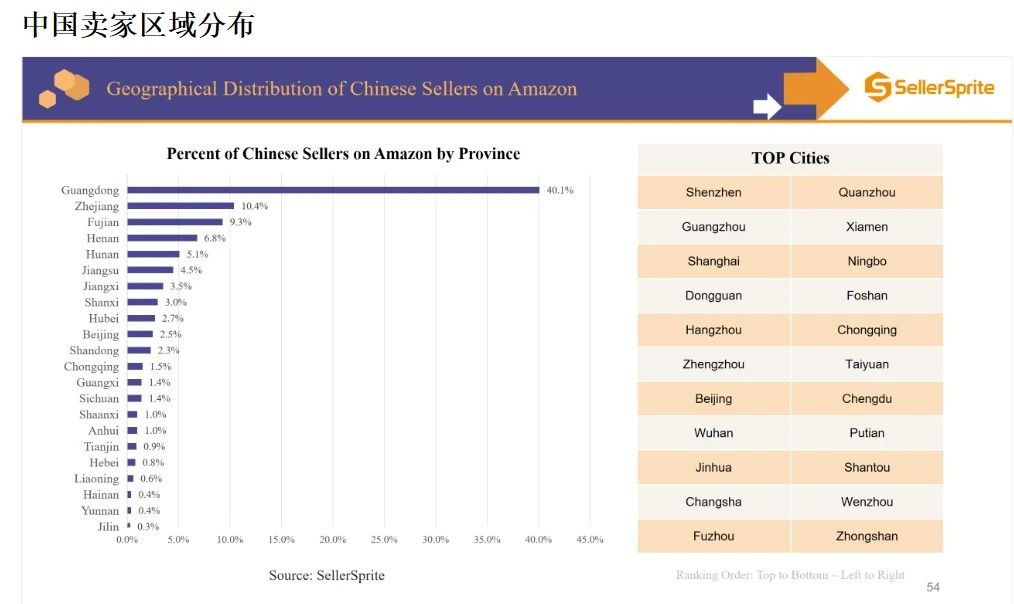
The regional distribution of Chinese sellers shows a clear clustering pattern. From the perspective of industrial cluster effects, provinces such as Guangdong, Zhejiang, and Fujian, as well as cities like Shenzhen and Guangzhou, are concentrated areas for Chinese sellers, forming a complete industrial cluster.
 In addition, on overseas Reddit, some users have exposed the income distribution of Chinese sellers across various categories on Amazon, with a focus on arts, crafts, and sewing categories, which account for 60% of the income. Mobile accessories, clothing, and footwear categories follow closely behind, providing a broad market space for Chinese sellers.
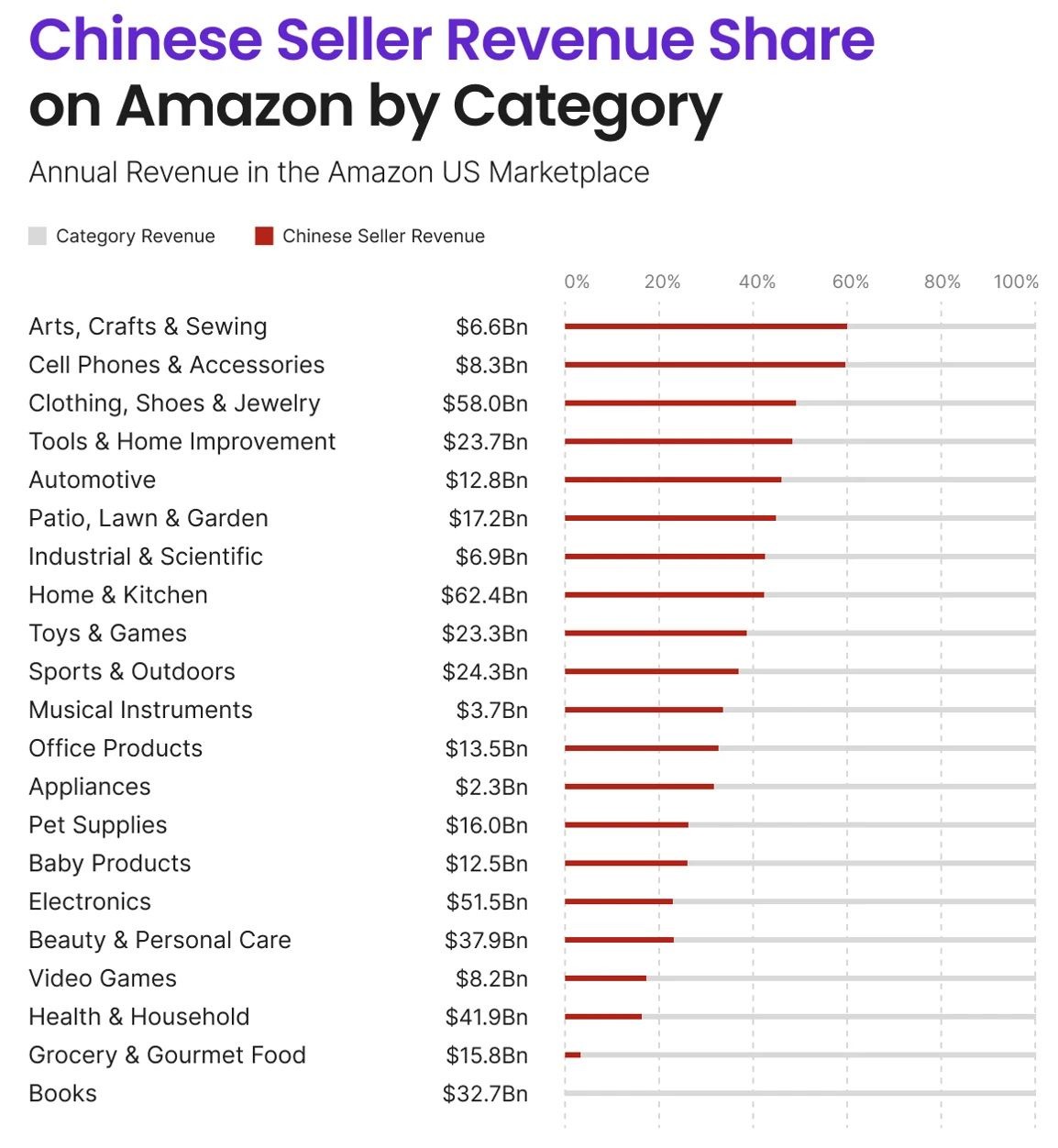
Therefore, for Chinese sellers, the short-term impact of this boycott cannot be underestimated. The United States may tighten tariff exemption policies or introduce targeted legislation, directly weakening the cost advantages of Chinese sellers. The Amazon platform has also signaled stricter governance, and in the future, it may strengthen compliance reviews, from verifying the authenticity of reviews to covering product liability insurance; any loophole could trigger a new wave of account suspensions.
In the short term, finding reliable logistics providers to lock in inventory and flexibly adjusting and diversifying customs clearance risks are the primary solutions to reduce losses from the boycott. In the long term, under the "America First" policy, products that solely rely on low-price competition will gradually lose their advantages. It is necessary to diversify market risks and reduce dependence on a single market. The cancellation of the T86 policy has become a foregone conclusion, but there are always opportunities in crises. Amazon sellers must continuously adjust and optimize in this changing landscape to gain an advantage in future market competition and remain invincible.