


Why did this analyst predict a 38% plunge during the gold frenzy?

Spot gold prices reached a new high of $3,097 per ounce as investors sought safe havens. However, Morningstar analyst Jon Mills predicts that gold prices will decline by 38% over the next five years, potentially dropping to $1,820 per ounce. He pointed out that increased market supply and reduced demand will put pressure on gold prices. It is expected that gold mining and recycling will increase in the coming years, leading to an oversupply
Spot gold opened at a new high on Monday, briefly piercing $3,097 per ounce. As investors seek refuge amid policy chaos, gold has become an unexpected winner in the Trump trade. So far this year, gold has risen about 17%, setting at least 15 historical highs. Against the backdrop of rising geopolitical and macro uncertainty, central bank buying and safe-haven demand have driven up gold prices.
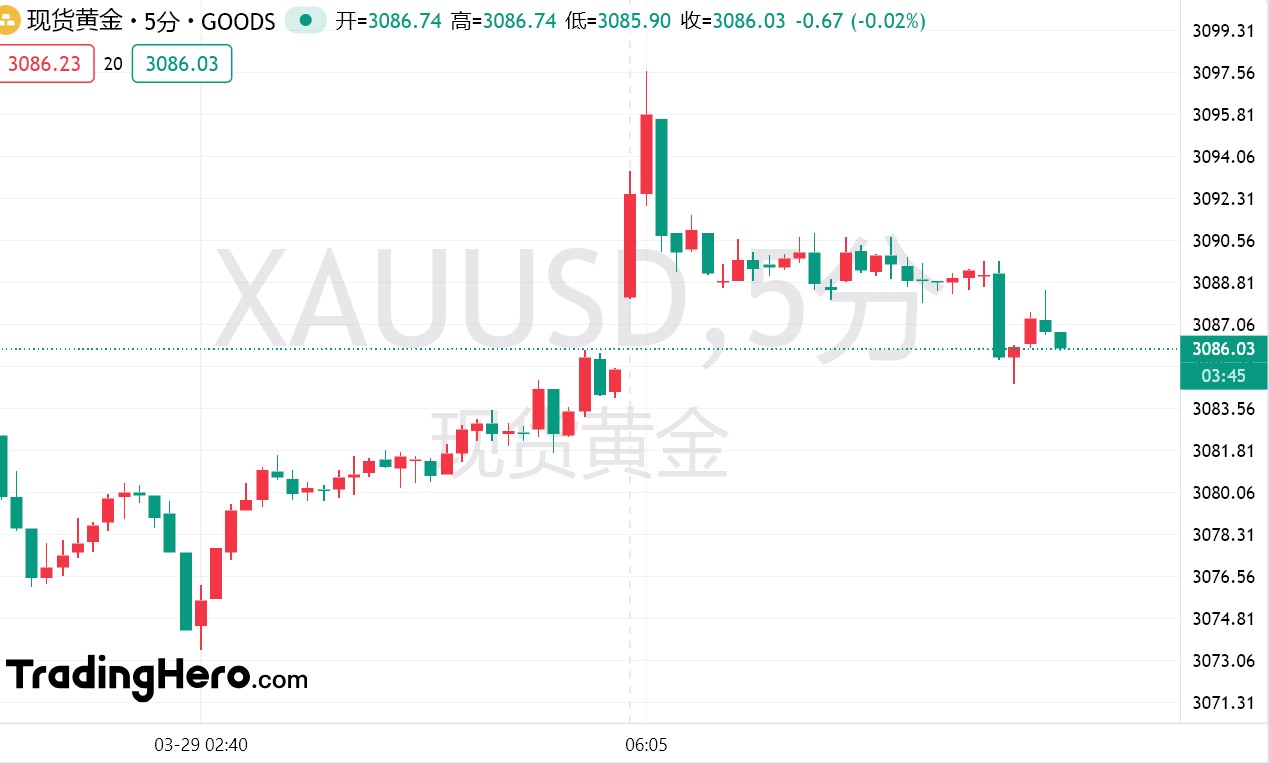
However, against the backdrop of the gold bulls' unending celebration, Morningstar analyst Jon Mills has a particularly pessimistic forecast for gold prices, noting that some longer-term trends could drag gold back down to earth. While other institutions on Wall Street are raising their gold price expectations, he believes that the historically high gold prices may ultimately fall to $1,820 per ounce within the next five years. This would mean a 38% drop from the historical high of over $3,000, erasing the gains of the past 12 months.
Mills believes that gold will face more secular pressures in the coming years. He told Business Insider that he sees three reasons for the long-term decline in gold prices.
1. Market supply will increase
Mills stated that high gold prices have encouraged producers to continue mining more gold, but the increase in supply will add downward pressure on prices in the coming years.
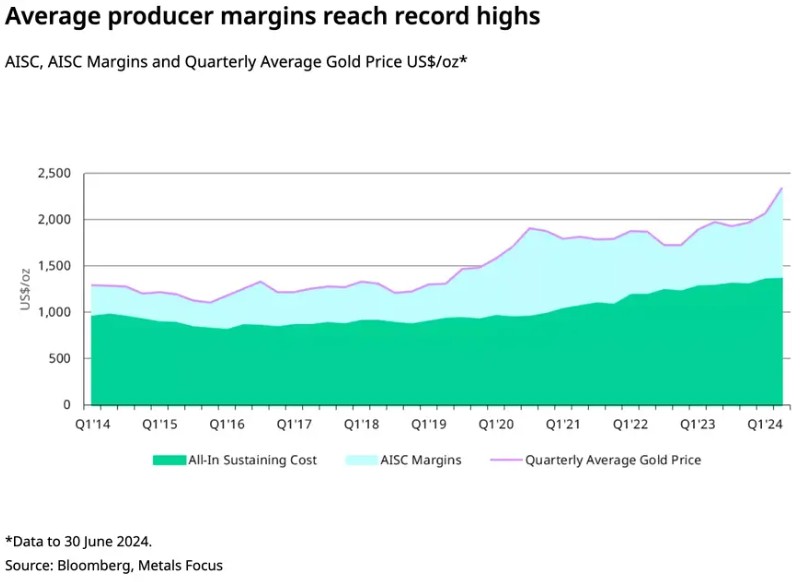
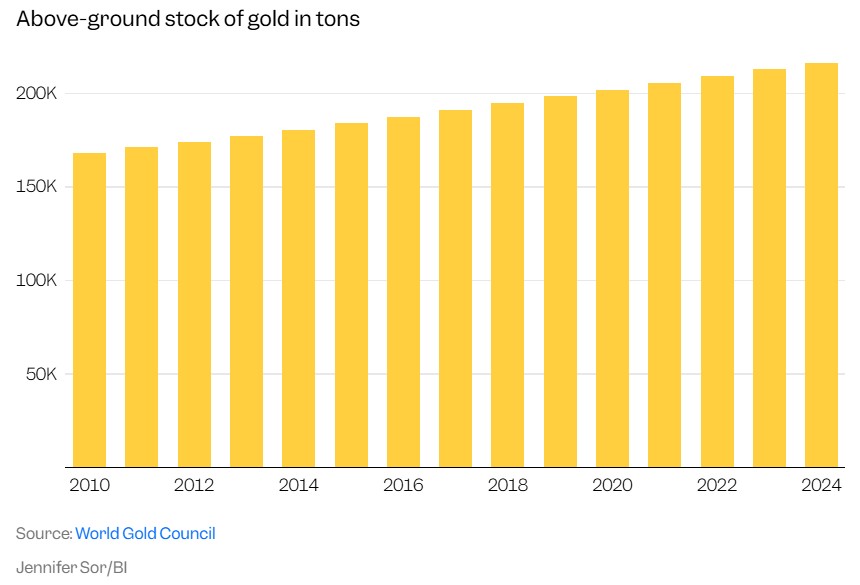
According to data from the World Gold Council, gold mining has become increasingly profitable in recent years. In the second quarter of 2024, the average profit margin for gold miners reached $950 per ounce, marking the most profitable mining period since 2012. According to the Council's analysis, the above-ground gold stock is expected to increase to 216,265 tons in 2024, a 9% increase over five years.
Mills added that more gold is expected to be recycled in the coming years, which will also increase supply.
Mills said, "Everyone and their dog wants to open a gold mine because it's profitable."
He specifically pointed out that Australia is one of the largest gold producers in the world. "I think you'll see supply increase as a result."
2. Gold demand will decline
So far this year, central banks and investors have been more eager to purchase gold to diversify reserves and hedge against macro uncertainty.
In 2024, global central banks net purchased 1,045 tons of gold, marking the third consecutive year that purchases exceeded 1,000 tons At the same time, gold funds have been the most popular among investors for many years. According to data from the World Gold Council, funds flowing into regional gold ETFs reached $9.4 billion in February, the highest in nearly three years.
However, there are signs that global demand for gold is beginning to weaken. In a survey conducted by the World Gold Council last year, 71% of central banks indicated that they expect their gold holdings to remain unchanged or decrease in the next 12 months.
Mills stated that given that concerns about the economy are often short-term factors affecting gold prices, investor appetite may also decline. He mentioned the brief surge in gold prices in 2020 when the pandemic heightened unprecedented concerns about the economy. However, prices quickly fell afterward, only recovering to previous peaks by the end of 2023.
"You need to be careful not to extrapolate all these bullish factors onto gold," Mills said regarding the record-high gold prices. "If you look at gold prices over the past 25 or 30 years, you'll see that it has risen a lot and then fallen back some."
He added, "In terms of demand, you now have all these positive sources of demand, but I'm not so sure these sources will exist in the long term."
3. Signs Indicate a Peak is Approaching
Mills said that activity in the gold industry is following a familiar pattern that historically indicates prices are nearing a peak.
First, merger and acquisition activity is booming, which is often the case at market peaks. According to data from S&P Global Market Intelligence, transaction volume in the gold industry in 2024 has risen by 32% year-on-year.
Mills noted that recently, gold-based funds have also surged, which has occurred in previous peak periods.
"In short, all these things are pushing up gold prices," Mills told Business Insider. "I think you have to be cautious not to project the current spot price into forever or the long term."
Many Wall Street forecasters expect gold prices to continue rising in the near term. This week, Bank of America raised its gold forecast for the next two years to $3,500 per ounce, assuming a 10% increase in investment in gold.
Goldman Sachs also raised its forecast, predicting that gold could rise to $3,300 by the end of this year
