vivo enters the 618 sales with a "fruit-flavored" mid-range phone

The small-screen phone is introduced into the mid-range series for the first time
Author | Huang Yu
Editor | Liu Baodan
During the window period of the national subsidy for mobile phones, this year's 618 shopping festival is bound to witness a fiercely competitive smartphone market. To succeed at this important promotional juncture, "price-cutting brawls" are no longer a good strategy; major smartphone manufacturers must put more effort into product strength.
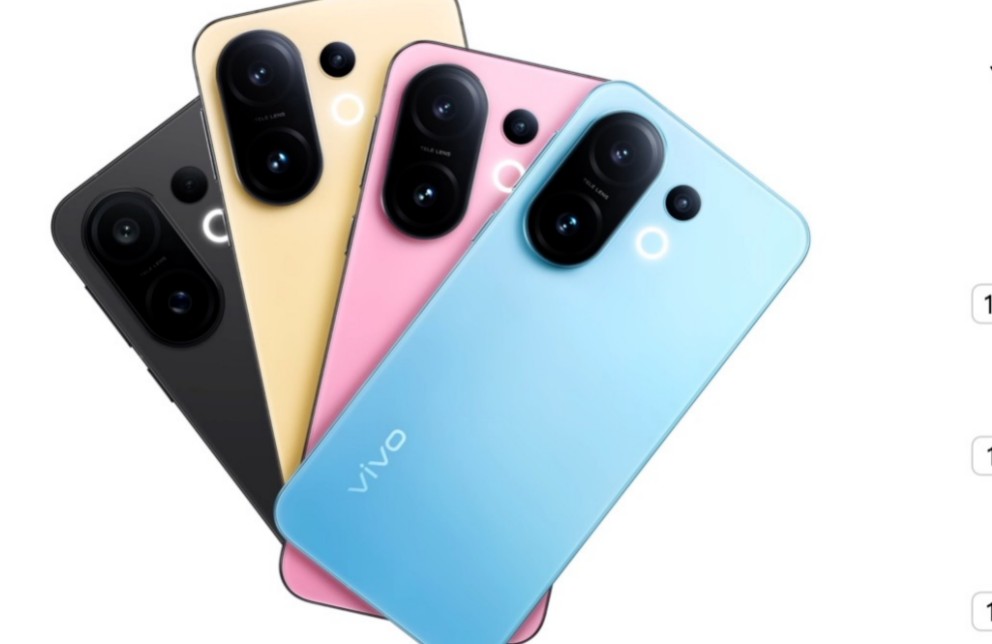
On May 29, vivo launched the new vivo S30 series. As an important support for vivo's sales, the mid-range S series has made significant adjustments this time, retaining the basic version vivo S30 while introducing a brand new small-screen phone, the vivo S30 Pro mini.
In recent years, small-screen phones have been favored by some consumers due to their high aesthetic appeal and comfortable grip. Last October, as vivo's high-end flagship phone, the vivo X200 series also introduced a small-screen version, the vivo X200 Pro mini, for the first time, priced above 4000 yuan like most small-screen phones on the market.
To attract more consumers who prefer small screens, vivo has for the first time brought small-screen phones into the mid-range series, "full of fruity flavor."
In terms of pricing, the vivo S30 Pro mini is priced from 3499 yuan, which is 100 yuan more expensive than the starting price of the vivo S20 Pro last year, but will drop to 2999 yuan after the national subsidy, making it a highly attractive price. The vivo S30 is priced from 2699 yuan, which is 100 yuan more than the same memory S20, but can go as low as 2294 yuan after the national subsidy.
It is reported that the vivo S30 Pro mini features the same 6.31-inch small screen as the X200 Pro mini, and is equipped with a 6500mAh Blue Ocean battery to achieve "mini size, Pro endurance"; in addition, it is equipped with a flagship-level periscope telephoto lens that is standard across the series, and it has also launched the industry's first Hitchcock zoom live feature, allowing users to capture stunning zoom effects with zero threshold.
Moreover, the vivo S30 Pro mini uses a Sony IMX921 bionic large sensor for the main camera and self-developed OIS super stabilization technology. In portrait photography, the S30 Pro mini leverages a high-precision portrait database with tens of millions of entries, employing adaptive bone and skin beauty technology to deliver a clear and textured portrait function, intelligently beautifying skin conditions and detail textures for a more translucent and hydrated complexion.
The all-scenario studio-level portrait function, which received high praise on the S20 Pro, is now supported across the entire S30 series and covers five golden focal lengths: 23mm landscape portrait, 35mm narrative portrait, 50mm classic portrait, 85mm portrait photography, and 100mm close-up portrait.
In terms of phone colors, the vivo S30 series offers the richest color choices in the history of the S series, including five dopamine colors: Cool Berry Pink, Peach Pink, Mint Green, Lemon Yellow, and Cocoa Black, further enhancing the aesthetic appeal of small-screen phones Clearly, in order to capture more mid-range market share during this 618 shopping festival and throughout the year, vivo has put in significant effort.
With the full return of Huawei's smartphone product line, the landscape of China's smartphone market has dramatically changed. Although vivo maintained its position as the number one in the domestic market last year thanks to its clear layout across high, medium, and low price segments, as well as its newly created blue technology matrix, it still faces considerable pressure to hold onto this position this year.
According to IDC data, in 2024, vivo will secure the top spot in annual shipments with a market share of 17.2%. Although Huawei has not returned to the number one position in the domestic market in 2024, it ranks second with a market share of 16.6%, achieving a year-on-year shipment growth of over 50%, the largest increase among leading manufacturers.
In the first quarter of this year, Xiaomi has once again claimed the top position in the Chinese smartphone market after nearly 10 years. According to IDC data, Xiaomi benefited the most from the "national subsidy" policy, showing the largest year-on-year growth among leading manufacturers in the first quarter, with a market share of 18.6%. Huawei, OPPO, and vivo ranked second to fourth, respectively.
However, IDC pointed out that vivo primarily used the "national subsidy" policy in the first quarter to clear channel inventory, with shipment data significantly lower than actual sales data, easing the burden on channels and preparing for the concentrated launch of new products across multiple price segments in the next quarter. Nevertheless, shipments still maintained a year-on-year growth of 2.3%, and it held the top market share in the $200-300 segment.
From the perspective of sales performance, which better reflects market competitiveness, vivo's results in the first quarter of this year are indeed impressive.
According to Counterpoint, in the first quarter of this year, vivo ranked second with a market share of 17% (16.3% in Q4 2024), with its best-selling Y series mid-range models contributing significantly to sales, while also making progress in the high-end market.
IDC's China research manager, Guo Tianxiang, pointed out that the smartphone market will continue to face challenges in 2025, including rising costs, coupled with consumers' cautious attitudes towards the economic outlook, leading to a significant decline in consumer confidence and purchasing power. Against this backdrop, cost-effective products in the price range of 1500-2500 yuan have become the core battleground for competition and investment among smartphone manufacturers this year.
The mid-range market is a comfort zone for vivo and serves as a strategic pivot for its technology penetration, user retention, and high-end leap. Now, with the launch of the new generation S series, it may help vivo maintain more market share