


The tariff effect enters the "data validation period"

In June, the overseas market saw "Goldilocks" trading, while domestic market sentiment improved due to economic recovery. The effects of tariffs gradually became apparent, and how to validate stagflation expectations became the focus. The U.S. market rebounded due to the smooth advancement of the "Inflation Reduction Act" and inflation data coming in lower than expected. The effects of domestic consumption policies became evident, with e-commerce promotions driving consumer demand and manufacturing PMI exceeding expectations. In the future, attention will be paid to inflation risks and "anti-involution" policies
In June, the overseas market saw a resurgence of the "Goldilocks" trade, while domestic market sentiment continued to improve amid a mild economic recovery. As the effects of tariffs gradually become apparent, how will the expectations of stagflation be validated, and how will the main lines of market trading shift? This article analyzes for reference.
I. Macroeconomic Monthly Report: Tariff Effects Entering the "Data Validation Period"
(1) What is the main line of the overseas market in June? The "Goldilocks" trade in the U.S. resurfaces, with temporary disturbances from the Israel-Palestine conflict and tariff issues
Since June, the "Goldilocks" trade has once again become the main line in the overseas market. There are three reasons: 1) The "Inflation Reduction Act" is progressing smoothly and successfully launched on July 4, alleviating previous market concerns about "obstacles to the act's progress" and "the approaching X-date"; 2) May's inflation data came in below expectations, marginally opening up space for interest rate cuts. 3) The economy is showing mild weakness, but employment data remains resilient.
The Israel-Palestine conflict temporarily raised market concerns, and although the tariff storm has returned, the market's reaction has been relatively muted. 1) The Israel-Palestine conflict caused significant disturbances in the market. After the ceasefire announcement on June 24, the previously surging prices of gold and oil fell in resonance. 2) The impact of tariff adjustments has been relatively subdued; since July 7, the S&P has only fluctuated down by 0.3%, while the dollar rebounded by 0.9%.
(2) What is the focus of the domestic market in June? The effects of consumption policies are continuously being released, and external disturbances are also easing
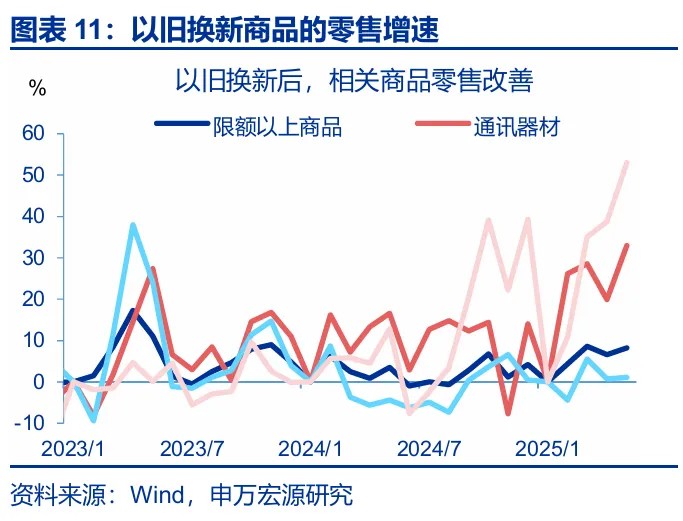
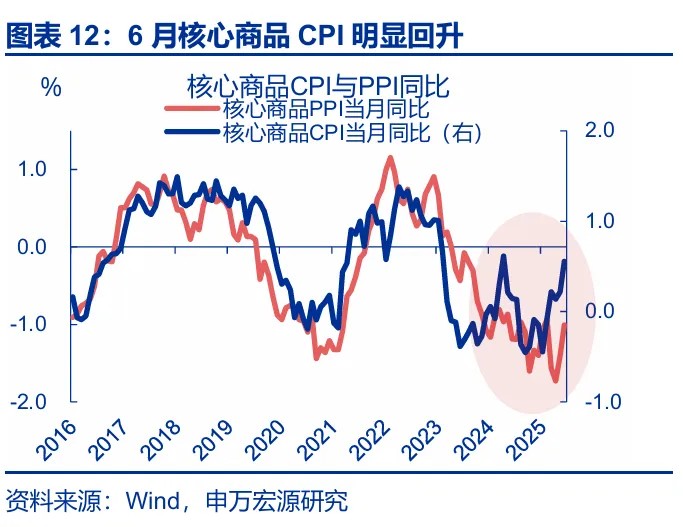
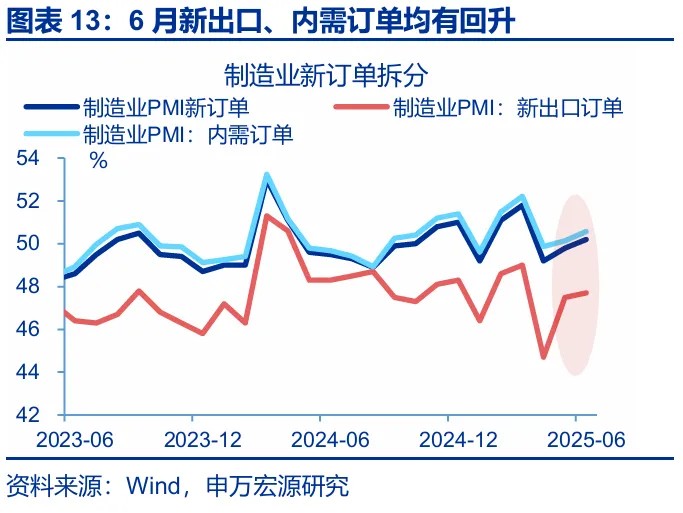
In June, the domestic economy showed signs of mild recovery, with the effects of previous policies continuing to be released. 1) E-commerce promotions and other factors have driven a concentrated release of consumer demand; the growth rate of retail sales in May reached a new high since 2024. 2) The core CPI has significantly rebounded, reflecting the continuous release of domestic demand stimulated by consumption policies. 3) The manufacturing PMI in June exceeded expectations, with domestic orders recovering more quickly structurally.
In addition, the increase in favorable policies and the easing of external disturbances have created a relatively favorable market environment. On one hand, policies such as financial opening-up have further boosted market sentiment. On the other hand, trade negotiations between China and the U.S. are ongoing, with Trump recently raising tariff rates on certain economies but not increasing them against China; meanwhile, under a weak dollar backdrop, the RMB exchange rate has gradually strengthened.
(3) What are the key focuses for macroeconomic attention in July? Overseas attention on potential inflation risks, domestic focus on "anti-involution" policies
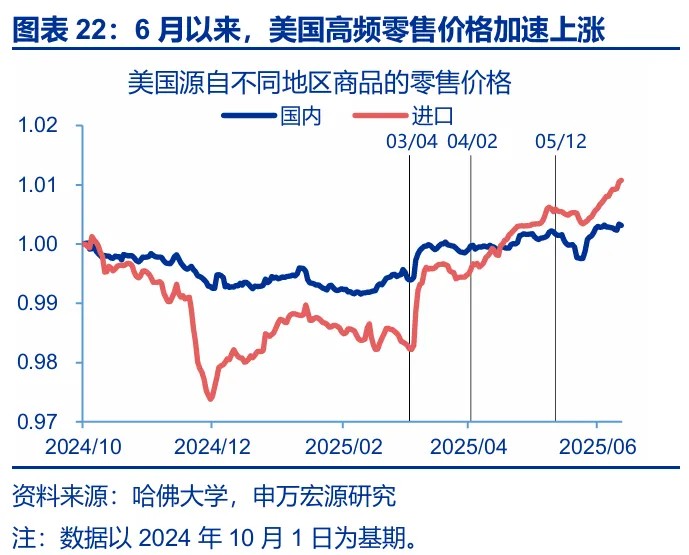
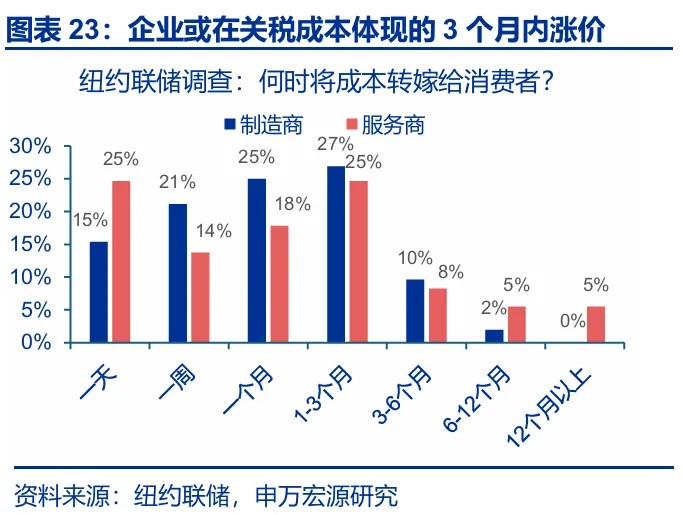
Overseas, U.S. non-farm data has strengthened confidence in a "soft landing" for the economy, shifting focus to the validation of inflation expectations. 1) Since June, U.S. high-frequency retail prices have accelerated; 2) Various Federal Reserve surveys indicate significant upward pressure on U.S. commodity inflation; 3) Most U.S. companies have stated they will raise prices within 1-3 months after tariff cost pressures become apparent.
Domestically, anti-involution may still be a core focus; policies may aim to regulate total supply and demand while combining with industrial structural transformation and upgrading. 1) At the total level, breaking the "involution" dilemma may focus on alleviating supply-demand contradictions. 2) Structurally, it may mainly promote supply innovation and upgrading through policy guidance and industry self-discipline Economic data, focusing on the relay of service industry prosperity and the verification of export data.
Report Body
In June, the overseas market saw a resurgence of the "Goldilocks" trade, and domestic market sentiment continued to improve amid a mild economic recovery. As the effects of tariffs gradually become apparent, how will the expectations of stagflation be verified, and how will the main line of market trading shift?
1. What is the main line of the overseas market in June? The "Goldilocks" trade in the U.S. resurfaces, with temporary disturbances from Israel-Palestine and tariff issues.
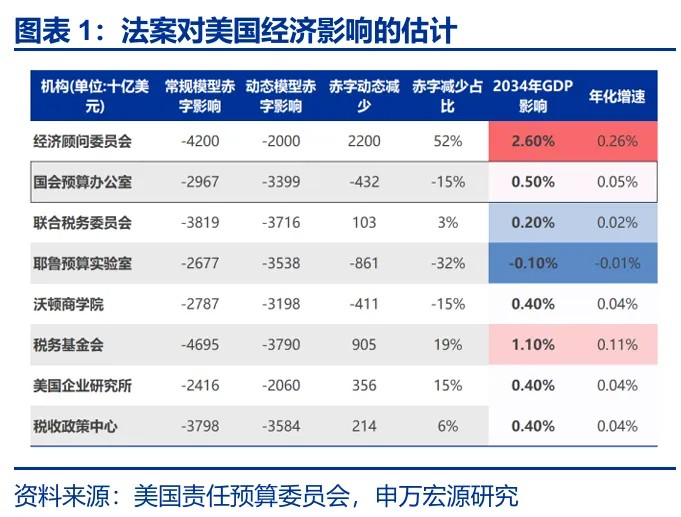
Since June, the "Goldilocks" trade has once again become the main line of the overseas market. The recent resurgence of the "Goldilocks" trade can be attributed to three main reasons: 1) The smooth advancement of the "Inflation Reduction Act," which successfully landed on July 4, alleviating market concerns about "obstacles to the bill's progress" and "the approaching X-date"; the bill is expected to boost U.S. GDP by 0.1% annually, with a low impact on inflation. 2) The inflation data for May was lower than expected. The core CPI in the U.S. for May increased by 0.1%, below the market expectation of 0.3%; earlier market concerns about the inflation effects of tariffs manifesting in May did not materialize as expected, leading to a rise in market interest rate cut expectations. 3) The economy is showing mild weakness, but employment data remains resilient. The U.S. non-farm payroll data for May exceeded expectations, and the unemployment rate fell to 4.1%, easing market concerns about the economy.
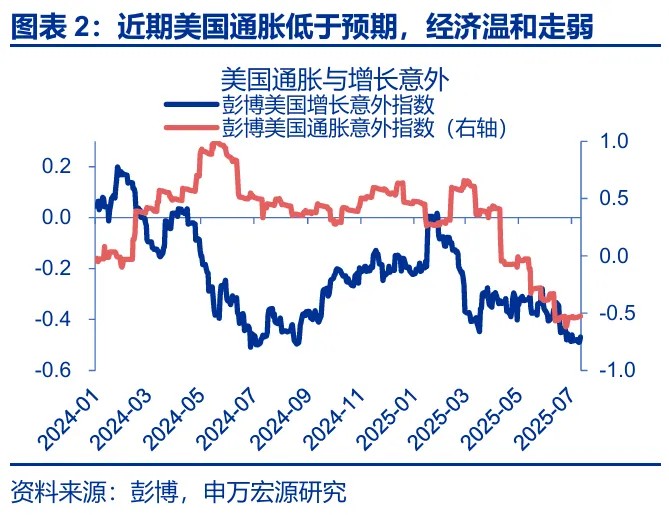
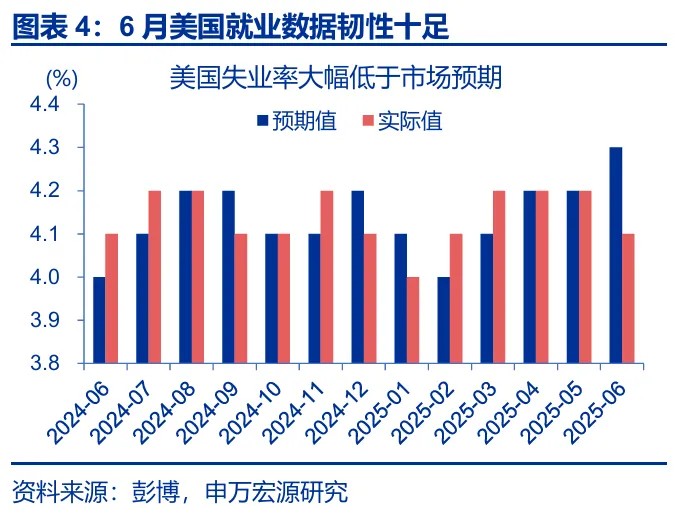
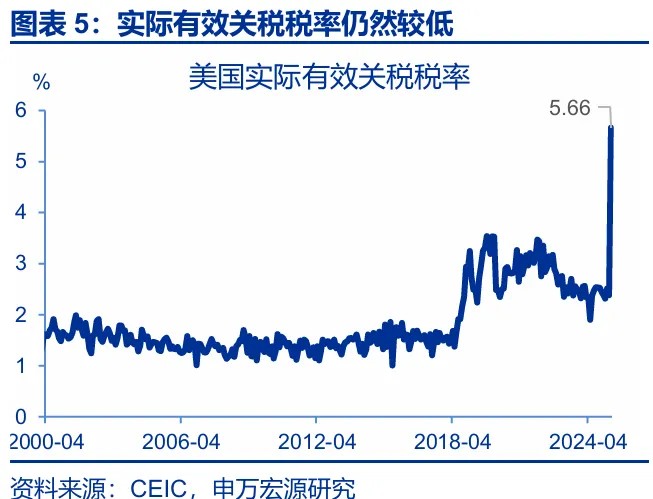
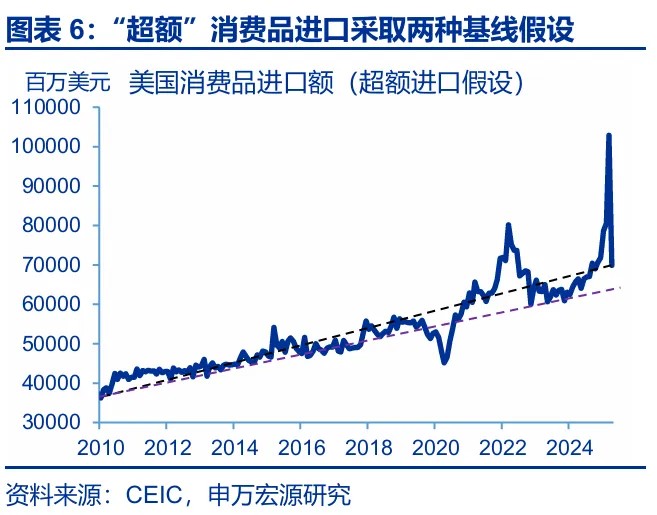
However, while the overall U.S. economic data is positive, it cannot hide structural concerns, and the economic effects of tariffs may be "delayed but inevitable." On one hand, the low inflation expectations are mainly due to two factors: 1) The actual progress of tariff implementation is slow, with the U.S. only at 5.7% in April, below the theoretical average tariff rate after the tariff reduction on May 12; 2) Previous excessive inventory accumulation has allowed U.S. companies to rely on "cheap" existing inventory and "rushed imports" of consumer goods, enabling them to postpone price increases. However, these factors only "defer" the effects of tariffs rather than eliminate them. On the other hand, the factors contributing to the better-than-expected employment data come from government sectors, accounting for half of the overall new jobs in June; meanwhile, private sector employment and average hourly wage growth are both below market expectations, and the "flow" data of the unemployment rate also indicates that the "demand side" of the U.S. job market is weakening.
 !
!
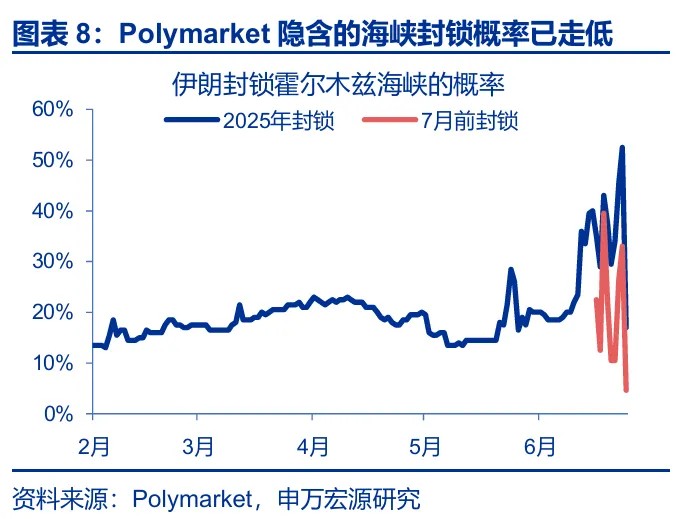
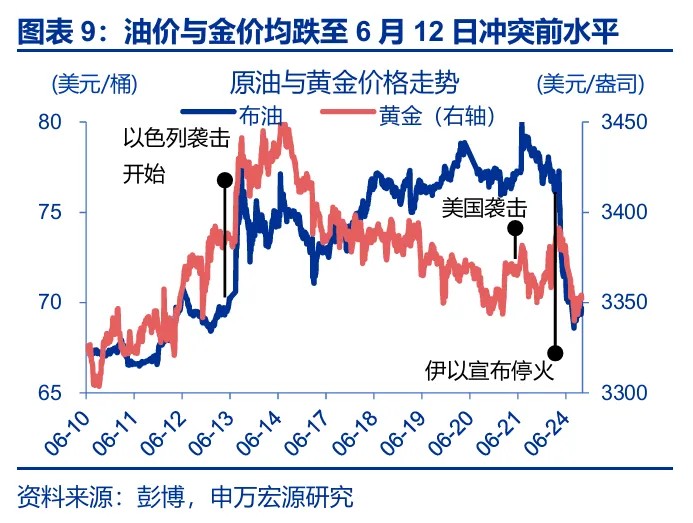
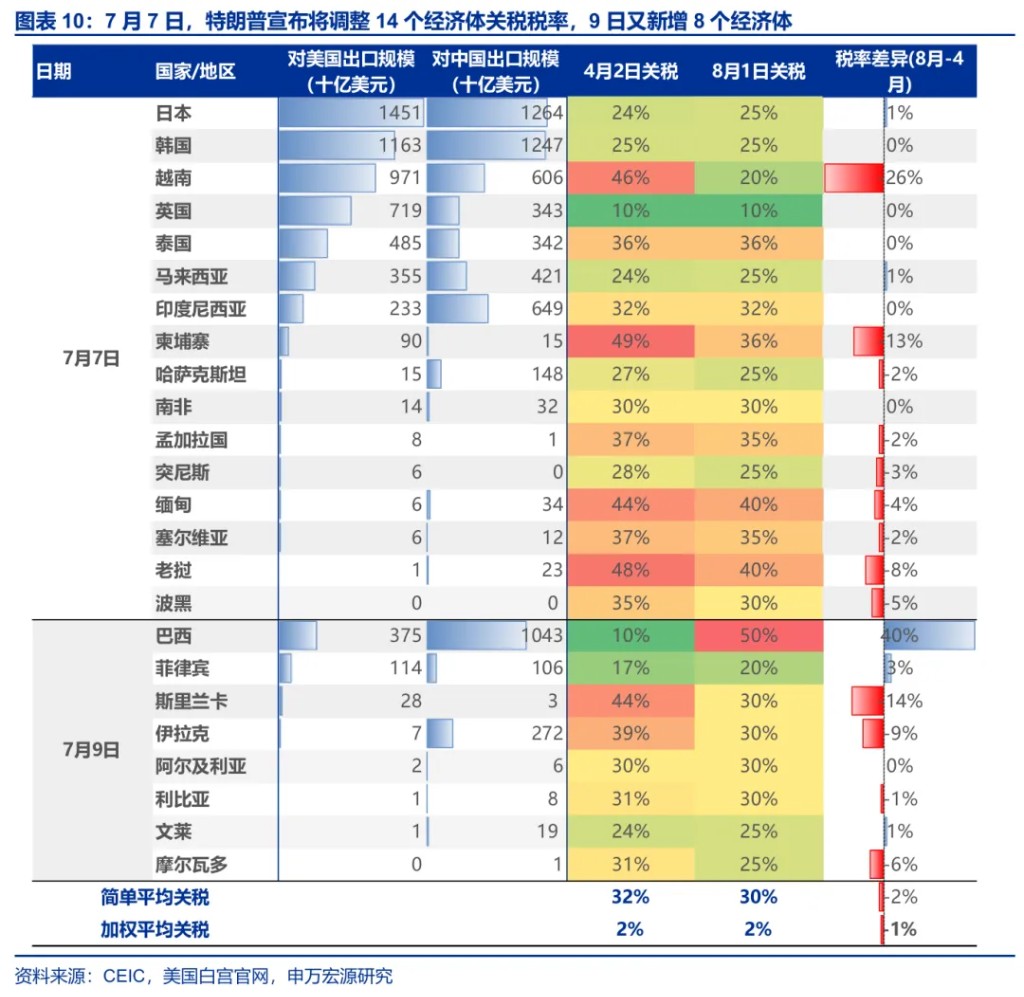
In addition, the conflict between Israel and Iran once triggered phased concerns in the market. Although the tariff storm has struck again, the market's reaction has been relatively muted. 1) The Israel-Iran conflict once had a significant disturbance on the market. The implied probability of Iran blocking the Strait of Hormuz before July 2025 reached 33% and 53% on June 23, but after the ceasefire announcement on June 24, it fell back to 5% and 17%; the previously surging prices of gold and oil have both declined to the levels before the outbreak of the Israel-Iran conflict on June 12. 2) The impact of tariff adjustments has been relatively mild. On July 7, the United States announced an increase in tariffs on 14 countries, with the effective date postponed to August 1, possibly intending to pressure negotiating parties. However, since July 7, the S&P 500 has only fluctuated down by 0.3%, while the dollar exchange rate has rebounded by 0.9%.
II. Focus of the domestic market in June? The effects of consumption policies are continuously being released, and external disturbances are also easing.
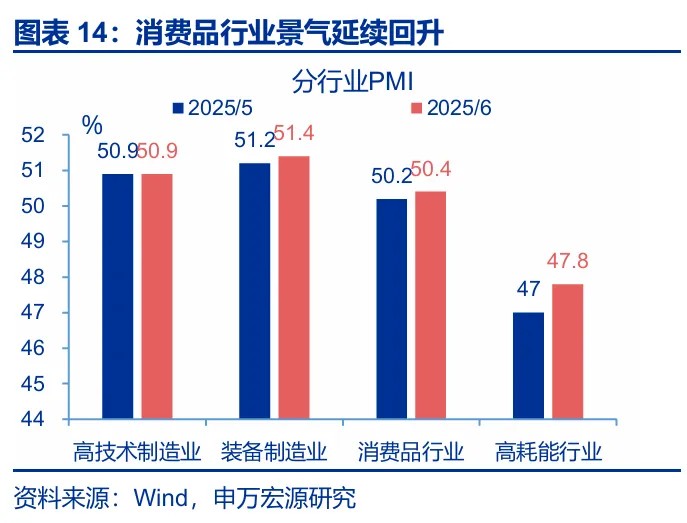
In June, the domestic economy showed a mild recovery trend, and the effects of policies are continuously being released. 1) The advance of e-commerce promotions and the increase in holidays (2 days more than last year) have driven the concentrated release of consumer demand; the growth rate of social retail sales in May reached a new high since 2024. 2) The core commodity CPI has significantly rebounded, reflecting the continuous release of domestic demand stimulated by consumption policies. In June, the core commodity CPI rebounded by 0.3 percentage points year-on-year to 0.6%; structurally, the prices of cultural and entertainment durable goods, household textiles, and household appliances increased by 2.0%, 2.0%, and 1.0% year-on-year, respectively, which may be the result of the effects of consumption policies. 3) The manufacturing PMI in June exceeded expectations, and structurally, it continued to show that the recovery of domestic orders was better than new export orders. The domestic demand index rose by 0.4 percentage points to 50.6%, with the increase exceeding that of new export orders.
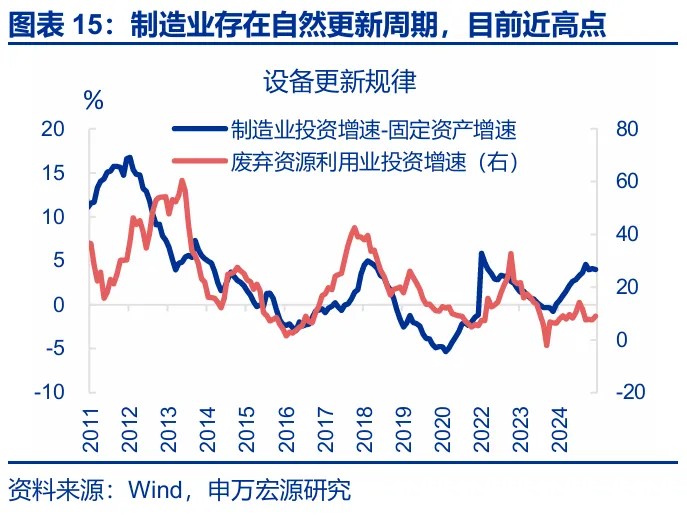
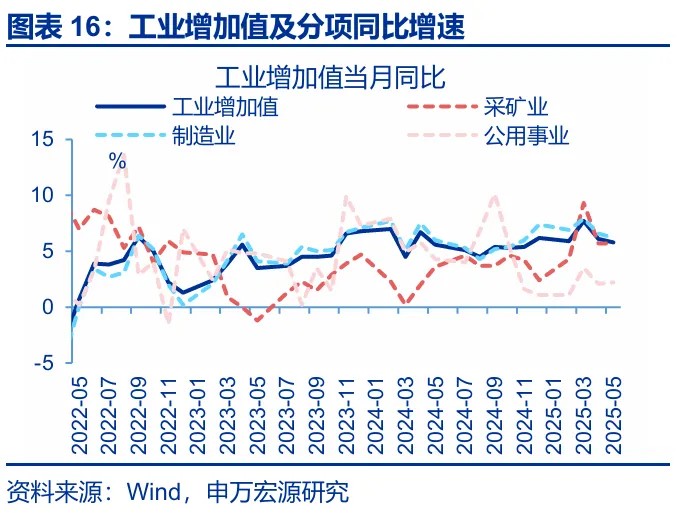
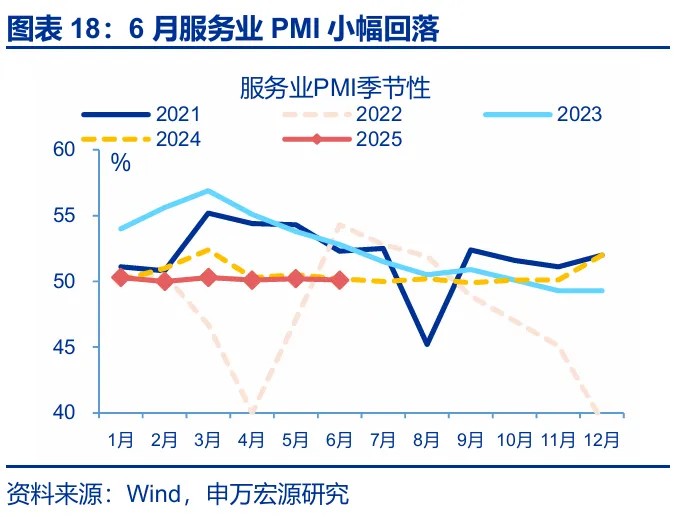
Structurally, the manufacturing sector may weaken, while the service sector remains strong. 1) The cycle of equipment renewal is gradually entering a downturn phase. In May, fixed investment fell by 0.7 percentage points year-on-year to 2.8%. In terms of structure, equipment purchases in May decreased by 1.9 percentage points to 14.8%, and the growth rate of manufacturing investment fell by 0.4 percentage points to 7.7%. 2) The marginal production of the export chain is weakening. In May, the midstream production of industrial added value was mainly dragged down by the decline in exports, with significant production declines in transportation equipment (-3% to 14.6%), electrical machinery (-2.4% to 11%), and textiles (-2.3% to 0.6%). 3) Corporate expectations have significantly weakened, with the corporate expectation index falling to the lowest level in 2023 (52%) in June. Although the service sector PMI has slightly declined, this is more due to the fading holiday effect, with a downturn in the vitality of the service industry.
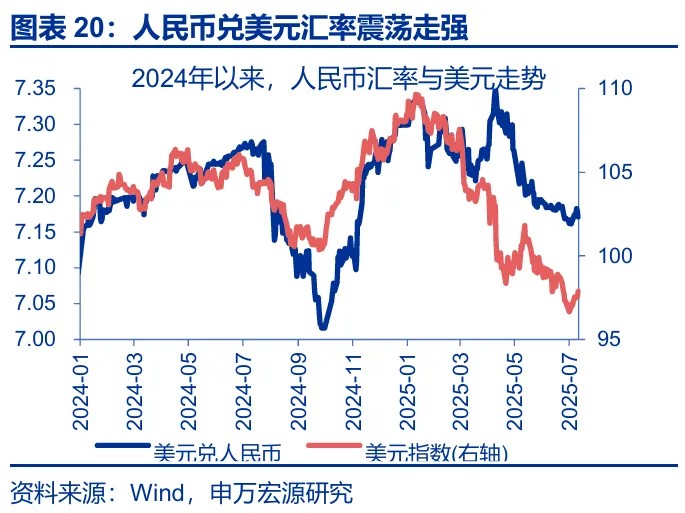
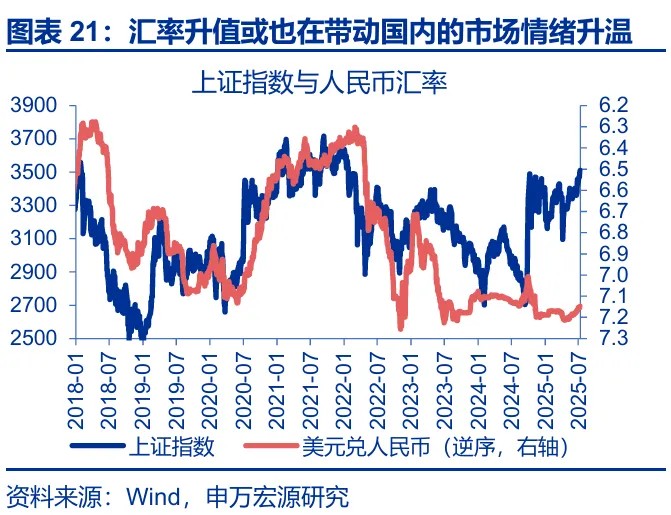
The continued increase in policy benefits and the easing of external disturbances have also created a relatively favorable market environment. On one hand, policies such as financial opening-up have further boosted market sentiment. On June 18, Li Yunze, head of the National Financial Supervision and Administration Bureau, delivered a keynote speech at the 2025 Lujiazui Forum, stating that open cooperation is a strong driving force for China's financial reform and development. On the other hand, since June, trade negotiations between China and the United States have continued, with Trump recently raising tariff rates on major economies with which the U.S. has a trade deficit, but no further escalation of tariff policies against China; at the same time, against the backdrop of a weak dollar, the RMB exchange rate is gradually strengthening.

III. Key Focus of Macroeconomics in July? Overseas Attention on Potential Inflation Risks, Domestic Focus on "Anti-Overwork" Policy Guidance
Overseas inflation pressure may emerge first, leading to a phase delay in interest rate cut expectations. Previous tariff imposition delays and companies "rushing to import" such "temporary" factors have hindered the transmission of tariffs to inflation. Looking ahead to the second half of the year, multiple pieces of evidence point to U.S. inflation gradually entering an upward range. 1) Since June, there have been signs of accelerated increases in U.S. high-frequency retail prices; 2) Various Federal Reserve surveys indicate that the manufacturing price index points to significant upward pressure on U.S. goods inflation. 3) According to a New York Fed survey, most U.S. companies indicated they would raise prices within 1-3 months after tariff cost pressures become apparent. Additionally, trade negotiations among major economies under pressure from Trump before August 1 should also be noted.
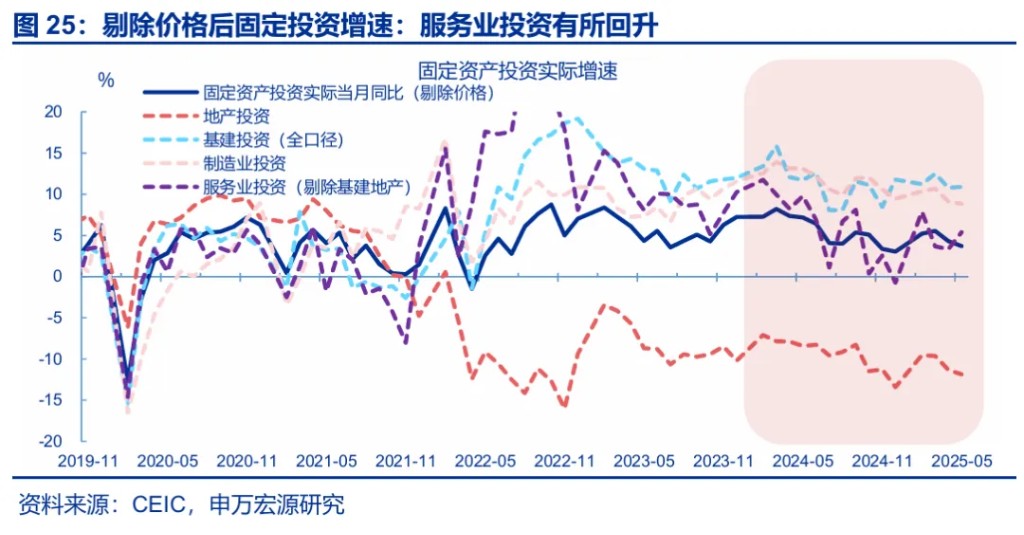
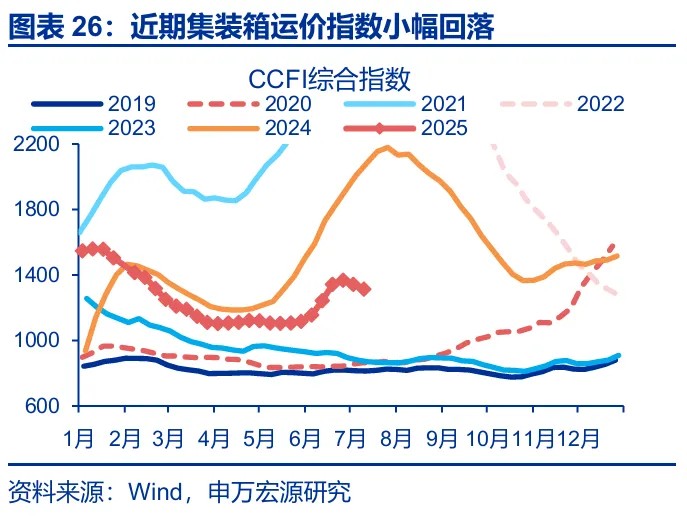
Domestic economy focuses on the relay of service industry prosperity and verification of export data. 1) Currently, service consumption and service industry investment continue to show sustained recovery characteristics, and service exports (inbound tourism, cultural exports) are also accelerating significantly. Since May, 500 billion in service consumption relending and quasi-fiscal tools (policy development financial tools) have also been deployed for service industry investment, with private investment shifting from manufacturing to services, maintaining a positive outlook on the performance of the "three drivers" of the service industry. 2) High-frequency indicators show that in June, foreign trade freight volume decreased year-on-year by 3.8 percentage points to 3.5%, indicating that the intensity of "rushing exports" continues to weaken, and subsequent exports may face some downward pressure.
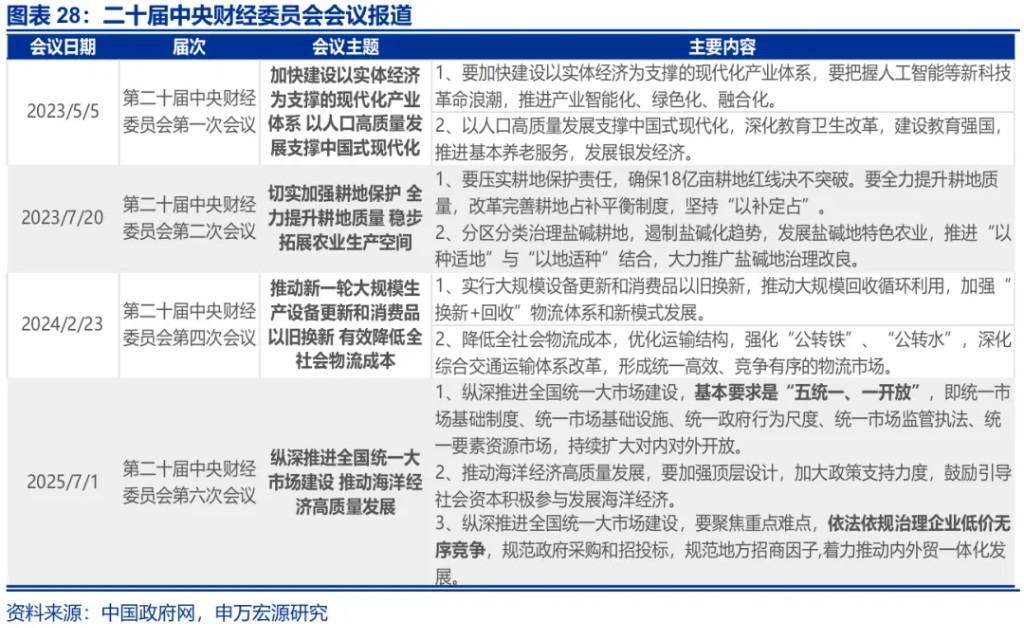
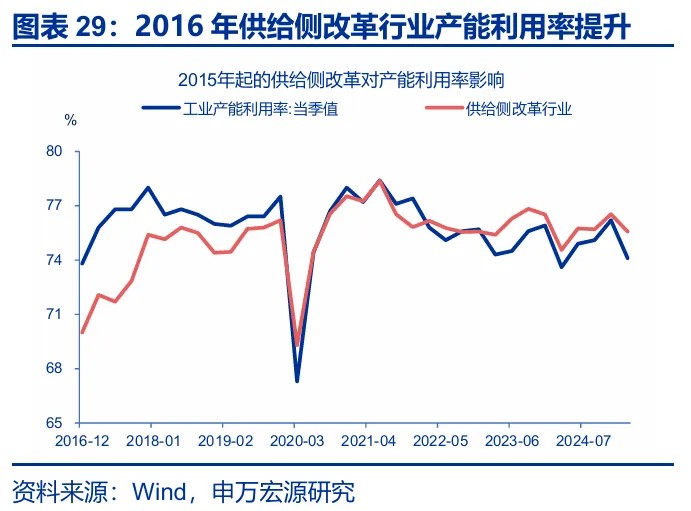
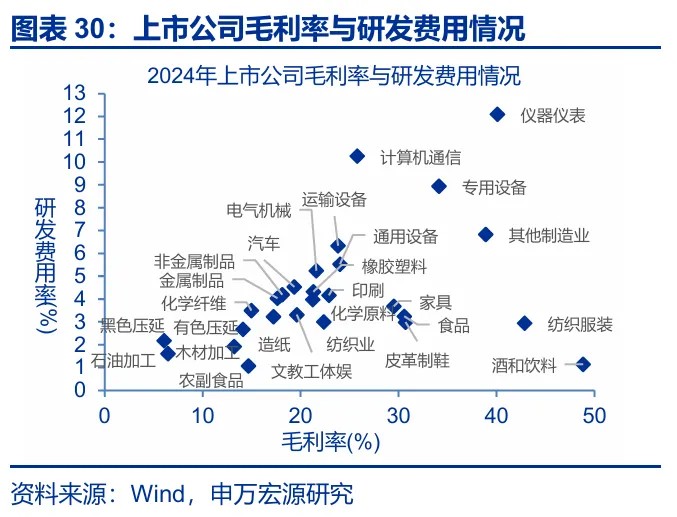
 Domestic policies, anti-involution may still be the core focus; policies may regulate total supply and demand while combining industrial structure transformation and upgrading. On July 1, the sixth meeting of the Central Financial Committee was held, focusing on deepening the construction of a unified national market, providing direction for the policy deployment of "comprehensive rectification of involution competition." Compared to the past, this round of "anti-involution" has a broader coverage, including local governments, enterprises, and residents. 1) At the total level, breaking the "involution" dilemma may focus on alleviating supply and demand contradictions, promoting the orderly elimination of backward production capacity, while reconstructing the expansion momentum of the demand side. 2) In terms of structure, it may mainly promote supply innovation and upgrading through policy guidance, industry self-discipline, and financial resource allocation.
Through research, we found:
1. Since June, "Goldilocks" trading has once again become the main line in overseas markets. There are three reasons: 1) The "Beautiful America Act" is progressing smoothly and successfully landed on July 4, dispelling market concerns about "obstacles to the advancement of the bill" and "the approaching X-date"; 2) May inflation data was lower than expected, marginally opening up space for interest rate cuts. 3) The economy is moderately weakening, but employment data remains resilient. The Israel-Palestine conflict once triggered temporary market concerns, and although the tariff storm has returned, the market's reaction has been relatively calm.
2. In June, the domestic economy showed a mild recovery trend, with the effects of previous policies continuing to be released. 1) E-commerce promotions brought about a concentrated release of consumer demand; the growth rate of retail sales in May reached a new high since 2024. 2) Core CPI of goods rebounded significantly, reflecting the continuous release of domestic demand stimulated by consumption promotion policies. 3) The manufacturing PMI in June exceeded expectations, with domestic demand orders recovering more quickly structurally. In addition, the increase in policy benefits and the easing of external disturbances have also created a relatively favorable market environment.
3. Looking ahead to July, overseas inflation pressures may emerge first, leading to a temporary postponement of interest rate cut expectations. Domestically, anti-involution may still be the core focus; policies may regulate total supply and demand while combining industrial structure transformation and upgrading. 1) At the total level, breaking the "involution" dilemma may focus on alleviating supply and demand contradictions. 2) In terms of structure, it may mainly promote supply innovation and upgrading through policy guidance and industry self-discipline. Economic data will focus on the relay of service industry prosperity and the verification of export data Author of this article: Zhao Wei, Chen Dafei, Source: Shenwan Hongyuan Macro, Original title: "The Tariff Effect Enters the 'Data Verification Period'"
Risk Warning and Disclaimer
The market has risks, and investment requires caution. This article does not constitute personal investment advice and does not take into account the specific investment objectives, financial conditions, or needs of individual users. Users should consider whether any opinions, views, or conclusions in this article are suitable for their specific circumstances. Investment based on this is at one's own risk
