


When the market adjustment reaches 5.89% (latest night session 7.33%), is it panic or opportunity?

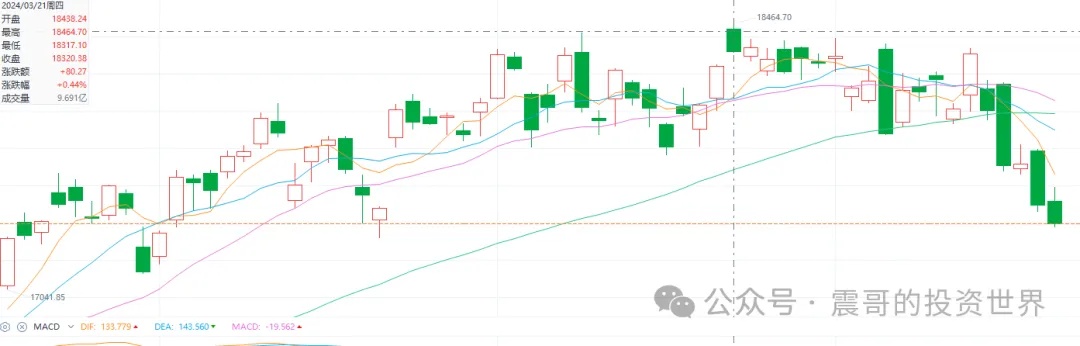
The Nasdaq 100 peaked on March 21st this round, and has been adjusting for 29 natural days, from 18464.7 to 17376.49, with a point adjustment of 1088.21, a decline of 5.89%. (Latest: Israel launched an attack on Iran, and the Nasdaq 100 night session saw a maximum drawdown of 7.33%)
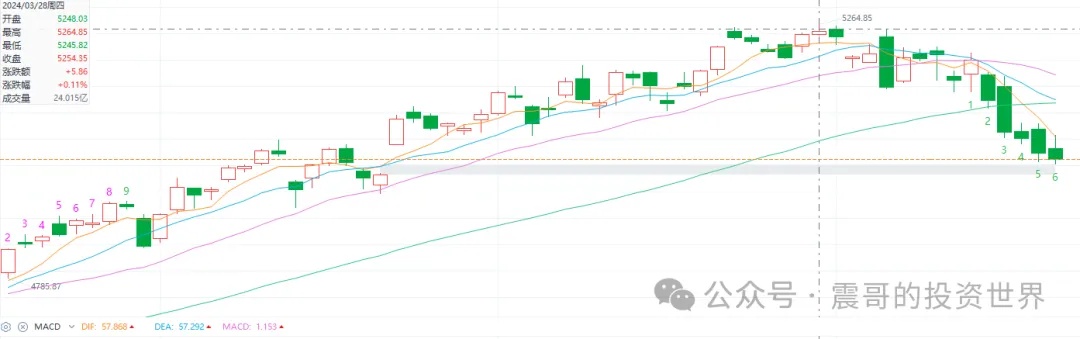
The S&P 500 peaked on March 28th this round, and has been adjusting for 22 natural days, from 5264.85 to 5001.89, with a point adjustment of 262.96, a decline of 4.99%
Individual stocks have seen even larger declines: 10%, 15% or more are common. Is this a time for panic or opportunity?
Historical Adjustments
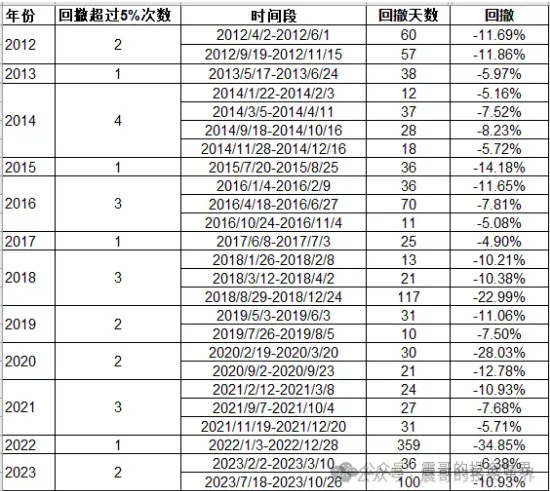
Looking back at history, let’s review the Nasdaq 100 drawdowns from 2012 to 2023 as previously shared by the author:
(1) The years with drawdowns exceeding 20%—2018 and 2022—were during rate-hike cycles, while 2020 was due to the pandemic. This year’s macro environment is one of rate cuts (how many cuts remain uncertain), with corporate earnings rising, ruling out the possibility of a 20% decline.
(2) On average, there are 2 drawdowns exceeding 5%, with a median adjustment period of 30 natural days. The current adjustment has lasted 29 days with a decline of 5.89%.
(3) Comparing the current situation to the most recent adjustment from July 18, 2023, to October 26, 2023:
--July-October 2023: Inflation rebounded in September 2023, the Fed turned hawkish with rate hike expectations, Treasury issuance surged, U.S. bonds were shorted, and yields rose to 5%.
--Now: Inflation has rebounded, rate cut expectations have diminished, Treasury issuance is moderate, and U.S. bond yields have risen to 4.7%.
The current macro environment is much better than in 2023.
Valuation
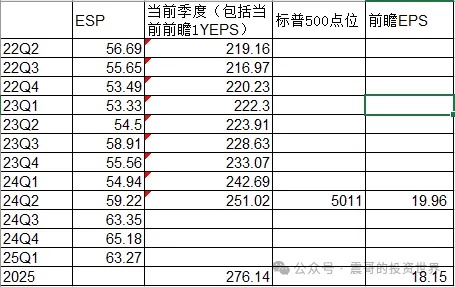
Based on yesterday’s S&P 500 closing level of 5011, the forward 1Y PE is 19.96. With the current earnings growth rate, the forward 1Y PE by the end of 2024 is projected at 18.15x.
The forward PE of 19.96 is on the high side, but the projected forward PE of 18.15 by year-end is below the 5-year average of 19.1. The key lies in future corporate earnings performance
Impact of War
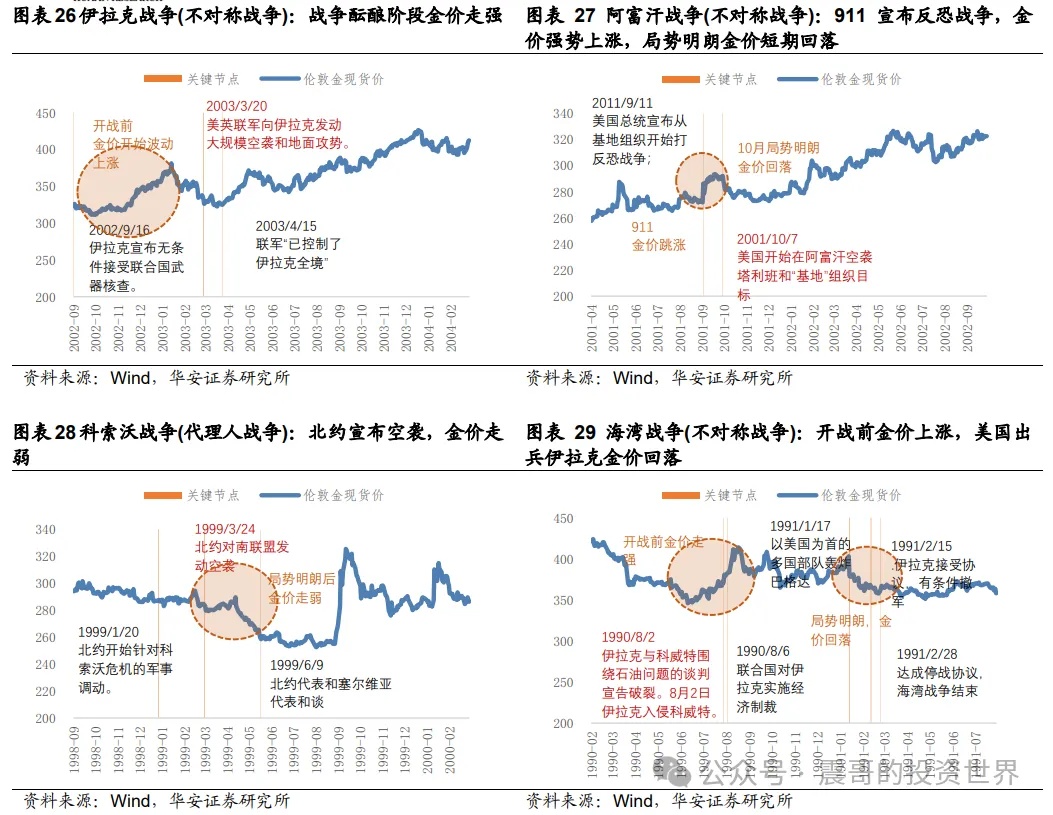
The author has reviewed the recent impact of wars on the U.S.: asymmetric or localized wars have minimal effects on U.S. stocks—short-term impacts may be within 10%, but they do not alter long-term trends.
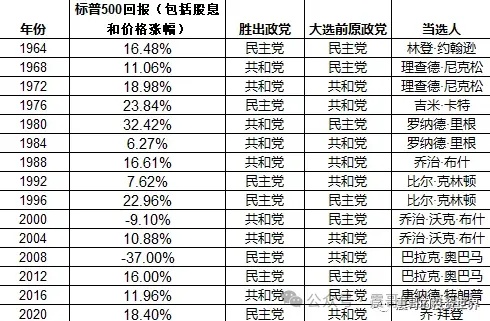
The Bigger Macro Theme This Year: Elections
Stock market performance in election years: From 1964 to 2020, the U.S. has held 15 presidential elections. Looking at the S&P 500’s annual performance in election years, the index recorded 13 gains and 2 losses
Summary
This year’s major macro themes are the election, rate cuts (at least no hikes), and rising corporate earnings, which are favorable for U.S. stocks. At the same time, geopolitical tensions and inflation fluctuations pose negative risks.
Historically, a 5-10% drawdown without major black swan events presents an opportunity.
Risks include corporate earnings growth falling short of expectations, geopolitical tensions escalating beyond imagination, and the 10Y yield continuing to rise from its current high of 4.6%. Also, be wary of heavily inflated stocks experiencing sharp corrections.
With a 5.89% decline already and a forward PE of 18.15 for the S&P 500 by year-end, maintaining a calm mindset is most important!
As the author was writing, Israel launched an attack on Iran, and the Nasdaq 100 night session saw a maximum drawdown of 7.33%.
Risk Disclosure: The views expressed may contain the author’s personal biases or errors. Any mentioned stocks or funds are not buy recommendations; please conduct independent analysis.
$Invesco QQQ Trust(QQQ.US)
The copyright of this article belongs to the original author/organization.
The views expressed herein are solely those of the author and do not reflect the stance of the platform. The content is intended for investment reference purposes only and shall not be considered as investment advice. Please contact us if you have any questions or suggestions regarding the content services provided by the platform.
