


My deepest impression from this year's Beijing Auto Show is that a paradigm shift in the automotive industry is inevitable.
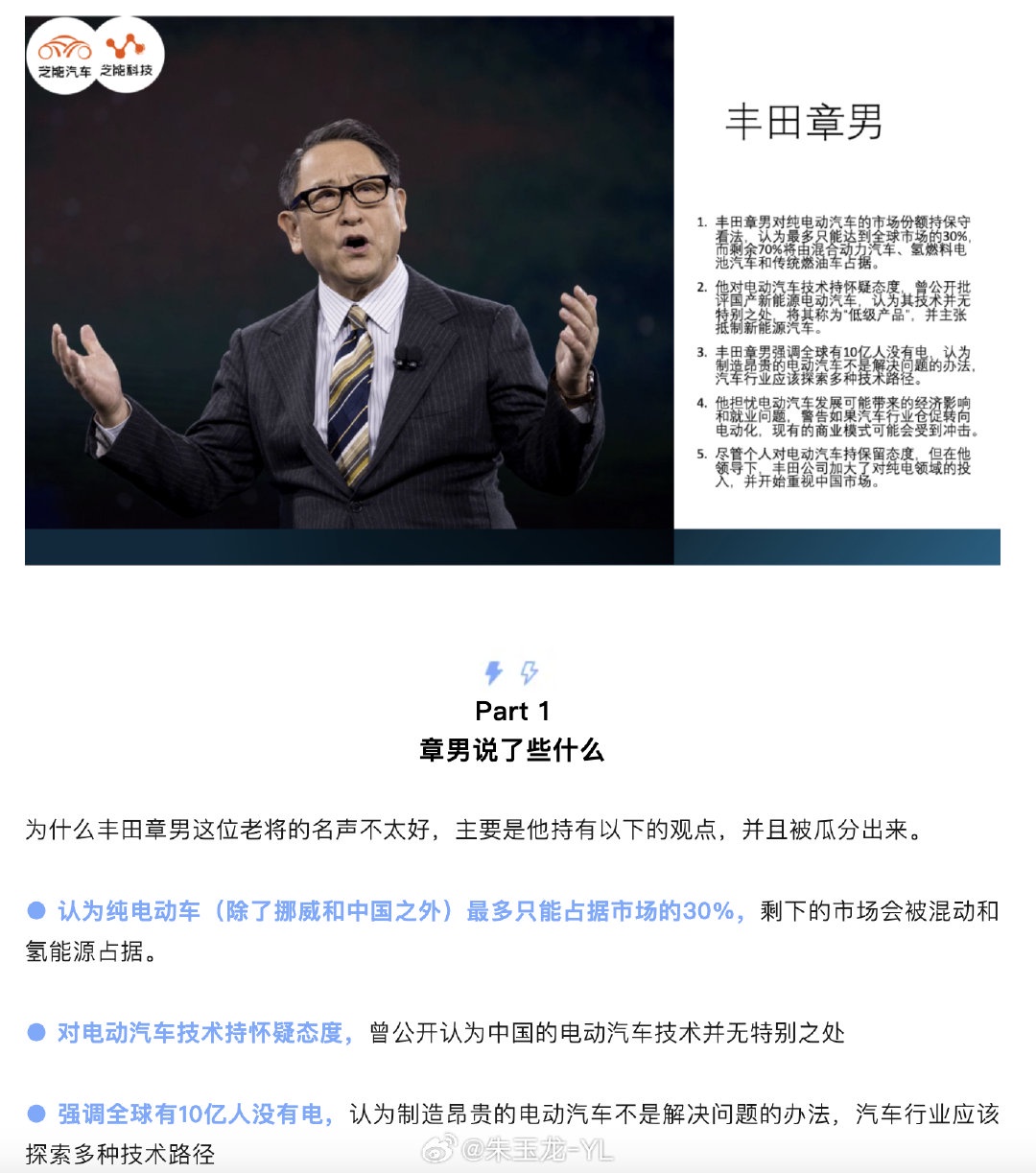
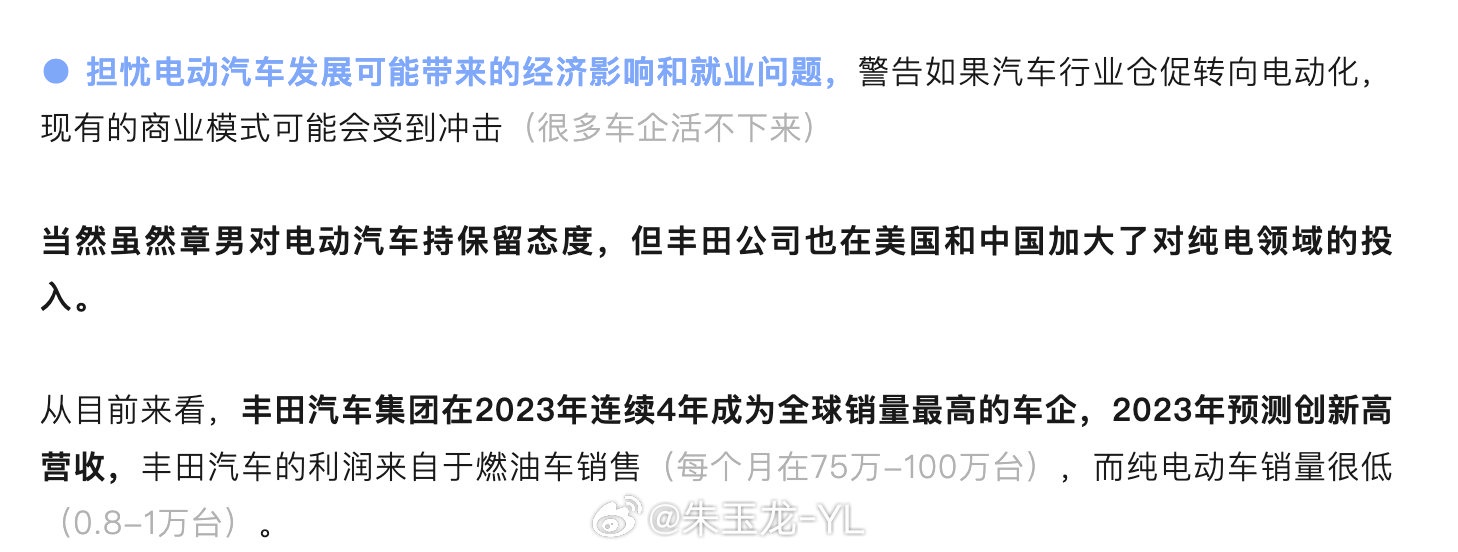
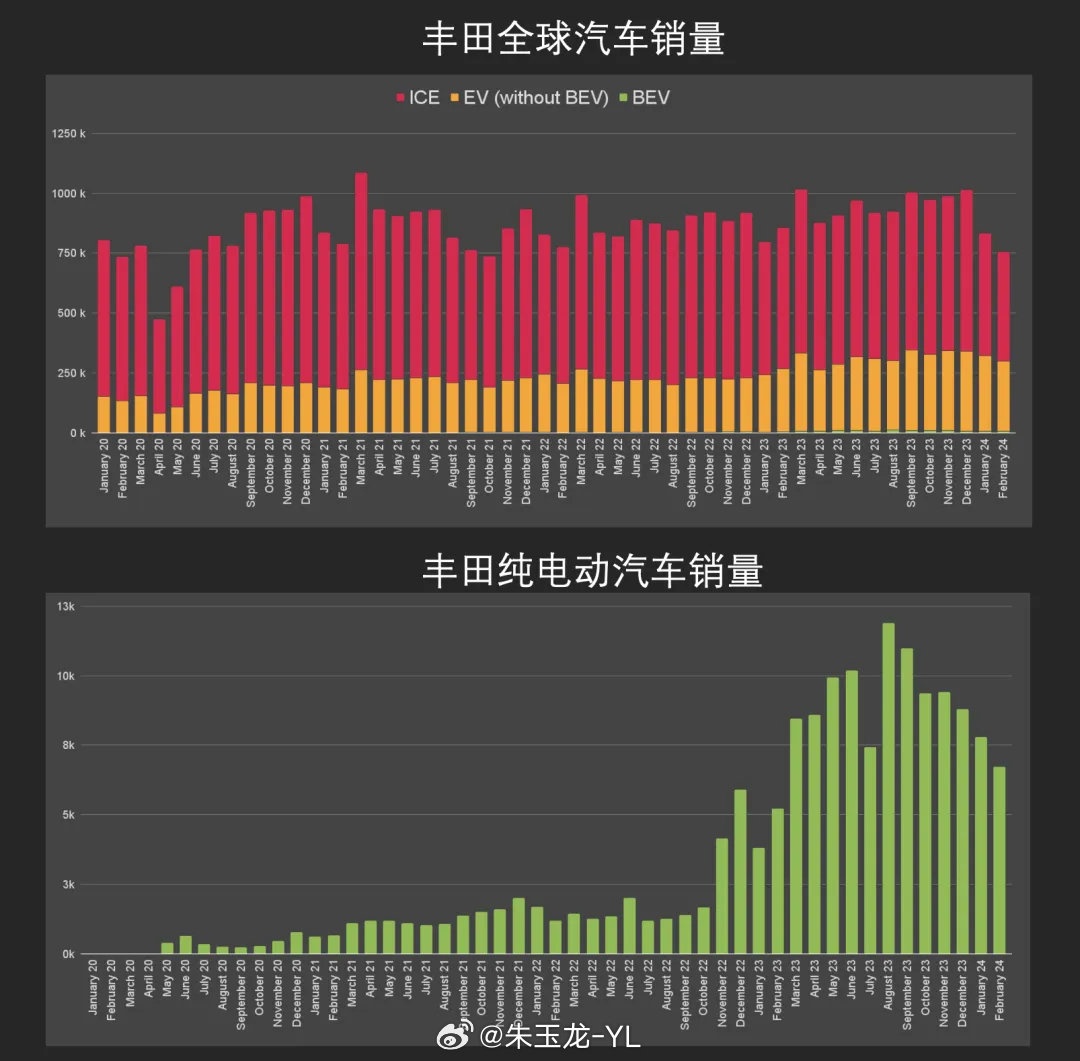
1) For traditional ICE vehicles, the key bottleneck lies in the engine + transmission system. Automakers control these to capture the majority of profits, while other suppliers earn smaller margins based on this foundation.2) BEVs: For pure electric vehicles, the bottleneck shifts to batteries. Automakers without battery capabilities struggle to control gross margins. In other words, as Akio Toyoda observed, the transition from ICE to BEV leaves automakers without clear bottlenecks, making it difficult to distribute profits across the supply chain as before.3) Smartization: The smart vehicle bottleneck originally centered on software + chips. With increased investment in autonomous driving this year, computing power has become the core resource. This makes it even harder for traditional automakers to establish strategic control points.After China's thorough exploration of these paradigms, the core value proposition for automakers becomes clear: without strategic bottlenecks or market positioning, they can only rely on prolonged timelines to complete their transformation.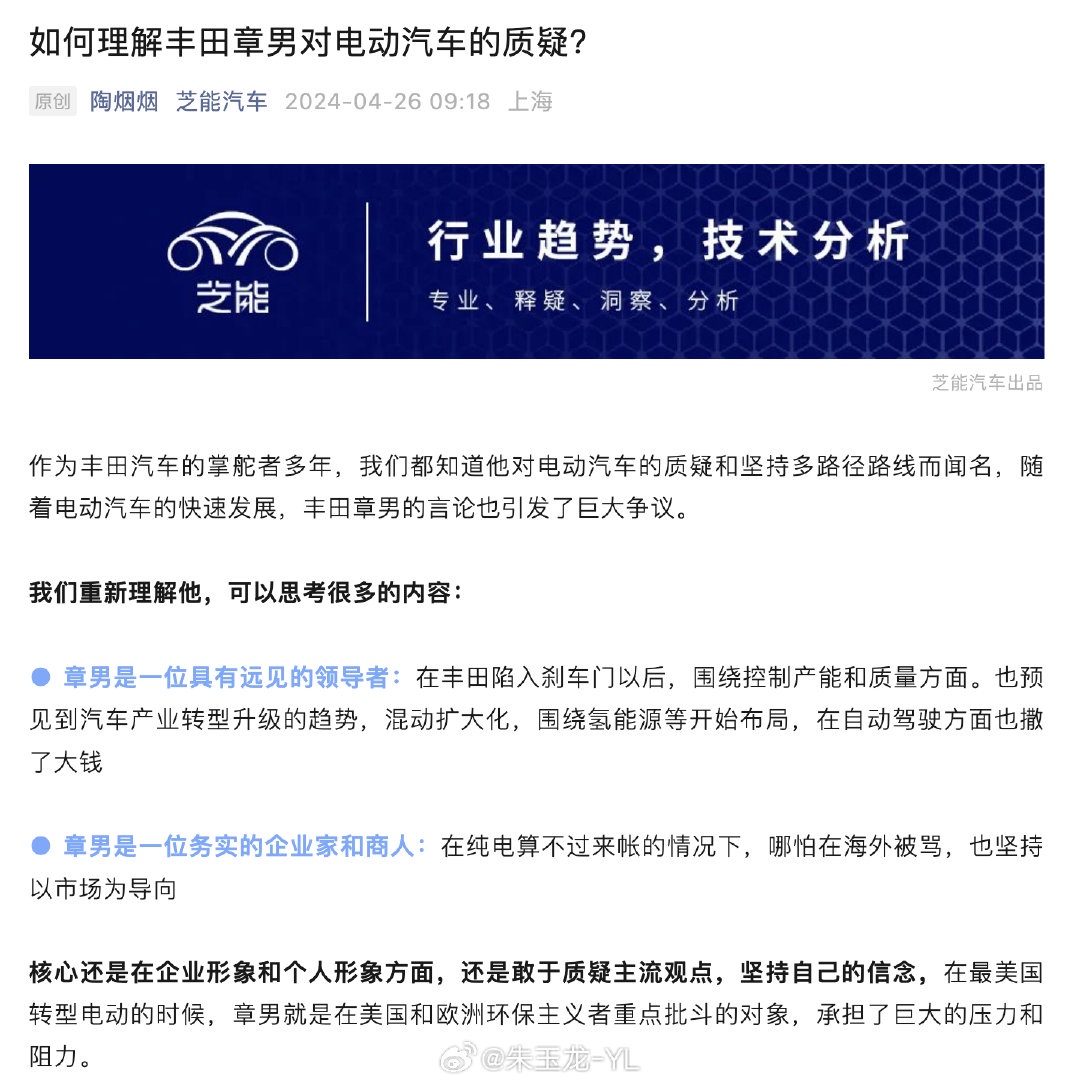
The copyright of this article belongs to the original author/organization.
The views expressed herein are solely those of the author and do not reflect the stance of the platform. The content is intended for investment reference purposes only and shall not be considered as investment advice. Please contact us if you have any questions or suggestions regarding the content services provided by the platform.
Post your comment

No Comments