


 Posts
PostsMATR1X 'Apollo Project': $100,000 weapon skins and esports, Web3 games advance towards 'mass entertainment'

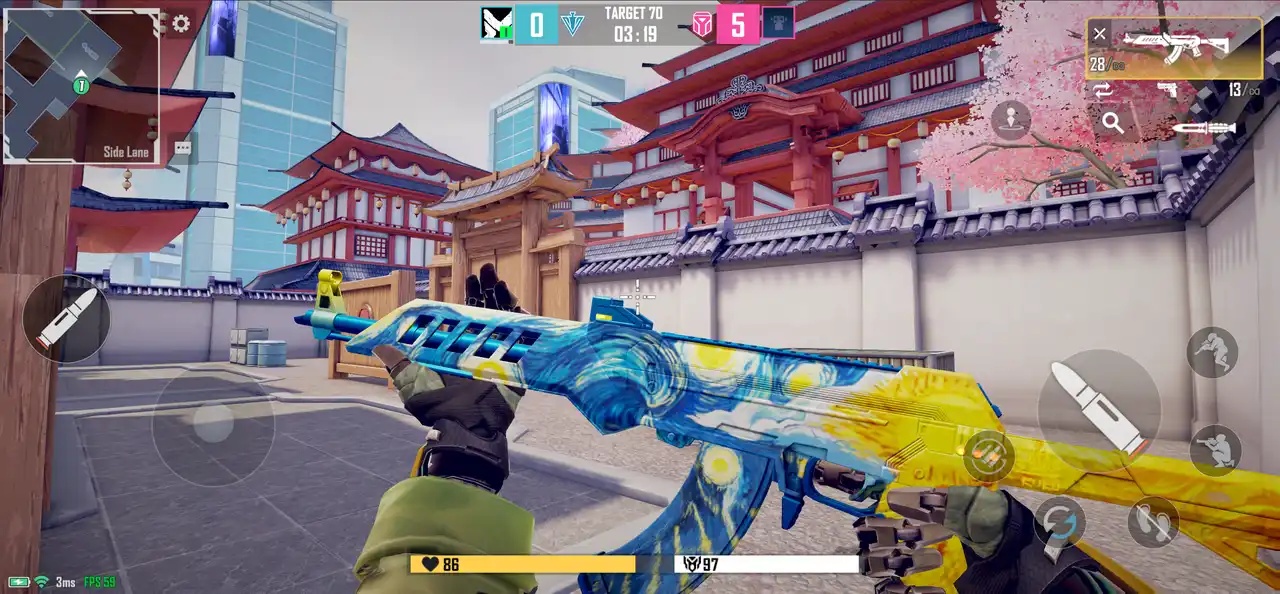
If you are a fan of Web3 games, you must be familiar with the FPS mobile game MATR1X FIRE. If you haven't heard of it yet, don't worry, take a look at the image below—this is MATR1X FIRE.
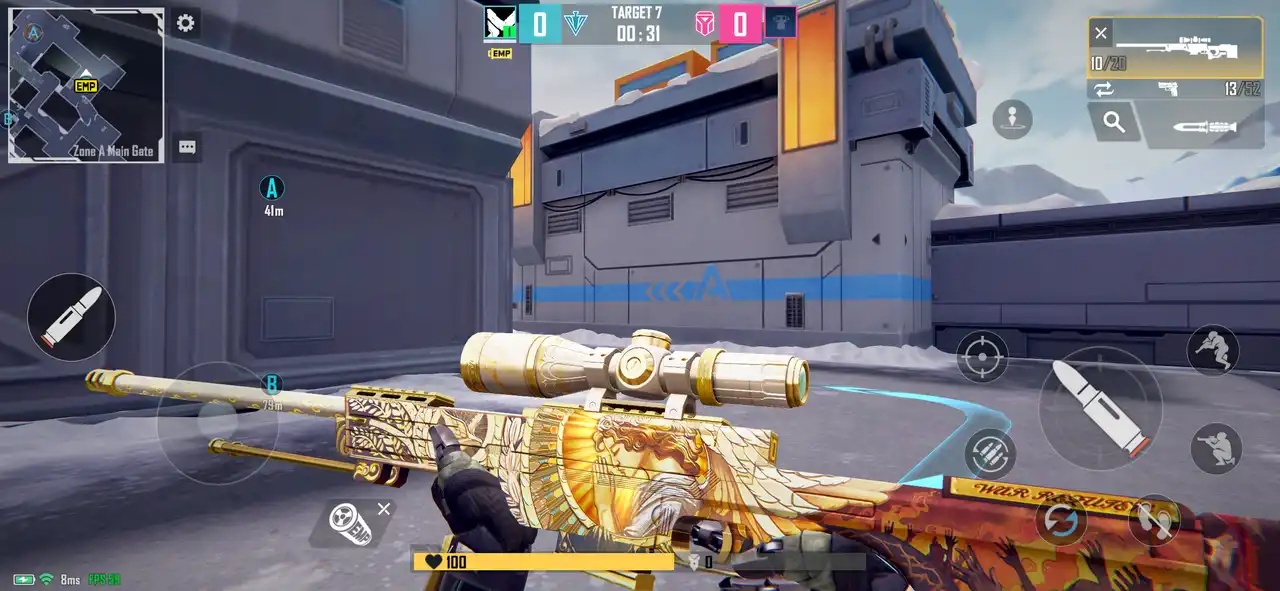
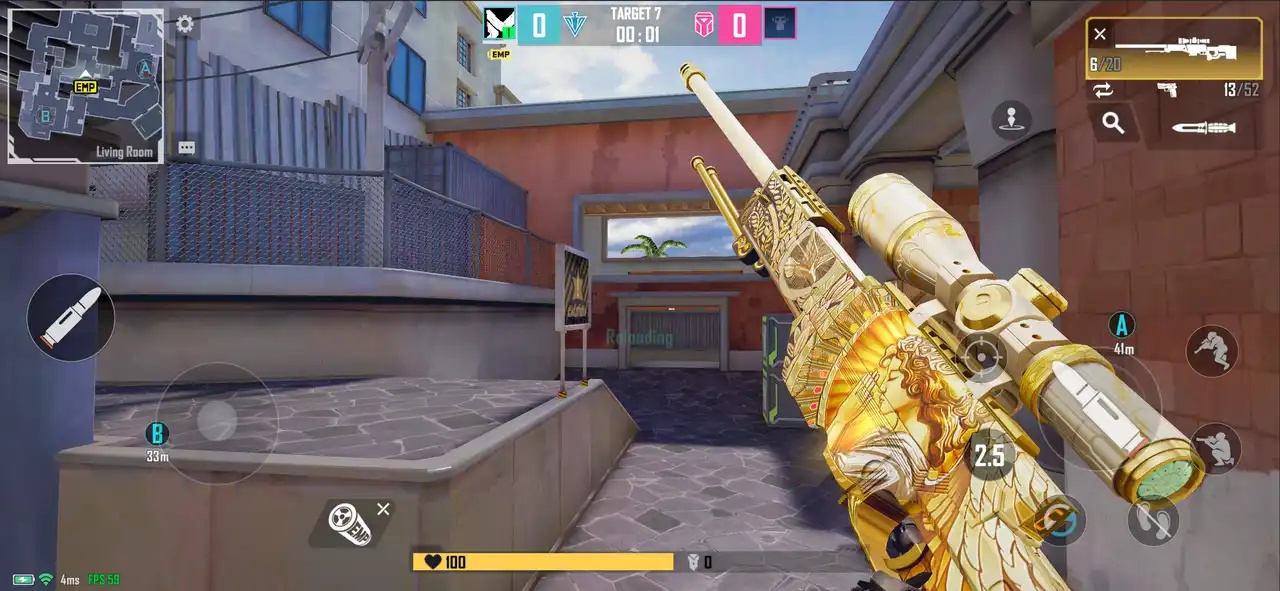
So, what's the highlight of this image? The exquisite sniper rifle weapon skin you see in the image above was recently sold for over $120,000.
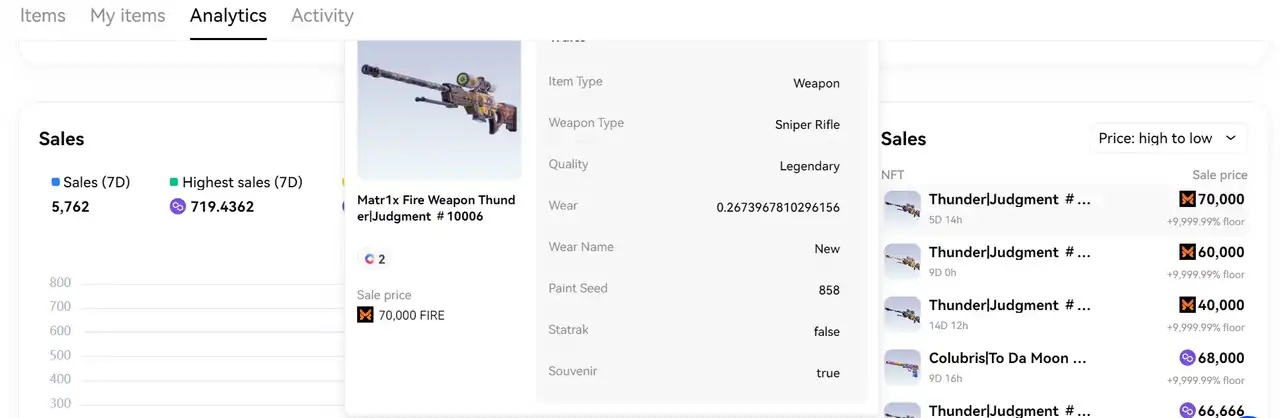

The loot box mechanism in CS2 is one of the most classic "cyber scratch cards." In Web3, we finally see a project combining Web3's unique economic mechanisms to make a similar attempt—this is MATR1X FIRE. Currently, MATR1X FIRE's first loot box event, "Project Apollo," is still in full swing.
As Web3 games have developed to this day, we can see more and more high-quality game projects on various chains, along with infrastructure aimed at seamlessly bridging Web2 and Web3. However, the influence of the term "GameFi" in Web3 has not completely faded.
Although the quality of Web3 games has significantly improved compared to the "GameFi 1.0" era led by Wolf Game, due to the long development cycles required for high-quality games, many Web3 game projects currently tend to focus on idle mobile games. While these games are easy to pick up and addictive, their economic models remain relatively simple—"mine, claim, sell"—and the vast potential of Web3 economic models in gaming has yet to be fully realized.
Turning our attention to the Web2 gaming industry, games are no longer something people must personally "play" to participate in. Just as there are many soccer fans who don't play soccer but never miss a match, there are now many gaming fans who don't play games but never miss an esports tournament. With sufficient gameplay and competitive elements, competitive games have grown into a form of "mass entertainment." This is why we see esports giants like CSGO (now CS2) transition to free-to-play models while generating billions of dollars in annual in-game item transactions.
Such massive transaction volumes are only sustainable at the "mass entertainment" level. Many players may gradually fade out of CS due to life and work commitments, but they don't necessarily sell their in-game items—they can choose to lease them for continuous income. Some even keep their items purely for sentimental value, as collecting is one of humanity's quirks.
Web2 games have developed thriving esports-related industries, and Web3 games can do the same. With a large enough esports viewership and strong influence among non-players, a game's IP development can have a solid foundation. Web3's unique features also offer more possibilities for esports livestreaming and IP development compared to Web2, such as Watch 2 Earn or NFT-based cross-platform IP expansions.
Although we've seen MATR1X FIRE's top-tier skins sell for $120,000, replicating the success of CS2's skin market requires more than just mimicking its mechanics. MATR1X has also invested heavily in esports and IP development, seamlessly integrating these elements into the Web3 ecosystem. With a deep understanding of Web2 gaming and Web3's unique economic mechanisms, MATR1X is offering new solutions to Web3 gaming's "death spiral" while exploring fresh possibilities for breaking through industry barriers.
What is MATR1X's "Project Apollo"?
MATR1X's Project Apollo encompasses the ecosystem's first loot box event, $MediaAlpha(MAX.US) airdrops, and top-tier skin collections. The most significant aspect is the loot box event. By opening commemorative loot boxes, you have a chance to obtain MATR1X's first batch of top-tier commemorative NFT weapon skins, along with 50 million $MediaAlpha(MAX.US) up for grabs.
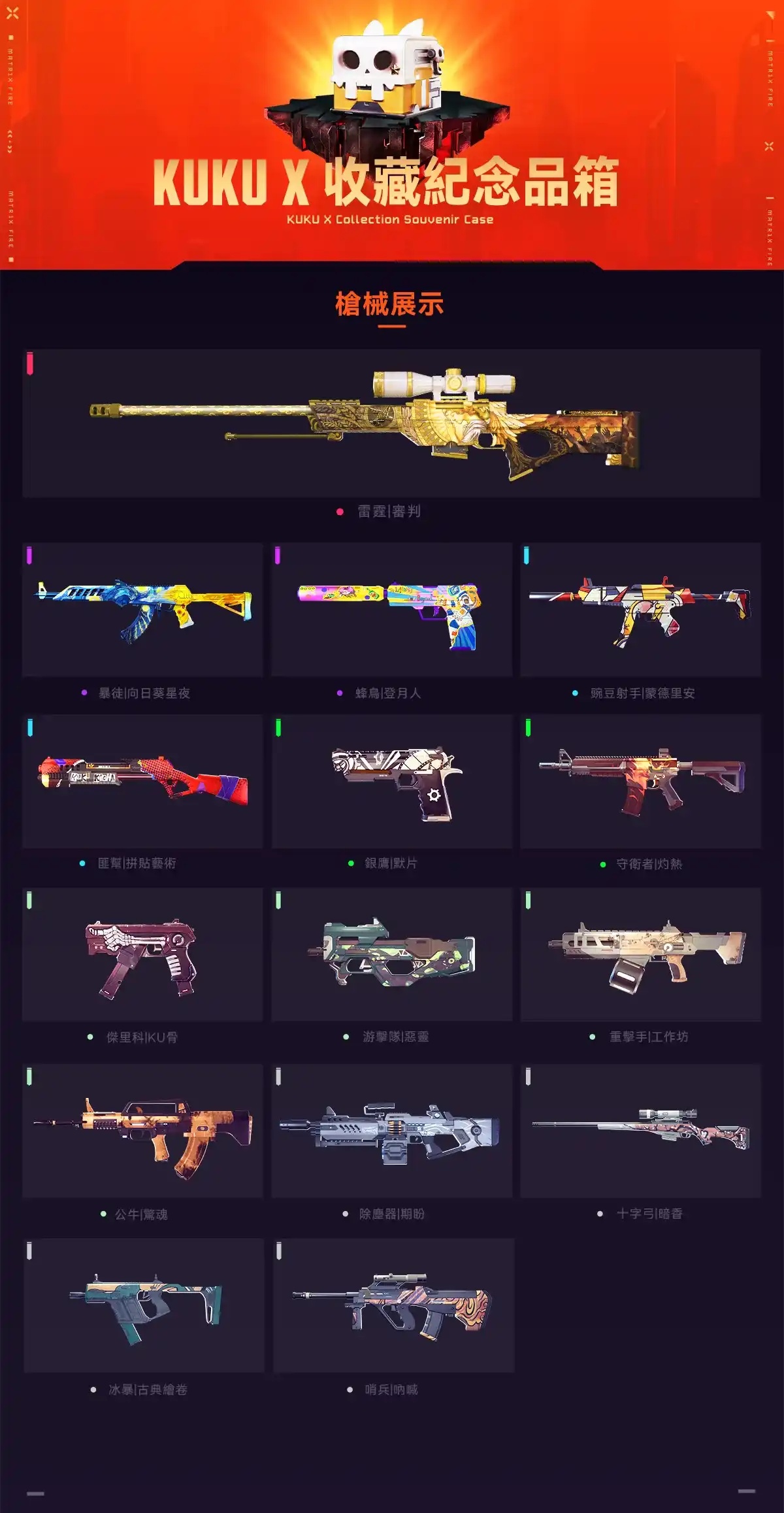
The sniper rifle skin mentioned at the beginning of this article, which sold for nearly $100,000, is as rare as CS2's famed "Dragon Lore" and is among MATR1X's top-tier, most exclusive weapon skins. If you pull this skin, the amount of $MediaAlpha(MAX.US) you receive will also max out, as the $MediaAlpha(MAX.US) rewards from loot boxes are directly tied to the skin's rarity. This innovative combination of Web2 loot box mechanics and Web3 token distribution is fascinating.
Web3 Gaming's First Exploration of "Loot Box" Mechanics
The "loot box" mechanic plays a significant role in all three games under Matr1x's ecosystem—MATR1X FIRE, MATR1X Battle, and Castile.
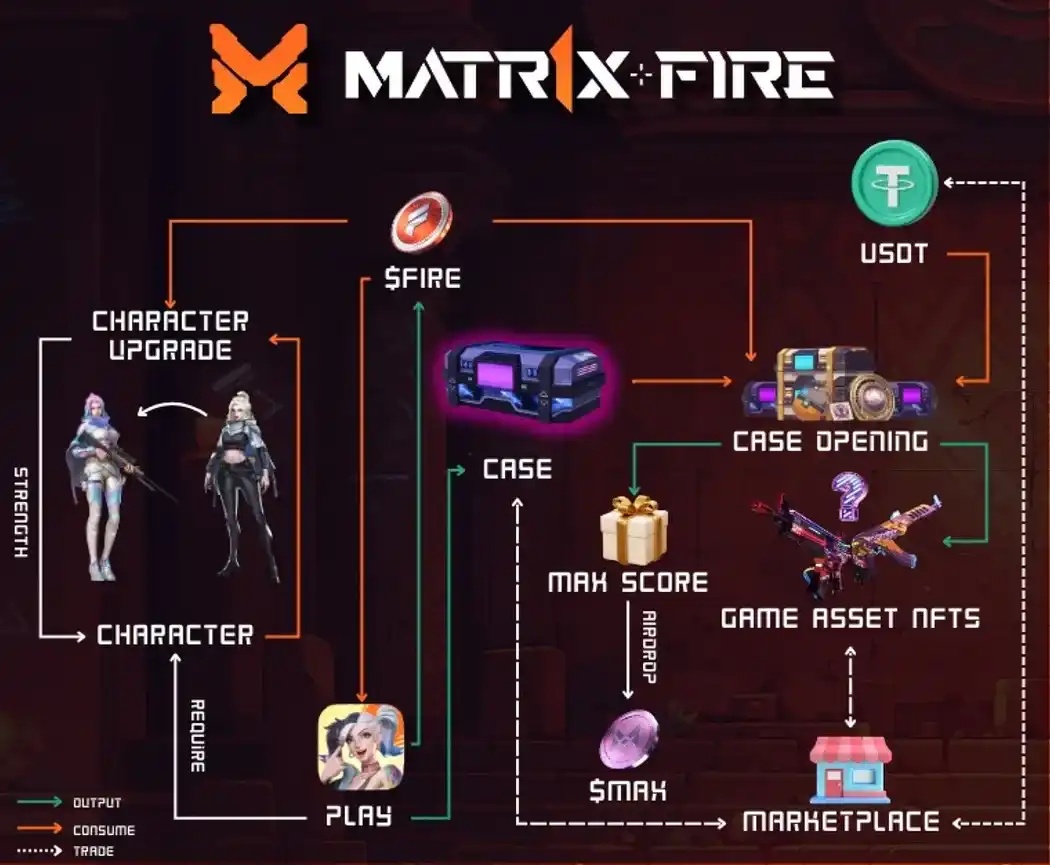
As shown above, the introduction of loot boxes provides MATR1X FIRE players with an additional income stream. Players who own in-game characters can earn direct rewards like $FIRE or $MediaAlpha(MAX.US) while also receiving loot box drops. Opening these boxes yields exclusive, limited-edition NFT weapon skins (each season introduces new loot boxes with different skins, while older versions become discontinued, making their contents rare).
In addition to NFT skins, loot boxes also contain MAX points for extra $MediaAlpha(MAX.US) airdrops.
Opening loot boxes requires spending $FIRE plus a small amount of stablecoins (e.g., $USDT). This may be one of the best solutions Web3 games have for mitigating token inflation caused by growing player bases. Essentially, it randomizes income—loot boxes can yield common skins or ultra-rare ones like "knives" or "gloves." Players can choose whether to test their luck and maximize earnings by chasing rare NFT assets.
Beyond gameplay, watching MATR1X esports, or participating in tournament predictions (all low-barrier ways to earn loot boxes), Matr1x hasn't forgotten its loyal supporters. Last year, MATR1X released the MATR1X KUKU NFT series to expand its IP. Staking KUKU NFTs yields exclusive "KUKU loot boxes," with rewards scaling based on stake duration and quantity.
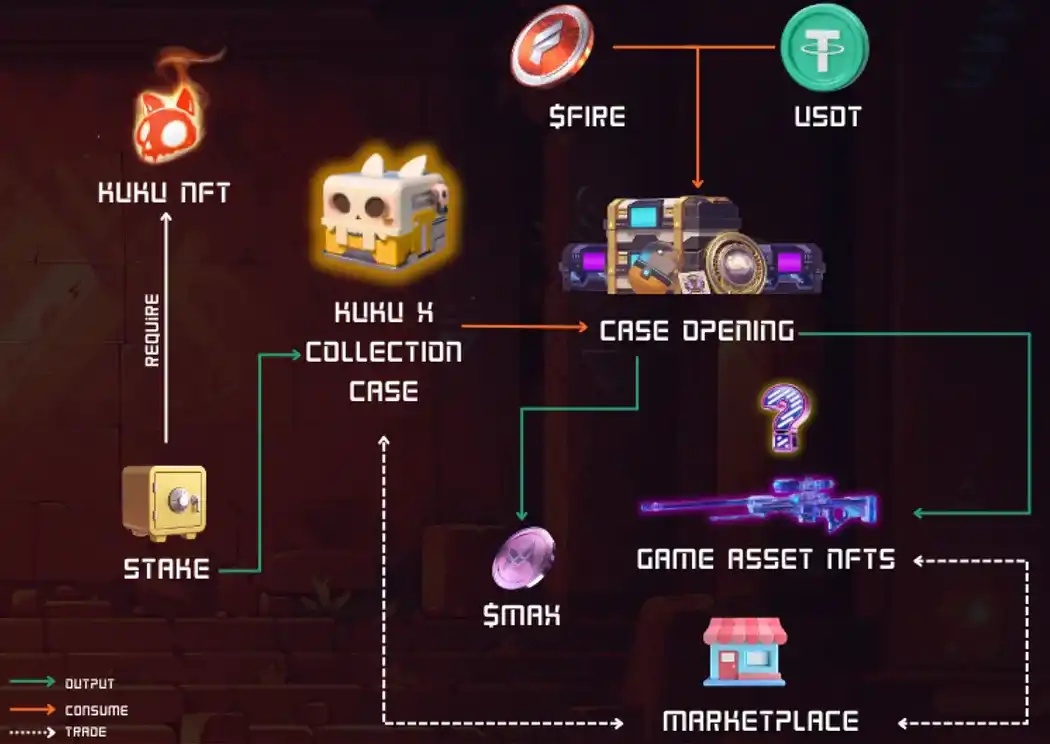
This limited-edition loot box (total supply: ~500,000) can yield top-tier commemorative NFT skins and 50 million $MediaAlpha(MAX.US).
Summarizing the above, we see MATR1X has mastered the essence of Web2's loot box mechanics while perfectly adapting them to Web3:
- Low barrier to entry. In-game assets reach their highest value when "mass entertainment" audiences participate. Thus, even watching esports or predicting match outcomes can yield loot boxes. Unlike traditional games, these boxes can contain MAX points for $MediaAlpha(MAX.US) airdrops, incentivizing casual players to engage. If they choose not to open boxes, they can sell them. Watch-to-earn redefines "play-to-earn."
- Randomized rewards (scarcity). NFT skins range from common to ultra-rare, with seasonal updates discontinuing older versions. Esports-exclusive loot boxes (akin to CS2's discontinued "tournament cases") further amplify this appeal.
- Content richness. Beyond official skins, MATR1X plans to introduce a "Workshop" (like CS2's) for player-created skins. Memes in Web3 need not be limited to tokens—player-designed skins could become real in-game content, empowering UGC and unlocking new creator economy possibilities.
Pioneering Esports and "Mass Entertainment"—Exploring New "Web3 + Esports" Possibilities
MATR1X FIRE has hosted over 10 offline tournaments and 50+ online events across 10 regions, including Dubai, Hong Kong, Taipei, Tokyo, Singapore, and Manila, with total exposure exceeding 10 million.
April's Asia Master tournament in Hong Kong was a resounding success, with 94 teams from 10 regions competing. The finals, livestreamed globally on April 9, drew 1.8 million viewers—a Web3 esports record. China's Black & White Esports won, receiving 10,000 $FIRE and an YATC NFT worth 18 ETH.
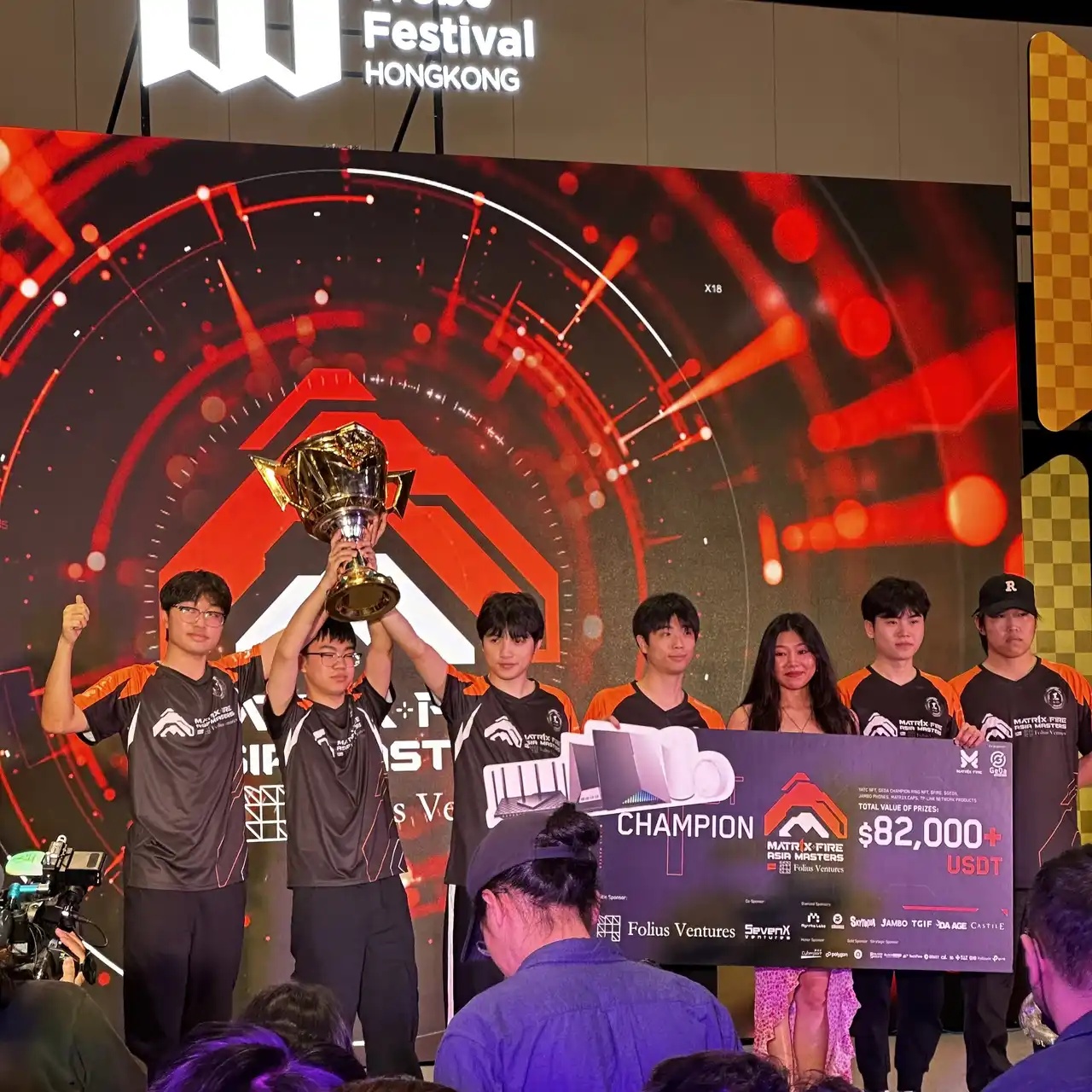
Partnering with GEDA ESPORTS, MATR1X also hosted a $300,000 prize pool prediction event. This Watch 2 Earn campaign attracted nearly 2 million viewers, many of whom were onboarded to Web3. Future plans include esports-exclusive loot boxes and deeper IP integrations (e.g., KUKU NFTs as tournament memorabilia).
True "Mass Adoption" for competitive games requires esports exploration. MATR1X excels in tournament operations, while professional clubs like Black & White Esports, Boarding Bridge, and JGG are already invested in its ecosystem.
MATR1X has taken bold, unprecedented steps toward breaking into mainstream gaming.
Conclusion
MATR1X's "Project Apollo" loot box event is now live, featuring "KUKU Commemorative Boxes" and "Pioneer Commemorative Boxes." Each Pioneer box costs 1 $FIRE and grants 1 $MediaAlpha(MAX.US) + a Pioneer NFT weapon (10% chance for a commemorative skin with 4 stickers, each combo awarding bonus $MediaAlpha(MAX.US)). So far, 5,969,781 $FIRE has been burned, pushing its price to $1.7—near its all-time high.
With 1.1M+ downloads and 1.2M+ registered players, MATR1X FIRE is Polygon's top game and the #1 Web3 game by on-chain metrics: 2.5M+ monthly active wallets and 26M+ transactions.
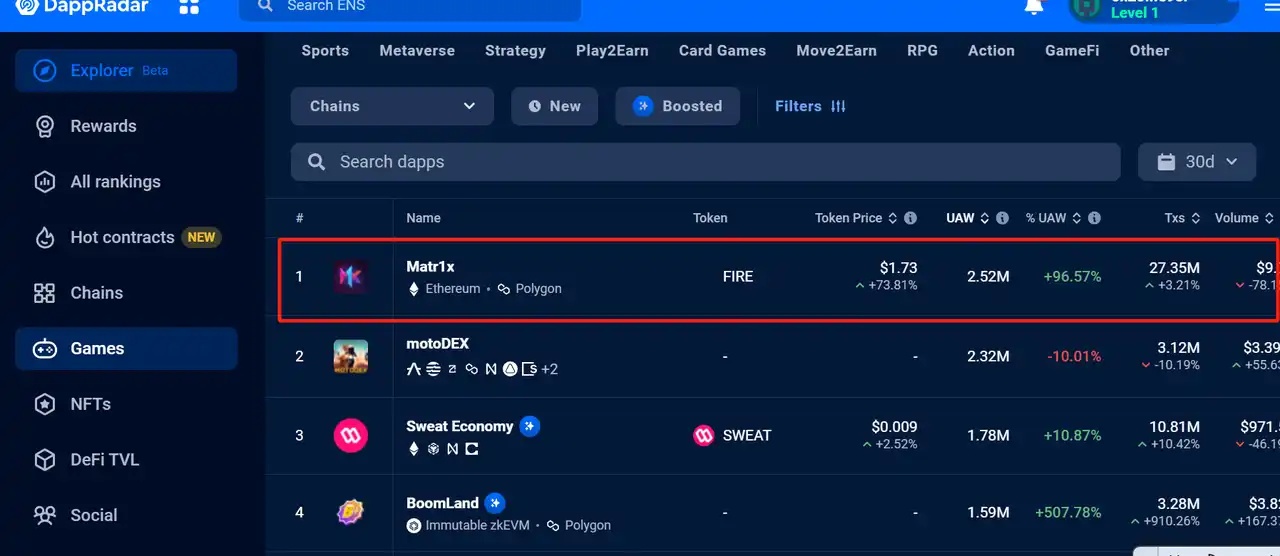
As pioneers in Web3 gaming, MATR1X's loot box innovation not only offers a solution to the "death spiral" but also marks the first step toward "mass entertainment." The future holds many surprises—let’s explore them together.
The copyright of this article belongs to the original author/organization.
The views expressed herein are solely those of the author and do not reflect the stance of the platform. The content is intended for investment reference purposes only and shall not be considered as investment advice. Please contact us if you have any questions or suggestions regarding the content services provided by the platform.
