


 Buffett Apprentice
High dividends and certainty, Kweichow Moutai VS China Shenhua

The recent performance of Kweichow Moutai (600519.SH) has not been particularly good. The main reason is that after entering the annual promotional season, the prices of end products have experienced significant fluctuations.
The major changes in Kweichow Moutai's management, combined with the baijiu industry entering an inventory cycle, have put tremendous pressure on downstream distributors.
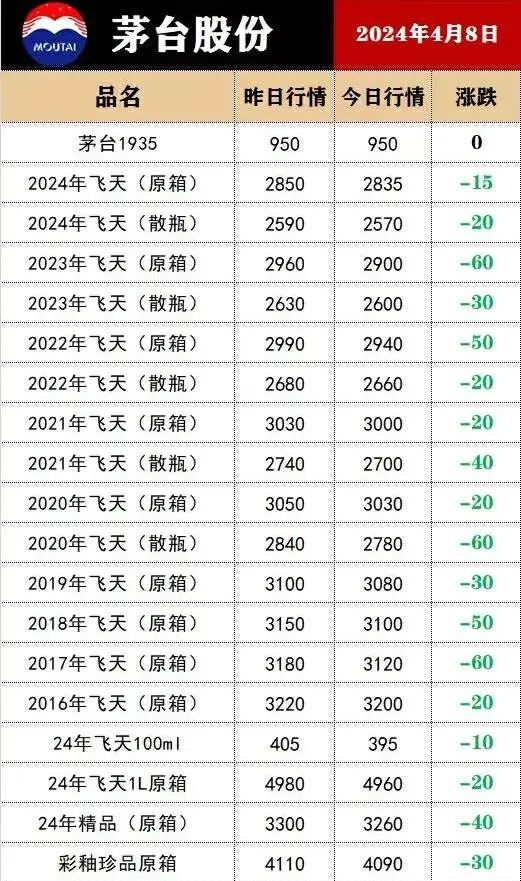
In reality, even under the current circumstances, it will not affect Kweichow Moutai's performance. This is because there is still a huge gap between Kweichow Moutai's ex-factory price and the end price. If there is a huge buffer zone between Kweichow Moutai's manufacturer and the end consumers, it is Kweichow Moutai's supplier system.
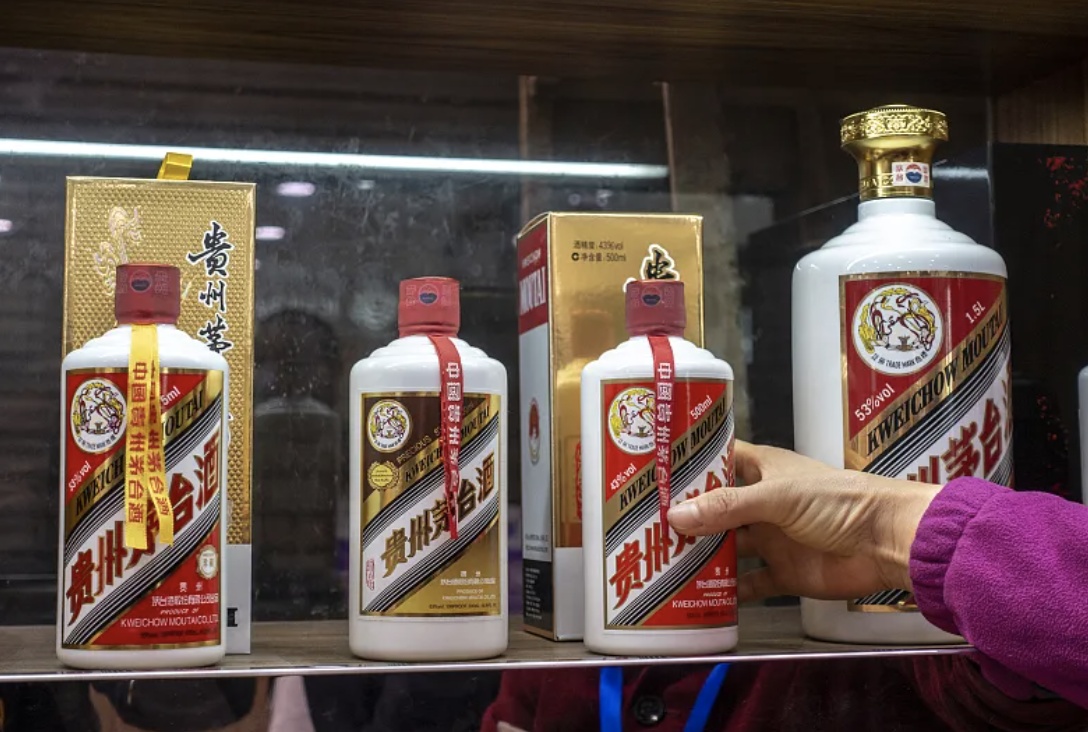
The huge difference between the ex-factory price of around 1,000 and the end selling price of around 2,500 is the profit margin of this system.
This more-than-doubled buffer zone has built Kweichow Moutai's vast distribution system and created its "unique competitiveness" that is vastly different from other baijiu companies.
However, this pattern is changing. After all, the baijiu market is limited and shrinking every year. Kweichow Moutai's ceiling is not the size of the baijiu market but its own production capacity.
In fact, Kweichow Moutai's massive distribution system has affected investors' correct judgment of the company's production and sales capabilities.
In a free market, the final determinant of product prices is supply and demand, and Kweichow Moutai remains a product in short supply, at least in the short term. This means Kweichow Moutai doesn’t need to worry about fluctuations in end prices affecting its fundamentals.
Therefore, this round of stock price fluctuations in Kweichow Moutai due to end-price volatility is ultimately a loosening of market confidence.
For Kweichow Moutai's valuation, it could be a textbook case. The company's industry is related to national economic development, it holds an absolute market leadership position, and its brand competitiveness ensures it remains in short supply. Moreover, the company will maintain stable double-digit growth for a considerable period.
In other words, it is almost a perfect valuation target—whether using PE, PEG, or discounted cash flow, Kweichow Moutai can be given an appropriate valuation.
Especially when looking at Kweichow Moutai's performance in recent years: over 80% gross margin, over 50% net margin, and around 15% revenue and net profit growth—all quite stable.
In fact, months ago, when Xunfeng was listed, we already noticed changes in Kweichow Moutai. The main reason for the significant fluctuations in the company's stock price is that market investors lack sufficient confidence in the company.
The reasons for weak market confidence are multifaceted, including insufficient macroeconomic momentum and concerns about the downstream sales prospects of the company's products. However, judging from past performance and the company's fundamentals, no major changes are expected for at least three years. The reason changes might occur after three years is that the company's production capacity will be released by then, and the baijiu industry cycle may also have an impact.
Therefore, the market's sell-off of Kweichow Moutai is somewhat unreasonable.
More likely, some investors' logic has changed.
In 2021, Kweichow Moutai's dynamic P/E ratio once reached 50-60 times, and many investors didn’t see a problem then. But were the price and valuation really fine at that time? Had they already deviated from the normal system?
This might be a question worth reflecting on for Kweichow Moutai investors and others.
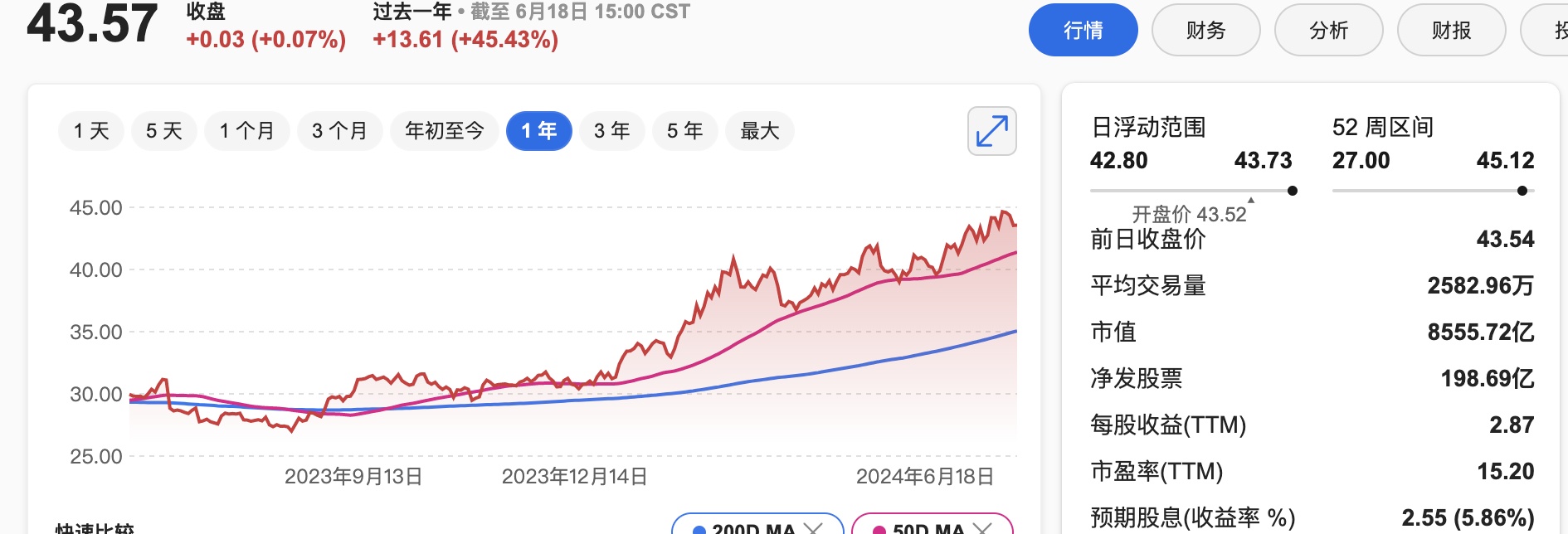
However, compared to Kweichow Moutai's dividend yield of less than 2%, high-dividend companies like China Shenhua Energy (1088.HK) have certain advantages.
In fact, many capital-intensive or utility-like industries tend to have high dividends.
Recently, companies like China Yangtze Power, China Shenhua Energy, various coal mines, banks, and telecom industry listed companies have been typical examples.
While consumer companies like Kweichow Moutai and Gree Electric Appliances expect investors to be grateful for dividends of less than 5%, China's top five listed banks have maintained dividend yields above 5% for many years.
Some even say that instead of depositing money in banks, it’s better to buy bank stocks—since both are idle funds, the latter offers significantly higher returns.
However, for such companies, growth is basically not a concern. In fact, for a long time, major banks' revenue and profit growth have outpaced CPI and GDP growth. Only in recent years has macroeconomic pressure affected bank stocks' growth.
But in stock investing, you can’t have your cake and eat it too. The stable dividends of bank stocks haven’t led to sustained price increases; more often, they serve as market stabilizers and favorites of national teams—good liquidity, stable market cap, and decent returns, so why not?
However, companies like China Shenhua Energy have not been favored by the market for a long time.
For a long time, the company's stock price has been sluggish, with valuations only in the teens. After all, coal energy is a sunset industry, not as sexy as electronics and technology.
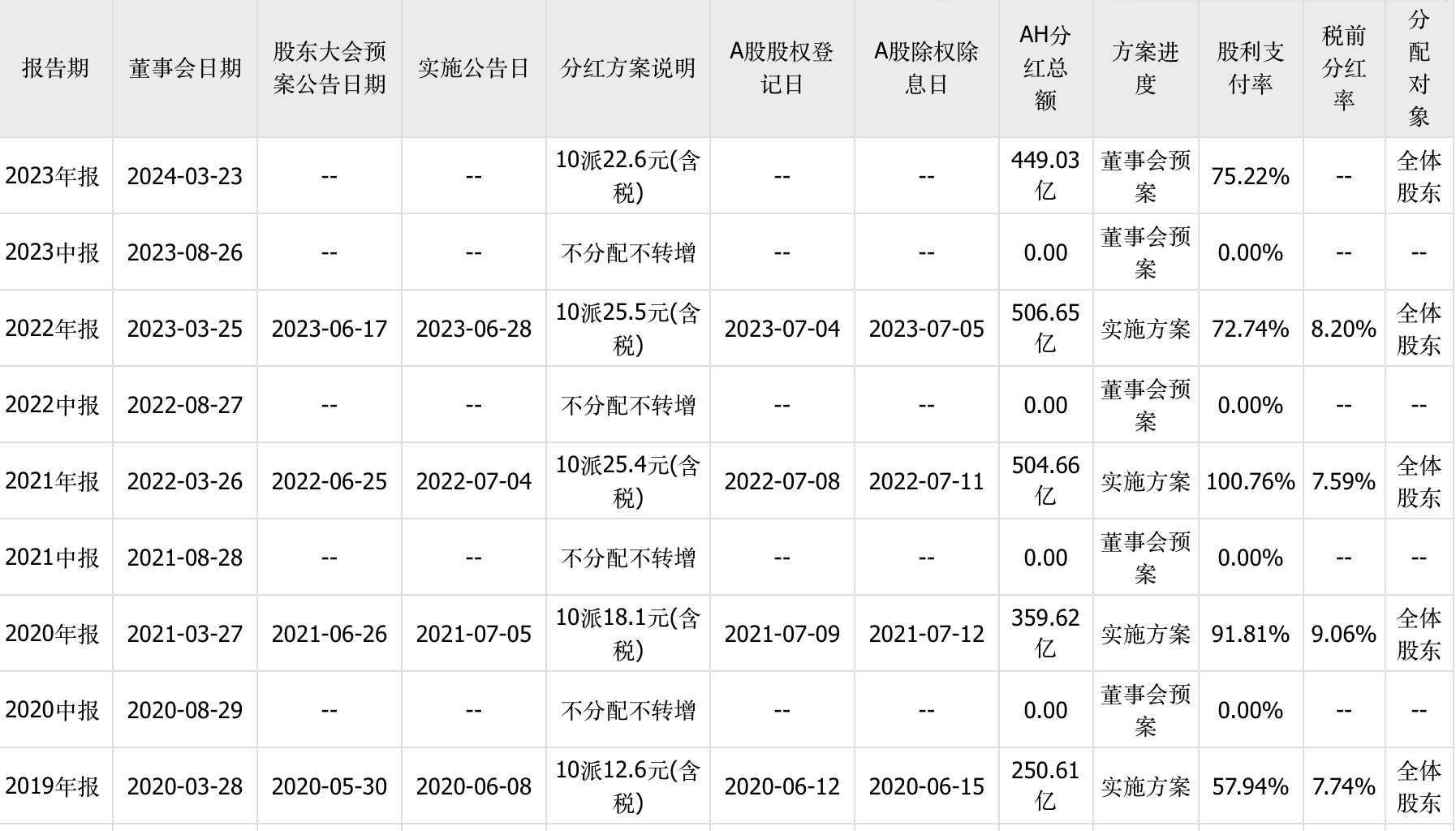
Another important reason is that the energy industry, like the macroeconomy, is cyclical. At the peak of the cycle, companies can have excellent returns, but at the bottom, dividends will correspondingly decline.
From this perspective, is the current rise of China Yangtze Power and China Shenhua Energy and the fall of Kweichow Moutai wrong? Or are both problematic?
In an environment of declining interest rates and macroeconomic volatility, people are risk-averse.
In fact, in the current market valuation, the certainty hidden behind companies like Kweichow Moutai and China Shenhua Energy has not been positively assessed. In turbulent times, especially after the past three years, people favor high-dividend, high-certainty assets more.
This is also an important reason for the halving of consumer and internet company stock prices in the Hong Kong market.
Even Warren Buffett in the U.S. has started increasing his stake in Occidental Petroleum.
After losing so much money over the years, the most important lesson learned is: Don’t fight the market. The market is always right, at least for now. The purpose of trading is not to prove your investment logic but to make money.
$CHINA SHENHUA(01088.HK)
The copyright of this article belongs to the original author/organization.
The views expressed herein are solely those of the author and do not reflect the stance of the platform. The content is intended for investment reference purposes only and shall not be considered as investment advice. Please contact us if you have any questions or suggestions regarding the content services provided by the platform.
