


Responding to cyber violence with products, Nongfu Spring is the real honest one.

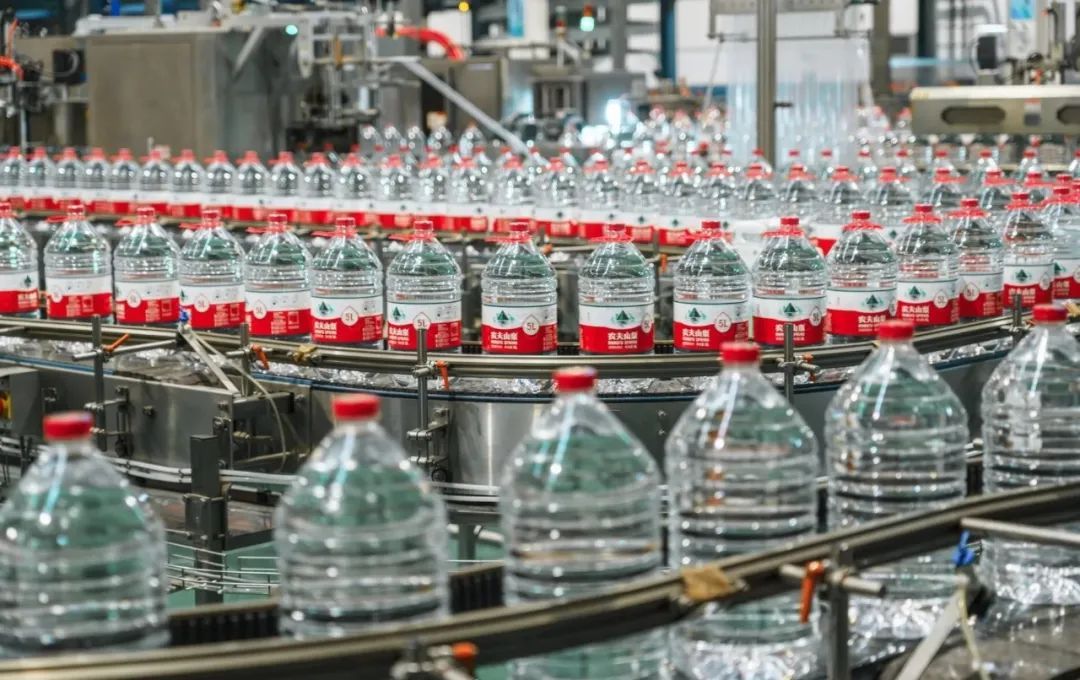
After 100 Days of Cyberbullying, Consumers Cast Their Vote of Confidence for the "Farmer".
@新熵 Original
Author 丨 Sakura Editor 丨 Nine Plows
What is the essence of business?
Is it traffic, marketing, and PR wars? Or solid products, deep cultivation in the industry, and understanding of users? The story of Nongfu Spring in 2024 might provide an answer.
During the recent 618 shopping festival, Nongfu Spring indisputably secured the top spot across the entire industry and online platforms once again. Looking at the breakdown of data, Nongfu Spring's victory was even more undeniable—not only did it achieve the highest sales volume online, but its total online membership also reached 10.24 million, a 58.9% year-on-year increase. Additionally, over 2.5 million new customers purchased Nongfu Spring products online during this year's 618, marking the highest growth in new customers for the brand. Even Nongfu Spring's newly launched purified water climbed to the top of JD.com's beverage new product rankings on 618.
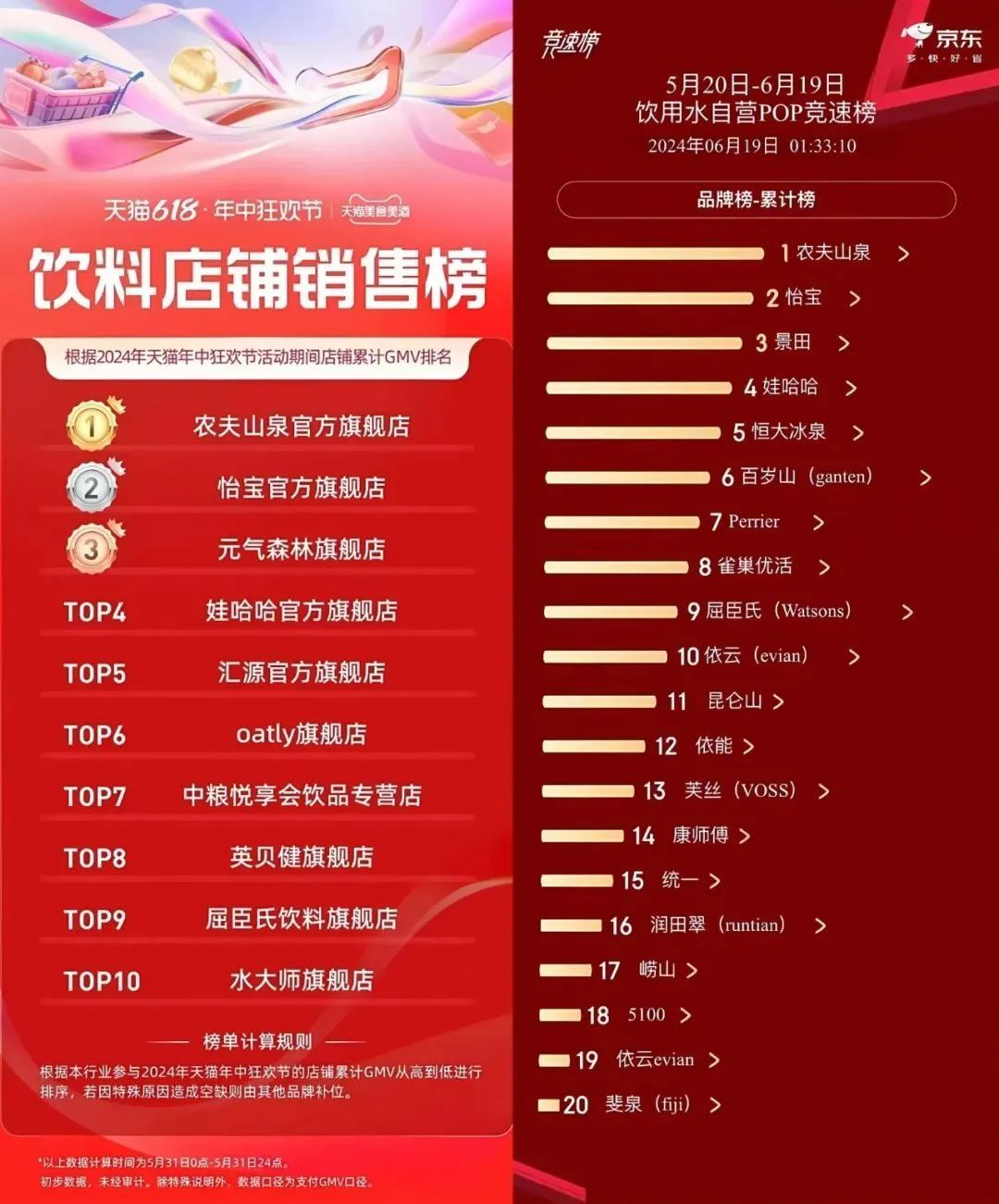
On the surface, Nongfu Spring not only has a stable consumer base but has also achieved impressive growth with the support of multiple new hit products.
However, behind these remarkable achievements, people have gradually forgotten that Nongfu Spring endured nearly 100 days of cyberbullying, during which both its founder and the brand were labeled with various negative tags. The brand faced backlash in public opinion, and even its offline distribution channels were affected. Recently, Nongfu Spring's 13-year-long charitable initiative of providing free water during the national college entrance exams was maliciously attacked in an organized manner. Yet, the facts have proven that rumors and slander cannot bring down this company—its triumphant return during 618 is the best evidence.
What has Nongfu Spring relied on to earn consumers' continued trust? What kind of strong moat has it built to enhance its risk resilience? And how does Nongfu Spring's "farmer"-like brand spirit of simplicity and steadfastness manifest? This article attempts to dissect these questions.
01
The Farmer's Long-Termism
"At the peak of the PR crisis, videos boycotting Nongfu Spring products flooded social media daily—people cursing, smashing products, and the comments sections were even more chaotic. But in reality, these were just isolated incidents that barely affected sales," said a Nongfu Spring distributor visited by New Entropy, still wearing a puzzled expression.
For him, the extreme backlash against Nongfu Spring was mostly confined to his phone screen.
By April, when Nongfu Spring's seasonal "Dragon Well New Tea" product under the Oriental Leaf brand returned for its third release, a series of online sales records were shattered. This seemed to further downplay the significance of the PR crisis for offline distributors.
Public data shows that the product sold out 50,000 cases in just 17 hours on launch day, compared to 5,000 cases in three days previously. This not only demonstrated consumers' strong enthusiasm for the product but also reignited the trend of sugar-free tea beverages.
Responding to cyberbullying with product strength, Nongfu Spring's success stems from its unwavering commitment to high-quality products. The Oriental Leaf series has been around for 13 years. Initially, due to its sugar-free and slightly bitter taste, it was once neglected by the market. When it debuted in 2011, some market analysts predicted that Oriental Leaf would struggle because of its stubborn positioning—in the tea beverage market, consumers sought flavor diversity, and sugar-free tea seemed to lack a future. But Nongfu Spring refused to abandon its principles for short-term gains.
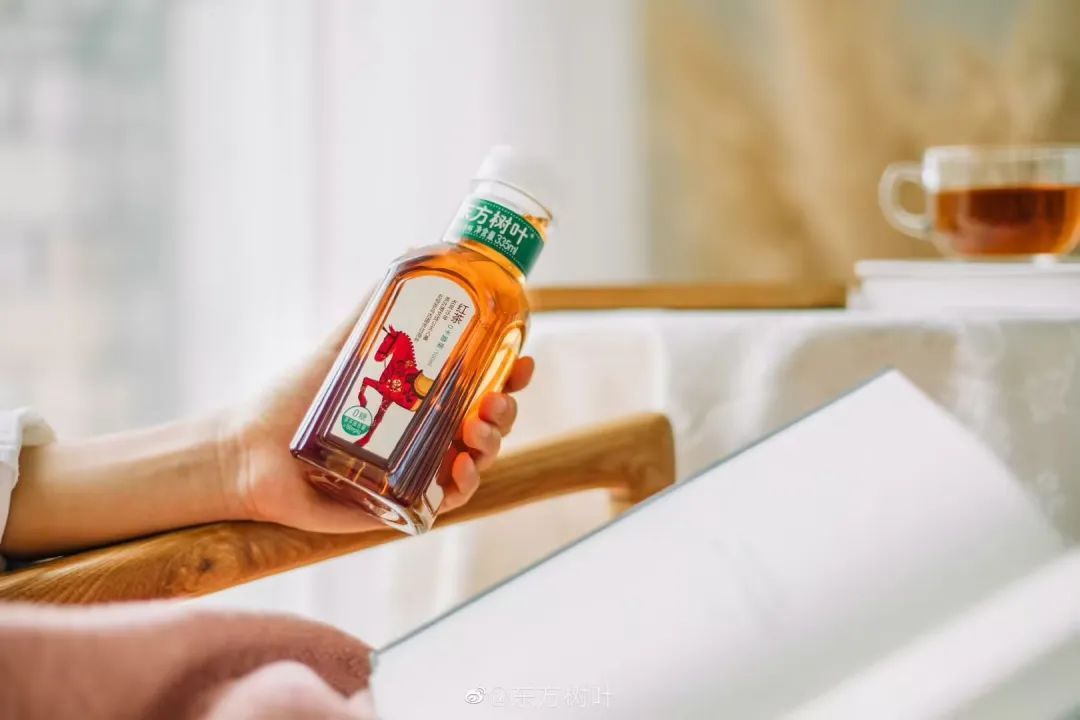
Many industry insiders acknowledge Oriental Leaf's role in educating the market: "A decade ago, many big brands launched sugar-free tea products but quickly withdrew." Oriental Leaf, however, pioneered the demand.
In terms of product innovation, Nongfu Spring has never stopped its determination. In 2003, it launched Farmer's Orchard, the first mixed fruit and vegetable juice product in the industry. In 2008, it introduced Water Soluble C100, highlighting vitamin C supplementation. In 2016, Tea π became an instant hit upon release. In 2017, it rolled out NFC juice, followed by Carbon Coffee in 2019. Each time Nongfu Spring enters a category, it establishes a benchmark. The innovation embedded in its product strength ensures its offerings stand the test of time.
In terms of technological barriers—a key focus for product strength—Nongfu Spring sets industry standards. Examples include the "Dragon Well New Tea," which completes the process from picking to bottling within five days, and the 17.5° Fresh Squeezed Orange Juice launched late last year, which achieves integrated "picking-juicing-bottling" production in an extremely short time to preserve the fruit's original freshness and flavor.
For a long time, Nongfu Spring has approached product development with a "farmer's" spirit—products are the farmer's foundation. To "grow" the best-tasting juice, Nongfu Spring has spent 18 years deeply cultivating its operations in Ganzhou, Jiangxi. Local fruit farmers who collaborate with Nongfu Spring say, "We’ve never seen procurement teams come in spring—they only show up in winter."
02
The "Flywheel Effect" of Quality-to-Price Ratio
If Oriental Leaf showcases Nongfu Spring's willingness to sit on the "cold bench," its bottled water highlights the brand's craftsmanship and willingness to spare no expense.
The reason Nongfu Spring's bottled water has remained a consumer favorite for decades lies in the dual drivers of its "good water, good price" strategy.
First, discovering good water. Unlike ordinary bottled water, which only requires investment in filtration machines and access to municipal water systems for mass production, Nongfu Spring has exponentially increased the complexity and difficulty of its supply chain to deliver natural water to consumers. It has spent over 20 years continuously searching for premium water sources in remote wilderness and mountainous areas. At the same time, it faces challenging geographical conditions in transportation, construction, and production—all of which entail significant time and financial costs. Nongfu Spring's water source explorers have trekked through -30°C primitive forests or revisited the same mountain up to eight times to locate rare water resources. Even so, the probability of finding a high-quality water source remains extremely low.
Discovering a water source is just the beginning for Nongfu Spring. From exploration to water quality testing, pipeline installation, and factory construction, the company invests heavily in each premium water source to ensure maximum quality.
Harsh construction conditions are routine for Nongfu Spring. Take Huangpo Ridge on Mount Emei as an example—15 years ago, this was uneven terrain without a single transportable road. The first batch of construction materials was carried up the mountain by mules and horses from the base. Additionally, the soil on Mount Emei has a 60% water content, and underground methane buried six meters deep posed further challenges during construction.
Behind premium water sources lies the barrier built by Nongfu Spring's long-term high-risk, high-investment efforts. But for Nongfu Spring, this isn’t enough—only a good price can further highlight its value.
To sustain this, the company requires high-level precision in management and operations. Nongfu Spring's 2020 IPO prospectus revealed that logistics and warehousing accounted for the largest portion of its sales expenses, reaching 2.526 billion yuan in 2019—10.5% of its revenue.
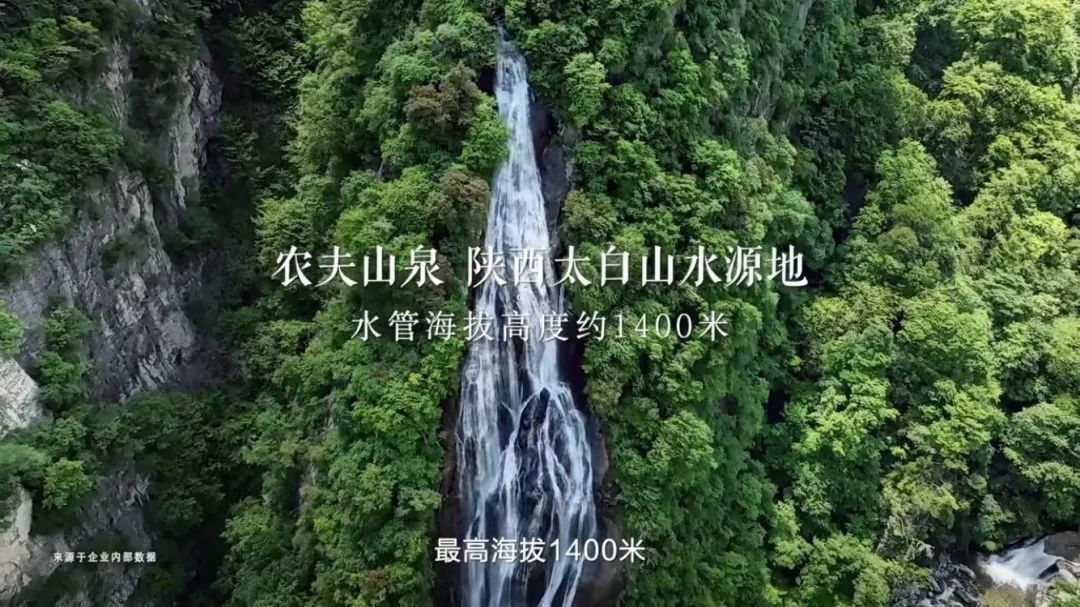
Due to its natural water source strategy, Nongfu Spring must build factories in remote locations, whereas competitors producing purified water can simply set up near urban centers with easy access to tap water. Estimates suggest Nongfu Spring's logistics costs are over three times higher than those of its main competitors.
Despite high-cost water sources and substantial logistics investments, Nongfu Spring does not pass these costs onto consumers. Natural water transported from 深山险境 has long been priced the same as purified water produced from municipal sources—just two yuan per bottle—directly reflecting Nongfu Spring's commitment to quality-to-price ratio.
The combination of good water and good prices has created a flywheel effect for Nongfu Spring. By prioritizing consumer interests and delivering truly valuable products through premium water sources and exceptional quality-to-price ratios, the brand has achieved mutual growth in trust and reputation, forming a virtuous cycle.
03
The Farmer's "Altruistic" Community
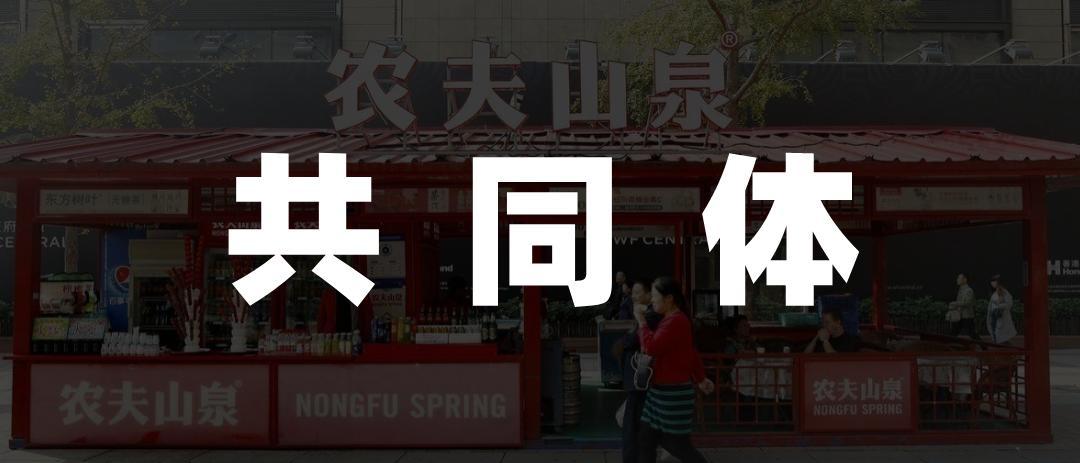
Nongfu Spring's long-termism is evident not only in its products and supply chain but also in its support and empowerment of retail partners.
Public data shows that, as of the end of 2022, Nongfu Spring covered over 2.37 million retail outlets nationwide through 4,500 distributors. Additionally, it operates tens of thousands of vending machines. This vast retail network, as intricate as capillaries, is deeply intertwined with people's daily lives. Supporting small and medium-sized businesses is, to some extent, a conscious responsibility and mission for industry leaders.
Previous reports revealed that in Nongfu Spring's product revenue structure, for a 2-yuan bottle of natural water, the ex-factory price is 0.7 yuan. After deducting taxes and logistics, Nongfu Spring's net profit is 0.55 yuan, while distributors and retailers earn 1.29 yuan—64.5% of the total revenue. Nongfu Spring's practice of sharing profits with the channel has become an industry benchmark. In fact, over the past two decades, Nongfu Spring's own revenue share has consistently remained below 50%. In its early days, due to its insistence on using only natural water sources and building factories near them, the company bore high transportation costs and substantial fixed-asset investments.
Why does Nongfu Spring share profits with its downstream partners? Industry insiders believe that Nongfu Spring and its millions of distributors and retailers are no longer just business partners—through sourcing collaborations, joint marketing campaigns, and other initiatives, they have built an emotional and value-chain community.
During the three years of the pandemic, even when many small stores were closed or inactive, Nongfu Spring continued to pay display fees without interruption. This move earned the gratitude and trust of store owners, who remained loyal to the brand and maintained strong relationships with Nongfu Spring's sales representatives. Meanwhile, during tough times, Nongfu Spring further increased profit-sharing with distributors, exempting unmanned service points from sales targets. Its sales team has always acted as partners to store owners in maintaining business relationships.
During special periods, when other logistics services were suspended, Nongfu Spring's team took on the responsibility of "last-mile" delivery, ensuring convenient access to water for more people while also winning consumers' trust.
The persistence and innovation in product strength, the dedication to good water and fair pricing, and the robust, win-win distributor system are all accumulations of Nongfu Spring's journey. Despite the challenges, the company remains steadfast.
Today, nearly 100 days after the cyberbullying began, some may still hope to see Nongfu Spring decline. But what they might not realize is that this simple and steadfast "farmer" has served consumers for 28 years with hard work and perseverance. Storms have washed over this company many times before, and the farmer's spirit of long-termism is the true foundation that makes it impervious to cyberbullying and ensures its resilience.
The copyright of this article belongs to the original author/organization.
The views expressed herein are solely those of the author and do not reflect the stance of the platform. The content is intended for investment reference purposes only and shall not be considered as investment advice. Please contact us if you have any questions or suggestions regarding the content services provided by the platform.
