


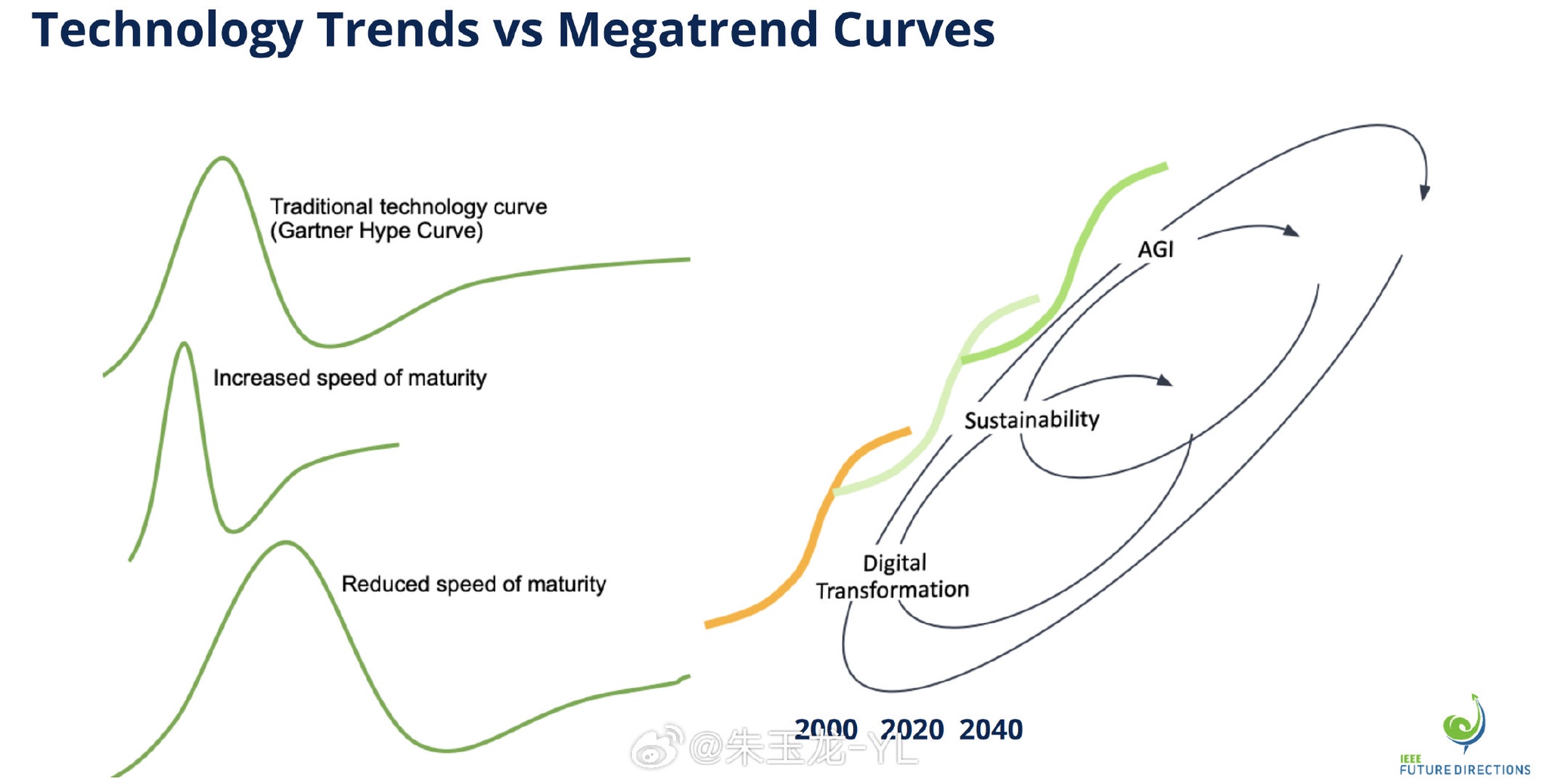
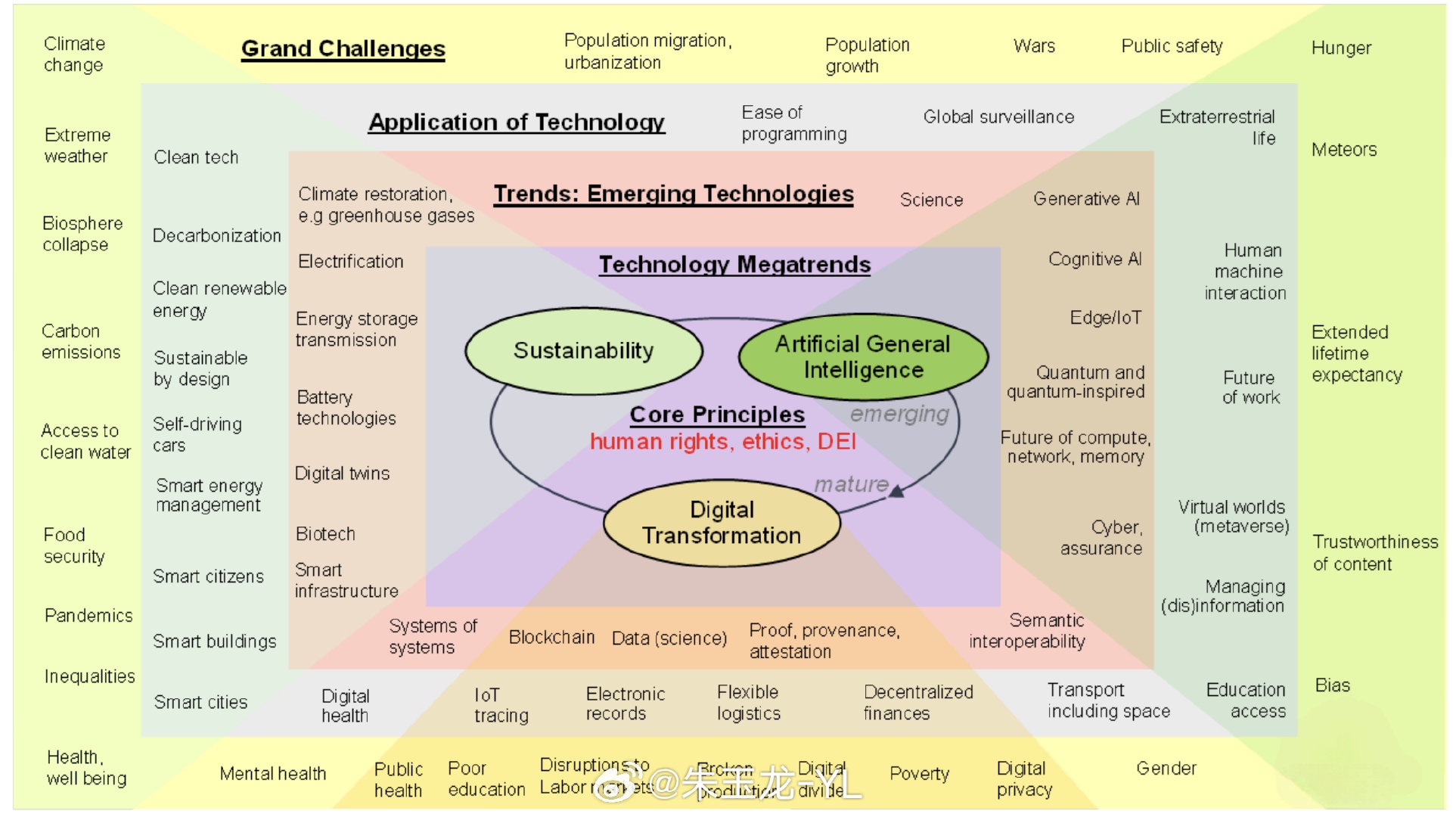
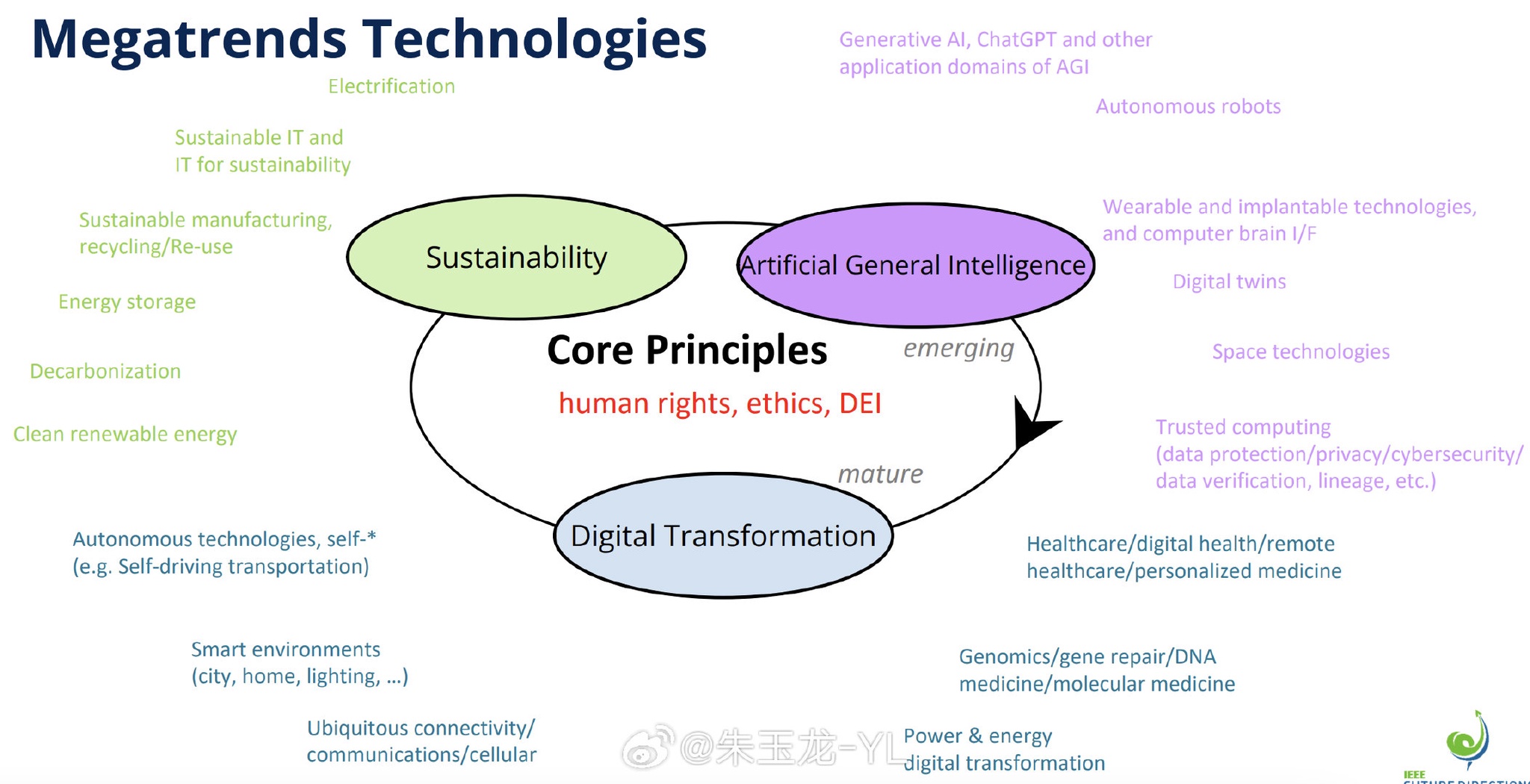
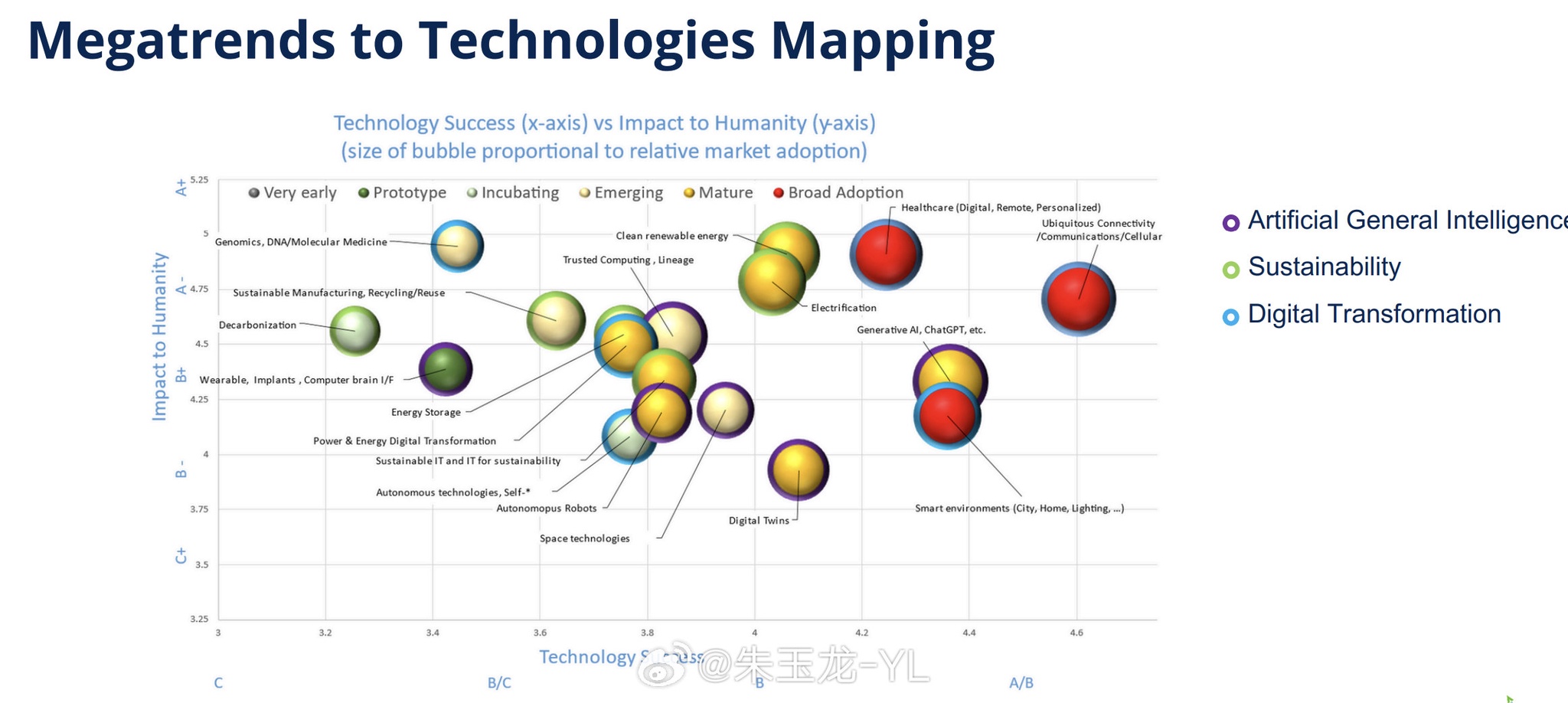
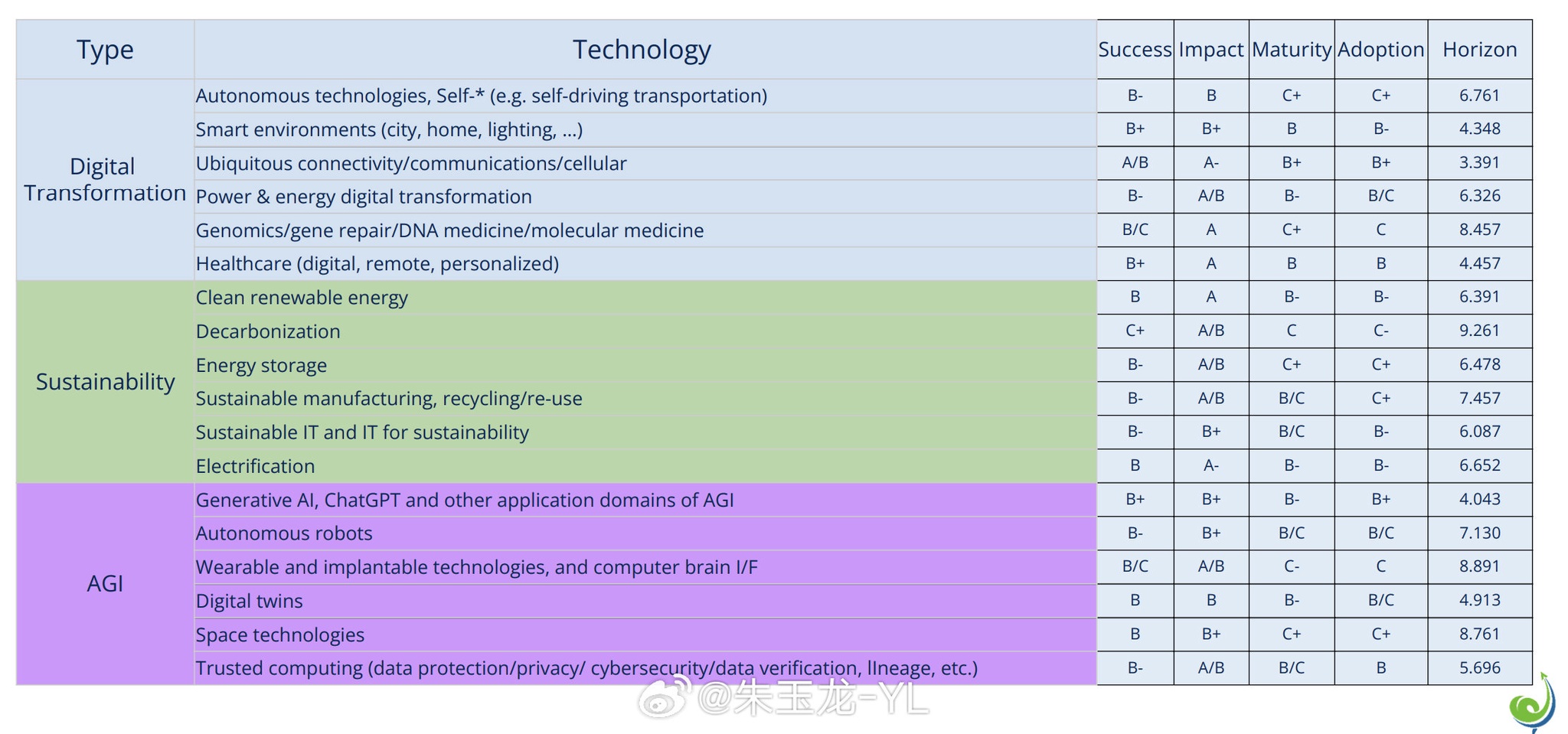
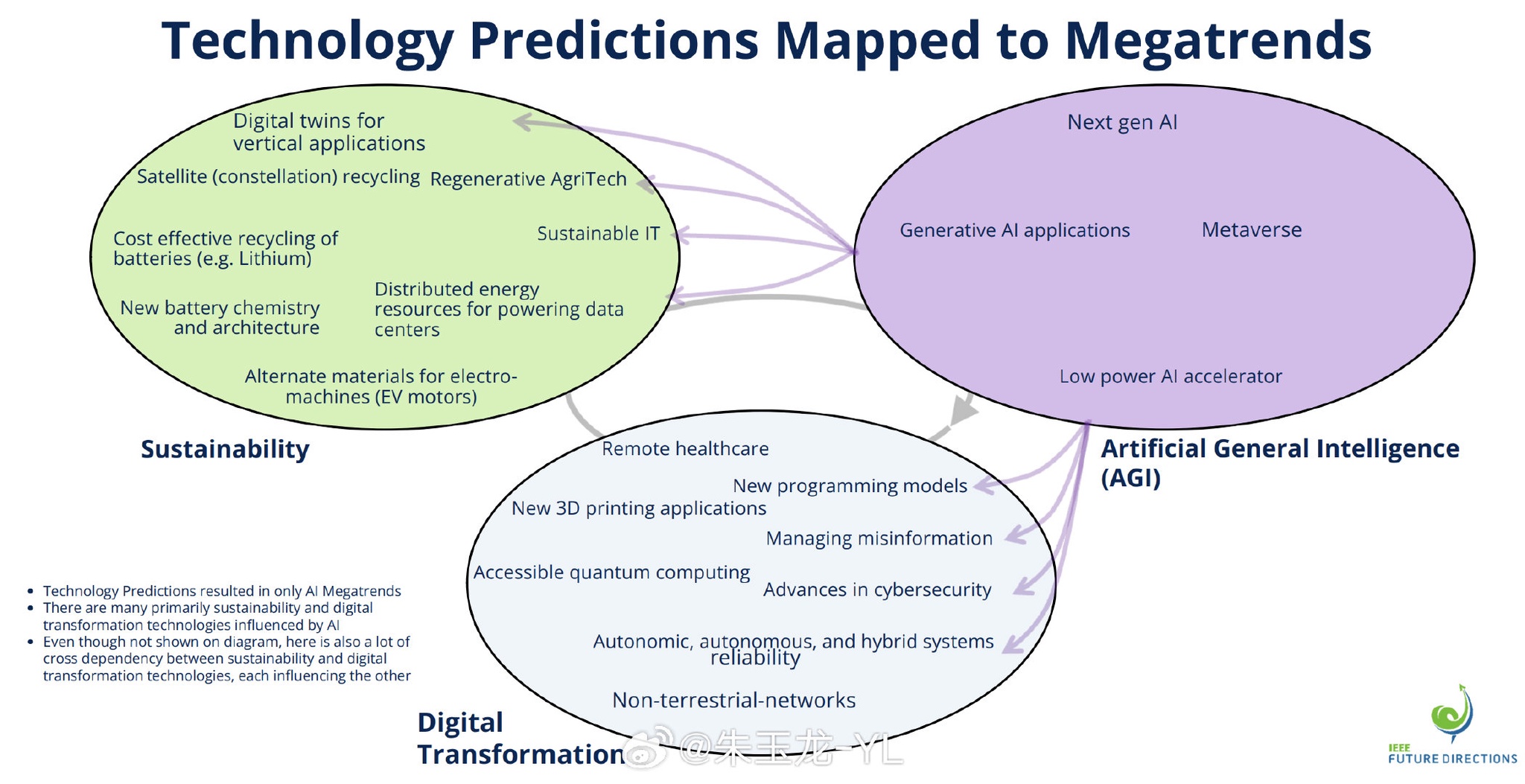
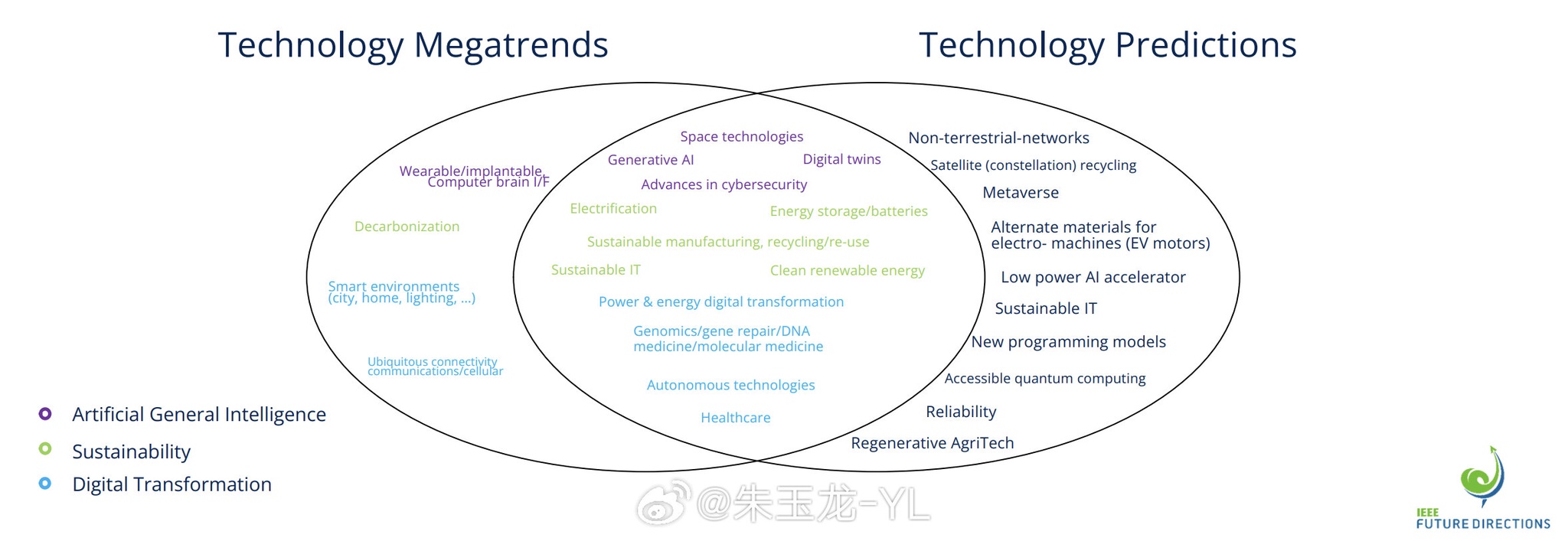
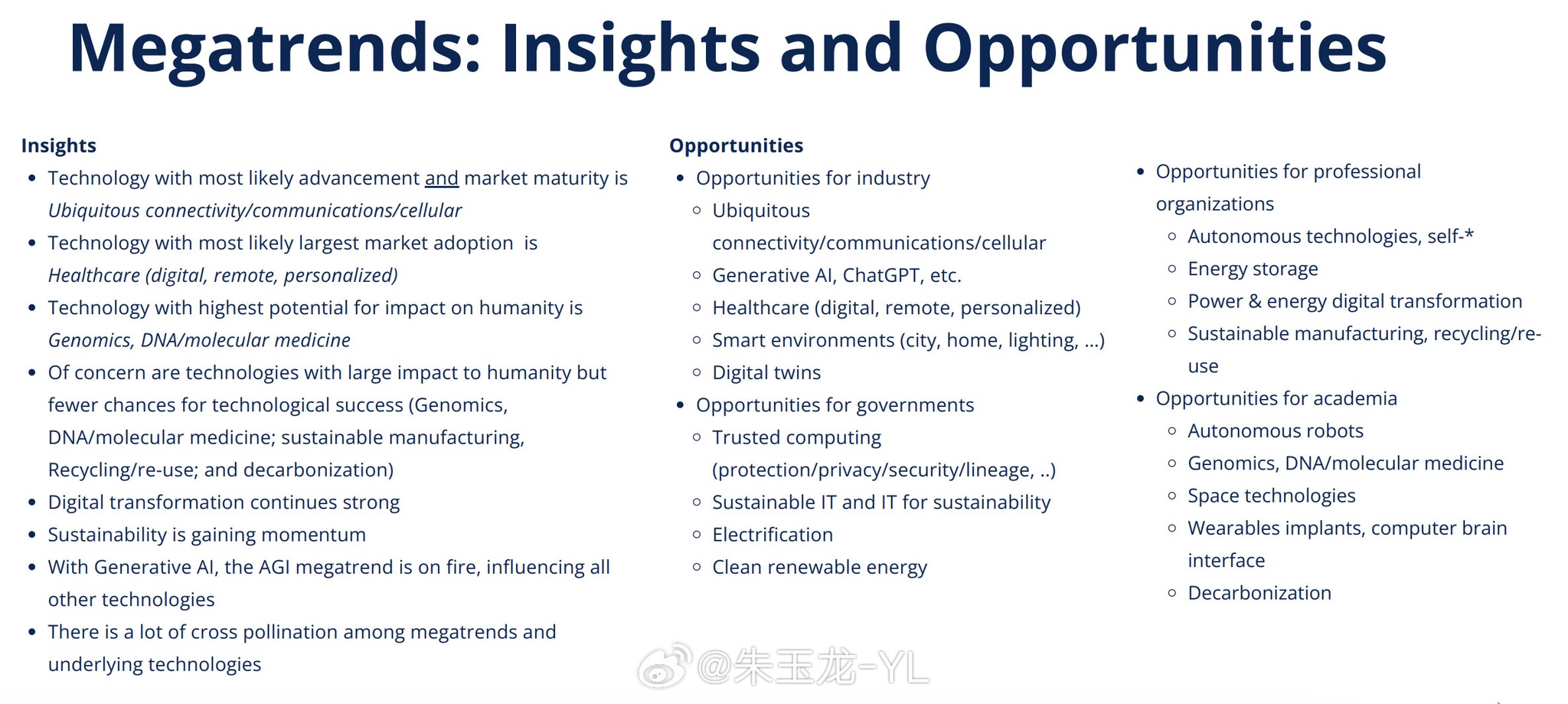
IEEE released a report titled "2024 Technology Megatrends". As chips and algorithms become the infrastructure of industries, this report is quite insightful, with three core pillars:
Digital transformation refers to the process of converting traditional systems, applications, and processes into those that adopt computer technology. It involves three steps: Digitization, Digitalization, and Digital Transformation. The goal of digital transformation is to achieve automation and optimization of business processes through data collection, processing, and analysis, thereby improving efficiency and innovation capabilities. However, digital transformation also faces challenges such as technical issues, insufficient resources, low understanding and acceptance, and privacy and ethical concerns. At the same time, it brings many opportunities, such as innovation and development in fields like manufacturing, construction, healthcare, and education.Sustainability refers to the ability to maintain resources or processes at a certain rate or level. It focuses on the support and impact of technology on ecology, economy, and society. The framework of sustainability includes management, lifecycle and carbon metrics analysis, low-carbon decentralized resources, and efficient communication through IT. From a corporate perspective, sustainability involves multiple stages such as energy production, processing, transportation, usage, and waste management. Challenges to sustainability include societal decarbonization, clean energy, energy delivery reliability, and affordability, while opportunities include energy and fuel transition, electrification, energy efficiency, and demand response. Achieving sustainability requires joint efforts from all stakeholders, including businesses, governments, academia, and the public.Artificial General Intelligence (AGI) refers to AI that can perform at or above human levels across a wide range of tasks. Current AI systems are mostly specialized and narrow, and the development of AGI requires interdisciplinary collaboration. The development of AGI faces issues such as trust and explainability, sustainability, human-centered design, high computational costs, and regulation. However, AGI also presents many opportunities, such as contributing to the global economy, applications across various fields, impacts on knowledge work and decision-making, and creative and personalized services. The development of AGI may have profound effects on humanity, including increased productivity, improved healthcare, and advancements in science, but it may also bring challenges such as job displacement, increased inequality, and data privacy concerns.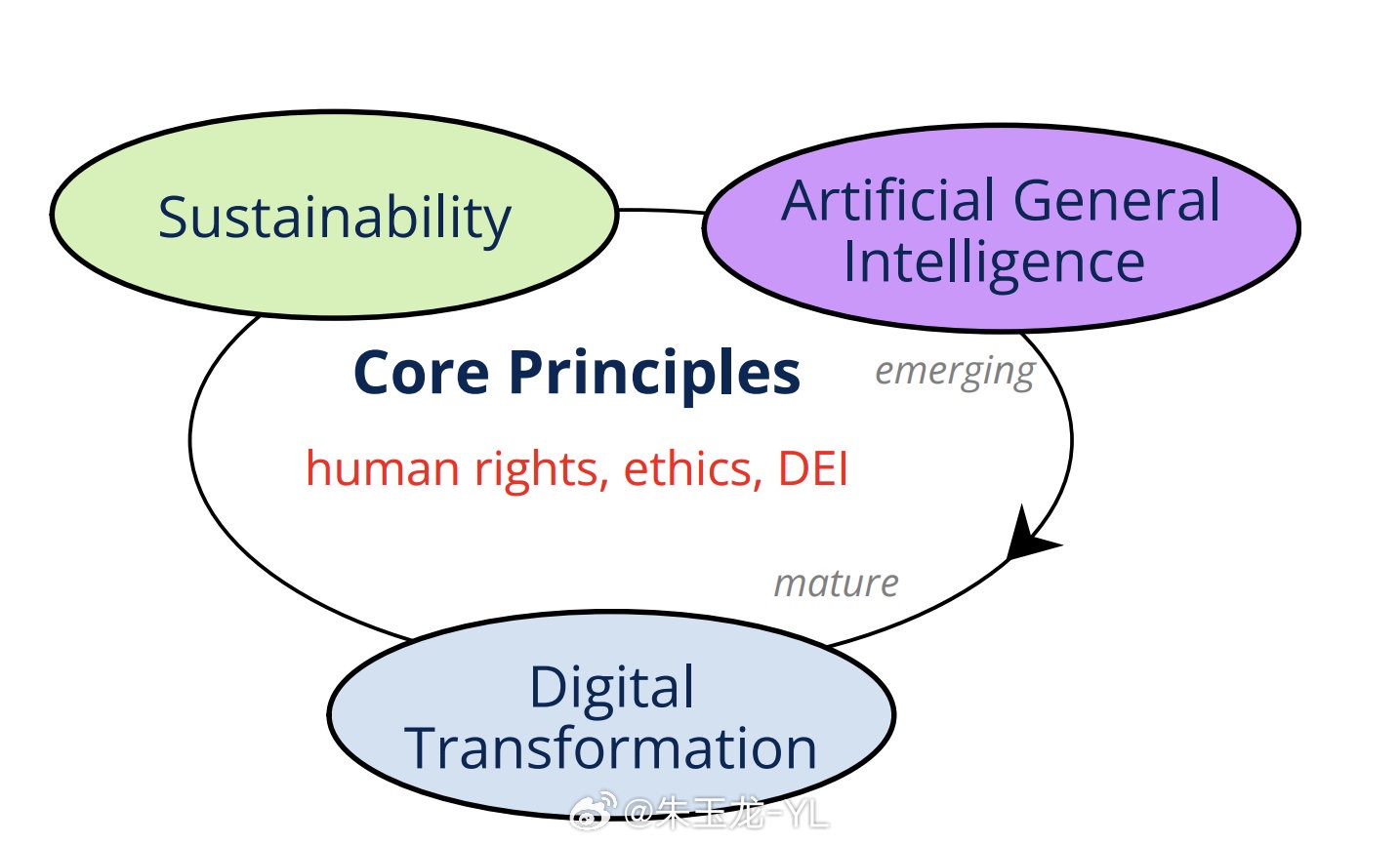
The copyright of this article belongs to the original author/organization.
The views expressed herein are solely those of the author and do not reflect the stance of the platform. The content is intended for investment reference purposes only and shall not be considered as investment advice. Please contact us if you have any questions or suggestions regarding the content services provided by the platform.
Post your comment

No Comments