


Step-by-step guide to buying US Treasury bonds.

Old post repost, first published in December 2023
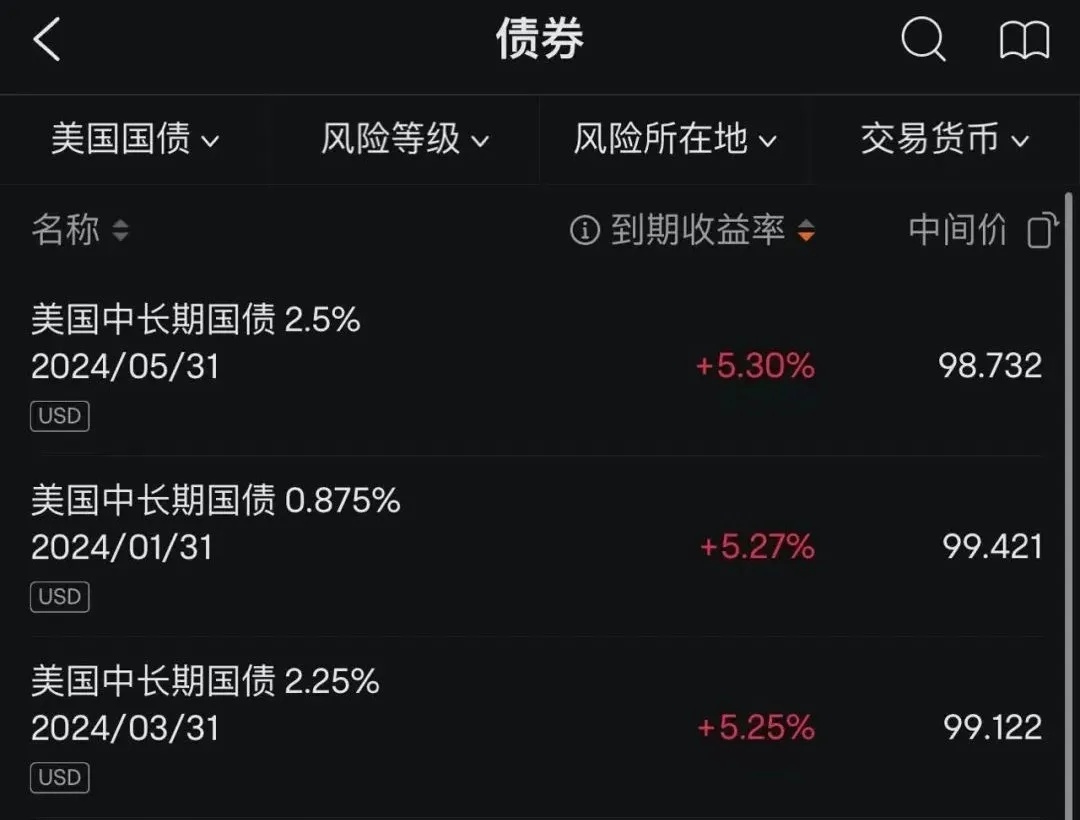
This year, the U.S. Treasury yield broke through 5%, sparking interest among many peers. I also gave it a try and found it quite rewarding.
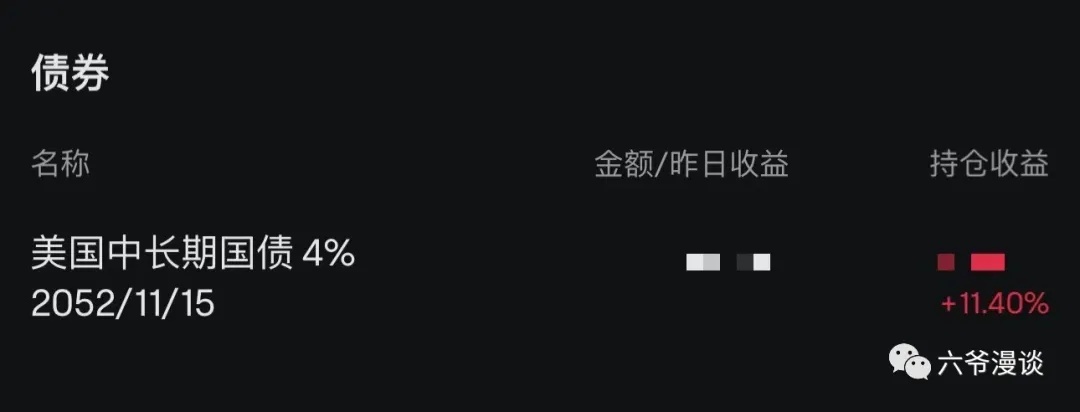
(Promised 5% U.S. Treasury yield, how did it reach 11.4% in just a month? Answer revealed at the end)
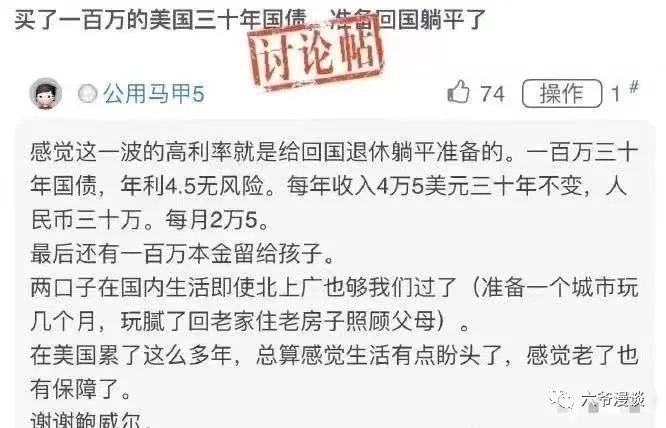
Later, a hot post titled "Bought One Million in U.S. 30-Year Treasury Bonds" appeared. Friends often ask how to buy U.S. Treasuries, so here’s a tutorial.
The Relationship Between U.S. Treasury Prices and Yields
U.S. Treasury bonds (UST) are one of the most important investment products in the global financial market. But to understand UST, you first need to grasp the relationship between their prices and yields.
What Are U.S. Treasuries?
U.S. Treasuries are bonds issued by the U.S. government to raise funds for public expenditures. When investors buy UST, they are essentially lending money to the U.S. government, which promises to repay the principal with interest at a future date.
U.S. Treasury Prices and Yields
The price and yield of UST influence each other. When the price of UST rises, its yield falls, and vice versa. This is because the interest payments on UST are fixed. If the bond price rises, the interest relative to the bond price decreases, leading to a lower yield.
Example:
Suppose a UST with a face value of $100 and a 3% interest rate matures in one year, yielding $100 principal + $3 interest.
If the bond price later drops to $98 and Xiao Wang buys it, at maturity, Xiao Wang will receive $100 principal + $3 interest, resulting in an actual yield of (103-98)/98 = 5.1%.
This relationship between price and yield is determined by the supply and demand in the bond market.
If someone sells UST, the price drops, and the yield rises.
How to Buy U.S. Treasuries
Now that you understand the principle, let’s talk about how to buy UST.
First, you need: 1. An overseas bank account (e.g., Hong Kong or U.S. account) 2. A Hong Kong/U.S. stock brokerage account (must support UST trading, e.g., Futu).
Here, we’ll use【U.S. Medium-Long Term Treasury 2.5% 2024/05/31】tradable on Futu as an example.
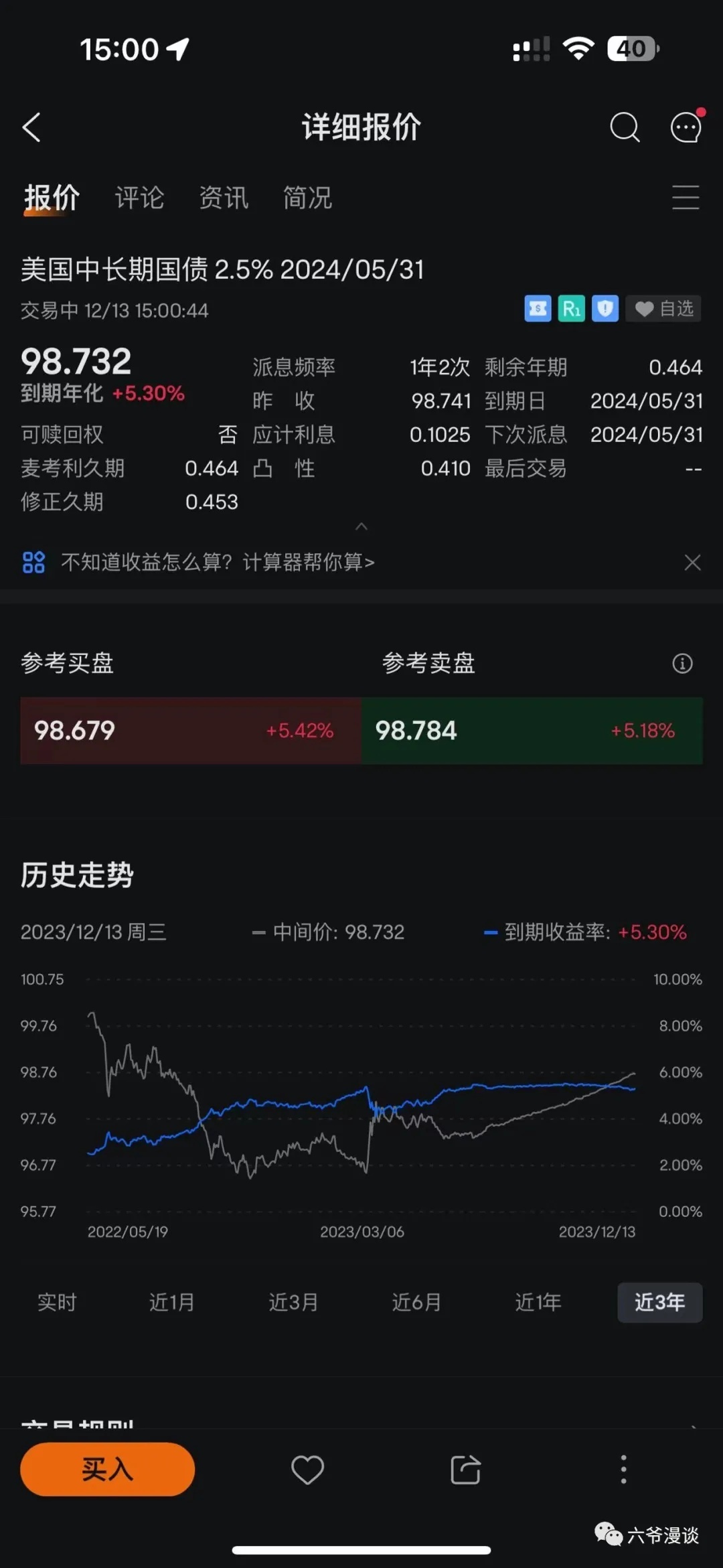
You can see the maturity date is May 31, 2024, the interest rate is 2.5%, the price is 98.732, with semi-annual interest payments, and the yield to maturity is 5.3% (Futu has already calculated this for you). One thing to note is the accrued interest, which means you need to pay the seller the interest for the days they held the bond—here, it’s 0.1025.
Similarly, when you sell, you’ll receive the interest for the days you held the bond, without waiting for the next interest payment. Click the "Buy" button to enter the purchase page, where you’ll see the estimated amount is slightly higher than the [buy price]. This is because the broker includes accrued interest and a buffer (it may take a week to settle). The minimum purchase here is $1,000 face value.
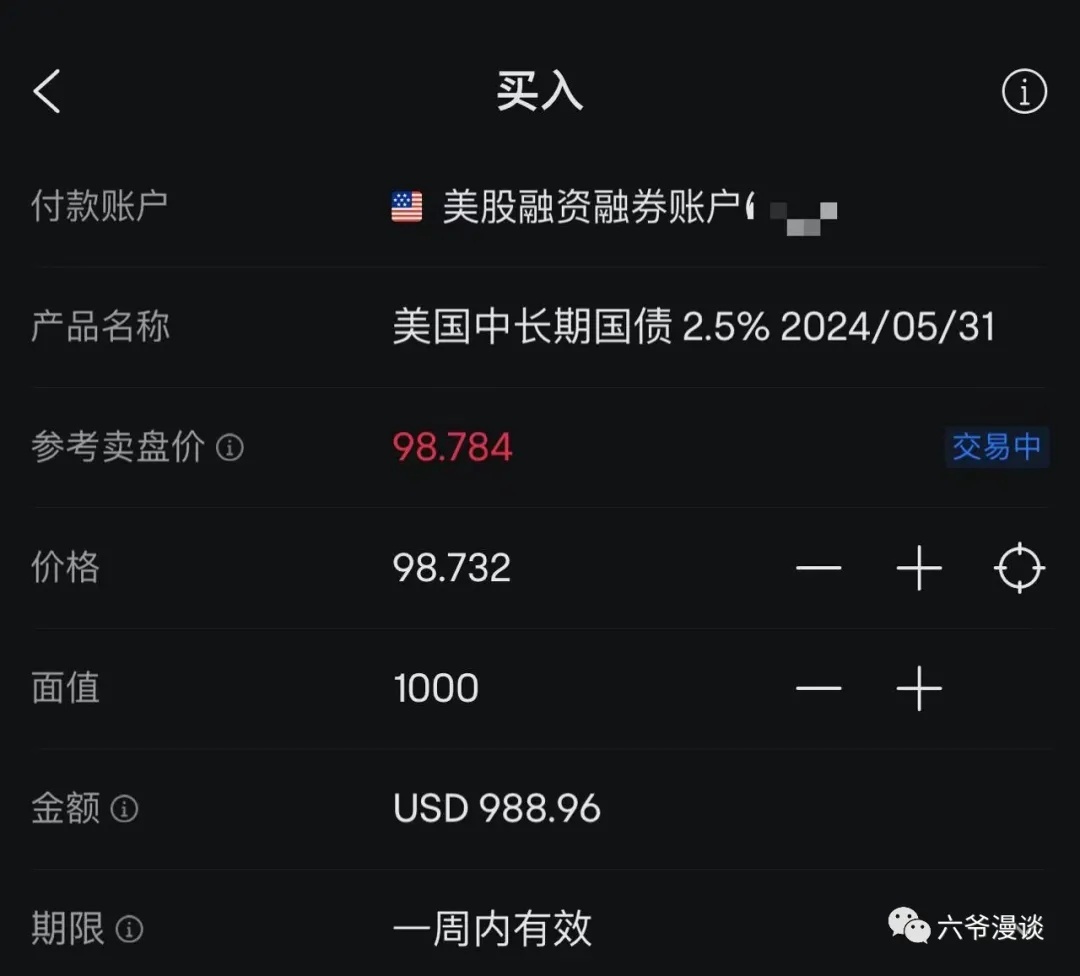
Then click "Confirm Order" and wait for the purchase to complete. Pretty simple, right? The main hurdles are the Hong Kong bank account and a Hong Kong/U.S. stock brokerage that supports UST trading. These are solvable—check my other articles or DM me.
Extension: Are There Alternatives to U.S. Treasuries?
There are UST ETFs in the U.S. stock market, such as TLT.
Extension: How Did My UST Yield Reach 11% in Just Over a Month, Far Exceeding 5%?
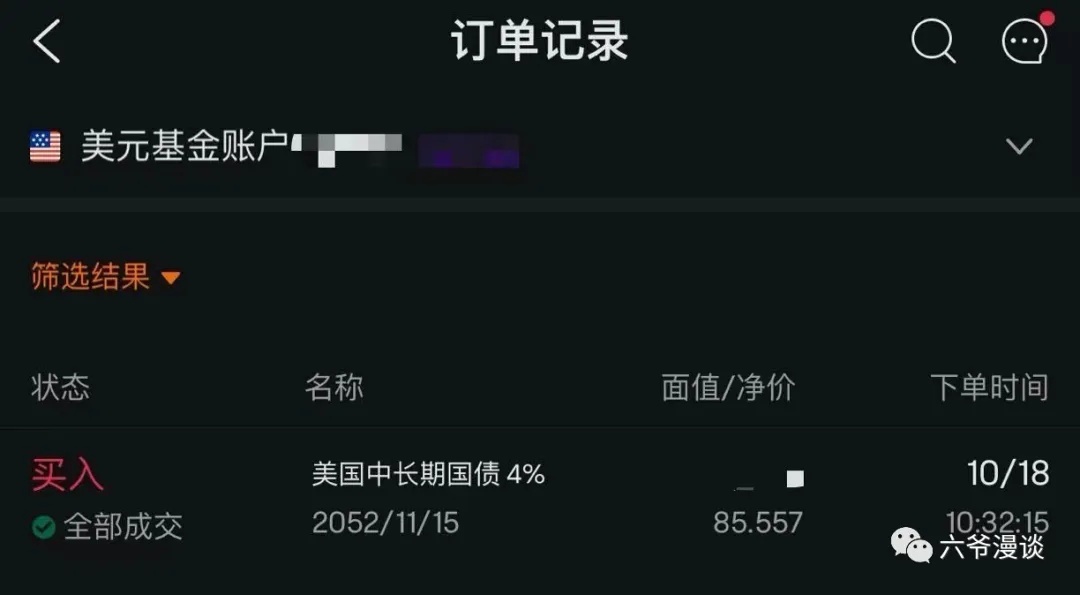
The key was buying at the bottom when UST prices were low. The main logic here: The Fed stopped raising rates, expectations of rate cuts grew, and dollar deposit rates fell (now at 5.5%).
More investors [might] withdraw funds from banks to buy fixed-rate bonds, driving bond prices up.
The profit comes from the rise in UST prices. Buying UST at prices below face value allows you to profit from price appreciation or interest income—both are solid options.$iShares barclays 20+ Yr Treasury Bd(TLT.US) $Invesco QQQ Trust(QQQ.US)
The copyright of this article belongs to the original author/organization.
The views expressed herein are solely those of the author and do not reflect the stance of the platform. The content is intended for investment reference purposes only and shall not be considered as investment advice. Please contact us if you have any questions or suggestions regarding the content services provided by the platform.
