


The 5000-yuan La Prairie lost to the 50-yuan Nivea, the luxury cream is out of fire.
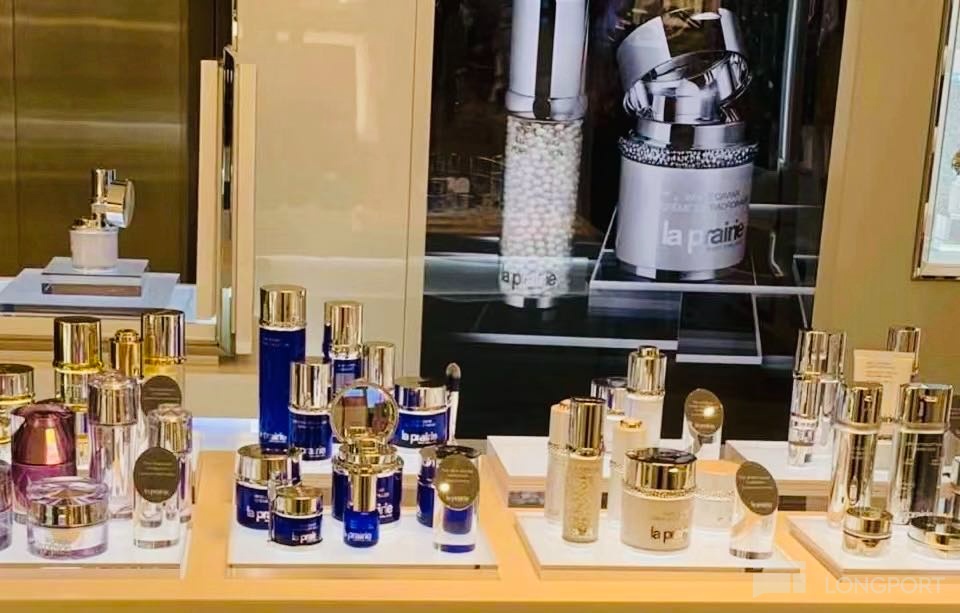
After years of rapid growth and post-pandemic revenge travel spending, the business of luxury face creams is no longer thriving.
On August 7, German skincare giant Beiersdorf announced its first-half 2024 performance: sales of its Nivea and Derma brands grew by 11.1% and 8.3% respectively, while its luxury brand La Prairie saw a 7% decline in sales due to a sharp downturn in China's luxury skincare market.
In the high-end skincare segment, Switzerland-born La Prairie is one of the representative brands, with pricing surpassing Estée Lauder's La Mer, Shiseido's Clé de Peau Beauté, and L'Oréal's Helena Rubinstein (HR).
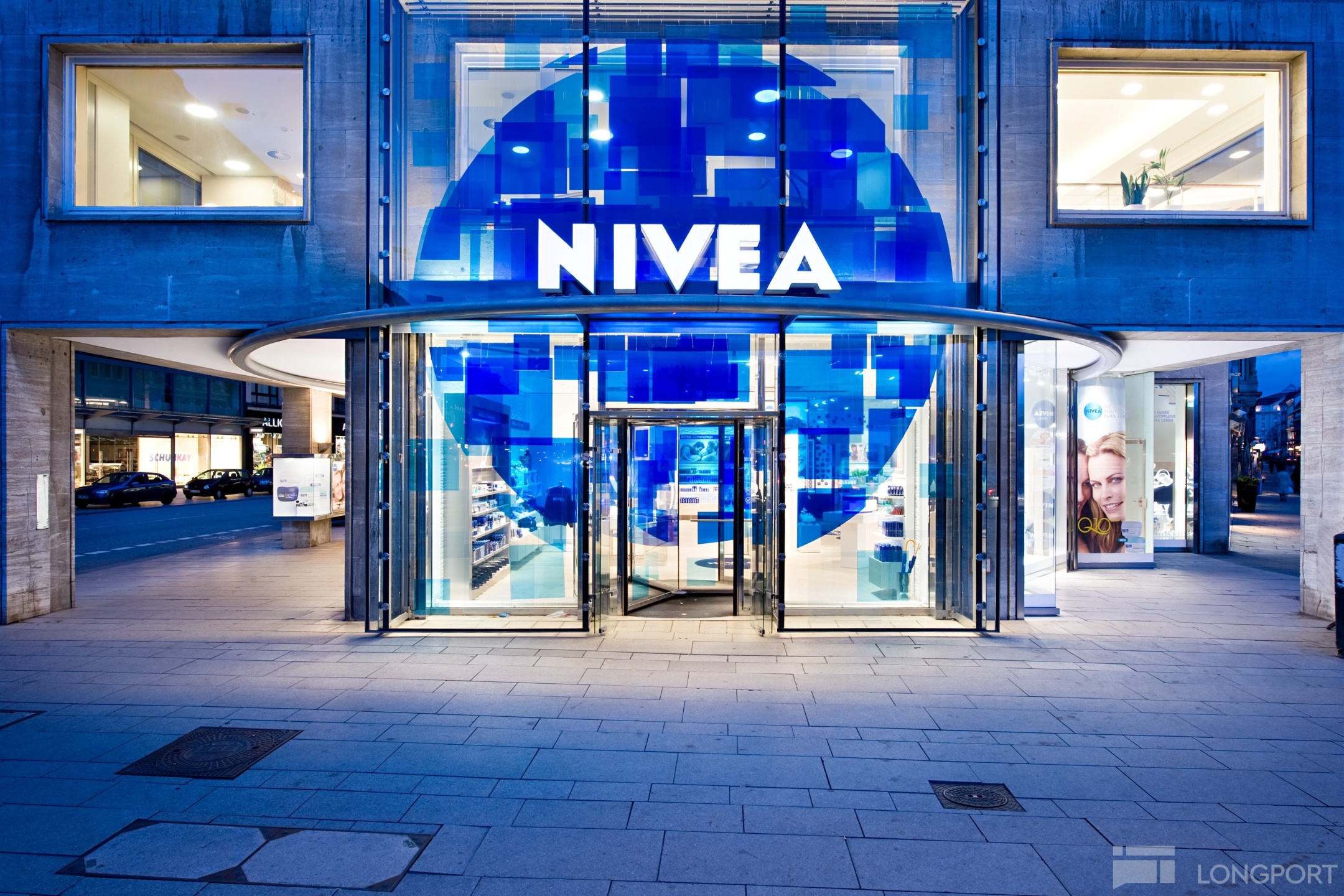
La Prairie's flagship cream retails for nearly 5,000 yuan, while its classic skincare set costs around 15,000 yuan, with only one cleanser priced below 1,000 yuan. In contrast, its sister brand Nivea offers products mostly priced at a few dozen yuan.
Like other luxury categories, these "luxury skincare products" have long followed the rule of "the more expensive, the better they sell." Over the years, La Prairie has quietly raised prices, avoided discounts, and stayed away from shopping festivals.
Now, in the wave of "affordable alternatives," the landscape for La Prairie and CPB is being overturned.
Performance
Earlier, the rise of niche skincare brands made mass-market brands like Nivea struggle. La Prairie catered to consumers' demand for natural and high-tech ingredients.
After 2017, La Prairie maintained double-digit quarterly growth, even reaching 55% at times. Even during the pandemic, it performed well thanks to e-commerce and Hainan's duty-free channels.
In December 2020, La Prairie launched on Tmall to attract younger Chinese consumers, albeit later than competitors. E-commerce and Hainan duty-free shops helped La Prairie's 2021 sales in mainland China grow 70% compared to 2019 and over 30% compared to 2020, surpassing market averages.
Then-CEO Stefan De Loecker said, "We believe China's growth will far outpace our global growth... With this momentum and brand equity, our model in other emerging markets will pay off and drive profitability in the medium term."
But just three years later, the tables have turned, with budget-friendly Nivea leading the group with double-digit growth.
In the first half of 2024, Beiersdorf's consumer business unit saw nominal sales rise 5.4% to 4.3 billion euros (4.1 billion euros in H1 2023). EBIT was 688 million euros (700 million euros in H1 2023), with an EBIT margin of 15.9% (17.0% in H1 2023).
Nivea (including Labello) achieved sales of 2.956 billion euros in H1 2024, up 11.1% YoY (7.6% nominal growth), compared to 2.748 billion euros in H1 2023.
The iconic brand grew in all major regions, with emerging markets and Germany showing the most significant gains. All major categories saw double-digit growth, especially facial care, body care, sunscreen, and deodorants.
Meanwhile, luxury brand La Prairie saw sales drop 7.0% in H1 2024. Nominal sales fell 7.2% to 272 million euros (294 million euros in H1 2023).
At the earnings call, CEO Vincent Warnery attributed the decline to economic headwinds and challenges in travel retail. Previously, luxury brands thrived in China due to pre-pandemic consumer confidence, but now most are cutting luxury spending.
He noted China's luxury skincare market is slowing but still sees the country as a key growth opportunity in the medium to long term.
La Prairie's struggles are not unique.
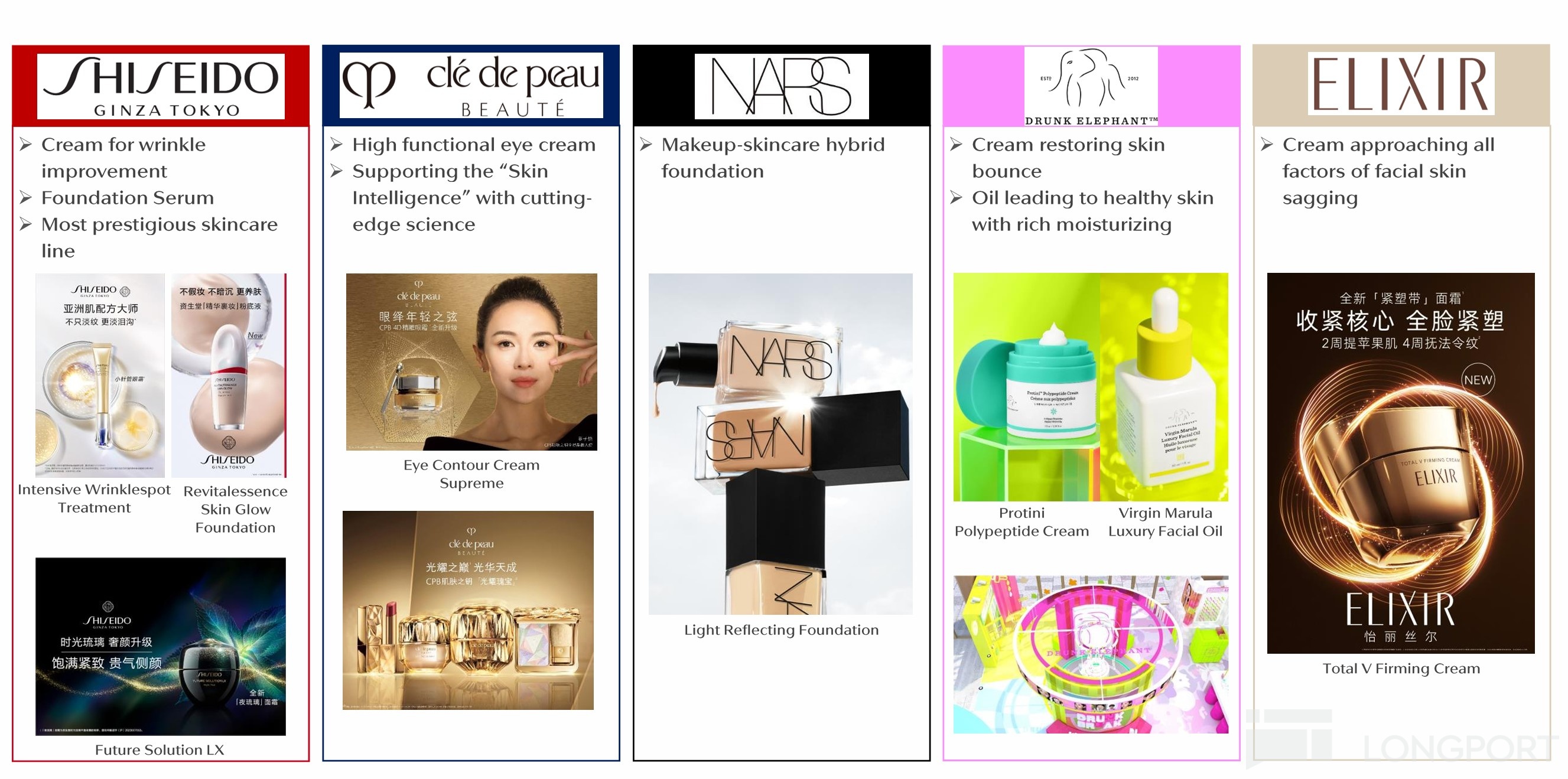
The same day, Shiseido reported H1 results, with mainland China store sales down 10%-15% and core operating profit for China at 4.9 billion yen (240 million yuan), down 10% YoY. Shiseido operates its namesake brand and high-end line Clé de Peau Beauté.
Earlier in June, L'Oréal CEO Nicolas Hieronimus warned of a slowdown in the global beauty market, with China's post-boom fatigue pressuring sales. L'Oréal estimates 4.5%-5% growth this year, down from an earlier 5% forecast.
China has long been L'Oréal's growth engine, especially for premium cosmetics.
Turning Point
La Prairie's downturn came somewhat abruptly, as its Q1 (including Valentine's Day) data was strong. CEO Warnery was optimistic then:
"(In Q1 2024) we benefited from La Prairie's strong momentum in most Asian countries. We are growing—double digits in Japan, Singapore, Korea..."
"We expect La Prairie to return to growth in 2024... In China's domestic market, we achieved 14% growth. We also completed inventory normalization in travel retail by Q1-end."
"The brand saw promising results from new product extensions. Combined with our strong e-commerce strategy, we're optimistic about La Prairie's acceleration in H2. China's luxury segment is finally recovering, with La Prairie posting double-digit Q1 growth."
This optimism had a backdrop—La Prairie faced internal challenges in 2023:
Post-pandemic inventory buildup led to a "cleanup year" in 2023. Some distributors bought stock cheaply overseas and resold it at discounts in China. Meanwhile, Chinese travelers returned, and management blamed resellers for undermining pricing.
The result: La Prairie and another premium brand, Chantecaille, saw sales drop 15.4% and 18.4% in 2023. But Q4 2023 brought double-digit growth, leading management to believe the worst was over.
Unfortunately, 2024's consumer climate dashed that hope.
Affordable Alternatives
Third-party data paints a clearer picture.
In June 2024, Bain's "China Shopper Report 2024" showed personal care sales rebounding (+5.1%) but average selling prices plunging 7.5%.
Budget-conscious Chinese consumers are turning to local brands offering cheaper alternatives, intensifying competition and dragging down prices. Skincare, makeup, and conditioner saw ASPs drop 8.8%, 13.2%, and 6.8%, respectively.
In this saturated market, new brands challenge incumbents with value-for-money products, while established players ramp up promotions. Skincare and makeup are seeing the most "affordable alternative" trends.
Foreign brands are fighting back with bigger discounts. For example, Estée Lauder's Advanced Night Repair eye cream offered more freebies during 2024's Women's Day, lowering its per-gram price by 15% YoY.
Also in June, CEO Warnery told investors, "Q1 was tough. Q2 will be tough too."
On August 7, he tried to reassure them with granular data:
"La Prairie's H1 shows positive signs. China's luxury skincare market fell 12%, but La Prairie's decline was milder at 6%."
The company plans to revamp La Prairie's image and expand its range with entry-level products to attract younger consumers.
The copyright of this article belongs to the original author/organization.
The views expressed herein are solely those of the author and do not reflect the stance of the platform. The content is intended for investment reference purposes only and shall not be considered as investment advice. Please contact us if you have any questions or suggestions regarding the content services provided by the platform.
