


Super IP 'Tomb Raider Chronicles', can it still withstand Tencent's tinkering?


With the surprise release of Tencent Video's "Tibetan Sea Flower," the ninth version of "Pingxie" has emerged, leaving fans of "The Lost Tomb" unsure whether to rejoice or worry.
The joy comes from the fact that the "Lost Tomb Universe" has maintained vigorous vitality over the past 18 years, with even spin-off novels becoming hot properties for IP adaptations. The worry, however, stems from the perception that each new adaptation of the "Lost Tomb" series seems to fall short of its predecessors.
But the power of a super IP lies in the fact that even if it faces widespread criticism and resistance before its release, audiences are still willing to give it a chance once it officially airs. Thus,"Tibetan Sea Flower," which premiered just three days ago, quickly topped Tencent's internal trending list and rose to second place on Maoyan's nationwide popularity chart.
Yet, even with lowered expectations, the current quality of "Tibetan Sea Flower" remains within the realm of what audiences anticipated.
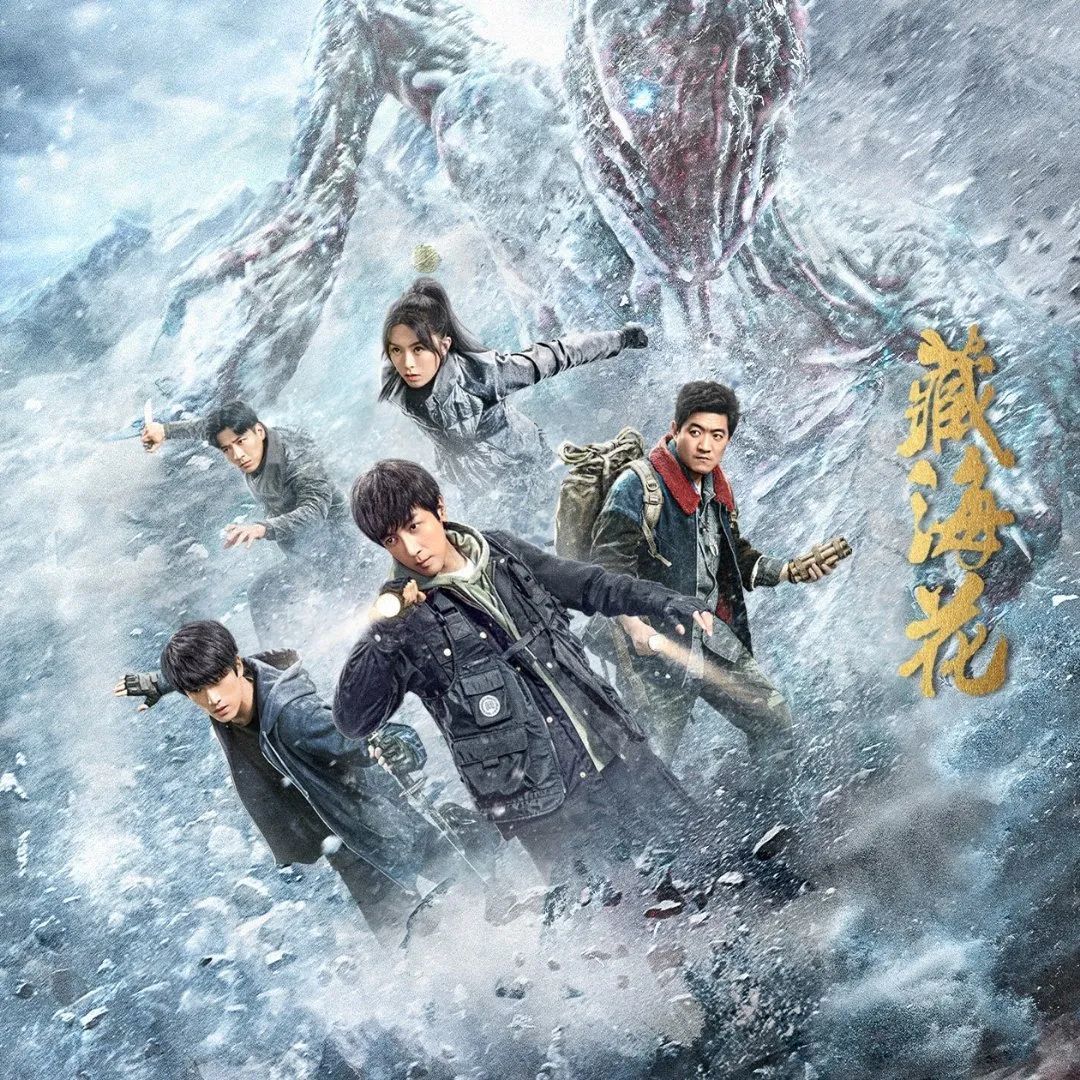
From the public sentiment surrounding "Tibetan Sea Flower," almost all controversies revolve around the casting choices for "Pingxie," which is also the main reason why original fans find it hard to continue watching.
First, Zhang Luyi, who plays Wu Xie, doesn't quite match the age and appearance described in the original work.
In fact, "Tibetan Sea Flower" is not part of the main "Lost Tomb" series. The story begins in 2010, five years after the main series ends and Zhang Qiling enters the Bronze Gate, making it a spin-off sequel. Therefore, Wu Xie in "Tibetan Sea Flower" is supposed to be older.
Given that Wu Xie was born in 1977, he should be 33 years old at the start of "Tibetan Sea Flower." Zhang Luyi, however, is 44 this year, and his appearance isn't youthful enough, creating a significant gap from the original character and making it hard for audiences to immerse themselves.
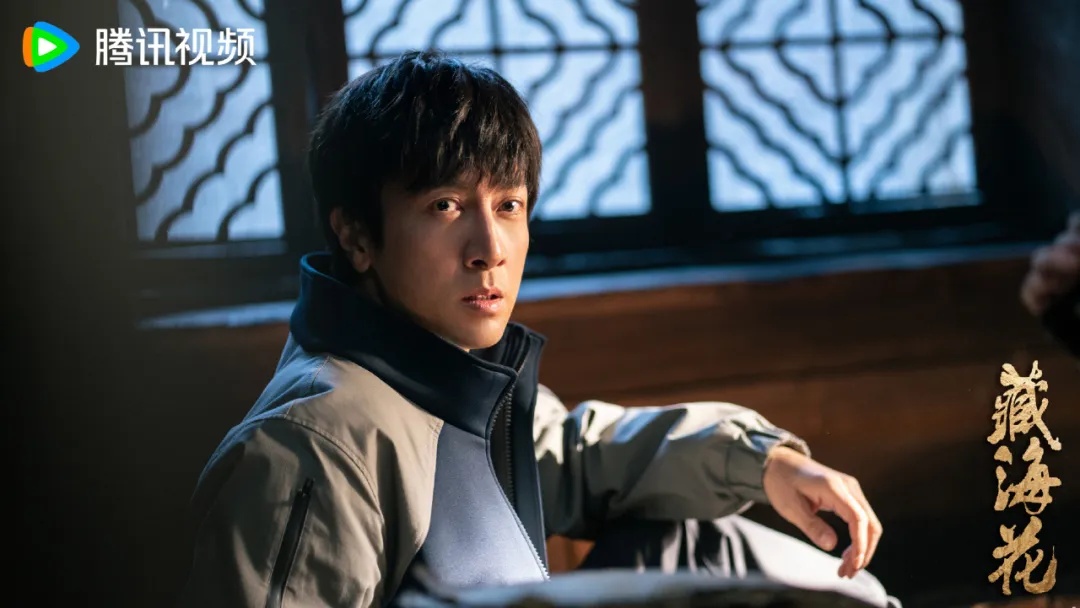
Second, there are issues with Zhang Kangle's portrayal of Zhang Qiling, particularly in terms of appearance and fight scenes.
It's no exaggeration to say that Zhang Qiling is the "white moonlight" of online novel IPs. Original fans have high standards, and few adaptations have satisfied them. Zhang Kangle's biggest mismatch isn't his looks—compared to specific facial features, Zhang Qiling's charm lies in his character's essence and aura, which are the hardest to replicate. For example, Zhang Kangle comes across as somewhat "wooden" in the show, and his fight scenes lack the crispness expected of Zhang Qiling, blurring the character's appeal.
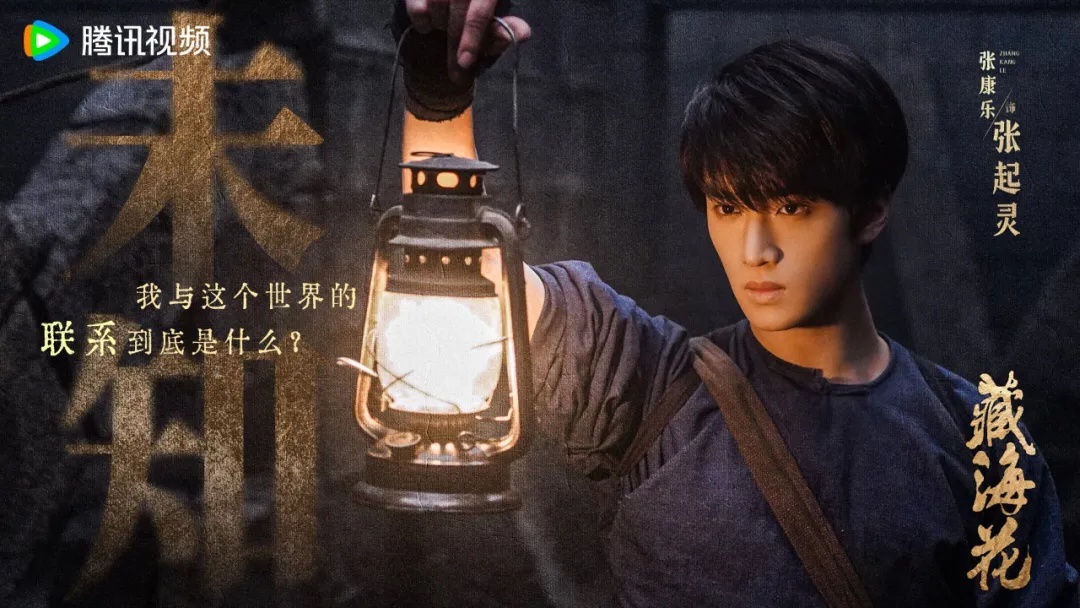
Aside from the casting issues, objectively speaking, "Tibetan Sea Flower" is relatively faithful to the original plot. Zhang Luyi's acting carries the role well, and aside from some significant changes to specific place names, the pacing follows the original. However, before audiences could even delve into the story, the casting choices had already driven away many original fans.
In fact, anyone who has followed Tencent's "Lost Tomb" adaptations over the years would notice that casting has always been a recurring problem. Since their first collaboration announcement in 2016, Tencent has yet to produce a single standout live-action adaptation of "Lost Tomb."
The Lost Tomb and Tencent
Compared to Tencent, iQiyi was actually the first to capitalize on "The Lost Tomb."
In 2013, Huanrui Century acquired the TV adaptation rights for "The Lost Tomb" and partnered with iQiyi to release a web series in 2015. Its popularity was phenomenal, not only crashing iQiyi's servers but also ushering in the era of paid content on video platforms.
Encouraged by this success, iQiyi released "The Mystic Nine," a prequel to "The Lost Tomb," the following year, which became the platform's first self-produced series to surpass 10 billion views, significantly boosting iQiyi's paid membership numbers.
With the 2016 Qixi Festival release of "The Lost Tomb" movie grossing 1.003 billion yuan and ranking among the top five Chinese films that year, the value of this super IP became undeniable.After 2016, Tencent and iQiyi engaged in a fierce battle for Huanrui Century—or more accurately, a battle for the "Lost Tomb" IP.
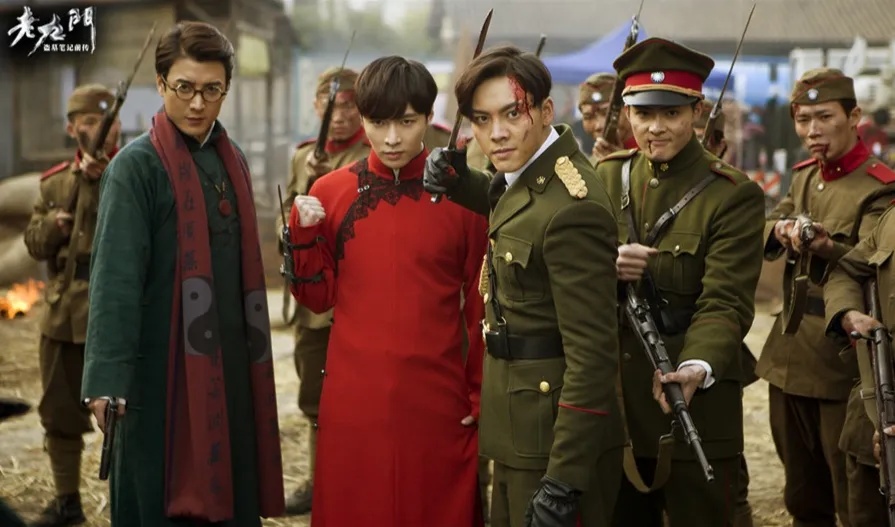
Although iQiyi had the early advantage in developing the "Lost Tomb" IP universe, Tencent, as a latecomer, was not to be outdone.
In 2016, Penguin Pictures, just a year old at the time, announced a partnership with Huanrui Century at its annual conference to co-produce "The Lost Tomb: Cloud Top Heavenly Palace," covering volumes four and five of the main series.
However, this collaboration eventually shifted to "The Lost Tomb: Sea of Sand & Qinling Divine Tree," adapting volumes two and three. While "Cloud Top Heavenly Palace" still aired on Tencent Video, Penguin Pictures was no longer listed among the producers. In hindsight, Tencent dodged a bullet—"Cloud Top Heavenly Palace" scored a dismal 2.6 on Douban, nearly tarnishing Huanrui's reputation.
Beyond the main series, Tencent took a different approach by partnering with Nanpai Sanshu to adapt spin-offs like "The Lost Tomb: The Sea of Sand" and its sequel "Tibetan Sea Flower," marking Tencent's direct involvement in producing live-action adaptations.
Yet, despite deep engagement in the "Lost Tomb" IP universe,Tencent's adaptations have repeatedly faltered.
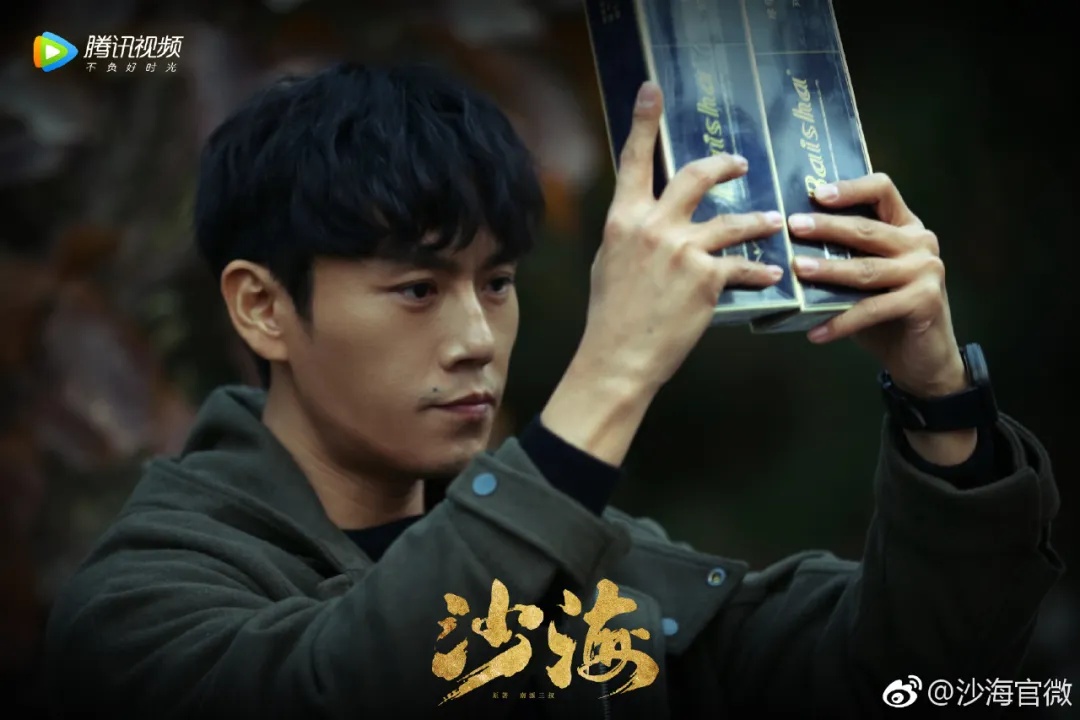
On one hand, there are production issues. Every "Lost Tomb" series from Tencent has faced casting controversies. For example, Cheng Yi's portrayal of Zhang Qiling in "The Lost Tomb: Sea of Sand & Qinling Divine Tree" was a complete mismatch in both looks and aura.
While Xiao Yuliang's version of Zhang Qiling in "The Sea of Sand" satisfied original fans, Qin Hao's Wu Xie drew criticism. Just as Qin Hao's acting salvaged the show, the plot's pacing and rushed ending dragged it down, resulting in a mediocre 6.4 Douban rating.
On the other hand, the tomb-raiding genre's appeal has waned, and adaptation constraints have tightened.
Early adaptations like iQiyi's web series and Shanghai Film's movie also faced casting and content criticisms, with Douban scores below passing marks. Their success was largely due to the novelty of the tomb-raiding genre.
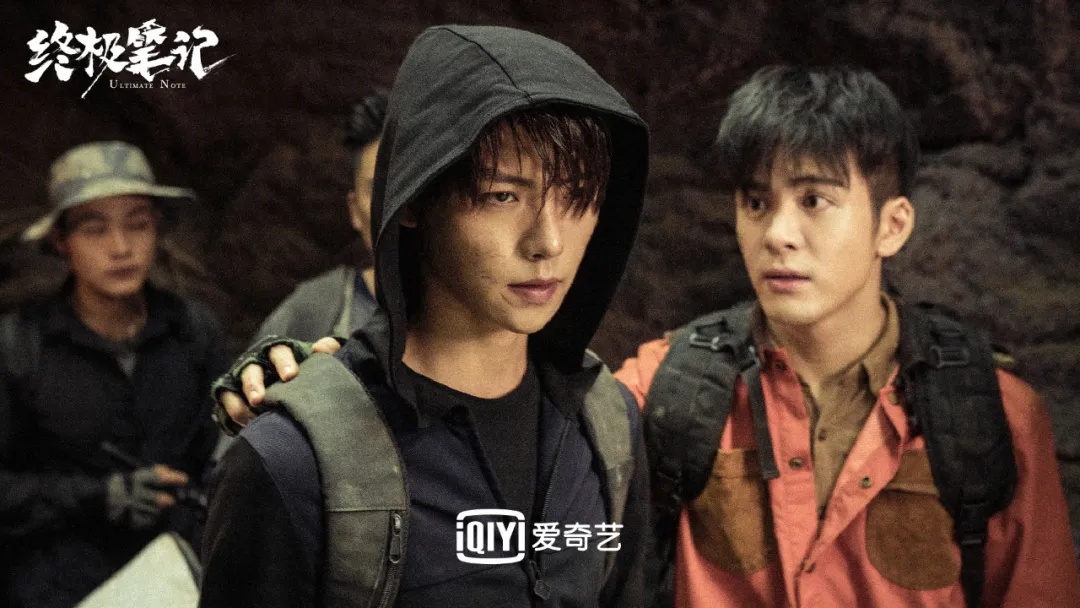
After the genre's peak, iQiyi experimented with fresh casting and character dynamics, resulting in "Ultimate Note," the highest-rated "Lost Tomb" adaptation at 8.2 on Douban.
Tencent, entering the adaptation game later, remained focused on the tomb-raiding theme without exploring new angles. Its failure to capture the original's essence in character and content led to predictable setbacks, including "Tibetan Sea Flower's" poor reception.
The repeated failures have undoubtedly taken a toll on the "Lost Tomb" IP. Under Nanpai Sanshu's post promoting "Tibetan Sea Flower," one comment stood out: "Honestly, Sanshu, stop milking this book. If this continues, even loyal fans will give up. Our patience is wearing thin."
This sentiment reflects the challenges of adapting "The Lost Tomb." How much longer can this super IP endure?
Even Super IPs Can't Withstand Endless Missteps
Objectively speaking, blaming Tencent alone for "The Lost Tomb's" struggles is unfair.
Tencent has actually succeeded in building another super IP universe—"Ghost Blows Out the Light." After some trial and error with productions like "Candle in the Tomb" (2016), "The Weasel Grave" (2017), and "The Wrath of Time" (2019), Tencent settled on a team led by producer Guan Hu and actor Pan Yueming.
The 2020 hit "The Longest Day in Chang'an" solidified the trio of Pan Yueming, Zhang Yuqi, and Jiang Chao as the core cast.With a stable platform, production team, and cast, the consistent style made it easier to establish a cohesive series concept.
Today, the "Ghost Blows Out the Light" series is a flagship title for Tencent Video, cultivating a dedicated audience and strong brand recognition.
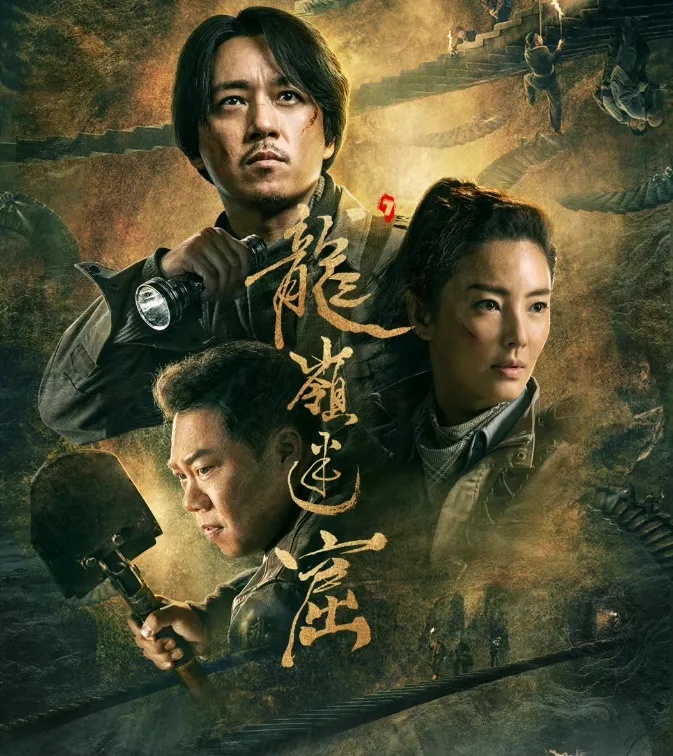
In contrast,"The Lost Tomb" adaptations feel scattered and disjointed. The lack of a coherent development sequence, cast continuity, or platform strategy has made the already complex "Lost Tomb Universe" even more chaotic.
One reason is that Nanpai Sanshu initially handed the main series rights to Huanrui Century while retaining spin-off IPs under Nanpai Entertainment, splitting ownership. Another is that Tencent's integrated production and distribution model allows for streamlined development, whereas Nanpai Entertainment relies on external partnerships.
The reality is,the "Lost Tomb" IP's fragmented management has led to inconsistent production quality and presentation, making it hard to form a unified series concept or maximize its potential.
After regaining the main series rights from Huanrui in 2019, Nanpai Sanshu announced plans to remake "Cloud Top Heavenly Palace" and other spin-offs once their rights expired.
But with the tomb-raiding genre's decline and the IP's diminishing appeal, even Nanpai Sanshu's direct involvement may not guarantee a strong market response.
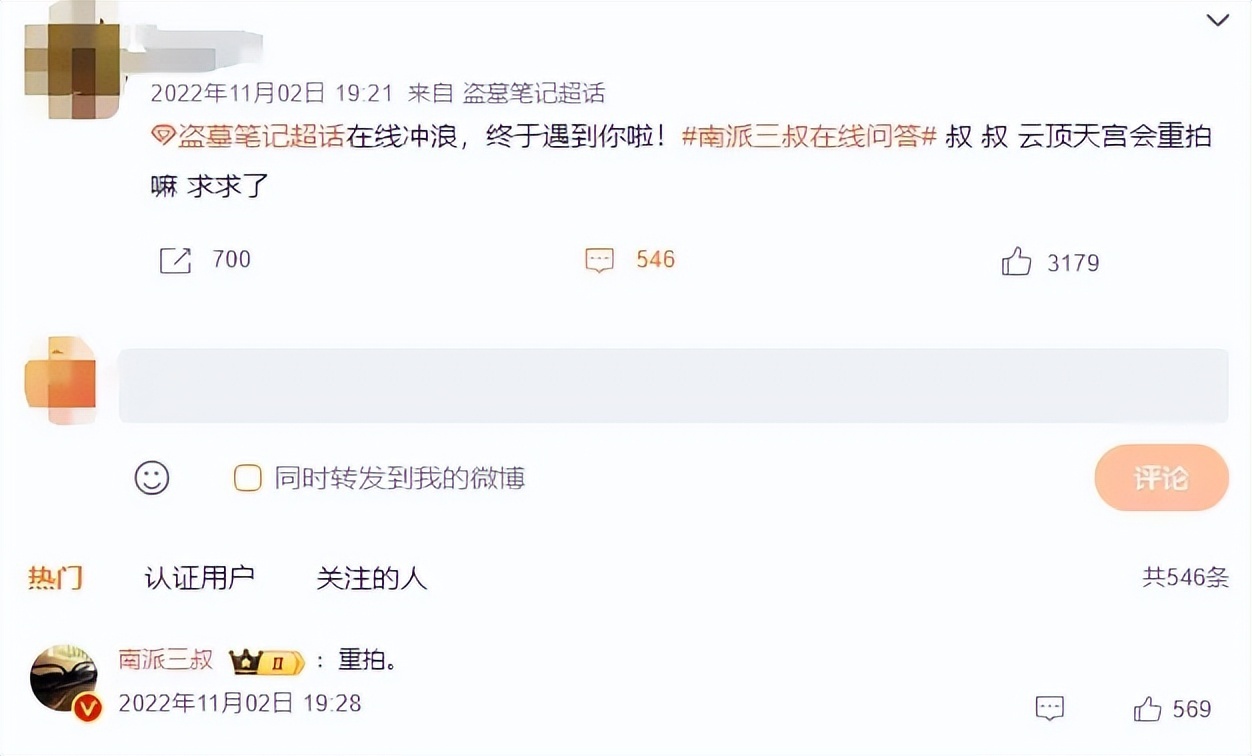
In 2014, Nanpai Investments, Huanrui Century, and Enlight Media announced the"Lost Tomb Grand Plan," a 10-year project aiming to generate over 20 billion yuan in market value.
Now, a decade later, the three parties have disbanded, even battling in court over rights. Yet Nanpai Sanshu persists in building the "Lost Tomb Universe," leaving the market wondering when—or if—the original goals will be achieved.
The copyright of this article belongs to the original author/organization.
The views expressed herein are solely those of the author and do not reflect the stance of the platform. The content is intended for investment reference purposes only and shall not be considered as investment advice. Please contact us if you have any questions or suggestions regarding the content services provided by the platform.
