


Three Sheep's 'flop' sounds the alarm for live-streaming e-commerce


The "Three Sheep" incident exposed supply chain vulnerabilities and regulatory lags, leading to consecutive scandals among top influencers and damaging the reputation of platforms like Kuaishou and Douyin, exacerbating consumer trust crisis.
@新熵 Original
Author 丨 Bai Lu Editor 丨 Jue Ying
Since Xinba was suspended, top influencer Xiao Yangge has also faced penalties.
For allegedly misleading consumers, on September 17, the Hefei High-Tech Zone Market Supervision Bureau initiated an investigation into Three Sheep Network Technology Co., Ltd. (hereinafter referred to as "Three Sheep"). The bureau stated that it would handle the case according to the investigation results and strictly enforce the law against any illegal activities in the company's live-streaming sales.
On the eve of the Mid-Autumn Festival, the "Hong Kong premium mooncakes" by Meicheng, with monthly sales of 50 million yuan, were exposed as being manufactured in Guangdong, sparking public skepticism about Three Sheep's potential false advertising.
The "Three Sheep" incident highlights the systemic issues in live-streaming e-commerce: supply chain flaws, growth stagnation, and regulatory delays.
Influencers stumble, platforms suffer

The mooncake issue is not isolated. Three Sheep has previously been embroiled in controversies over product quality, including "fake Moutai," "inferior pork," and "counterfeit beef rolls."
Although the "Three Sheep" incident continues to unfold, the company resumed live-streaming on the 18th after two positive developments: the Guangzhou Huadu District Bureau announced that Meicheng mooncakes passed food safety inspections, and Moutai stated it had no collaboration with third-party authentication agencies—a statement that implicitly rejected Xinba's product evaluation claims.

From Xinba and Xiao Yangge to Dongfang Zhenxuan, Dong Yuhui, Luo Yonghao, and earlier cases like Viya's shutdown and Li Jiaqi's controversy, top influencers' scandals have come in waves. But the real victims are the platforms behind them—suffering declining GMV, reduced traffic, user attrition, and reputational damage.
Take Xiao Yangge as an example. This dispute and quality issues have impacted Three Sheep's fan base, transaction volume, and reputation. According to Feigua Data, "Crazy Xiao Yangge" lost over 2.18 million followers in the past 30 days. Chanmama Data shows that in the last 90 days, Xiao Yangge's Douyin account lost 3 million followers, while Three Sheep Network's Douyin account shed 265,000 followers.
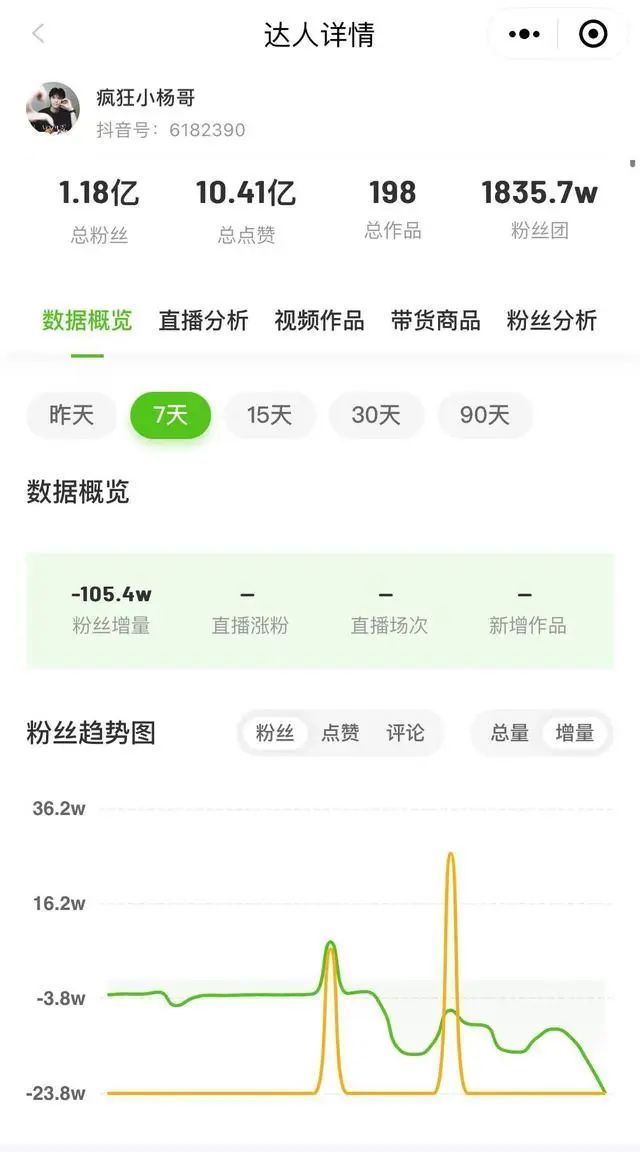
In terms of sales, from September 14 to 16, sales dropped over 75% compared to the previous week (September 7-9), hitting a 30-day low.
As the pillars of these platforms, all losses incurred by top influencers ultimately rebound onto the platforms themselves.
With recurring quality issues, many users have grown skeptical of top influencers and cautious about platform credibility when placing orders.
Live-streaming e-commerce credibility collapse: Where are the legal boundaries?

After an era of unchecked growth, the days when live-streaming e-commerce could thrive solely on low prices and influencer credibility are over. The Three Sheep incident fundamentally exposes industry-wide problems—supply chain and quality control issues, cutthroat competition, growth fatigue, and regulatory lags.
First, product quality issues are the most frequent complaints in live-streaming sales. Compared to traditional e-commerce, live-streaming commerce exhibits a series of shortcomings in supply chain management, product selection, quality inspection, and after-sales service.
Because influencers' earnings are directly tied to sales volume, some prioritize high profits and commissions over supply chain and quality control, leading to frequent complaints and exposures of counterfeit or shoddy products. Others resort to exaggerated or even false advertising to attract attention and boost sales, misleading consumers.
Second, the live-streaming e-commerce pie is shrinking. Beyond Douyin, Kuaishou, and Taobao, newcomers like WeChat Channels, Xiaohongshu's niche approach, and entries by JD.com and Baidu mean more players are dividing an increasingly smaller market.
Finally, legal oversight suffers from unclear liability definitions. Platform influencers often position themselves as product endorsers—neither producers nor sellers—to evade responsibility for sales issues.
Huang Yinxu, associate professor at Renmin University's Law School, noted that when top influencers face scandals, most only bear joint liability as advertisers, making it difficult to fundamentally curb misconduct. This stems from inadequate legal definitions that primarily treat influencers as advertisers while overlooking their potential roles and responsibilities in live-streaming sales.
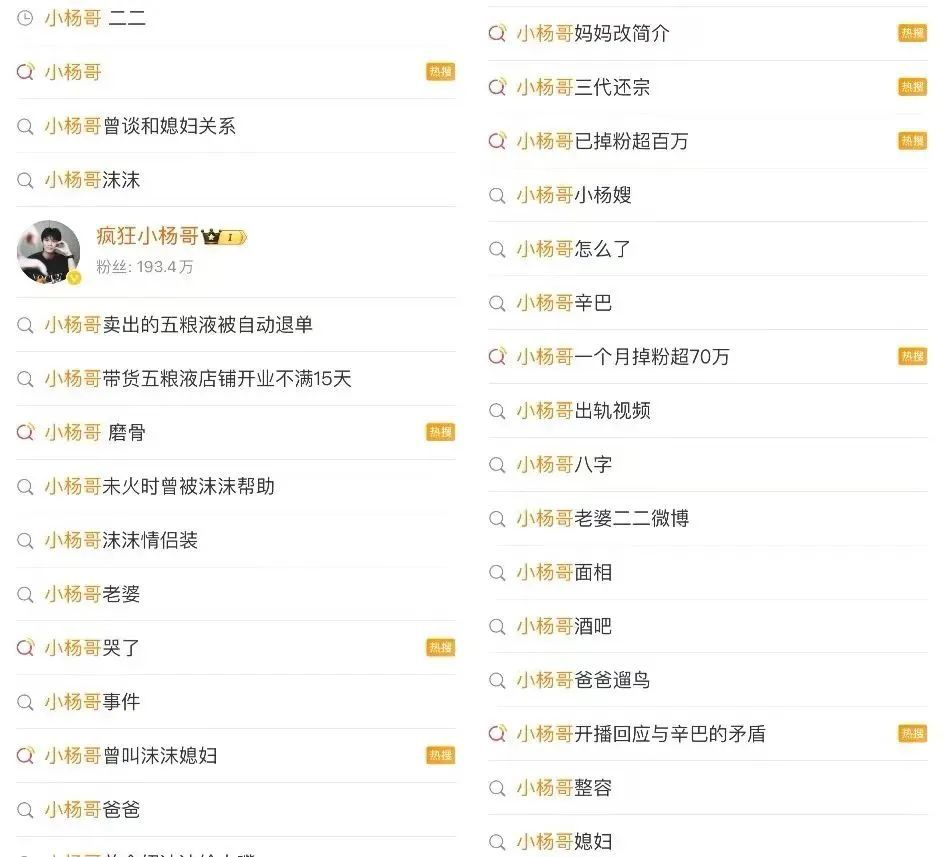
With internet traffic plateauing, live-streaming e-commerce growth has slowed, showing signs of fatigue.
Latest data shows Douyin E-commerce's GMV grew 46% year-over-year, down from 80% in 2023 and 320% in 2022. However, its shelf commerce scenario, launched in 2022, saw GMV grow 86%, contributing significantly to overall performance.
Amid frequent live-streaming issues and sluggish user growth, shelf commerce has become key to the industry's transformation. Through personalized recommendations, shelf scenarios enhance shopping experiences, better identify target audiences, and ultimately improve conversion rates.
Accordingly, Douyin has increased investment in shelf commerce since 2022, with Kuaishou following suit. Kuaishou Mall data shows GMV for its shelf commerce scenario grew 145% year-over-year during the "38 Shopping Festival."
The copyright of this article belongs to the original author/organization.
The views expressed herein are solely those of the author and do not reflect the stance of the platform. The content is intended for investment reference purposes only and shall not be considered as investment advice. Please contact us if you have any questions or suggestions regarding the content services provided by the platform.
