


Short drama premiered, global IQ level evolved 3000 times overnight


The hardships of being a wage slave have finally driven workers insane. This time, people are choosing to escape into short-drama rebirth stories to relieve stress, and this method is quickly spreading like a contagious phenomenon.
First, an educator wrote on Douyin:
"Global teaching standards have regressed by a hundred years. During an open class, I used a situational teaching method that made the academic supervisor in the back row slap his thigh in excitement, praising me as a once-in-a-lifetime teaching genius and promoting me to senior teacher as an exception."
Then, a bank employee calmly narrated:
"I woke up to find the marketing skills in the banking industry had plummeted ten thousandfold. The leaders were gathered in a meeting room discussing quarterly deposit targets. I blurted out, 'Deposit money and get free rice and flour,' shocking the entire room. The bank president rushed over to shake my hand and said, 'Who would have thought such a small branch had a marketing genius that comes once in a millennium?'"
Even I once fantasized about publishing an article that would shake the entire industry, with everyone reposting it on social media asking, 'Who’s the author? How did they think of adding so many exclamation marks in the title?!'"
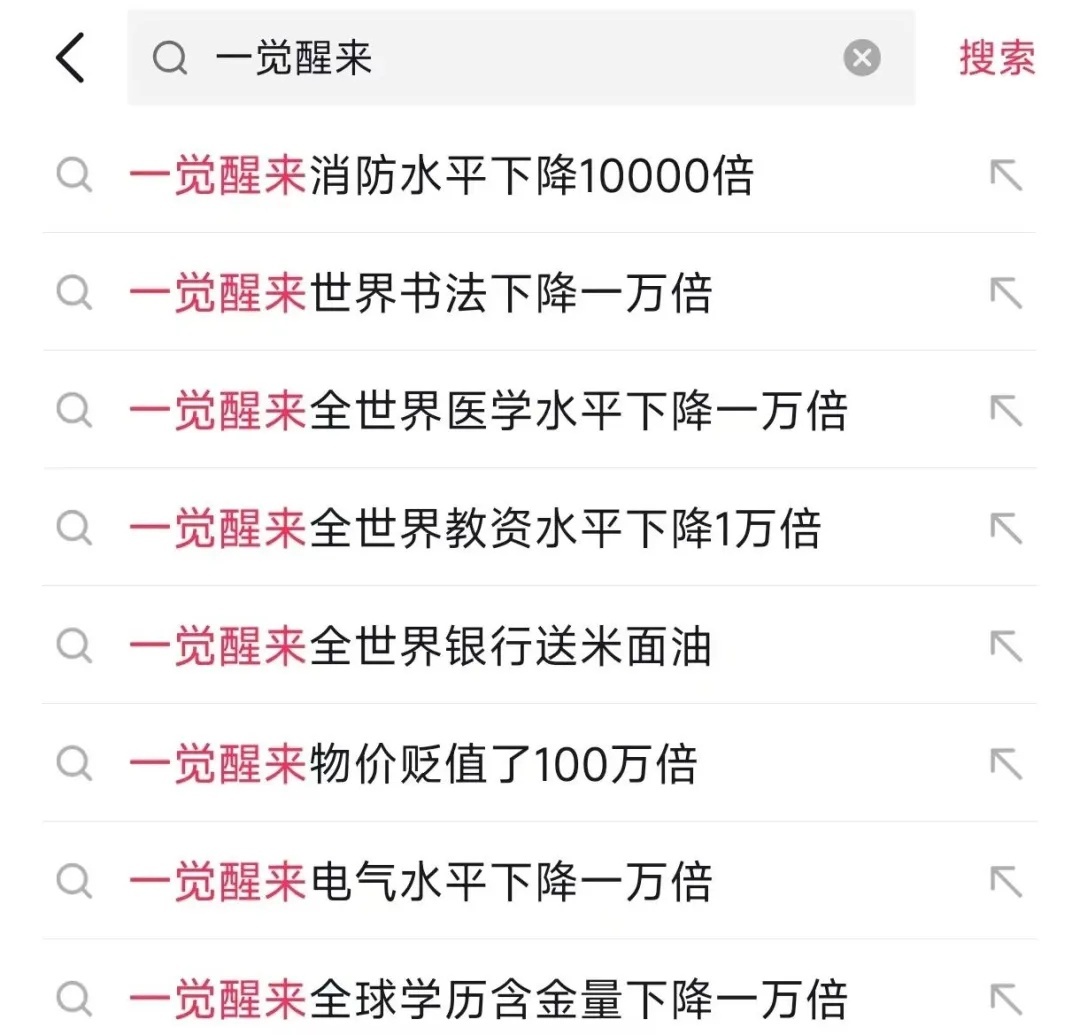
Industries like education, banking, and media—especially those notorious for high pressure and cutthroat competition in recent years—are more prone to this kind of mass hysteria. The comment sections are often filled with brutal remarks from fellow professionals, such as "Just the delusions of a burnt-out worker bee before exploding" or "The fantasies of someone about to be whacked by an old man’s cane."
But the most upvoted comments are invariably: Uninstall those short-drama apps first.
Short dramas—once considered a guilty pleasure—are now proving their real influence and market dominance through this unique form of "remix content."
Happiness Is a Precise Calculation
Yan Le, a teacher with just two years of experience, has been watching short dramas intermittently this year.
Unlike the envy outsiders have for teachers’ summer and winter vacations, Yan Le, on the frontlines of education, knows that teachers rarely get true personal downtime.
School notifications and messages from parents on WeChat constantly eat into her limited free time.
Yet, as a teacher, she also needs emotional replenishment more than many other professionals to dispel accumulated negativity and ensure she passes on a positive attitude to her students.
Short dramas have become her emotional energy station.
Yan Le says, happiness is a precise calculation. Many forms of entertainment have long preludes she can’t wait for. Her daily schedule is like a can packed with stones; she needs a source of joy that can fill the cracks in her schedule like sand.
Short dramas fit this need perfectly. Yan Le often plays them in the background while grading papers at home. Their advantage is that she doesn’t even need to pay full attention to feel their emotional healing effect—she’s not there for the plot but for the protagonists’ overwhelming emotional energy.
Earlier, the public account Hedgehog Commons analyzed 6,000 Chinese short dramas, identifying high-frequency keywords in their titles: "CEO" (386 times), "Madam" (240 times), and "God of War" (98 times).
But judging by trends in the latter half of the year, the hottest professions in short dramas now are "janitor" and "security guard." Of course, as the plot progresses, these roles often turn out to be secret identities for "Madam" or "God of War."
"Greater contrast, further from reality"—this is another trait of short dramas that meets the emotional needs of modern workers, alongside fitting fragmented entertainment time. Yan Le told Moo Entertainment that real corporate drones dare not rebel, but short-drama janitors and security guards casually destroy worlds.
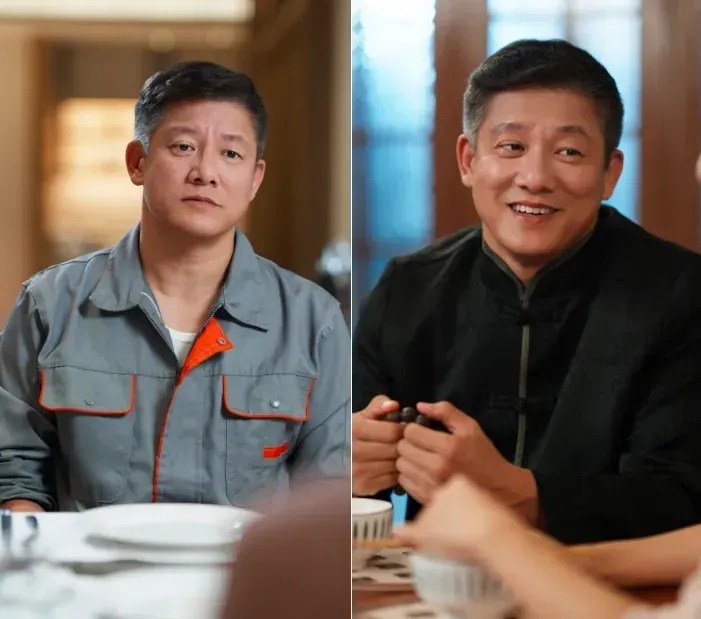
Yan Le isn’t oblivious to the brainlessness of short-drama plots, especially in time-travel stories where many elements defy basic logic. But she needs them to vent her frustrations, so she makes the same choice as many in the comments:
"Check your brain at the door and pick it up after the drama ends."
As a Chinese teacher, Yan Le keenly notices how short dramas deliberately amplify emotional value, inflating descriptions to provide stronger emotional experiences.
According to EntGroup’s Content Think Tank, over 1,400 short dramas were released in 2024, with year-on-year growth exceeding 50% for two consecutive years. Additionally, nearly 300 micro-dramas are submitted for approval monthly.
Plentiful, targeted, and satisfying—short dramas have become the best emotional fodder for overworked employees.
Quality Doesn’t Mean Elitism
Since early 2024, when short dramas first showed signs of exploding in popularity, the industry has pursued higher quality. Douyin, as a leading platform, launched its "Morning Star Plan" at the start of the year, focusing on a "quality strategy" for micro-dramas.
But after nearly a year of market exploration, judging by trends in September and October, quality doesn’t equate to elitism.
Short dramas still carry a rustic charm.
The widespread replication of the "I woke up to find global [X] regressed 3,000 years" trope exemplifies this. Titles like Global Culinary Skills Regressed 3,000 Years, Prices Devalued 10,000 Times: I Became the World’s Richest, Literature Regressed 3,000 Years: I Became a Great Writer, and Global IQ Drop: I Became a Genius have gained significant traction.
Short-drama screenwriter Ma Xiao told Moo Entertainment that current productions prioritize pre-evaluating key elements. Whether using free IAA or IAP models, they favor dramas with spectacle and underdog themes.
Ma Xiao noted that "I woke up to find global [X] regressed 3,000 years" has become a mature template. It solves two key problems: first, by making the protagonist and audience ordinary people, it enhances relatability (it’s not that the protagonist improves, but that the competition weakens); second, it fulfills emotional and psychological needs through rich underdog arcs.
But do audiences truly enjoy such dumbed-down plots?
Yan Le, as a viewer, answered: "Need" is a better word than "enjoy."
When browsing such titles, audiences already have specific expectations. They don’t expect these dramas to solve real-life problems but seek temporary escape and fantasy, using the catharsis to forget their stresses.
This aligns with Ma Xiao’s perspective as a creator: "Quality is an undeniable trend, but it’s about production standards. As a creator, you must know who you’re serving and what they want to see—otherwise, you risk self-indulgent mistakes. Especially in today’s high-risk, high-competition short-drama industry, staying market-sensitive is crucial."
Historically, short dramas seem to be returning to cinema’s purest form—like a train pulling into Paris’s Gare de l'Est, offering surreal experiences that both mirror and transcend reality, providing solace and escape for frustrated audiences.
Even Hollywood once followed a similar strategy: letting audiences dream, then releasing their desires.
Only by Going Downmarket Can You Serve More
Don’t assume only stressed young people watch short dramas. Since August, "middle-aged and elderly" themes have become a hot choice.
Short dramas, as a visual evolution of web novels, demonstrated their market value during the free-content era by converting millions of pirated and new users into target readers. Now, by removing the "text" barrier, they’ve further activated the downmarket, especially older demographics who previously struggled with reading.
This shift coincides with TV’s decline and streaming’s rise. Older audiences, once abandoned by new media, are now being embraced by short dramas, becoming their largest growth market.
Recently, the hashtag #ChineseShortDramasHaveGoneMad trended in the top 10 on Weibo, sparked by a blogger’s review of Janitor Mom Returns as a Supreme Being, which garnered 70K+ likes and 7K+ comments, with over 81M views. The drama, featuring "a young CEO falling for a janitor auntie," ignited widespread debate.
ADX data shows multiple elderly-themed dramas like One-Night Pregnancy: Marrying a Tycoon Who Dotes on Me, Fifty-Year-Old Maid Marries into Wealth, and Starting with Family Reunion: Janitor Mom Reveals Her Fortune have exceeded 10M in engagement, proving their appeal.
Industry insiders attribute this to precise targeting. For example, data from Tinghua Island shows that 60-70% of paying users for the hit drama Marrying a Tycoon in a Flash were men aged 41-50, with many over 50. Douyin’s native theater accounts also show significant viewership among 31-50-year-olds.
Creators like Ma Xiao argue that the popularity of "janitor" and "elderly" themes isn’t about spectacle but addressing neglected cultural needs. Still, they admit plots like "janitor aunties dating young CEOs" require scrutiny.
Before creating Marrying a Tycoon in a Flash, Tinghua Island conducted in-depth interviews with seniors, finding their top concerns were children and love—key reasons they pay for such content.
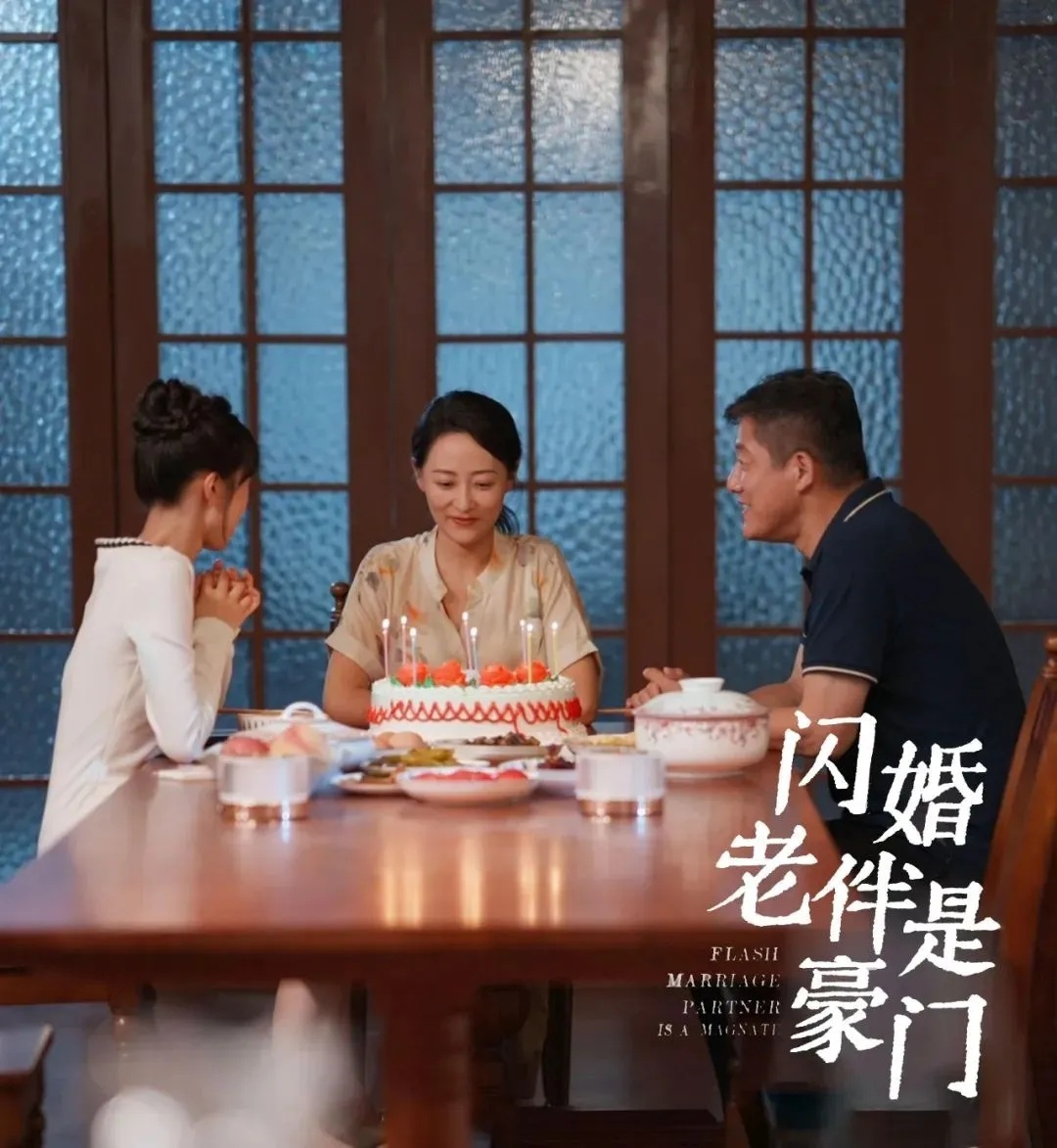
QuestMobile’s 2024 data reveals huge potential in the elderly short-drama market. China’s 50+ silver-haired population has reached 320M, with 26.5% internet penetration. From March 2023 to March 2024, their average online time hit 135.4 hours, up 5.2%. Short videos, dramas, and livestreams are now among their main entertainment sources.
Whether it’s "janitors joining rich families" or "global regression upon waking," behind these tropes lie vast, underserved demands.
As many say, these needs can’t be solved by mere "catharsis." But until better alternatives exist, let people find joy—even if it’s simple.
The copyright of this article belongs to the original author/organization.
The views expressed herein are solely those of the author and do not reflect the stance of the platform. The content is intended for investment reference purposes only and shall not be considered as investment advice. Please contact us if you have any questions or suggestions regarding the content services provided by the platform.
