


 Likes Received
 Posts
PostsPlunged 40%! Weimob, completely stunned.

The lifting of lock-up restrictions and share reductions pose significant challenges for Hong Kong-listed companies.
Especially for unprofitable tech and pharmaceutical companies, the impact of lock-up expirations and share reductions on stock prices can be devastating.
On January 9, Tencent significantly reduced its stakes in two Hong Kong-listed companies: Weimob Group$WEIMOB INC(02013.HK) and Ubtech.
According to HKEX filings, Tencent began aggressively selling Weimob shares starting January 3, reducing its stake from 8.39% to 2.94%. Similarly, Tencent cut its Ubtech holdings from 8.05% to 2.08%.
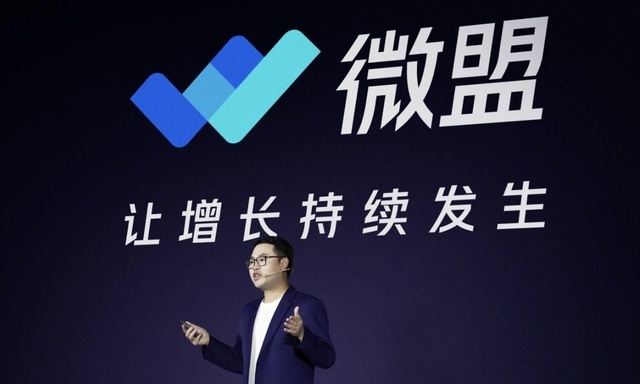
In response to Tencent's divestment, Weimob stated it would maintain its mutually beneficial commercial partnership with Tencent. The company will continue serving as a service provider for WeChat Stores, Mini Programs and Tencent Ads, offering high-quality SaaS products and precision marketing services to merchants within Tencent's ecosystem to drive business growth.
Tencent explained this move as part of routine portfolio review and adjustment to better allocate capital for shareholder returns or new investment opportunities.
Tencent further clarified, "This allows us to better utilize investment returns for shareholder benefits or new opportunities. Our relationship with Weimob remains intact - they provide complementary services to our merchants, facilitating growth in WeChat Stores and Mini Program businesses."
However, the market remained unconvinced by these statements from both Tencent and Weimob.
On January 10, Weimob's stock plunged 40.88%, reducing its market cap to HK$6.347 billion.
Previously dubbed a "WeChat Stores concept stock", Weimob had surged over 130% in just six trading days after WeChat launched its "Gift Sending" feature.
In reality, Weimob's market performance has been poor in recent years. From its 2021 peak of HK$33.5 per share, the stock had plummeted over 95%. Even after the recent rebound, it remains nearly 90% below its all-time high.
Beyond market factors, Weimob's fundamental issues primarily drove the steep decline.
Financial reports show Weimob generated revenues of ¥2.686 billion (2021), ¥1.839 billion (2022), and ¥2.228 billion (2023), with net losses of ¥783 million, ¥1.829 billion and ¥758 million respectively. This volatility and persistent losses have fueled market skepticism about the SaaS business model, with competitor Youzan showing similar struggles.
Notably, Youzan achieved profitability in 2023.
Weimob's performance continued deteriorating in 2024, with H1 revenue crashing to ¥867 million and net losses widening to ¥551 million year-over-year, with no clear path to profitability.
Compounding these issues, major shareholders dumped 33.2193 million shares on December 23 and another 28 million shares on December 27, despite the depressed stock price.
Following the "Gift Sending" feature launch, Kaiyuan Securities upgraded Weimob to "Buy", citing its first-mover advantage in Mini Program integration with WeChat Stores and potential benefits from Tencent's evolving e-commerce ecosystem.
Guoyuan Securities also upgraded to "Buy", noting operational efficiency improvements amid tough macroeconomic conditions. The report projected Weimob would complete WeChat Stores integration by H1 2025, positioning it to capitalize on expected growth in WeChat's e-commerce SaaS and operation services.
Both analysts believe Weimob's precision marketing services could significantly boost merchant GMV, creating substantial commercial value as more businesses join WeChat's ecosystem.
The copyright of this article belongs to the original author/organization.
The views expressed herein are solely those of the author and do not reflect the stance of the platform. The content is intended for investment reference purposes only and shall not be considered as investment advice. Please contact us if you have any questions or suggestions regarding the content services provided by the platform.
