


 Likes Received
 Posts
PostsIn 2011, Richard Yu went all out at Tencent Building and successfully predicted all the trends for the next 15 years (Part 2).


Continuing from the previous article, Lei Jun successfully predicted that smartphones would replace PCs as the most commonly used terminal for the general public.
The third topic he discussed was cloud computing.
In fact, back in 2012, Lei Jun collaborated with Dr. Zhang Hongjiang, a leading expert in the cloud computing industry at the time, to establish Kingsoft Cloud. For detailed information about Kingsoft Cloud, please refer to my paid column, which is the only one available. I won’t elaborate further here.
First, let me ask a question: Do you know why mid-tier cloud computing companies like Kingsoft Cloud, Ucloud, Qiniu Cloud, and QingCloud are consistently losing money every year?
Lei Jun actually provided the answer 14 years ago: it’s the cost of bandwidth.
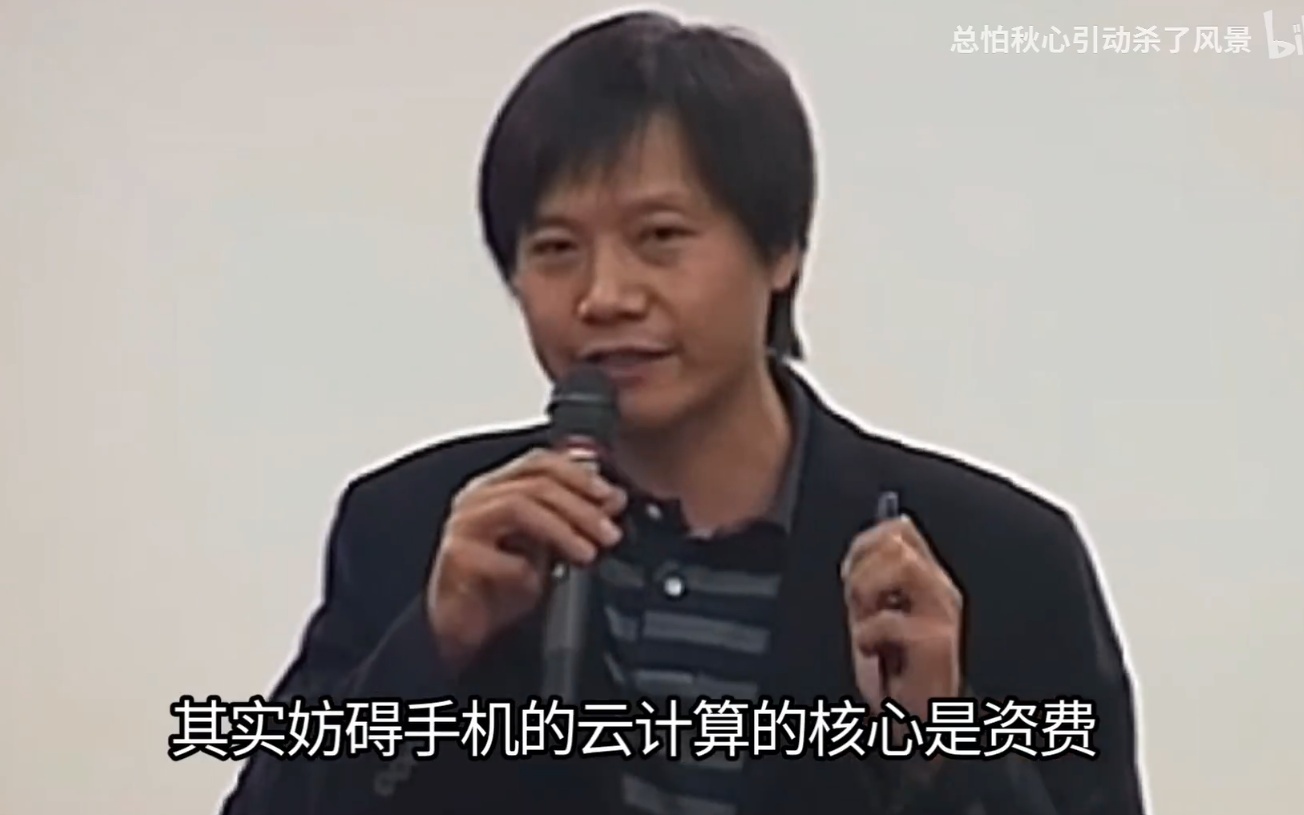
Simply put, the relationship between telecom operators and cloud computing providers is similar to the fixed monthly phone bills we pay in the B2B sector. Cloud providers also have to purchase bandwidth from telecom operators.
Unless you become an industry giant like Alibaba Cloud, which can amortize the marginal costs of servers and bandwidth expenses with a massive user base, cloud computing companies are like the filling in a hamburger—squeezed from above by bandwidth costs and from below by users opting for cheaper competitors, suffering from both ends.
This is the core reason why cloud computing struggles to turn a profit.
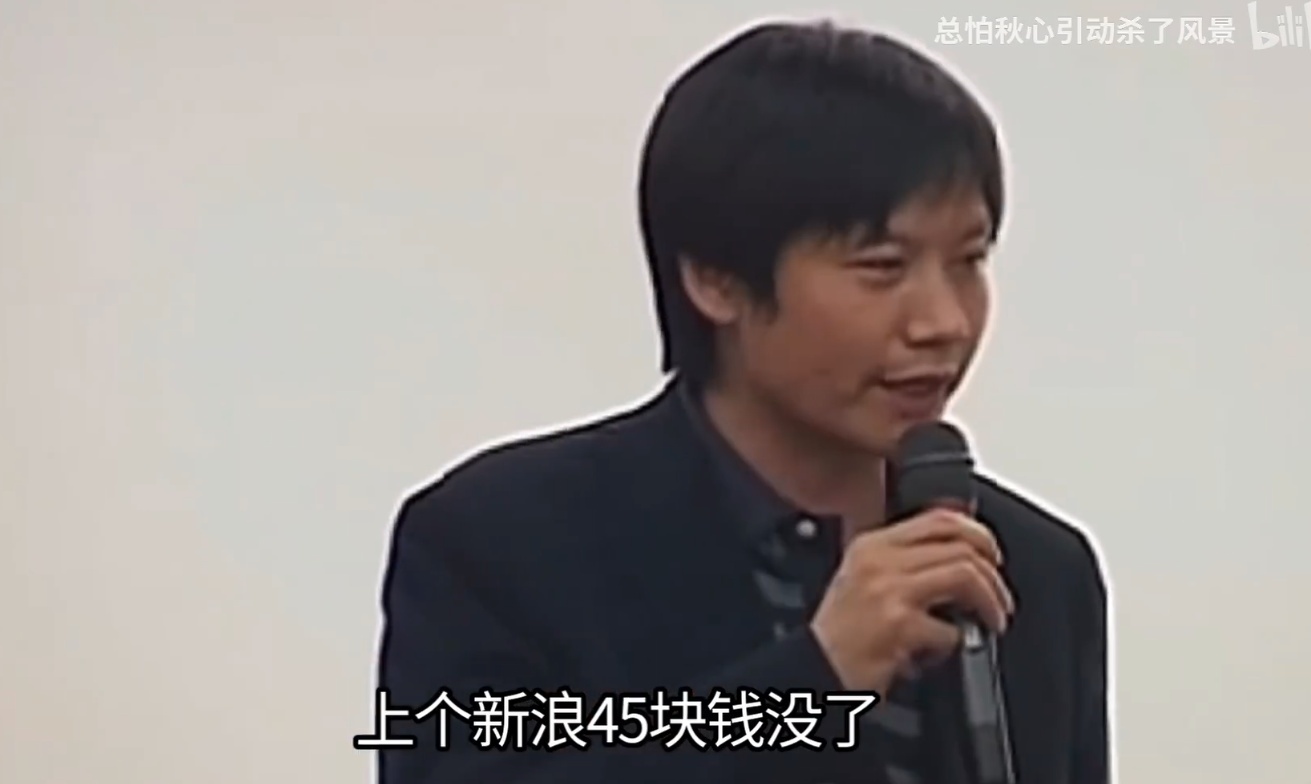
In the early days of mobile internet, just loading the homepage of Sina Weibo could consume several yuan in bandwidth fees at the time. Browsing for 10 minutes could easily cost 40-50 yuan. Such high expenses were unbearable for users. Therefore, Lei Jun did not go "All In" on cloud computing. As it turned out, this decision was absolutely correct.
The fourth issue he addressed was computing power and data centers.
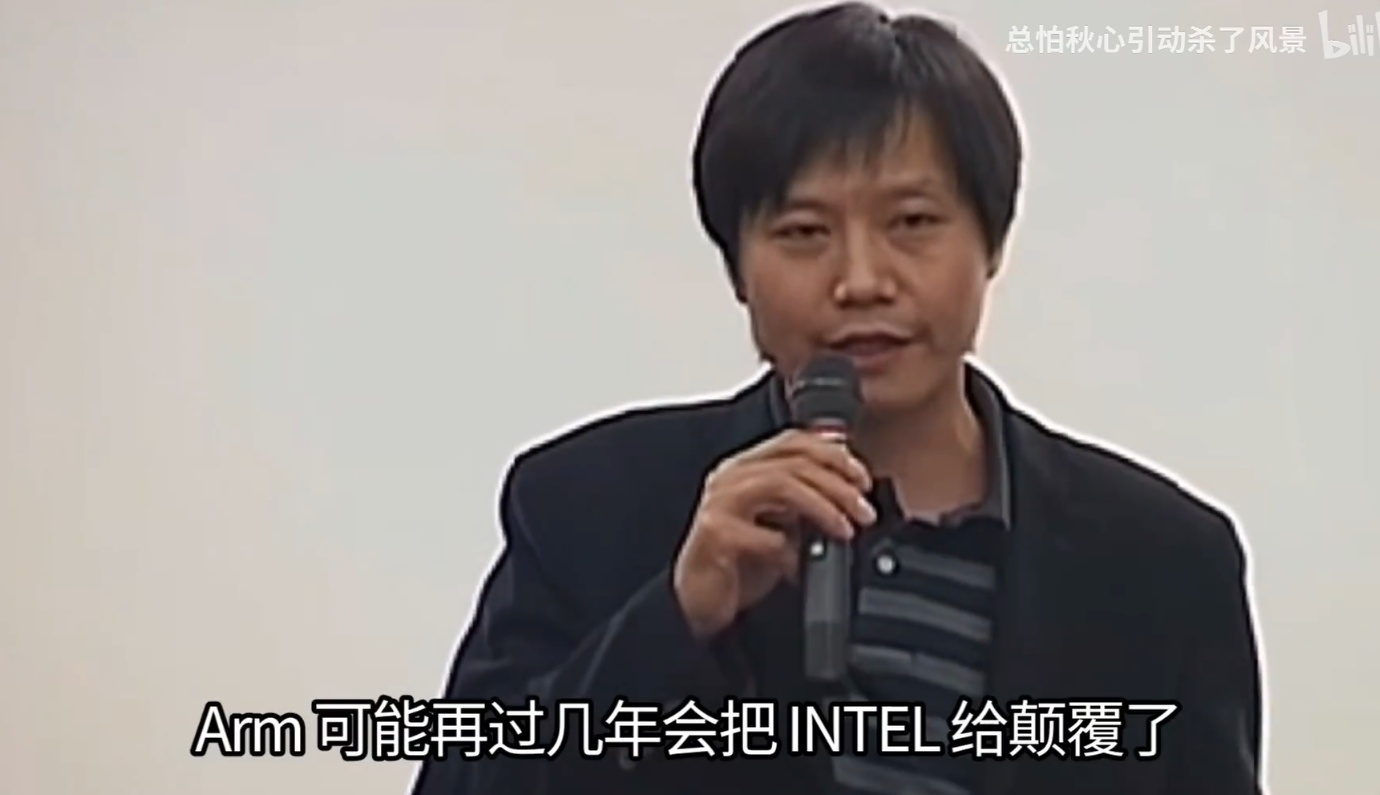
During the PC era, the x86-based Complex Instruction Set Computing (CISC) dominated the market. As mentioned in "Fire in the Valley" and "On the Wave," there was a popular term back then called "Wintel"—referring to the Windows-Intel architecture. This meant that in the PC era, it was nearly impossible to bypass these two companies, with one handling the underlying CPU and the other managing the operating system.
Lei Jun, however, was more optimistic about the Reduced Instruction Set Computing (RISC) centered around ARM. It offered lower power consumption and a licensing model that reduced costs. Today, we all know that in the mobile internet era, whether it’s Apple or Android, all manufacturers uniformly choose ARM architecture for device design. The reason is simple: smartphone batteries are limited in size and cannot rely on external power sources like NVIDIA.
This trend gave rise to a company worth hundreds of billions of dollars: Qualcomm.
If, 15 years ago, you had watched Lei Jun’s video and invested in Qualcomm instead of Intel, you would have earned over 10 times the return.
However, not all of Lei Jun’s predictions were spot-on. His hypothesis about ARM architecture dominating server infrastructure had some flaws. In 2013, at a Xiaomi phone launch event, Jensen Huang shared the stage with Lei Jun, marking a turning point in their fates. An article on Snowball titled "Working in the Tech Industry for Years..." documented this historic moment and even topped Snowball’s trending list for the first time.
The fifth topic Lei Jun discussed, and the one I consider the most critical, is open source.
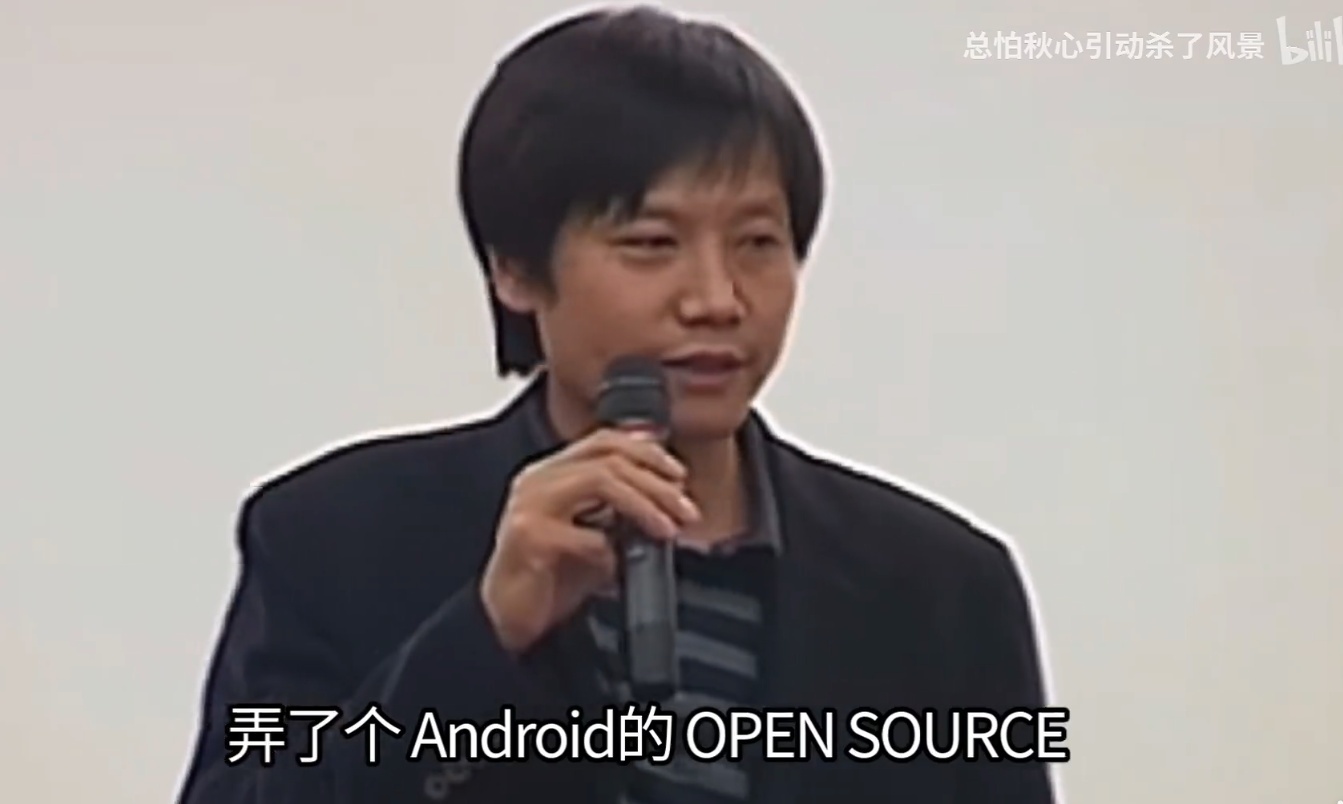
Open source means disclosing all your source code to the public, essentially revealing your hand to every competitor globally. What’s the benefit of doing this?
The biggest advantage of open source is that it mobilizes developers worldwide to help improve your product.
Bill Gates once said that one excellent engineer is worth 100 mediocre ones. But when that ratio becomes 1:10,000, the rules of the game change entirely.
Earlier this year, we witnessed the power of DeepSeek’s open-source initiative. In cutting-edge fields like AI, having a high-performance, cost-effective open-source large model means that inferior models from other companies can be shut down—because they lose commercial value.
This is exactly what happened when Google open-sourced Android. A product developed by a team of 70 engineers reshaped the global smartphone market through open source.
Cui Baoqiu (Uncle Baoqiu), Xiaomi’s former head of the Technology Committee and a strong advocate for open source, was also Lei Jun’s "upper bunkmate" in college.
Lei Jun recognized the power of open source early on when he founded Xiaomi 15 years ago. I believe that one day, when the underlying infrastructure is fully developed, Xiaomi’s open-source strategy will become its ultimate trump card.
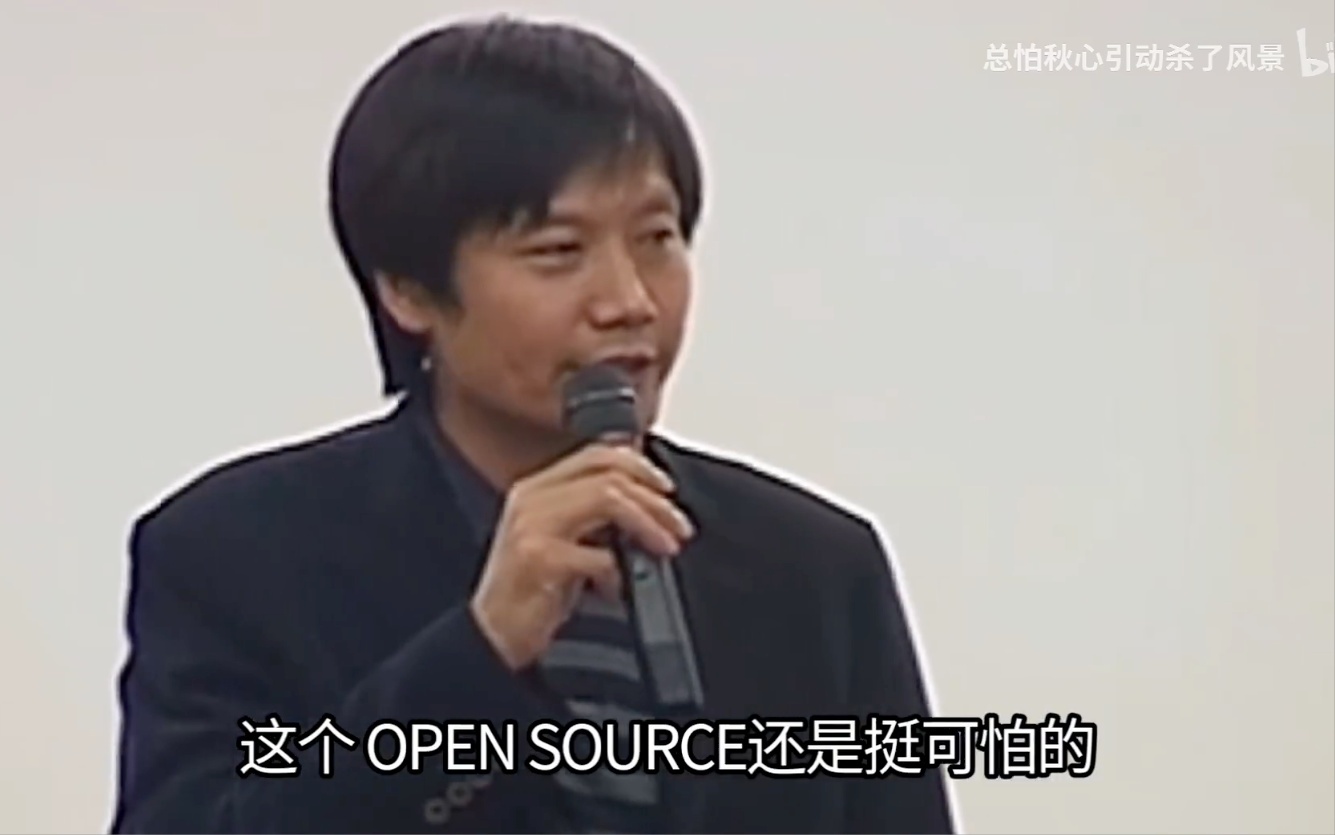
That concludes my interpretation of this one-hour presentation. Next, I’ll share some personal views on Xiaomi’s valuation—for reference only, not as advice.
Recently, I’ve come across many valuation models, but I won’t comment on them here. Short-term predictions are even harder to make. After watching the video, my perspective has shifted somewhat.
Xiaomi’s longtime followers often joke that "Xiaomi = Apple + Tesla + Microsoft." While this description is somewhat tongue-in-cheek, it’s a simplified way to understand Lei Jun’s vision of a great company, which indeed aligns with these three firms.
But this equation overlooks one crucial element: the internet and open source.
Therefore, in assessing Xiaomi’s long-term valuation, I’d like to propose a bold new perspective for the first time. I know I might get criticized for this, but I’ll say it anyway. I’ve always underestimated Lei Jun’s ambition, but this time, I’m going all in.
Xiaomi = (Apple + Tesla + Microsoft) * Google = 10 trillion
This formula isn’t a simple market cap calculation but a metaphorical one. If the "Google coefficient" ends up being less than 1, the overall valuation would actually be discounted.
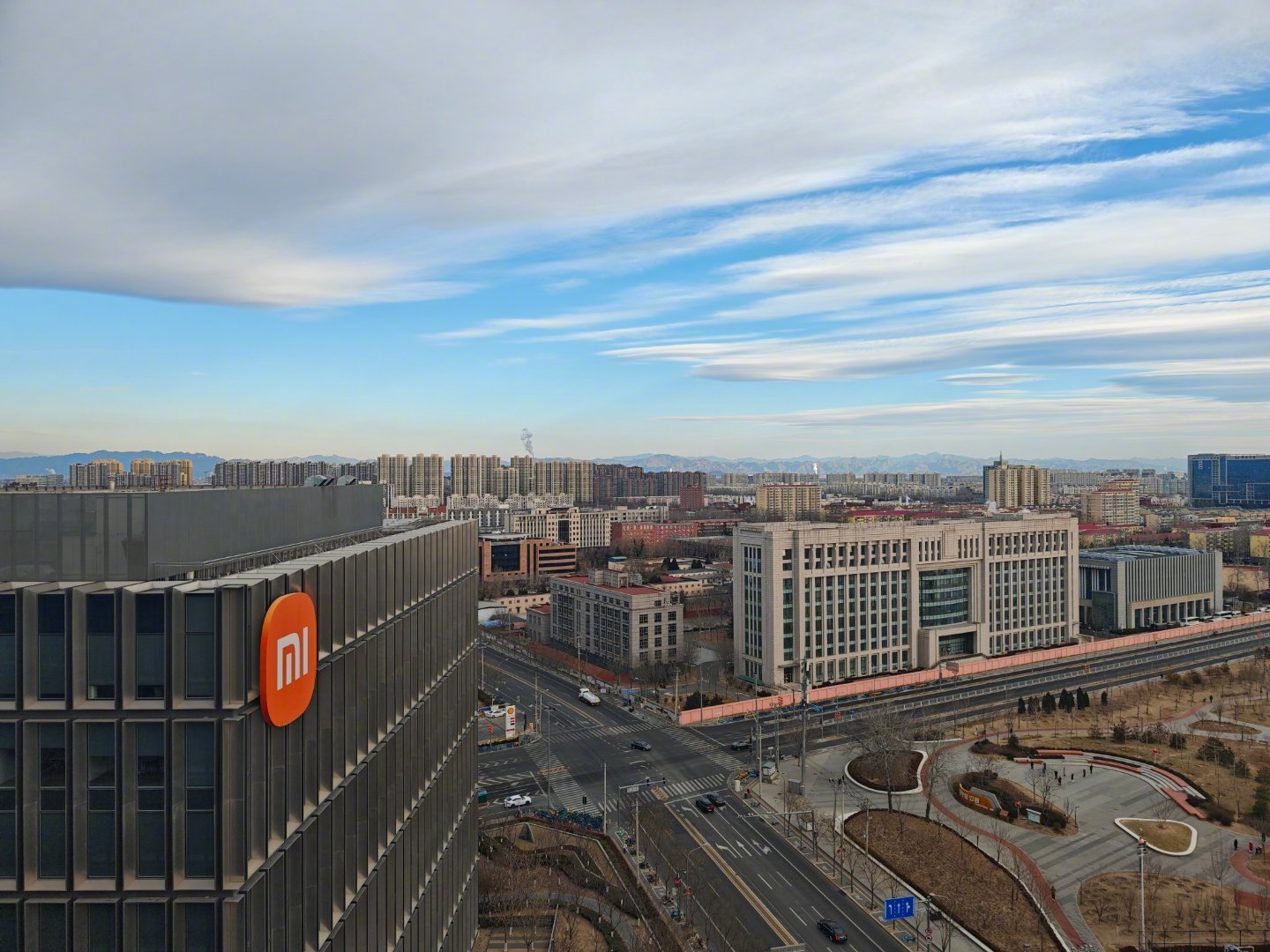
Achieving this goal is incredibly challenging, but greatness isn’t planned—it’s realized. I believe this might be Lei Jun’s ultimate definition of a great company when he founded Xiaomi. I will witness in Qinghe whether this business miracle can truly come to life.
Alright, now you can start roasting me.
March 13, Mars in Qinghe.
$XIAOMI-W(01810.HK)
The copyright of this article belongs to the original author/organization.
The views expressed herein are solely those of the author and do not reflect the stance of the platform. The content is intended for investment reference purposes only and shall not be considered as investment advice. Please contact us if you have any questions or suggestions regarding the content services provided by the platform.
