$300 billion evaporated! The cryptocurrency market suffered heavy losses this week, with Ethereum leading the decline

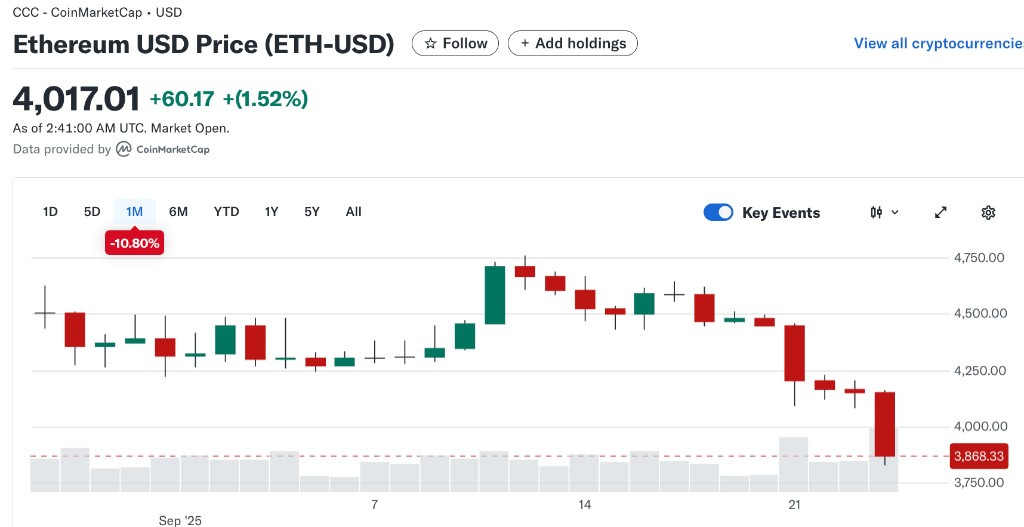
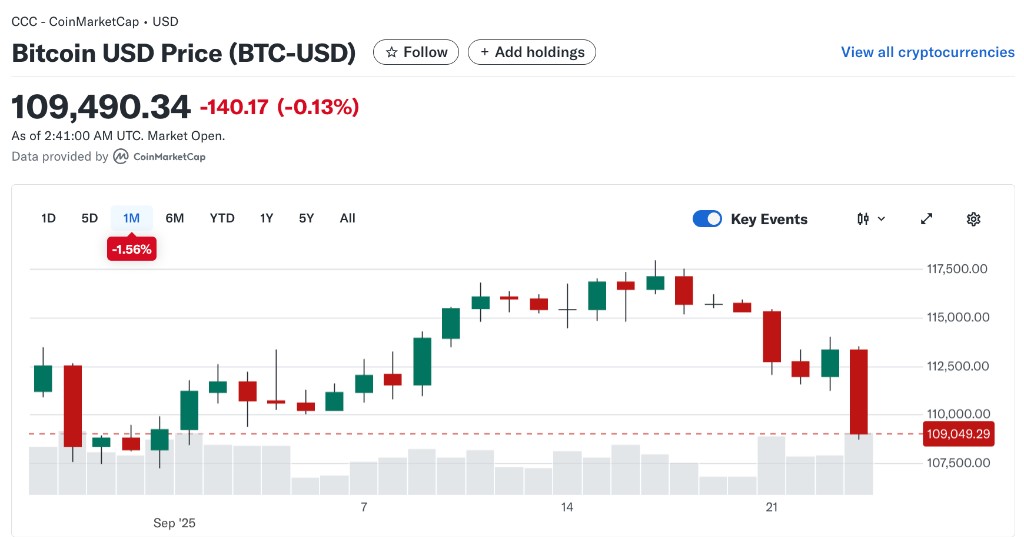
The core driving force behind this decline is the concentrated liquidation of billions of dollars in long positions in the cryptocurrency perpetual futures market. According to data compiled by Coinglass, over $3 billion in long positions have been liquidated across major exchanges. This week, Ethereum fell about 12%, breaking below the key support level of $4,000, while Bitcoin dropped about 5% this week, marking its largest decline since March
This week, the cryptocurrency market experienced the most brutal sell-off in months, with a wave of high-leverage bets being liquidated, causing the entire industry's market value to evaporate by approximately $300 billion, and market sentiment has dropped to its lowest point since early summer.
Ethereum, the world's second-largest cryptocurrency, led the decline, recording the steepest weekly drop since June. This week, Ethereum fell about 12%, breaking below the key support level of $4,000.

Bitcoin, as a market barometer, also did not escape, dropping about 5% this week, marking the largest decline since March, and is currently hovering at the lower end of its recent trading range.

The core driving force behind this decline is the concentrated liquidation of billions of dollars in bullish positions in the cryptocurrency perpetual futures market. According to data compiled by Coinglass, over $3 billion in long positions were liquidated across major exchanges. This sell-off triggered by high leverage quickly turned market optimism into panic.
The selling pressure is also reflected in exchange-traded funds. Bitcoin and Ethereum ETFs listed in the U.S. faced significant pressure, recording over $500 million in total net outflows just on Thursday.
High-Leverage Liquidations Trigger Chain Reactions
This market crash is more about the concentrated release of systemic risk rather than a fundamental collapse.
Ben Kurland, CEO of the crypto research platform DYOR, stated:
“Once the first wave of liquidations began, algorithmic trading and funding pressures turned it into a negative feedback loop.”
“In the crypto market, belief is strong, but liquidity is fragile—this is why the decline feels like free fall, while recovery is much slower. It’s more about the system clearing excessive risks rather than a fundamental collapse.”
Market participants were forced to adopt a defensive stance. Griffin Sears, global derivatives head at FalconX, said, “Most traders were caught off guard by a wave of liquidations on Monday.” He added, “After the initial drop, there was a defensive position adjustment in the derivatives market, deleveraging in the futures market, and large-scale put option buying plans continued throughout the week.”
Some traders warned that due to most platforms not disclosing complete liquidation data, the true extent of leverage in the system remains difficult to gauge.
“Smart Money” Retreats, Corporate Buying Slows Significantly
Another factor exacerbating this week's pullback is that corporate buyers, who had been flooding into the market in recent months, have significantly slowed their purchasing pace. Previously, this force had recently propelled both Bitcoin and Ethereum to record highs According to data from CryptoQuant, the amount of digital assets purchased by listed companies has plummeted from 64,000 bitcoins in July to 12,600 in August, and only 15,500 so far in September. This represents a decline of up to 76% compared to the frenzy of early summer.
Since the beginning of this year, these digital asset management companies have raised over $44 billion through various financing methods, with the initial idea of transforming tokens like bitcoin into financial infrastructure, creating a demand floor for the market through holdings by corporations and pension funds. However, some stocks that raised funds through so-called PIPE (Private Investment in Public Equity) transactions have seen their trading prices drop by as much as 97% compared to their issuance prices.
Market Momentum is Weakening
Currently, analysts generally believe that market momentum is weakening. Arthur Azizov, founder of B2 Ventures, stated that bitcoin briefly fell below a key price level on Monday for the first time since early September, signaling that the market is overheating and entering a slowdown phase.
Nevertheless, there are no signs of widespread panic in the market. Paul Howard, senior director at market maker Wincent, believes that this pullback is a "healthy correction." He pointed out that although bitcoin has fallen below its 100-day moving average and the total market capitalization of digital assets has retreated below $4 trillion, there are no signs of panic.
However, Howard warned that short-term pressures may continue to push prices down, especially considering the increasing correlation between digital assets and macro sentiment this year