


俄烏進程一波三折:“特普會” 籌備遇阻,歐洲首次明確響應特朗普,呼籲 “立即停火”

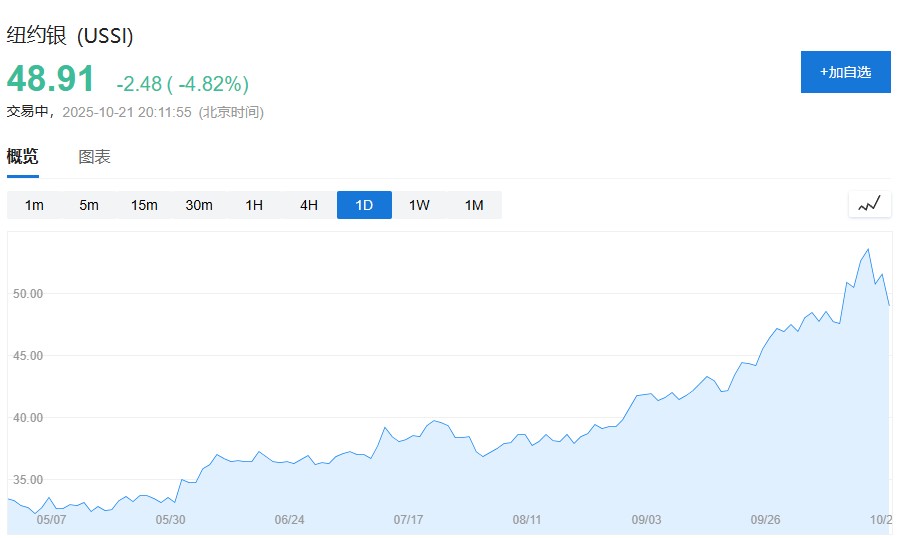
Leaders from multiple European countries signed a joint statement on the 21st, supporting an immediate ceasefire based on the current front lines and the initiation of peace talks. Influenced by the rising expectations of a ceasefire, safe-haven assets such as precious metals experienced a sharp decline, with New York gold futures dropping by as much as 2% and New York silver falling by 5%. However, the Russian Foreign Minister stated that the call for an "immediate ceasefire" is tantamount to ignoring the root causes of the conflict and contradicts the consensus previously reached by the presidents of Russia and the United States. This casts a shadow over the preparatory meeting originally scheduled for this week and introduces uncertainty regarding Trump's earlier announcement of holding the "Trump meeting" within "two weeks."
The peace process between Russia and Ukraine experienced a dramatic turn this week. Despite the stagnation in preparations for a meeting between the U.S. and Russia, leaders of major European countries issued a joint statement on Tuesday to promote a ceasefire between the two sides.
According to CCTV News, Russian Deputy Foreign Minister Ryabkov stated on October 21 that the U.S. and Russia have not yet reached an agreement on a meeting between Russian Foreign Minister Lavrov and U.S. Secretary of State Rubio. This casts a shadow over the preparatory meeting originally scheduled for this week and complicates Trump's previously announced plan for a "Tepp meeting" in Budapest within two weeks.
Meanwhile, leaders from multiple European countries signed a joint statement on the 21st, supporting an immediate ceasefire based on the current front lines and the initiation of peace talks. This is the first clear response from Europe to Trump's call for a ceasefire. Leaders from Germany, France, Italy, Poland, the UK, Finland, Denmark, Norway, and senior EU officials expressed "strong support" for Trump's position on immediately halting military actions.
As expectations for a ceasefire rose, safe-haven assets, particularly precious metals, saw a sharp decline, with New York gold futures dropping by 2% at one point and New York silver falling by 5%. However, territorial disputes remain the biggest obstacle to peace talks. According to Xinhua News Agency, Trump proposed that both Russia and Ukraine "split" the Donbas region based on the current front lines, while Ukrainian President Zelensky clearly rejected Russia's demands for a complete withdrawal of Ukrainian forces from Donetsk and Luhansk.
No Results from U.S.-Russia Foreign Ministers' Talks, Summit Preparations Encounter Obstacles
According to Xinhua News Agency, the Russian Foreign Ministry issued a statement on October 20 stating that Lavrov had a phone call with Rubio that day, during which they had a "constructive discussion" regarding the consensus reached in their previous phone conversation. The two sides explored specific measures that could be taken to implement the relevant consensus. However, the statement did not disclose further details.
Ryabkov stated to the media on October 21: "We haven't even come close to agreeing on the time and place for such a meeting. Such activities are very important and require preparation. That is exactly what we are doing."
According to CNN, the meeting between Lavrov and Rubio was postponed after their phone call. An unnamed White House official stated that the U.S. believes that Russia has not sufficiently shifted from its maximalist demands, although the two may speak again later this week. Sources revealed that Rubio and Lavrov have differing expectations regarding Russia's potential cessation of offensive actions in Ukraine.
According to Xinhua News Agency, Russian Foreign Minister Lavrov commented on October 21 regarding the Russia-Ukraine conflict and the meeting between the leaders of Russia and the U.S. He stated that the call for an "immediate ceasefire" is tantamount to ignoring the root causes of the conflict and contradicts the consensus previously reached by the presidents of Russia and the U.S The Russian side insists on the position reached by the Russian and American leaders during their meeting in Alaska regarding the Ukraine issue.
U.S. State Department Principal Deputy Spokesperson Vedant Patel stated in a statement that Rubio emphasized the importance of the upcoming contacts, viewing it as an opportunity for the U.S. and Russia to jointly promote a lasting solution to the Russia-Ukraine conflict, in line with Trump's vision. White House Deputy Press Secretary Anna Kelly stated that President Trump has always been committed to seeking a peaceful diplomatic solution.
Multiple European countries sign a joint statement supporting a ceasefire based on the current front lines
As the preparatory meeting between the U.S. and Russia reached a stalemate, leaders from several European countries expressed support for Trump's ceasefire proposal in a joint statement issued on October 21.
According to Global Times, the statement, jointly signed by German Chancellor Merz, French President Macron, British Prime Minister Starmer, Italian Prime Minister Meloni, and leaders from Poland, Finland, Denmark, Norway, as well as European Commission President Ursula von der Leyen, stated: "We strongly support President Trump's position that military actions should cease immediately and that the current contact line should serve as the starting point for negotiations."
The statement also emphasized that all parties are committed to upholding the principle that "international borders cannot be changed by force" and will continue to increase pressure on the Russian economy.
Ukrainian President Zelensky also participated in signing this statement, supporting the proposal to freeze hostilities along the front lines. According to Global Times, Zelensky stated on October 20 regarding the upcoming meeting between the Russian and American leaders in Budapest, Hungary, that he would join the talks with the U.S. and Russian heads of state if invited.
The statement explicitly emphasized for the first time "using the current contact line as the starting point for negotiations," indicating that the U.S. and Europe have reached a consensus on the ceasefire framework, which is seen as a signal that the ceasefire process is entering a substantive implementation phase.
Territorial disputes become the biggest obstacle to the ceasefire
Despite the increasingly positive statements from all parties regarding the ceasefire, the issue of territorial ownership remains the core obstacle to reaching an agreement. According to Xinhua News Agency, Trump stated on October 19 aboard Air Force One that Russia and Ukraine should "split" the Donbas region along the current front lines, delineate a ceasefire, and withdraw their troops.
Trump stated: "Maintaining the status quo is fine. That land is currently divided, and I believe 78% of it is under Russian control. Let's just keep it that way. They can negotiate further later, but my opinion is to delineate a ceasefire based on the current front lines, go home, and stop fighting." U.S. media interpret that according to this plan, most of the land in the Donbas region will be under Russian control According to the Ukrainian International News Agency, Zelensky reiterated on October 19 during a meeting with reporters that Ukraine's position on the conditions for a ceasefire has not changed, and Ukraine refuses to accept Russia's demand for the complete withdrawal of Ukrainian troops from the Donbas regions of Donetsk and Luhansk. Zelensky stated that during his visit to Washington last week, he "explained" to Trump in person that Ukraine's position on this issue remains unchanged.
According to a report by The Washington Post on October 18, citing informed sources, Russian President Putin "hinted" during a phone call with Trump on the 16th that as a condition for ending the conflict, Russia is willing to give up parts of the territories it controls in Zaporizhzhia and Kherson in exchange for full control over the Donetsk region.
According to reports from TASS and other media on October 20, Russian presidential press secretary and Kremlin spokesman Peskov responded to Trump's remarks about a "ceasefire at the current front lines" by stating that this issue has been mentioned multiple times during Russia-U.S. contacts, and Russia has responded each time, "This response is well known, and Russia's position has always been consistent and unchanged."
On October 20, Trump stated at the White House that he does not believe Ukraine will achieve final victory, but then added, "They may still win; war is a strange thing, anything can happen."
