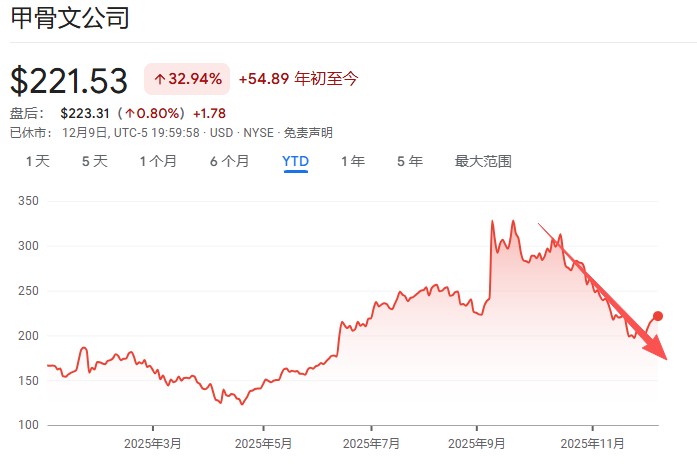
股价暴跌 40% 后或迎反弹?摩根大通:甲骨文 Q2 财报的关键在于 “干净的” 云收入增长 +“清晰的” RPO 披露

Wallstreetcn
2025.12.10 08:08
portai
我是 PortAI,我可以总结文章信息。

JP Morgan believes that the core of the Q2 financial report lies in converting the "stunning" long-term RPO into near-term revenue and cash flow. The highly anticipated OpenAI agreement, once fully launched, could contribute billions of dollars in revenue annually. The Q&A session is expected to focus on the concentration and duration of the largest AI contracts, particularly how much RPO balance is related to a few counterparties compared to a broader group of AI labs, hyperscale cloud service providers, and large enterprise customers

After a 40% plunge from its peak this year, is Oracle's stock price expected to rebound? JP Morgan believes that the premise is that the company can demonstrate robust cloud business growth in the second fiscal quarter earnings report to be released tonight and provide clearer disclosures regarding its large remaining performance obligations (RPO) balance.

According to the Wind Trading Desk, JP Morgan analyst Mark Murphy stated in a recent research report that Oracle's stock price fell 40% from September 10 to November 25, while the S&P 500 index rose about 4% during the same period. This sharp decline stemmed from investors reassessing the OpenAI project relative to Google's Gemini upward trend, as well as questioning the value of the large concentrated RPO balance associated with specific entities, alongside heightened concerns about the capital costs required to fund rapid data center construction plans.

Murphy believes that investor sentiment has swung too wildly and quickly in both directions, leaving little room for a reasonable assessment of intermediate outcomes. For the upcoming Q2 earnings report, a "clean" revenue growth performance combined with clearer disclosures on RPO quality and contract durability may be sufficient to support the stock price in the short term.

Key Highlights of the Earnings Report: Connecting Long-Term Contracts with Short-Term Cash Flow

The report points out that the core of the Q2 earnings report lies in converting the "stunning" long-term RPO into near- to mid-term revenue and cash flow. Q1 performance showed that Oracle could simultaneously miss recent revenue expectations while delivering an extraordinary volume of orders, with RPO growing by hundreds of percentage points year-over-year, thanks to billions of dollars in AI infrastructure contracts, including the highly anticipated OpenAI agreement. Once fully operational, this agreement could contribute hundreds of billions of dollars in revenue annually.

JP Morgan expects the Q&A session to focus on the concentration and duration of the largest AI contracts , particularly how much of the RPO balance is related to a few counterparties compared to a broader base of AI labs, hyperscale cloud service providers, and large enterprise customers. Oracle has indicated that the gross margins for large AI training workloads will initially be below the company's average, but the margin mix will improve over time as utilization and efficiency increase.

Analyst Day Raises the Bar: Ambitious 2030 Goals

During Oracle's previous AI World/Analyst Day event, the company presented a clearer framework for 2030, expecting total revenue of approximately $225 billion, with OCI revenue exceeding $160 billion, while the 2026 bridging plan calls for mid-teens revenue growth and higher adjusted operating income.

Oracle also disclosed that in about a month during Q2, it signed approximately $65 billion in additional RPO involving multiple large clients (excluding OpenAI, including Meta), pushing the total RPO over the $500 billion mark. While this helps alleviate concentration concerns and supports Oracle's bullish case for repositioning itself as a top AI infrastructure provider, it also significantly raises the execution bar due to the scale of data center construction required JP Morgan believes that the bridging plan for 2030 suggests exceptionally strong growth in the coming years (with a compound annual growth rate of over 31% for revenue over the next five years), but it also includes a significant slowdown in the contribution of new revenue in the outer years. Investors may stress test for downside scenarios such as GPU supply normalizing faster than expected, moderation in AI model training intensity, or large AI players scaling back their infrastructure ambitions.

Capital Expenditure and Cash Flow Pressures Present Challenges

Oracle has indicated that capital expenditures will increase significantly, with annual spending reaching approximately $35 billion to support OCI and AI infrastructure development, which will put pressure on free cash flow relative to investors' typical expectations for Oracle's scale of business.

The success of the AI infrastructure strategy clearly increases the scale of revenue opportunities, but at the cost of a heavier balance sheet and cash flow burden in the near to medium term. The stock price had previously been significantly re-rated with the RPO step function, and it may now be embedding a broader range of outcomes as investors realize the enormous scale required to meet these performance obligations, as well as the risks associated with customer concentration.

JP Morgan maintains Oracle's "Neutral" rating, with a target price of $270 (approximately $50 above the current stock price), primarily based on a higher multi-year trajectory assessment for OCI, partially offset by pressured free cash flow forecasts. This target price is based on an enterprise value/GAAP revenue multiple of about 37 times for 2026