特朗普各种打压之下,可再生能源板块 “意外” 成了美股大赢家

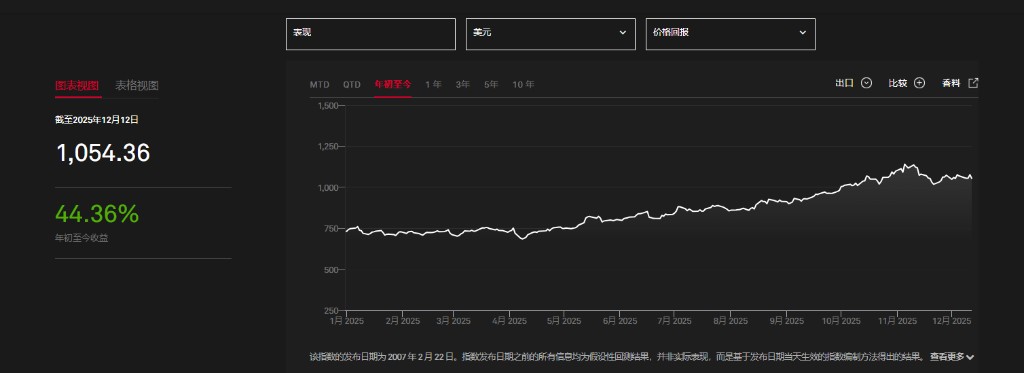
Despite facing policy pressure from the U.S. government, the renewable energy sector has unexpectedly outperformed the market and oil stocks this year, becoming a major winner in the market. The S&P Global Clean Energy Transition Index has surged 44% this year, and global investment in renewable energy has reached an all-time high. The core driving force comes from the explosive energy demand triggered by the artificial intelligence revolution
Despite U.S. President Donald Trump's strong push for his "Big Oil" agenda, clean energy stocks have thrived this year.
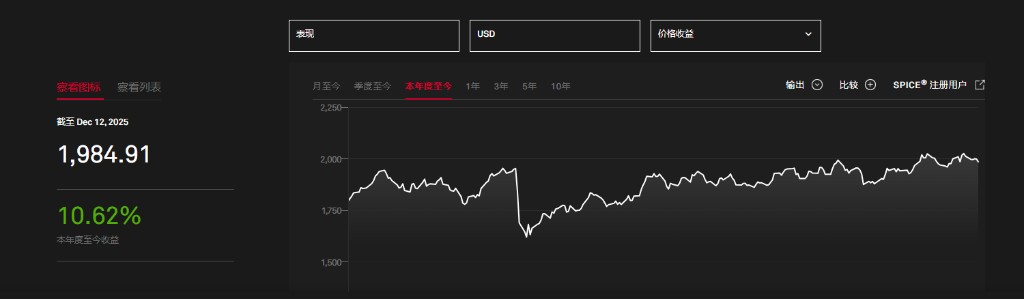
Latest data shows that the S&P Global Clean Energy Transition Index has surged 44% this year, far exceeding the S&P 500 Index's 16% increase.

This performance is in stark contrast to the general market expectations at the beginning of the year. At that time, investors sold off stocks of solar and wind producers due to concerns that the Trump administration would abandon green policies in favor of fossil fuels.
However, the reality is that the index's performance even surpassed the S&P Global Oil Index's 11% increase, which was once considered a major beneficiary of Trump's "Drill, Baby, Drill" agenda.

AI Ignites Energy Demand
The rapid development of artificial intelligence is the core driving force behind this round of clean energy momentum. According to Bloomberg New Energy Finance, electricity demand stemming from AI training and services is expected to quadruple over the next decade, making data centers one of the fastest-growing areas of global electricity consumption.
The significant energy gap means that all forms of energy will be needed. Helen Jewell, Chief Investment Officer of BlackRock International Fundamental Equities, stated that energy demand is becoming so high that Trump will likely have to abandon his "war" on renewable energy.
She said, "I am confident he will recognize the need for additional energy by 2026 and will respond in a way that includes all forms of energy. This will provide extra super momentum for those stocks that have already performed well."
On the corporate level, actions have already begun. Last year, Microsoft signed an agreement with Brookfield Renewable Partners, which will provide over 10.5 gigawatts of energy capacity in the U.S. and Europe starting in 2026. This is hailed as the largest corporate clean energy procurement agreement ever announced.
Policy Divergence and Global Capital Flows
Although the U.S. government has taken measures to try to halt wind farm projects and withdraw from a global greenhouse gas reduction agreement, other major economies around the world are still ramping up investments in clean energy, creating a stark policy divergence.
Reports indicate that countries like Germany have committed to investing billions of dollars in grid development and energy transition infrastructure, providing solid support for the industry. This support is reflected in global investment flows. According to a report by Bloomberg New Energy Finance, renewable energy projects attracted a record $386 billion in investment in the first half of 2025, a 10% year-on-year increase Data shows that although U.S. investment fell by 36% compared to the second half of 2024, investment in the European Union surged by over 60% driven by onshore and offshore wind power. Large transactions also confirm this trend, such as Apollo Global Management agreeing in November to invest $6.5 billion in a UK offshore wind farm operated by Denmark's Ørsted A/S.
Stock Performance and Valuation Appeal
The market's optimistic sentiment is directly reflected in the astonishing gains of individual stocks. Since the beginning of this year, the stock price of U.S. fuel cell manufacturer Bloom Energy Corp. has soared by 328%. In Europe, Siemens Energy's stock price has also more than doubled.
These gains far exceed the approximately 30% increase seen among U.S. tech giants, including AI leader Nvidia. Meanwhile, due to Trump's push for U.S. producers to increase output, which partially led to a global supply surplus, oil prices have fallen by 14%.
Despite recent market concerns about large tech companies overspending in the AI sector, which caused the clean energy transition index to drop 7.6% from a two-year high set in November, market participants remain optimistic about the long-term prospects of the industry. In terms of valuation, the index currently has a forward price-to-earnings ratio of about 20 times, below its five-year average of 23 times, and still approximately 73% lower than the historical peak in 2007, indicating potential growth space.
Chris Beauchamp, chief market analyst at investment and trading platform IG, stated, "While oil is clearly not going away, perhaps it's time for investors to focus more on renewable energy."