Is the recent market weakness unexpected?

Wallstreetcn
2025.12.16 11:35
portai
I'm PortAI, I can summarize articles.

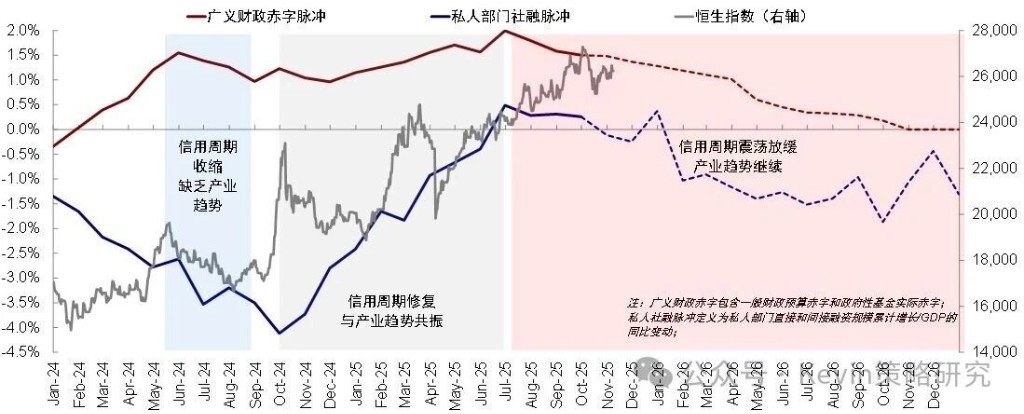
Recently, the AH markets have experienced a significant correction, with the Hang Seng Index falling below the 120-day half-year line and the Hang Seng Technology Index dropping below the 250-day annual line. In September, we indicated that the credit cycle in the fourth quarter would turn downward, limiting the market's upward potential. The Federal Reserve's easing policies have failed to support the market, and with a policy vacuum at the end of the year, the market's weakness in the short term is not surprising

In the past few days, the AH markets have experienced a significant pullback, with the Hong Kong Hang Seng Index falling below the 120-day half-year line and retracing to the 30-week line, while the Hang Seng Technology Index has dropped below the 250-day annual line. Looking back, last Friday's surge caught many people by surprise, as there seemed to be no direct catalyst, leading them to believe they had missed some key information.

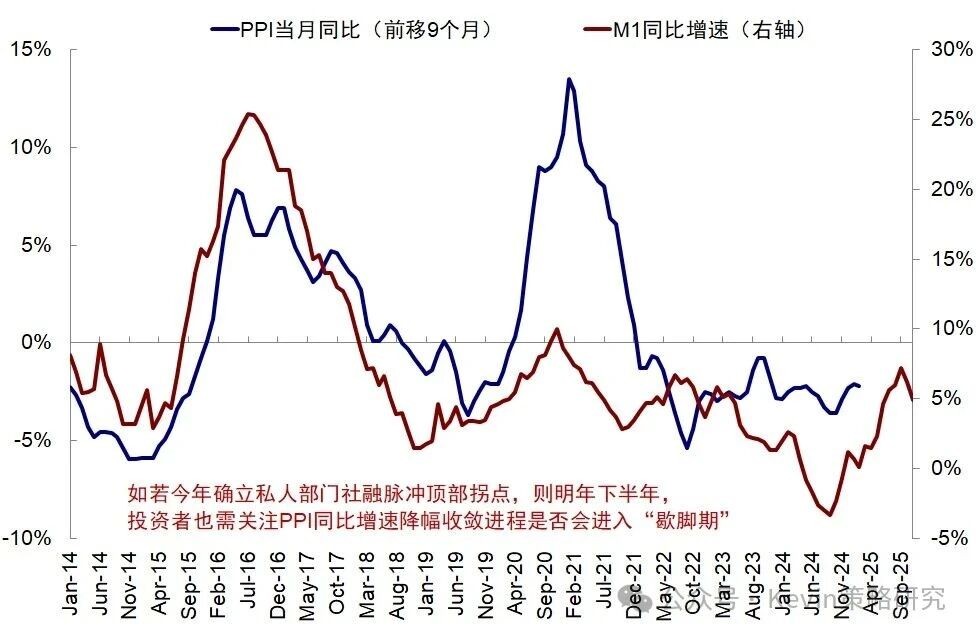
Was the recent weakness unexpected? We indicated in September that the credit cycle would turn downward in the fourth quarter unless there was a substantial policy push. A turning point in the credit cycle does not necessarily lead to an immediate market pullback, but it can constrain the market's upward potential. If this is compounded by some funding issues and external disturbances, it can lead to a contraction in sentiment and a pullback, which is why we have maintained the Hang Seng Index's target for this year at 26,000 without further adjustments. The credit cycles in China and the U.S. may face another turning point. However, at that time, expectations were still optimistic, and this change was overlooked and masked.

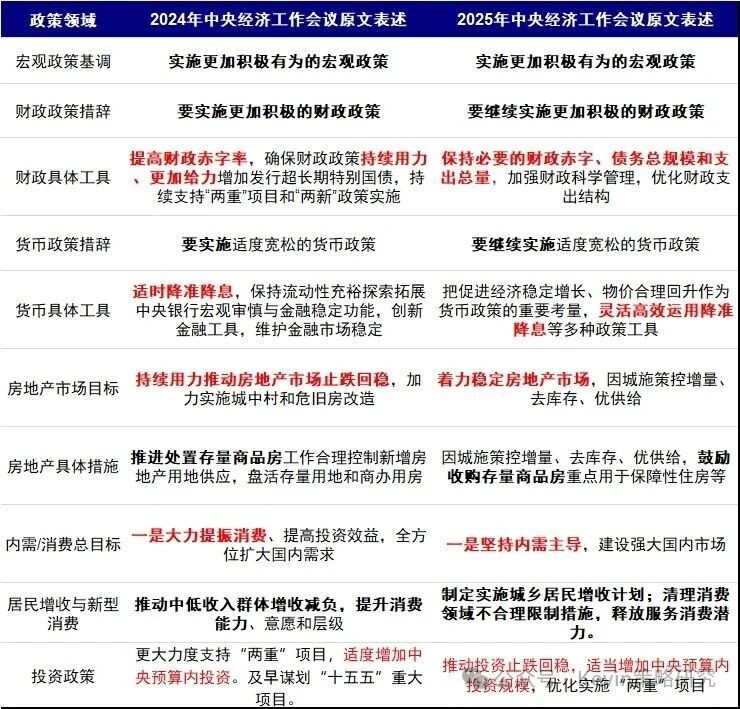
If fiscal measures are not significantly ramped up to counteract this, it is highly likely that our assessment of the credit cycle path will not change, and this has not received any additional support from the recent economic work conference.

In October and November, we asked why Japanese residents did not enter the market that year? We also pointed out in the "overlooked" bull market that one should not indefinitely extrapolate the effects of capital entering the market.

Of course, the "hawkish rate cut" by the Federal Reserve in December did not help either, as evidenced by the long-term U.S. Treasury yields still rising, and the direct spillover effects of balance sheet expansion are limited, making it more important than the rate cut in December.

Therefore, given the overall backdrop of the turning point in the credit cycle + the short-term policy increment expectations not being fulfilled + the Federal Reserve's easing not providing assistance + other disturbances such as benchmark changes that may lead to portfolio adjustments, the weakness observed since the fourth quarter is not entirely unexpected.

The end of the year is a policy window period, and this week there is also a Bank of Japan interest rate hike, so we need to get past these events before looking for new catalysts. Regarding the above factors: the easing expectations look towards the nomination of the new Federal Reserve chair early next year, the demand increment looks at the progress of U.S. fiscal efforts, and internally we look at our policy developments such as the recently frequently mentioned consumption and expansion of domestic demand policies.

Risk Warning and Disclaimer

The market has risks, and investment requires caution. This article does not constitute personal investment advice and does not take into account the specific investment goals, financial situation, or needs of individual users. Users should consider whether any opinions, views, or conclusions in this article align with their specific circumstances. Investing based on this is at one's own risk