OpenAI expert Yao Shunyu appointed as Chief AI Scientist at Tencent

Wallstreetcn
2025.12.17 10:56
portai
I'm PortAI, I can summarize articles.

OpenAI scientist Yao Shunyu has joined Tencent as Chief AI Scientist, responsible for the AI Infra Department and the Large Language Model Department, reporting to Tencent President Liu Chiping and President of the Technology Engineering Group Lu Shan. Tencent announced an architectural upgrade to its internal large model research and development system, establishing the AI Infra Department, AI Data Department, and others. Yao Shunyu's addition will drive transformation in the field of large language models in China

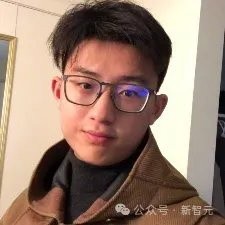
Today, OpenAI scientist and Tsinghua alumnus Yao Shunyu has joined Tencent as Chief AI Scientist!

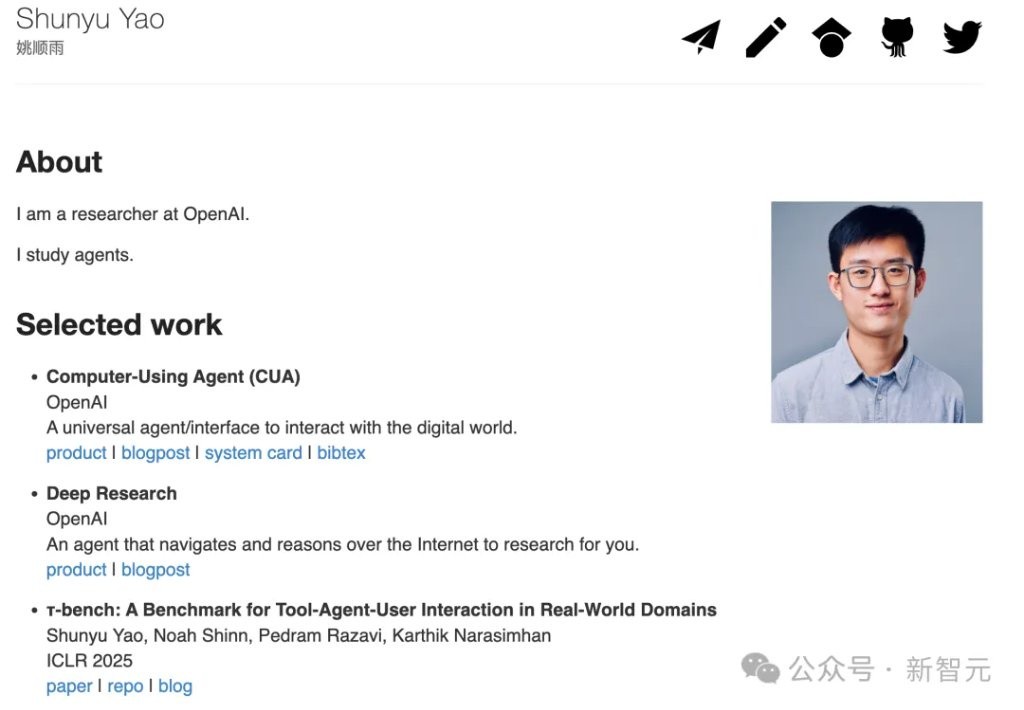
The personal homepage has not been updated yet.

A few months ago, a rumor about Yao Shunyu's whereabouts stirred ripples in the AI community.

Now, this repeatedly discussed yet officially unconfirmed news has finally reached a conclusion.

Media reports indicate that Tencent has officially announced an unprecedented structural upgrade to its internal large model research and development system, which includes—

The newly established AI Infra Department, AI Data Department, and Data Computing Platform Department, aiming to enhance capabilities from computing power and data to platform capabilities.

All actions are aimed at solidifying the "foundation" of large models.

At the same time, Yao Shunyu, who has not officially appeared before, has also made his debut in an official capacity, taking on two major roles—

Serving as Chief AI Scientist in the CEO/President's Office, reporting to Tencent President Liu Chiping;

Concurrently serving as the head of the AI Infra Department and the Large Language Model Department, reporting to the President of the Technology Engineering Business Group, Lu Shan.

What kind of transformation will this AI genius bring to the field of large language models in China?

Tsinghua Yao Class Graduate, Top Scholar

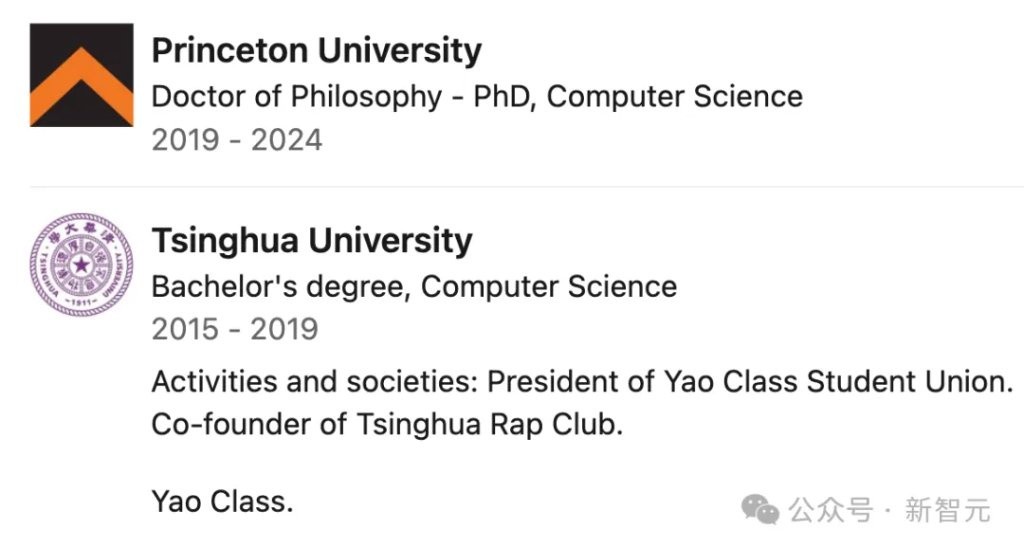
Yao Shunyu graduated with a bachelor's degree from Tsinghua University and is a typical "top scholar" from the Yao Class, shining throughout his academic career.

During middle school, he attended Hefei No. 45 Middle School and later transferred to Hefei No. 1 High School.

In 2014, he won a silver medal in the National Olympiad in Informatics (NOI). The following year, he entered Tsinghua's Yao Class with the third highest score in science in Anhui Province in the college entrance examination, majoring in computer science, and served as the president of the Yao Class Student Union.

After graduating with a bachelor's degree in 2019, he went directly to Princeton University to pursue a PhD.

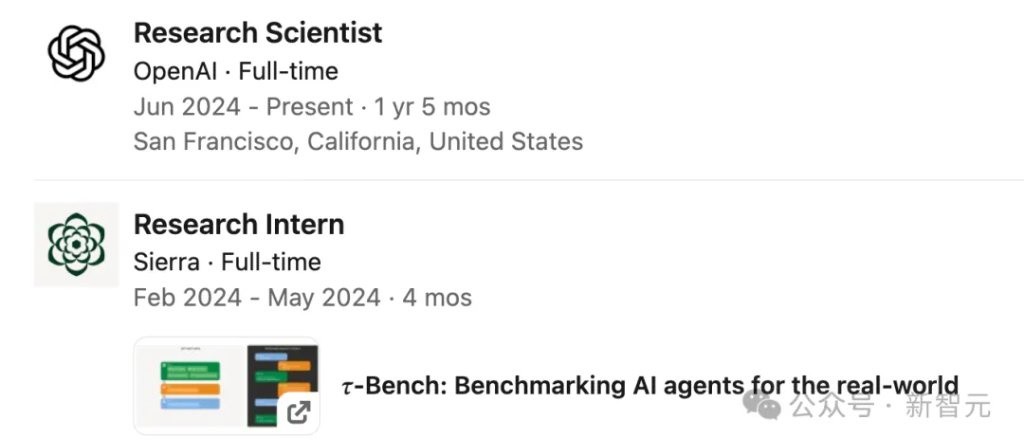
After graduating with a PhD in 2024, he joined OpenAI directly.

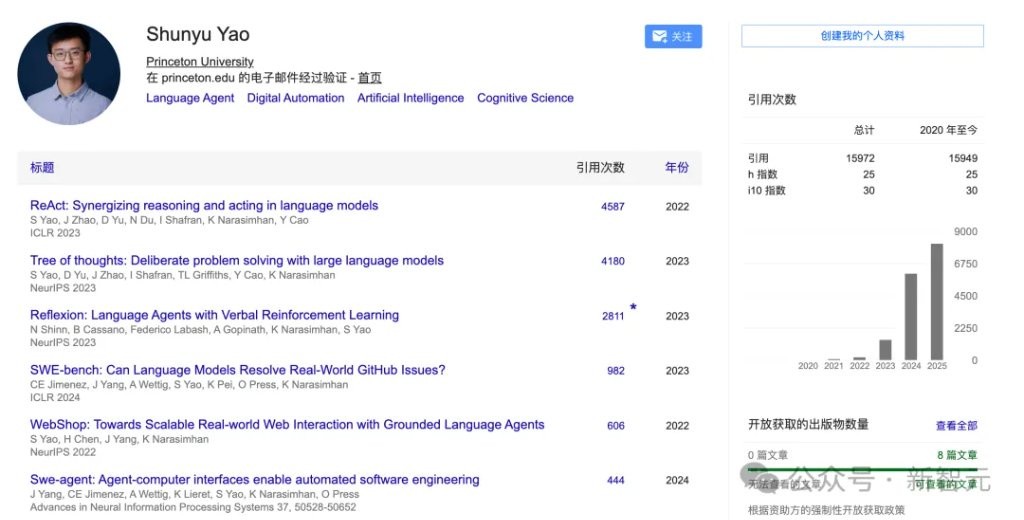
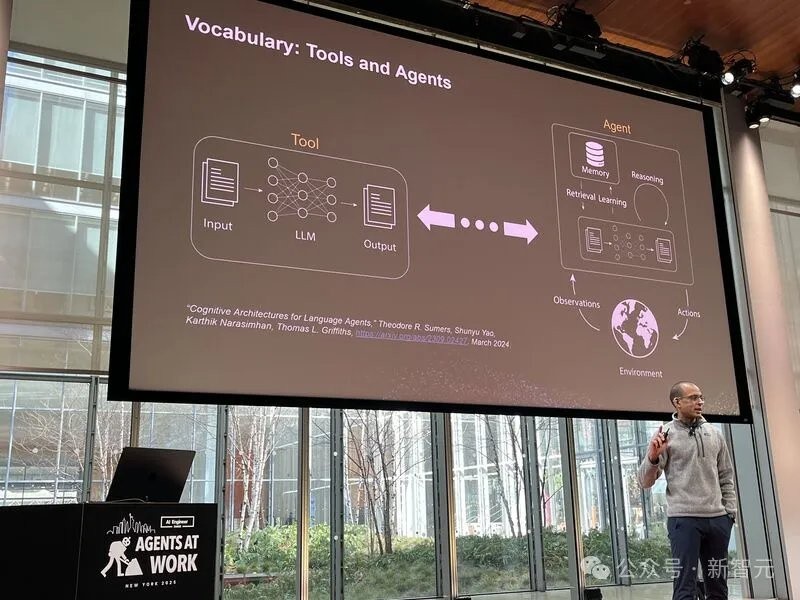
He mainly researches "intelligent agents" and at OpenAI studies language agents used for digital automation (WebShop, SWE-bench, tau-bench), with related achievements including ReAct, Reflexion, Thinking Tree, SWE-agent, CoALA, and more According to Google Scholar statistics, his representative works "ReAct" and "Thinking Tree" have been cited over 4,000 times, with a total citation count of nearly 16,000.

As early as during his doctoral studies, Yao Shunyu had already delved deeply into the field of intelligent agents.

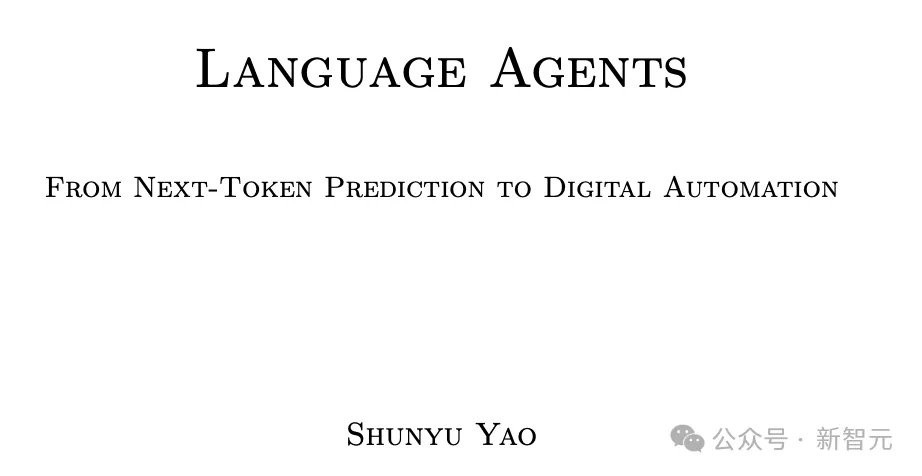
In his doctoral dissertation, he systematically summarized the core value of language intelligent agents—moving from "next token prediction" to "digital automation," and proposed a series of new benchmark tests, methodologies, and principle frameworks.

Portal: https://ysymyth.github.io/papers/Dissertation-finalized.pdf

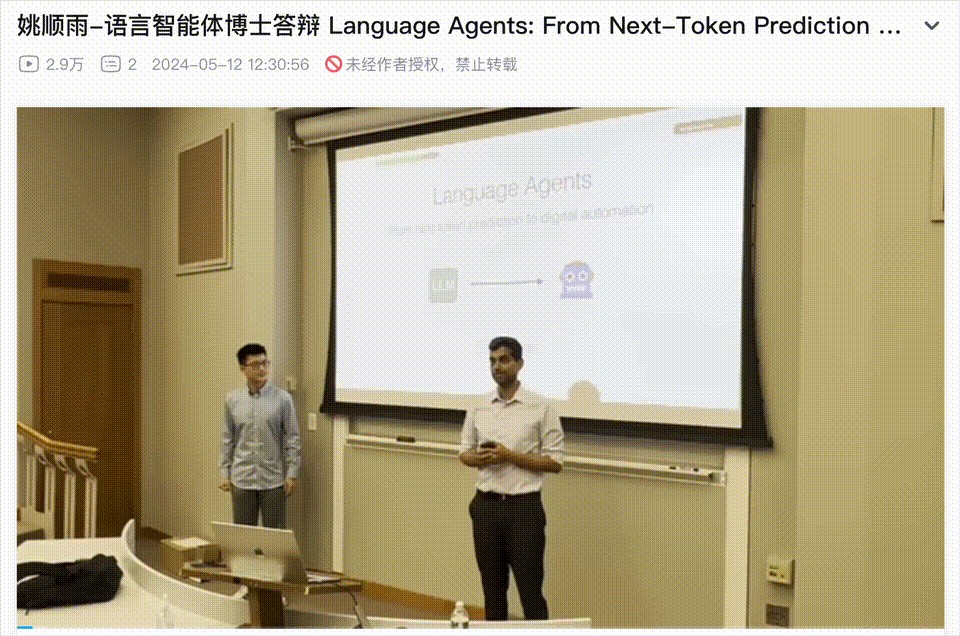
It is worth mentioning that Yao Shunyu also publicly shared his entire doctoral defense on Bilibili.

In the dissertation, he also specifically reviewed his deep friendship with his doctoral advisor Karthik Narasimhan.

In 2019, despite having chosen Princeton, Yao Shunyu still had some hesitation about his future direction.

At that time, he proactively contacted Karthik and suggested, "Language models like GPT-2 seem very promising and might be directly used to solve text games"?

Karthik readily agreed.

In the following five years, Yao Shunyu not only achieved fruitful results in research but also developed a mentor-friend relationship with his advisor—Karthik even became the best man at his wedding.

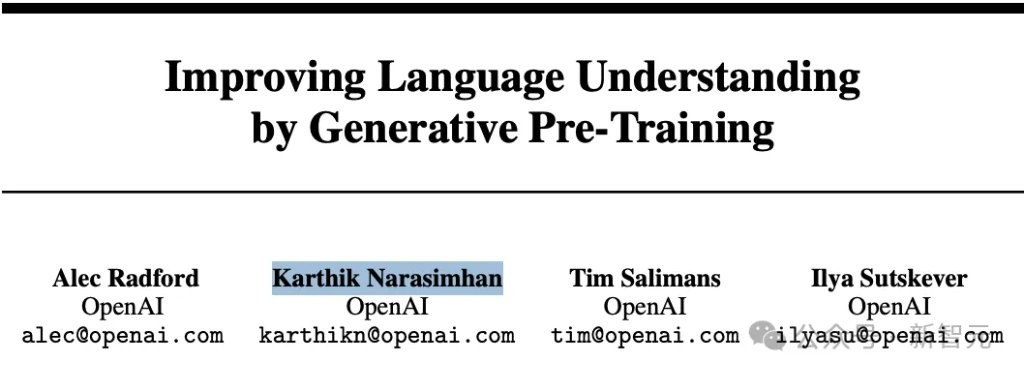
Those who are familiar may know that Karthik is one of the authors of the groundbreaking GPT paper and served as a visiting researcher at OpenAI from 2017 to 2018.

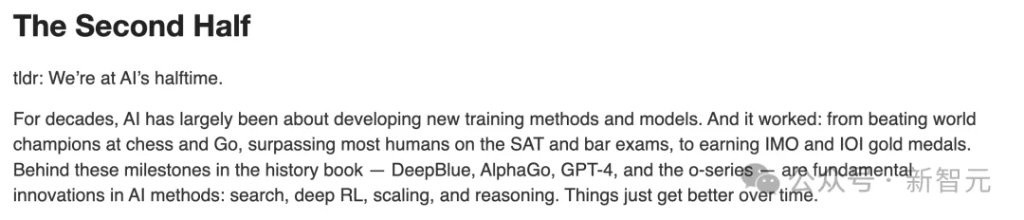
AI Enters the Second Half

In April of this year, Yao Shunyu offered unique insights into the development trends of AI:

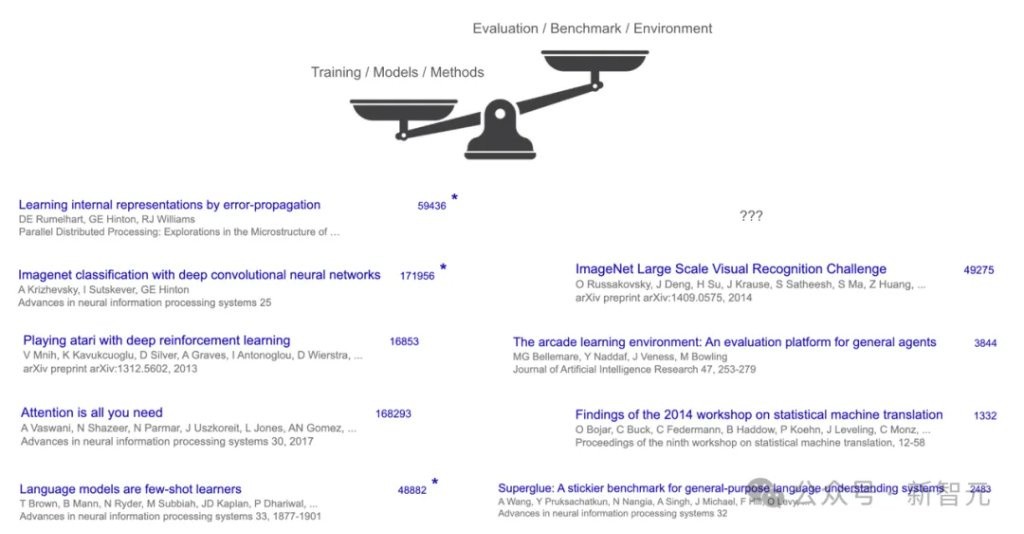
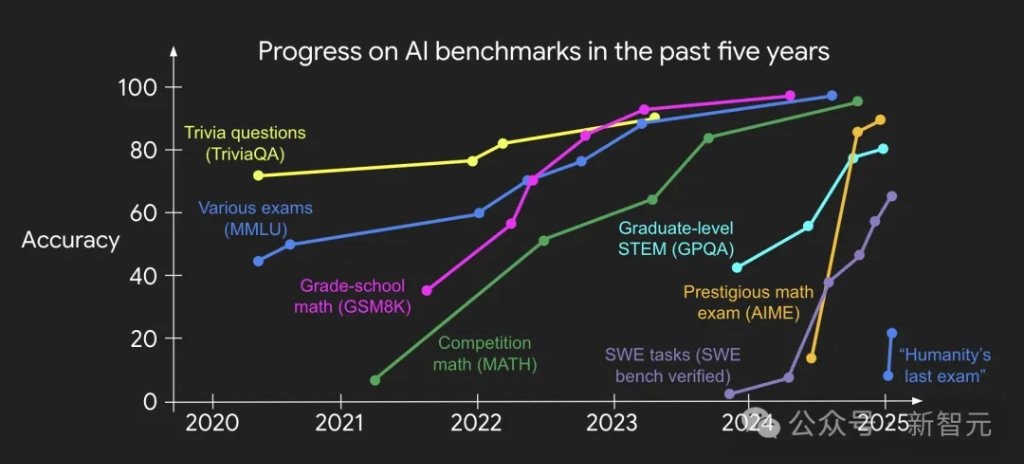
Reinforcement learning has finally come into effect, and next, "evaluation" will surpass "training" to become the key.

He pointed out that AI has entered the "second half," with the focus shifting from "problem-solving" to "problem-definition."

In his view, "evaluation will be more important than training" is the most noteworthy trend at present.

For a long time, evaluation has been one of the three key elements of learning algorithms, alongside training and optimization, yet it has never received such high attention.

Yao Shunyu emphasized that the core issue currently is to clarify what exactly we want AI to do.

To succeed in the new era of AI, we must timely adjust our thinking and capability structure—

Closer to the role of a product manager: defining problems, setting metrics, organizing iterations, and enabling AI capabilities to translate into measurable value in the real world.

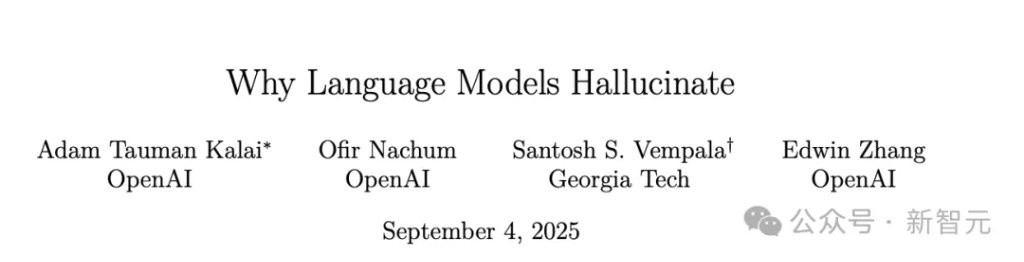
Moreover, OpenAI's latest research also confirms this viewpoint: evaluation methods are key factors affecting model hallucinations, and optimizing evaluation methods can further unleash the potential of large models.

Paper link: https://arxiv.org/pdf/2509.04664

Perhaps, in the journey ahead, Yao Shunyu will practice his philosophy—redefining the boundaries and value of AI through evaluation.

Risk warning and disclaimer

The market has risks, and investment requires caution. This article does not constitute personal investment advice and does not take into account the specific investment goals, financial situation, or needs of individual users. Users should consider whether any opinions, views, or conclusions in this article align with their specific circumstances. Investment based on this is at one's own risk