


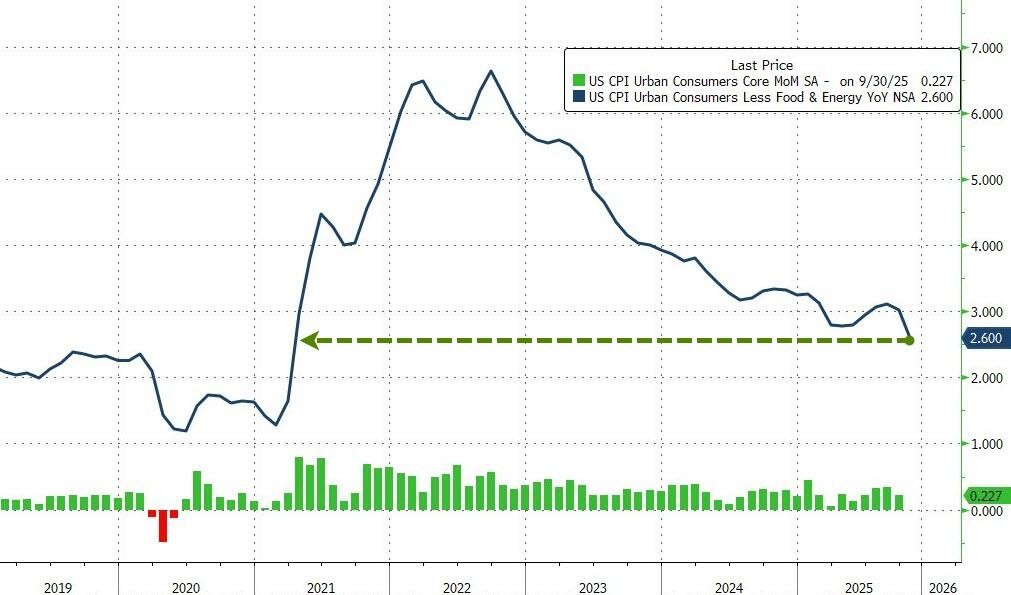
Inflation unexpectedly slows down! The core CPI in the U.S. for November is 2.6%, the lowest increase since 2021
The Bureau of Labor Statistics stated that due to the federal government shutdown, the agency was unable to collect most of the price data for October. This data gap limited the Bureau's ability to calculate broader inflation indicators as well as month-over-month changes in many key categories for November. The Bureau of Labor Statistics reported that the core CPI increased by 0.159% over the two months ending in November
On Thursday, the delayed report from the U.S. Bureau of Labor Statistics showed that the core Consumer Price Index (CPI), excluding volatile food and energy prices, rose 2.6% year-on-year in November. This increase is lower than the 3% recorded two months ago, indicating further easing of inflationary pressures.
The data also revealed that the Consumer Price Index (CPI) rose 2.7% year-on-year in November, below the expected increase of 3.1%.
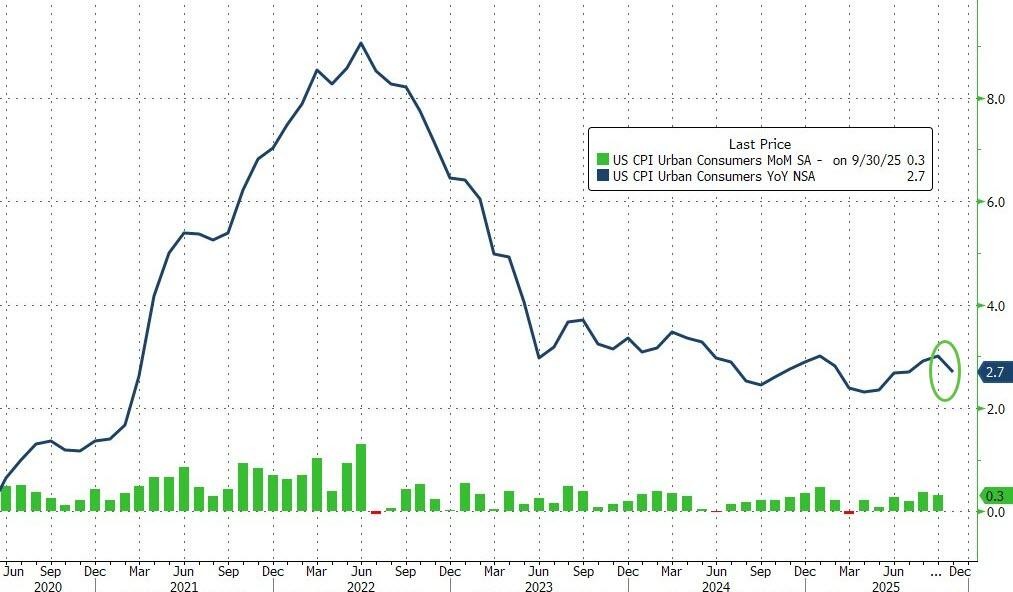
However, data collection was severely disrupted. The Bureau of Labor Statistics stated that due to the federal government shutdown, it was unable to collect most of the price data for October. This data gap limited the Bureau's ability to calculate broader inflation indicators and the month-on-month changes for many key categories in November.
The Bureau of Labor Statistics noted that the core CPI increased by 0.159% over the two months ending in November.
Analysts pointed out that this flawed report provides a glimmer of hope that inflationary pressures are easing, as inflation has been stuck in a narrow range since the beginning of this year.
Signs of Cooling Inflation Emerge
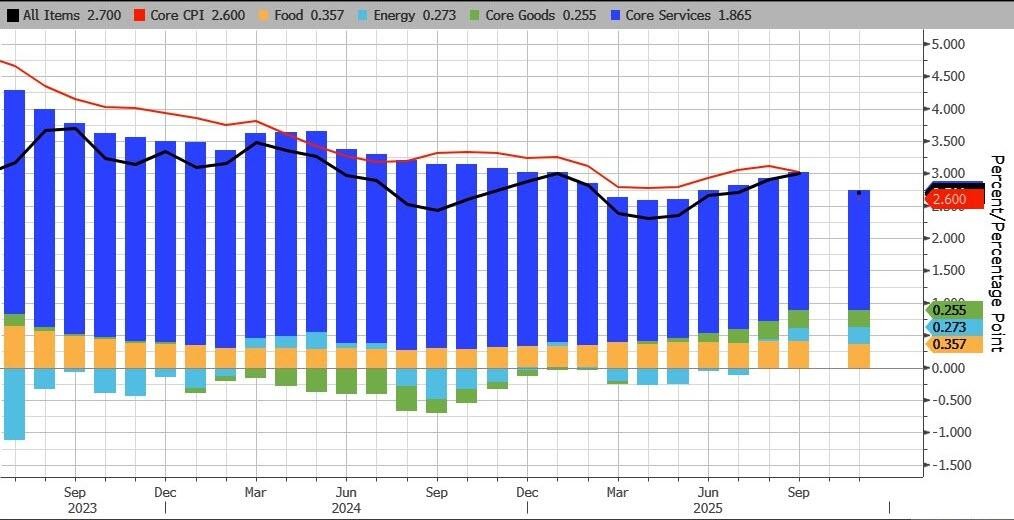
Sub-item data showed a slight month-on-month decline in core goods and services prices, while energy prices rose during this period.
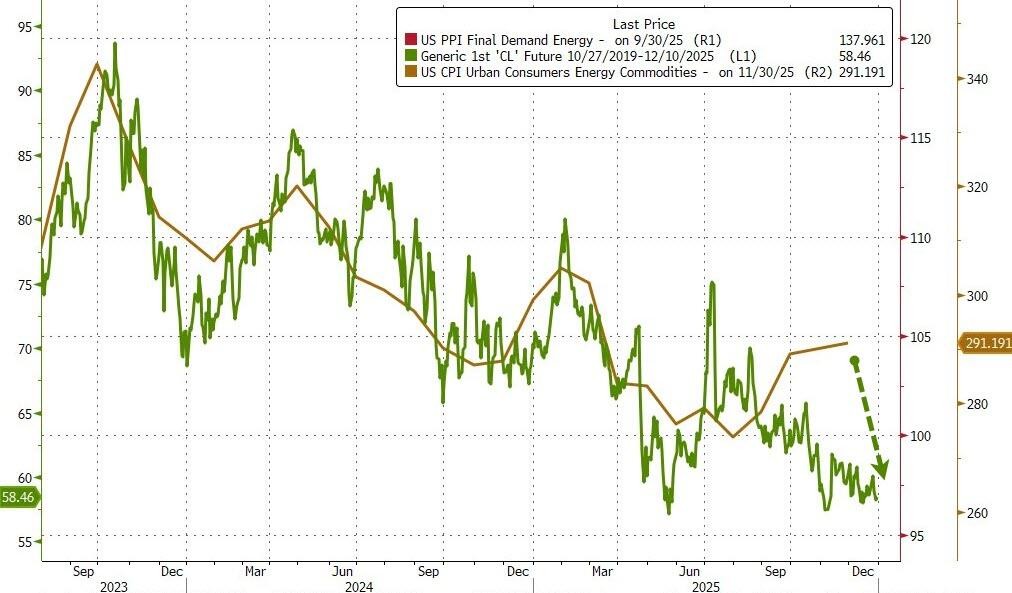
However, with oil prices falling sharply, energy prices are expected to retreat significantly.
The Bureau of Labor Statistics explicitly stated in its data release that due to the record government shutdown lasting until November 12, it was unable to collect most of the price data for October. This severely impacted the month-on-month change calculations for November's inflation data, reducing the reliability and comparability of the data.
Federal Reserve Chairman Jerome Powell stated last week that the CPI data "may be distorted" due to this record-length government shutdown. This statement highlights policymakers' concerns about data quality.
Despite the questions surrounding data quality, the decline of the core CPI from 3% two months ago to 2.6% still provides some support for the notion that inflationary pressures are easing. Previously, U.S. inflation had been fluctuating within a narrow range since the beginning of this year, failing to make substantial progress.
Tom Lee, head of research at Fundstrat, stated in a report before Thursday's data release:
"Moderate CPI data will reinforce the Fed's judgment that it is focused on protecting the labor market. This means that the Fed's 'put option' mechanism is now in place for the economy. In other words, if the Fed is concerned about downside risks to the economy, the Fed's 'put option' will come into play, which will drive the stock market up "
Continuous updates
