


After being suppressed by Eli Lilly for two years, how Novo Nordisk fights back: "Bowing to Trump" in exchange for tariff exemptions, using profits to gain speed in launching new drugs

Novo Nordisk is seeking to exchange price reductions for U.S. tariff exemptions and expedited regulation, aiming to regain dominance by seizing the initiative in oral weight loss drugs and squeezing the generic drug market. Although this move may suppress profits in the short term, it provides the company with a strategic buffer to fend off Eli Lilly and recover lost ground, pushing its valuation into a deep repair phase
After experiencing the darkest moment of a halved stock price and losing the title of "king of weight loss drugs," Danish pharmaceutical giant Novo Nordisk is attempting to regain market dominance through a bold political gamble and accelerated product strategy.
Faced with the strong competition from Eli Lilly, Novo Nordisk's new management has chosen to sacrifice some profit margins in exchange for tariff exemptions and regulatory green lights from the U.S. government, striving to seize the initiative in the competition for the next generation of oral medications.
According to Bloomberg, Novo Nordisk has reached a key agreement with the Trump administration: the company agrees to significantly reduce the prices of its star weight loss drug under the U.S. federal Medicare and Medicaid programs, while also lowering the direct consumer price. In exchange, Novo Nordisk has obtained exemptions from drug import tariffs for the next three years, and its high-dose Wegovy injection will receive fast-track review status from the U.S. Food and Drug Administration (FDA).
This strategy quickly translated into actual market advantages. The FDA approved Novo Nordisk's application for the oral version of Wegovy in December, and the company plans to officially launch the product in the U.S. in January 2026. This means that Novo Nordisk will lead Eli Lilly by about three months in the critical battlefield of oral weight loss drugs, as Eli Lilly's similar product is not expected to be approved until March next year.
Boosted by this news, Novo Nordisk's stock price rebounded over 9% in recent trading.
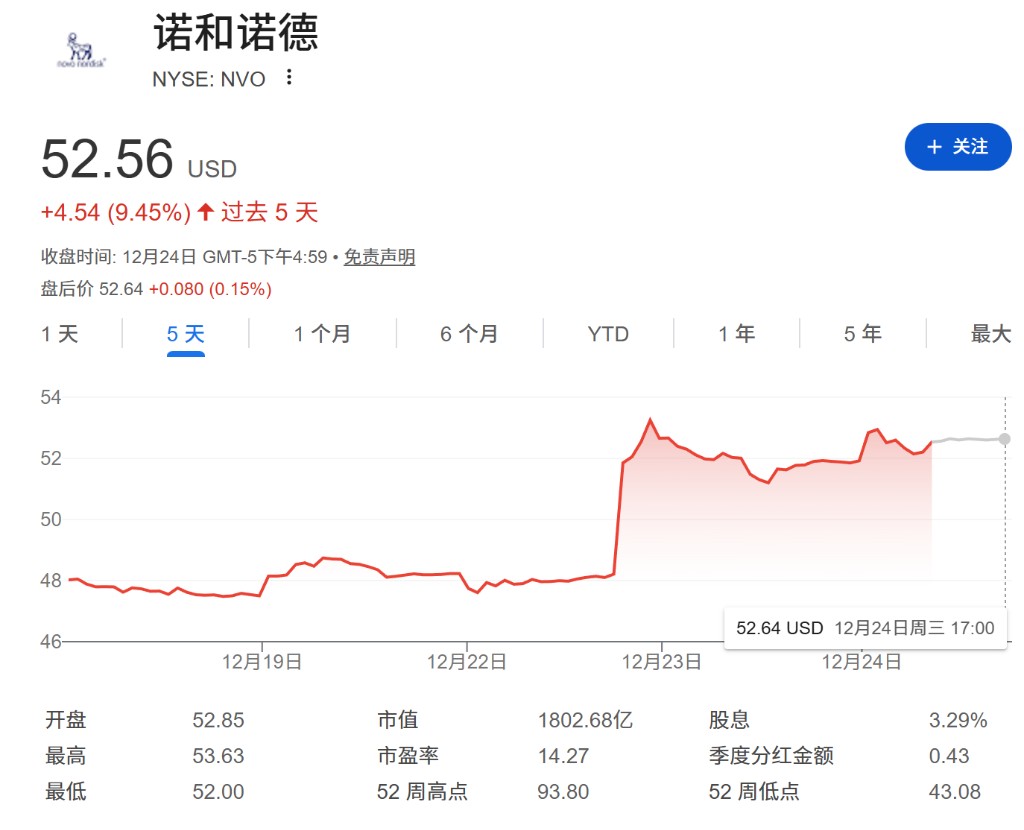
Although price concessions may suppress sales growth in the short term, investors are reassessing the valuation logic of this European pharmaceutical giant.
Throughout 2025, due to disappointing clinical trial results and Eli Lilly's Zepbound demonstrating better weight loss effects, Novo Nordisk's stock price once plummeted over 50%. The recent compromise with the White House and the accelerated launch of new drugs are seen by the market as the company's desperate attempt to reverse the downturn and use "first-mover advantage" to counter its rivals before facing the patent cliff.
Exchanging Price for Volume: The "Political Deal" with the White House
After taking office, Trump directly targeted the persistently high prescription drug prices in the U.S., demanding that pharmaceutical companies sell directly to patients and align prices with international levels.
Against this backdrop, both Novo Nordisk and Eli Lilly reached price reduction agreements with the Trump administration in November. According to White House officials, not only will the government procurement prices be reduced, but the direct-to-consumer (DTC) prices of Ozempic and Wegovy will also be lowered.
As a policy benefit of the price reduction, the coverage of weight loss drugs under Medicare will significantly expand. Previously, this plan only provided reimbursement for obese patients with specific complications such as cardiovascular diseases, but under the new regulations, the coverage criteria will be relaxed to include overweight individuals with prediabetes.
For Novo Nordisk, the core value of this deal lies in the dual benefits of defense and offense: the three-year exemption from import tariffs eliminates trade war risks, while the accelerated approval of high-dose Wegovy aims to narrow the efficacy data gap with Eli Lilly's Zepbound The company admitted that the agreed low prices may put pressure on global sales growth next year, but in the fierce duopoly competition, this has earned it a valuable strategic buffer period.
Rushing Oral Medications: A Three-Month Time Window
As competition in the injectable market intensifies, oral formulations are seen as the next frontier in the weight loss drug market due to their easier use for patients and lower production costs. Novo Nordisk is currently betting heavily on the oral version of Wegovy, set to launch in January 2026.
This timing is crucial. According to analyst consensus compiled by Bloomberg, Eli Lilly's similar oral medication is expected to receive approval in March. Novo Nordisk's new CEO Mike Doustdar stated that the company has prepared a "more than sufficient" inventory of pills for this launch and confirmed that it is in preliminary negotiations with telehealth platform Hims & Hers Health Inc. to expand sales channels for the oral medication.
Investors are closely watching whether Novo Nordisk can leverage these months of "vacuum period" to build brand loyalty. Sebastien Malafosse, portfolio manager at Edmond de Rothschild Asset Management, pointed out that the company has "learned its lesson" this time, and its execution is expected to be better than the chaotic state during the 2021 launch of Wegovy injections.
Gregoire Biollaz, senior investment manager at Pictet Asset Management, believes that if the approval and launch go smoothly, high-dose injectables and oral medications will become key catalysts for stock price recovery.
Valuation Restructuring: Reflection After the Darkest Hour
Novo Nordisk's market performance in 2025 was disastrous. Misjudging market demand led to supply chain disruptions, and disappointing clinical data for the next-generation candidate drug CagriSema—showing weight loss effects only on par with Eli Lilly's Zepbound without surpassing it—resulted in the company's stock price experiencing its worst year ever, nearly erasing the gains of previous years.
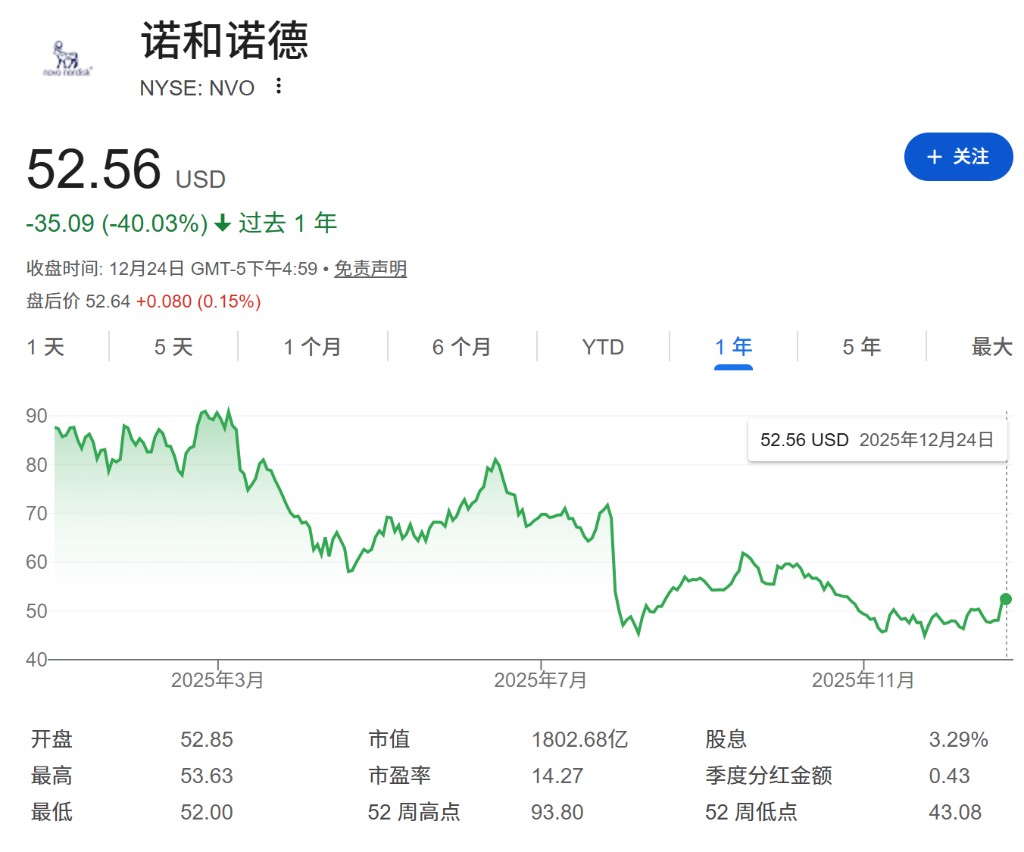
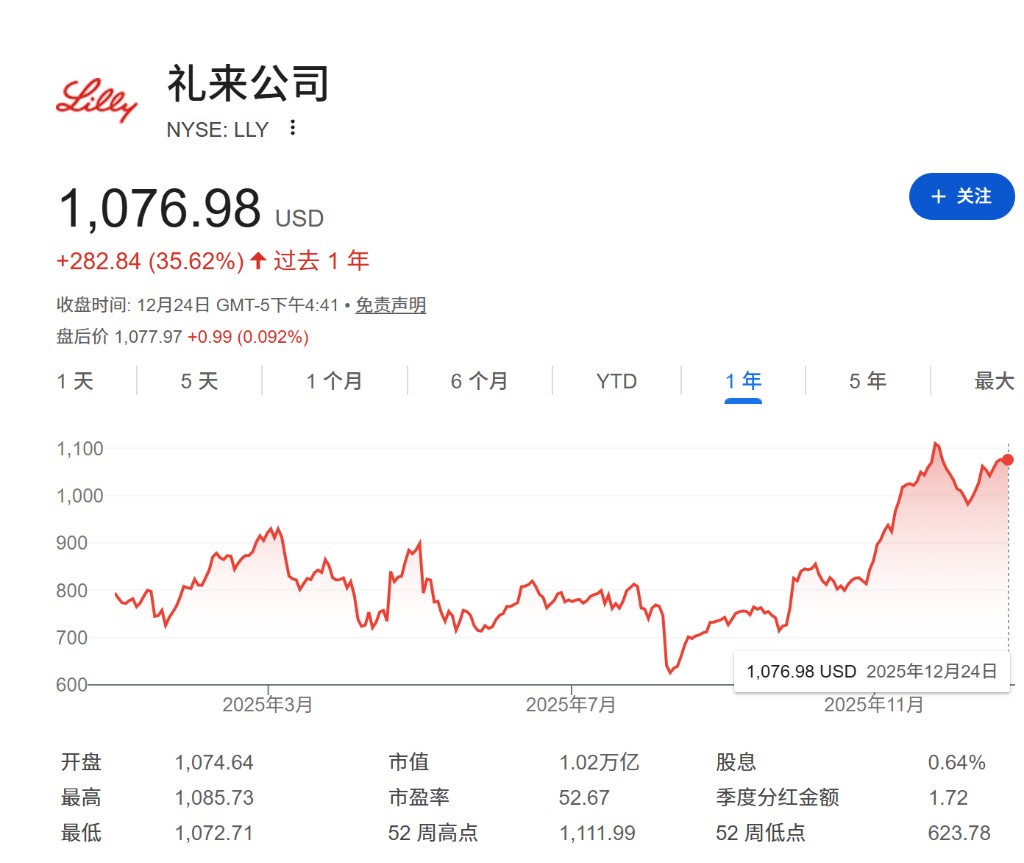
However, the sharp decline has also brought Novo Nordisk's valuation back to an attractive range. Its expected price-to-earnings ratio is currently about 14 times, only half of the average level over the past five years, and more than 10% cheaper than the MSCI World Pharmaceuticals Index.
Berenberg analyst Kerry Holford wrote in a report last week that the current stock price hardly accounts for pipeline value, and given the company's strong R&D return record, this valuation level is clearly too low Despite this, long-term concerns still exist. The patent for the core ingredient of Wegovy and Ozempic, semaglutide, will expire in the United States in 2032. Paul Major, portfolio manager at Bellevue Asset Management, warned that unless investors see compelling new catalysts to support future growth, the market's confidence in the company will take time to recover due to the current pipeline's lack of surprises.
Crackdown on Generic Drugs: Reclaiming Lost Millions of Users
In addition to its direct confrontation with Eli Lilly, Novo Nordisk must also address the vast generic drug market that has emerged due to previous supply shortages. According to the company's estimates in November, there are over 1 million patients in the U.S. using a cheap generic version of GLP-1 drugs produced by a company known as "compound pharmacies."
Although the FDA announced the end of the semaglutide shortage in February 2025 and began restricting generic drug production from May, compound pharmacies continue to exploit regulatory loopholes (such as adjusting dosages or adding vitamin B12) to sell their products. To reclaim this market segment, Novo Nordisk launched a patient-facing platform called NovoCare and significantly reduced prices.
The NovoCare platform offers deep discounts for self-paying users, with prices far below the original prices of $998 for Ozempic and $1,349 for Wegovy. This is Novo Nordisk's direct attempt to squeeze the survival space of generic drugs through a price war and convert "black market" users into legitimate customers.
Although a previous partnership with telehealth company Hims & Hers broke down in less than two months, Novo Nordisk is trying to repair its damaged market share due to capacity shortages through self-built channels and new low-price strategies
