


Just tomorrow! The U.S. Supreme Court's tariff opinion date is set, and the U.S. stock and bond markets are facing a "big test."

The U.S. Supreme Court is about to rule on the legality of Trump's tariffs, and the outcome will profoundly affect market trends. If the tariffs are overturned, it is expected to boost the stock market, especially for import-dependent consumer and manufacturing sectors, and enhance corporate profit expectations; however, it will also weaken government revenue, exacerbate concerns over fiscal deficits, and may temporarily push up U.S. Treasury yields. Although long-term uncertainties remain, the market generally expects that the short-term volatility triggered by the ruling will be relatively manageable, and selling pressure in the bond market may be limited
The U.S. Supreme Court is about to make a final ruling on the legality of the comprehensive tariff plan introduced by Trump, and the outcome of this ruling will pose a significant test for the U.S. stock and bond markets. Analysts generally expect that if the court rules the tariffs illegal, the stock market may be boosted by improved corporate profit expectations, but the bond market could face selling pressure due to renewed concerns over the fiscal deficit and a more complicated future policy path for the Federal Reserve.
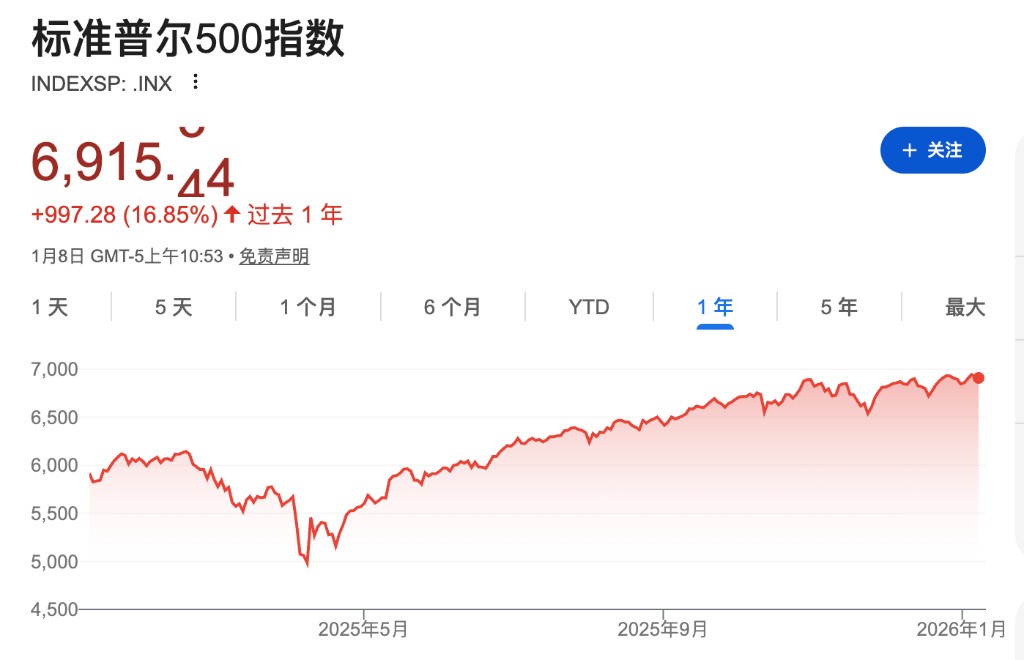
The Supreme Court has set this Friday, Eastern Time, as the opinion release date, which means the ruling could come as early as this week. Since the tariff policy triggered market turbulence, the S&P 500 index has rebounded about 40% from its lows and reached new highs, driven mainly by the AI investment boom and the Trump administration's rollback of certain tariffs.
Wells Fargo's Chief Equity Strategist Ohsung Kwon expects that if the tariffs are overturned, the EBITDA of S&P 500 constituent companies in 2026 could increase by about 2.4% compared to last year. However, analysts also point out that even if the court rules the tariffs illegal, the White House may still invoke other legal authorities to reimplement similar trade restrictions, meaning policy uncertainty will persist in the long term.
The market generally believes that the short-term reaction path is relatively clear: eliminating tariffs will ease consumer cost pressures and improve corporate profitability, supporting the stock market; however, this move will also weaken an important source of government revenue, exacerbating concerns over the federal deficit, thus negatively impacting the bond market.
Stock Market Beneficiary Sectors Show Significant Divergence
If the U.S. Supreme Court rules to eliminate the current comprehensive tariffs, the impact on different industries will show significant divergence. Companies that rely on imported goods or global supply chains will benefit directly, while domestic producers previously supported by trade protection policies may lag behind.
Specifically, the consumer goods sector (such as clothing, toys, and home goods) will be the clearest winner due to its heavy reliance on overseas imports and facing high tariff rates, with cost pressures and profit uncertainties expected to ease significantly. The industrial manufacturing and transportation sectors are also likely to benefit from tariff refunds and potential economic stimulus effects. In the financial sector, large banks may benefit from an overall boost in consumer confidence, while more volatile sub-sectors like fintech may experience sharp fluctuations due to changes in market sentiment.
Conversely, raw materials, commodities, and some inward-facing manufacturing sectors may perform relatively poorly due to the loss of price protection. Market analysis indicates that even if tariffs are eliminated, their long-term structural impact will still depend on whether companies can translate cost savings into actual profits and whether the White House will turn to other policy tools to maintain trade barriers.
U.S. Bonds Face Fiscal Deficit Concerns
Bond traders are positioning for potential market volatility, although the general expectation is that its impact will be short-lived. U.S. Treasuries recorded over 6% returns in 2025, marking the best annual performance since 2020, primarily due to market bets on continued rate cuts by the Federal Reserve. However, once the current tariffs are eliminated, the tariff revenues that were an important source of government income will face a shortfall, potentially reigniting concerns over the federal budget deficit. **The JP Morgan strategist team pointed out that the cancellation of tariffs carries the risk of "reigniting fiscal concerns, pushing up long-term yields, and leading to a steepening of the yield curve." However, they also assessed that, given the Trump administration may seek other legal avenues to restore most tariffs, the overall impact "should be quite limited."
The Morgan Stanley team, on the other hand, reminded investors to pay attention to the specific timing and scale of potential tariff refunds to importers by the government, as this directly affects the demand for Treasury issuance. They believe that, given the market has anticipated this ruling and may have partially digested it, the initial sell-off in the bond market may be relatively short-lived, while "second-order and more persistent reactions may see investors 'buying based on facts' and further pushing down yields."
It is worth noting that if the cancellation of tariffs creates additional economic stimulus, it may complicate the Federal Reserve's path to interest rate cuts and exacerbate fiscal deficit pressures. Currently, U.S. Treasury yields have retreated from their mid-2025 highs, and the market is seeking a new balance between economic growth, policy paths, and fiscal sustainability.
