


The situation in Iran has changed dramatically, gold has reached a new high, silver has risen nearly 3%, and oil prices continue to rise

Geopolitical risks have overshadowed concerns about supply surplus, becoming the new dominant logic in the market. Gold reached a new high, silver rose nearly 3%, and Brent crude oil increased by over 1% approaching $64 per barrel, while the market is making significant bets on rising oil prices through the options market. According to reports from CCTV and Xinhua News Agency, Trump will discuss various intervention plans, including military strikes, dispatching aircraft carriers, and cyberattacks, on the 13th. Iran confirmed that hundreds have died in the recent turmoil
The latest developments from Iran are becoming a new logic dominating the global commodity market.
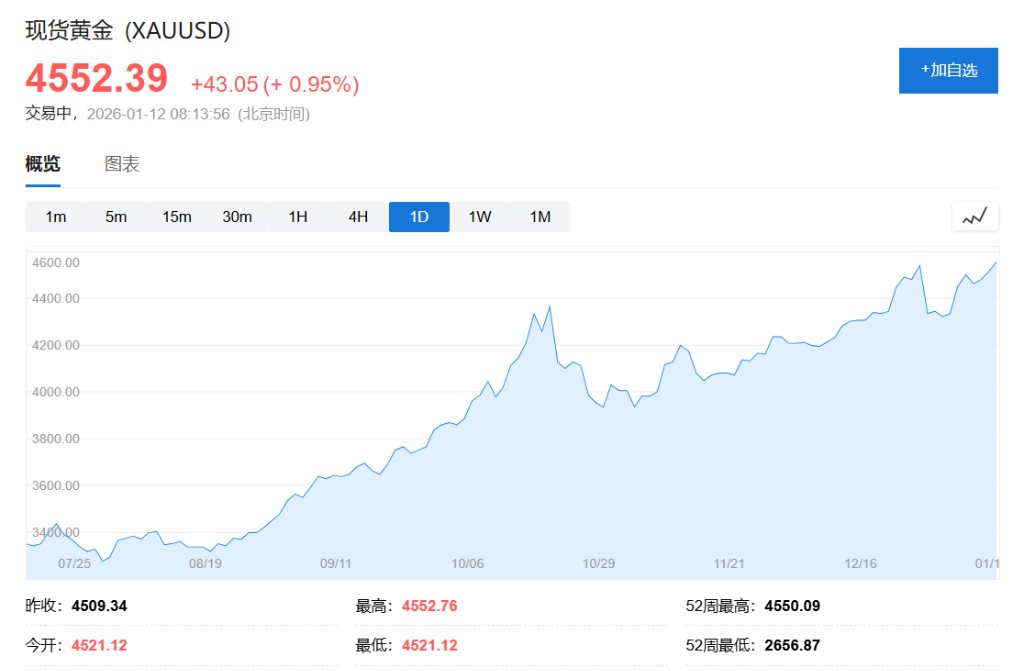
On Monday, January 12, risk aversion sentiment significantly increased, with spot gold rising nearly 1% during the day, reaching the $4,550 mark, setting a new historical high.
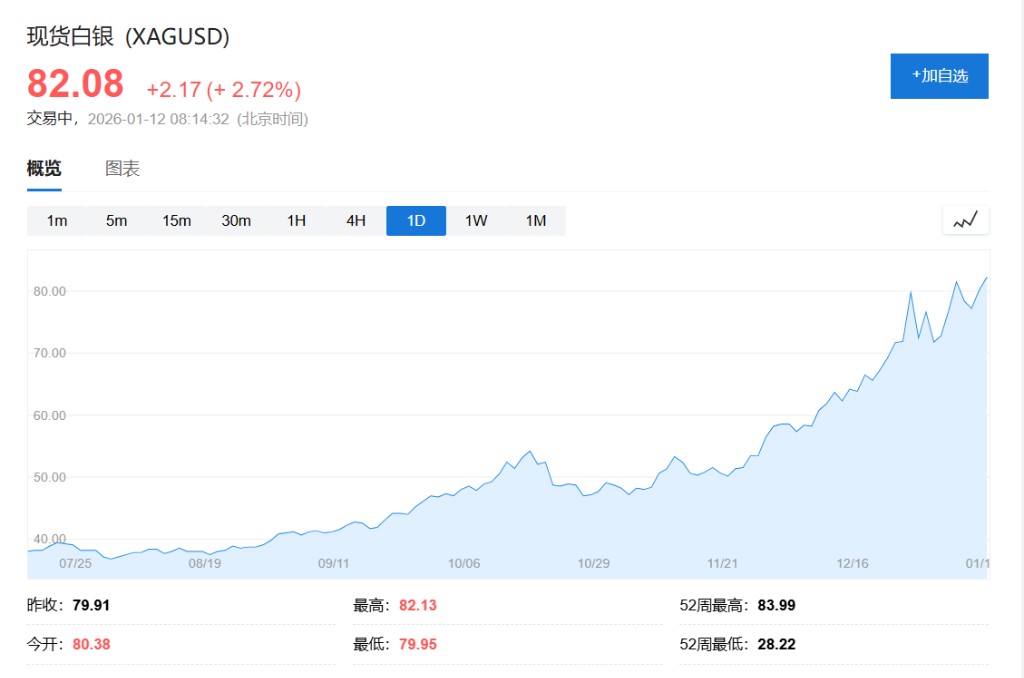
Silver's gains expanded to 2.7%, with prices continuing to hover around the historical high level of $82.
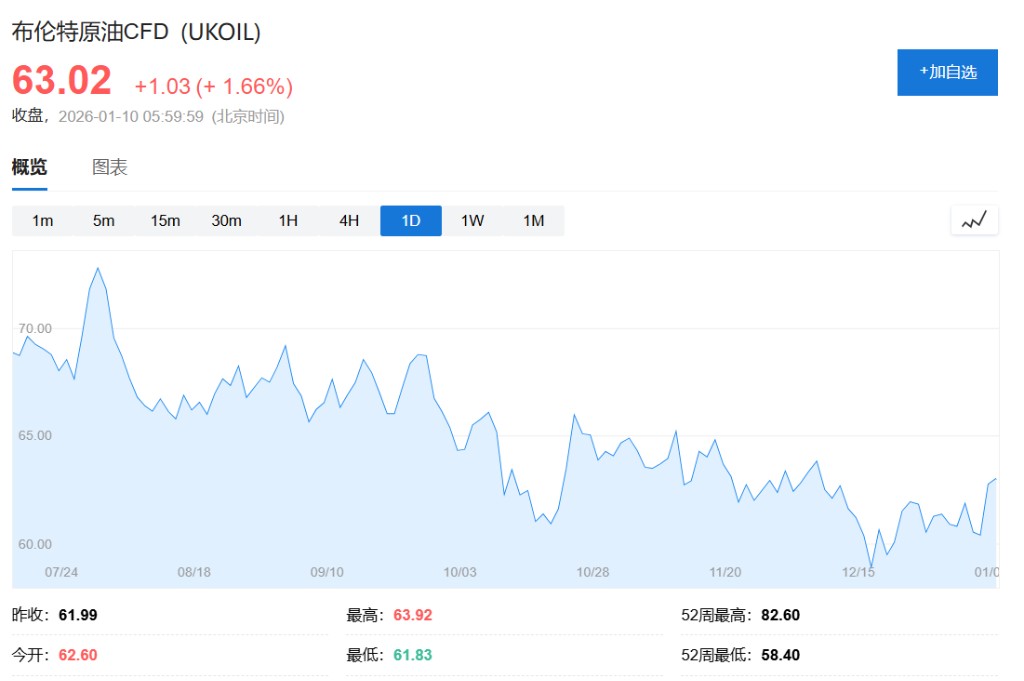
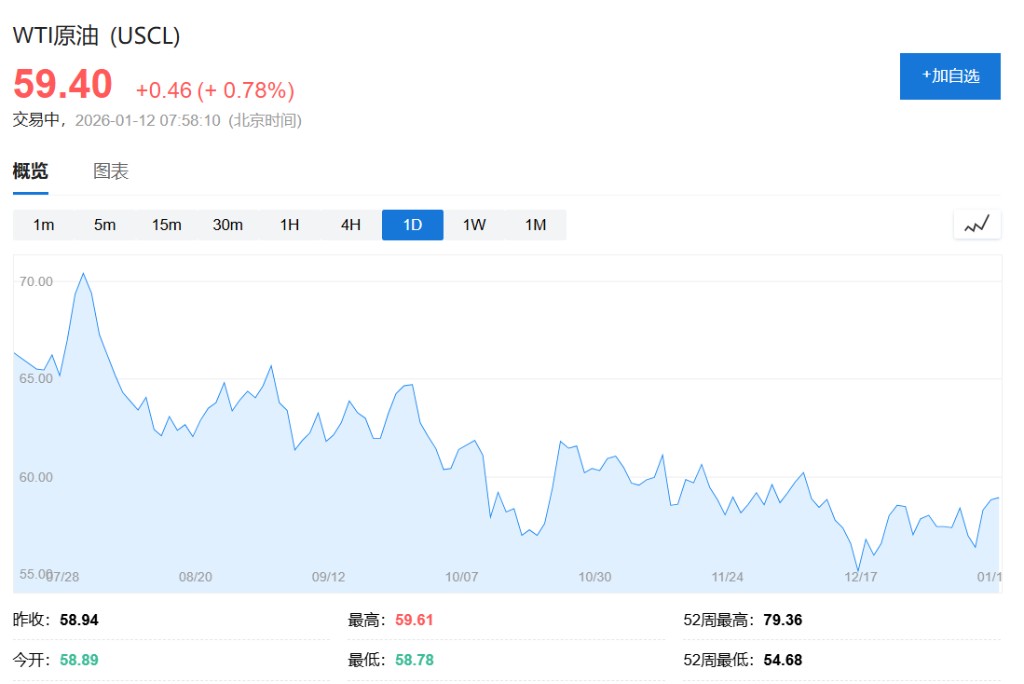
The crude oil market also reacted sharply, with both Brent and WTI crude oil rising over 1%. Data shows that after experiencing a nearly 6% jump last Thursday and Friday, Brent crude is now approaching the $64 per barrel mark, marking the largest two-day increase since October; WTI crude prices remain around $60.
The core of market anxiety lies in the sudden change in the situation in Iran over the weekend. On January 11, local time, according to CCTV News reporters, U.S. officials revealed that President Trump is considering various options for intervening in Iran, including announcing the deployment of an aircraft carrier strike group to the Middle East, launching cyberattacks, and information warfare. Additionally, Xinhua News Agency reported that Trump will meet with senior advisors on the 13th to specifically discuss options regarding Iran.
This geopolitical risk has overshadowed previous market concerns about global oversupply. As the fourth largest oil producer in OPEC, Iran's nearly 2 million barrels per day of crude oil exports face the risk of interruption, directly altering investor expectations. Currently, the market is closely monitoring Washington's next decisions and Tehran's responses.
Inflow of Safe-Haven Buying Reveals Bullish Signals in Oil Options
The turmoil in the Iranian situation has directly stimulated capital inflow into the commodity market. Oil prices have risen for the third consecutive day.
Changes in market data clearly reflect the shift in risk appetite. Data shows that this risk scale is most evident in the options market, where the skew toward bullish calls for U.S. crude oil futures has reached its highest level since July. This indicates that traders are heavily betting on further increases in oil prices to hedge against potential geopolitical supply shocks In addition, the turmoil in Iran has shifted the market's focus away from the Venezuela issue. Although Trump signed an executive order on Saturday to protect Venezuela's assets in the U.S., the current market focus has been completely occupied by the situation in the Middle East.
Trump is considering multiple options for intervention in Iran
The U.S. intervention plans are entering a substantive discussion phase. According to CCTV News, on January 11 local time, U.S. officials stated that Trump is considering multiple options for intervening in Iran. Recently, preliminary meetings have been held within the U.S. government to "discuss ways to support protests in Iran," which include military strikes by the U.S. military against Iranian government targets, although "many within the Trump administration believe that taking significant military action at this stage would undermine the protests." Other options threatening the Iranian government include announcing the deployment of an aircraft carrier strike group to the Middle East, and cyberattacks and information warfare are also under consideration.
Reports indicate that Trump is considering all options but has not yet made a decision. Previously, it was reported that Trump had been briefed on military strike options against Iran. He has not made a final decision but is seriously considering authorizing military strikes. U.S. President Trump will meet with senior advisors on the 13th to discuss options regarding Iran.
Hundreds have died in recent unrest, Iran accuses the U.S. of conspiracy and vows retaliation
While facing external pressure, the domestic situation in Iran remains severe. According to Xinhua News Agency, the Iranian government announced a three-day national mourning for the "martyrs" who died during the unrest on the 11th. The Iranian Tasnim News Agency reported that 111 security personnel have died while maintaining order during the recent unrest across Iran. The Iranian Islamic Revolutionary Guard Corps stated that the violence has resulted in the deaths of hundreds of Iranian citizens and security personnel.
Iranian President Ebrahim Raisi stated in an exclusive interview with national television that the Iranian government is determined to address the economic difficulties faced by the people but will not allow external forces to create turmoil. Raisi bluntly stated that the recent unrest and vandalism of public facilities in Iran are the result of a conspiracy by the U.S. and Israel, and the perpetrators are "not protesters, but rioters." He called on all compatriots to unite and firmly resist destructive actions.
In response to potential U.S. military strikes, Iran has issued a clear warning of retaliation. According to Xinhua News Agency, Iranian Speaker of Parliament Mohammad Baqer Qalibaf stated on the 11th that if the U.S. strikes Iran, Iran will consider Israel and U.S. military bases in the Middle East as "legitimate targets" for retaliation
