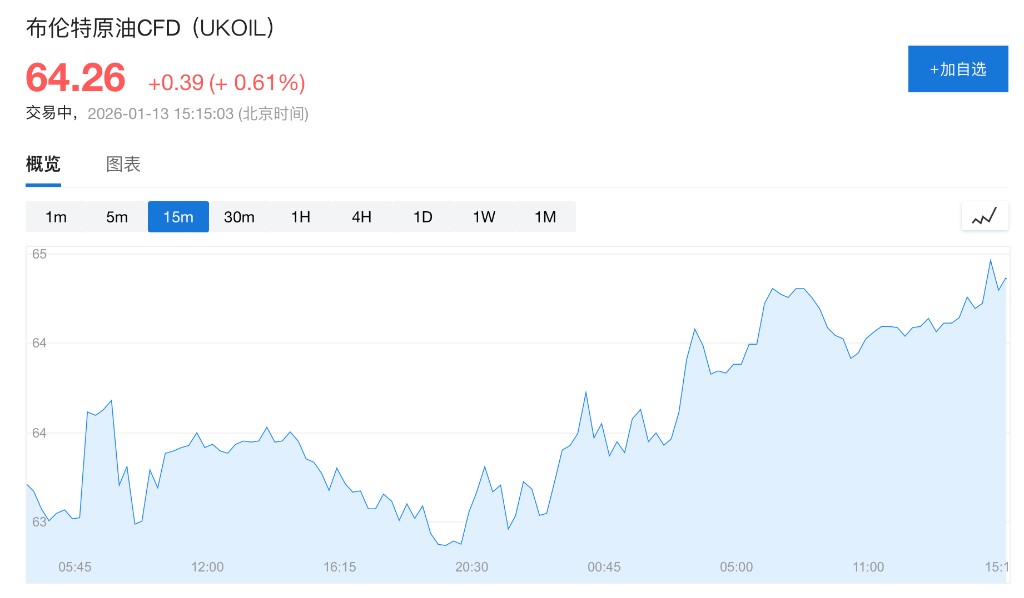
Before the CPI announcement, the market was cautious, U.S. stock index futures fell across the board, Japanese stock indices reached new highs, bonds and currencies were hit hard, gold and silver fluctuated at high levels, and the situation in Iran boosted oil prices
Asian stock indices rose following the overnight gains in U.S. stocks, driven by news that high-profile candidate Takemori Sakamoto may hold elections at the end of January, with Japanese stocks hitting new highs and bonds and currencies under pressure. Market focus has shifted to U.S. inflation data and upcoming corporate earnings reports as fundamental indicators, with U.S. stock index futures declining. The risk aversion triggered by the judicial investigation of Federal Reserve Chairman Jerome Powell has significantly eased, with gold and silver fluctuating at high levels, base metals soaring, and geopolitical tensions boosting oil prices
Investors are turning their attention to regions outside the United States, with market fluctuations concentrated in Japan, driven by news that high-profile politician Sayaka Kisaragi may hold elections at the end of January. Japanese stock indices surged to new highs, while bonds and currencies faced pressure.
On January 13, U.S. stock index futures fell collectively, European stock indices opened mixed, and most Asian stock indices rose. U.S. Treasuries faced pressure, and the dollar remained largely flat. Gold and silver fluctuated at high levels, while basic metals such as copper, aluminum, and tin rose, crude oil increased, and cryptocurrencies gained.
Market focus has shifted to U.S. inflation data and upcoming corporate earnings reports as fundamental indicators. The risk aversion triggered by the judicial investigation of Federal Reserve Chairman Jerome Powell has significantly eased, with the mainstream market view characterizing it as short-term "political noise." Meanwhile, investors are also awaiting the U.S. Supreme Court's ruling on the legality of Trump's tariff policies.
Chris Larkin from Morgan Stanley's E*Trade stated:
"After shaking off the impact of last week's geopolitical surprises, the U.S. market will face attention on domestic political news. Unless other surprises occur, the market may shift its focus to corporate earnings and inflation data."
Core market trends are as follows:
Dow futures fell 0.08%, S&P 500 futures fell 0.07%, and Nasdaq 100 futures fell 0.16%.
The Euro Stoxx 50 index opened up 0.1%, the UK FTSE 100 index fell 0.1%, the French CAC 40 index fell 0.2%, and the German DAX 30 index rose 0.1%.
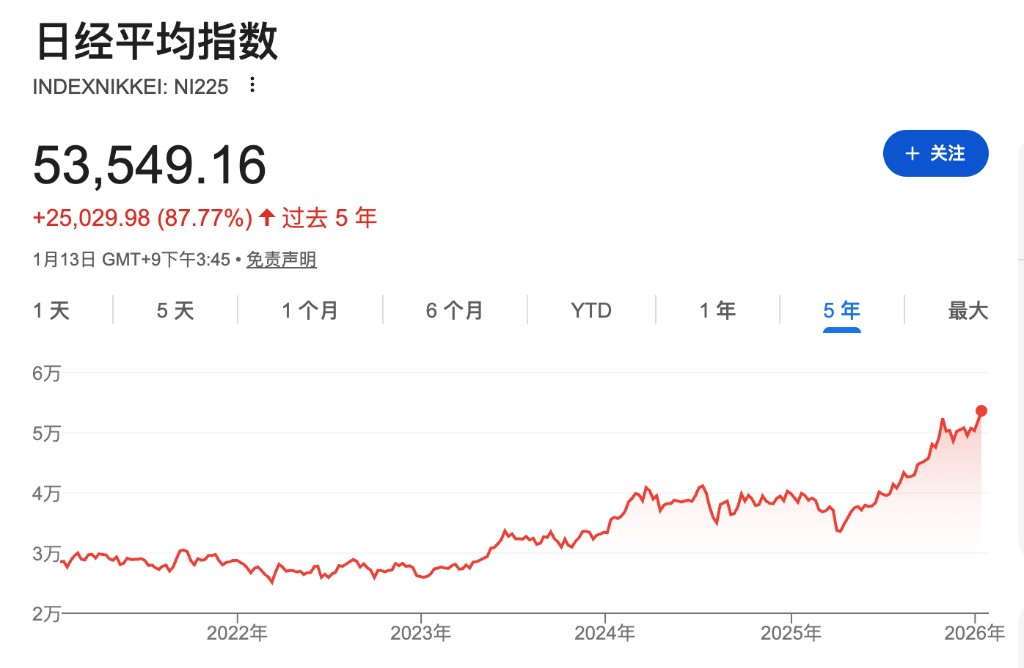
The Nikkei 225 index closed up 3.10% at 53,549.16 points, a record high; the South Korean Seoul Composite Index closed up 1.47% at 4,692.63 points.
The yield on the 10-year U.S. Treasury rose 1 basis point to 4.19%; the yield on the 10-year Japanese government bond rose 6 basis points to 2.150%.
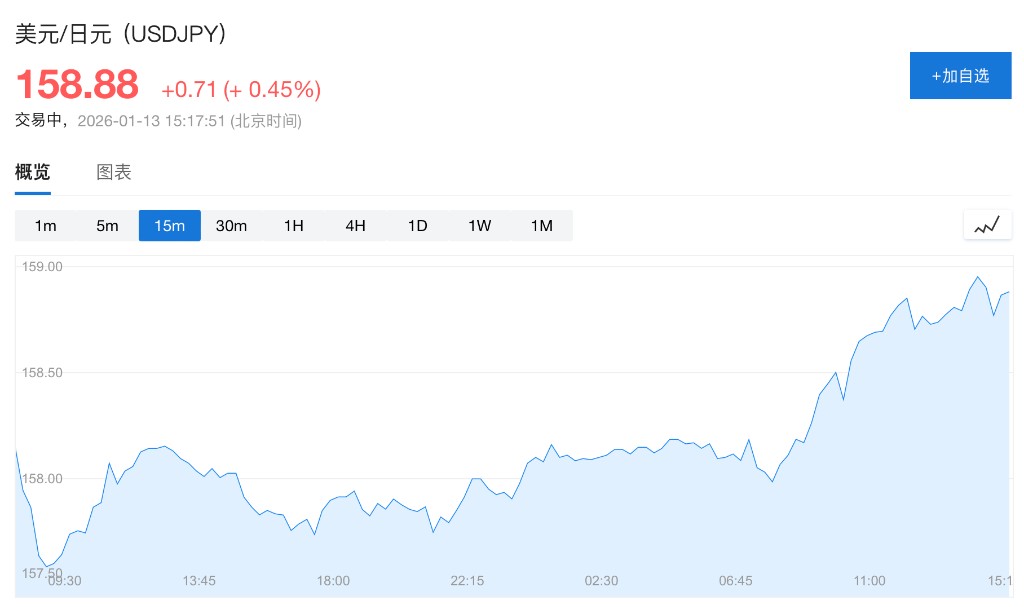
The dollar index remained largely flat; the dollar rose 0.5% against the yen to 158.94.
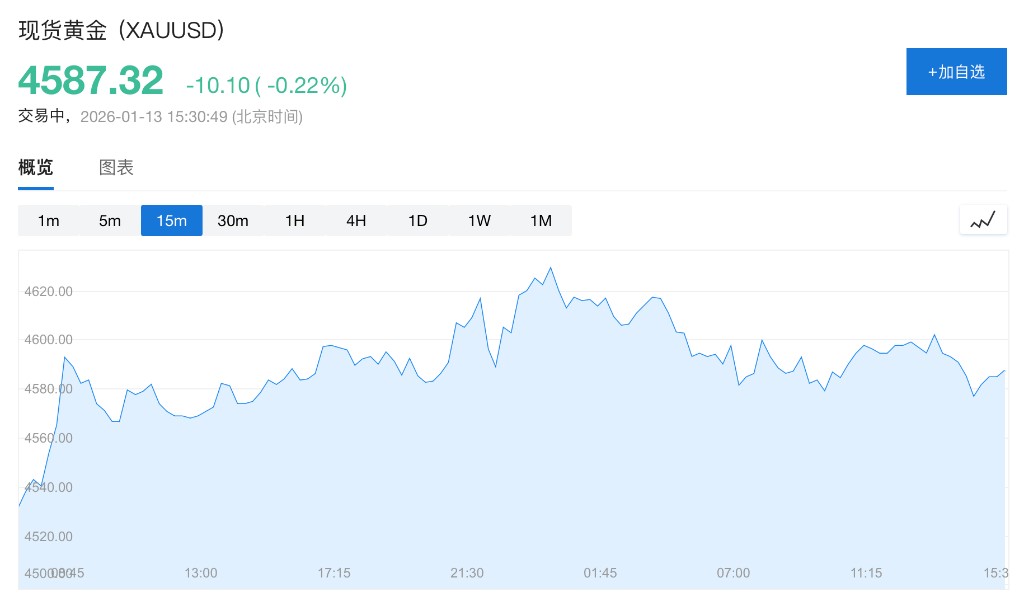
Spot gold fell 0.2% to $4,590.17 per ounce.
Bitcoin rose 0.9% to $91,774.31; Ethereum rose 1.3% to $3,131.09.
U.S. stock index futures generally declined, with the market focusing on the December CPI data to be released tonight.
As the statistical distortions caused by the government shutdown fade, economists expect the core CPI year-on-year growth rate to rebound to 2.7%. Due to a rebound in housing inflation and potential tariff cost transmission, the inflation rate remains stubbornly above the 2% target, leading to nearly zero expectations for a rate cut in January.
Meanwhile, according to Michael Kasper and Wendy Song from Bloomberg Industry Research, U.S. fourth-quarter earnings reports will be officially released later this week, and are expected to show strong performance.
 "Kawasaki Trading" is making a comeback in the Japanese financial market. The Nikkei 225 index surged over 3% on Tuesday, reaching a historic high. Meanwhile, Japanese government bonds fell across the board, with the 10-year government bond yield climbing to its highest level since February 1999, and the 20-year government bond yield hitting a record high. In the currency market, the yen fell to 158.98 against the US dollar, marking its lowest level since July 2024.
On the news front, according to CCTV News, Japanese Prime Minister Fumio Kishida conveyed to Liberal Democratic Party officials his intention to dissolve the House of Representatives on the 23rd and hold early elections.
Analysts pointed out that if Fumio Kishida gains a stronger mandate in the early elections, it will further consolidate his expansionary fiscal stance and preference for loose monetary policy. While this prospect has boosted the stock market, it has also raised concerns about the sustainability of Japan's debt, intensifying selling pressure on bonds and the yen.
MLIV strategists stated:
Asian stock markets continued their recent strong momentum, with investor concerns over the tension between Powell and the Justice Department providing additional support for the stock market. For investors seeking artificial intelligence investment opportunities, the Asian market offers a wealth of options, with companies in China, South Korea, and Japan at the forefront of development in this field.

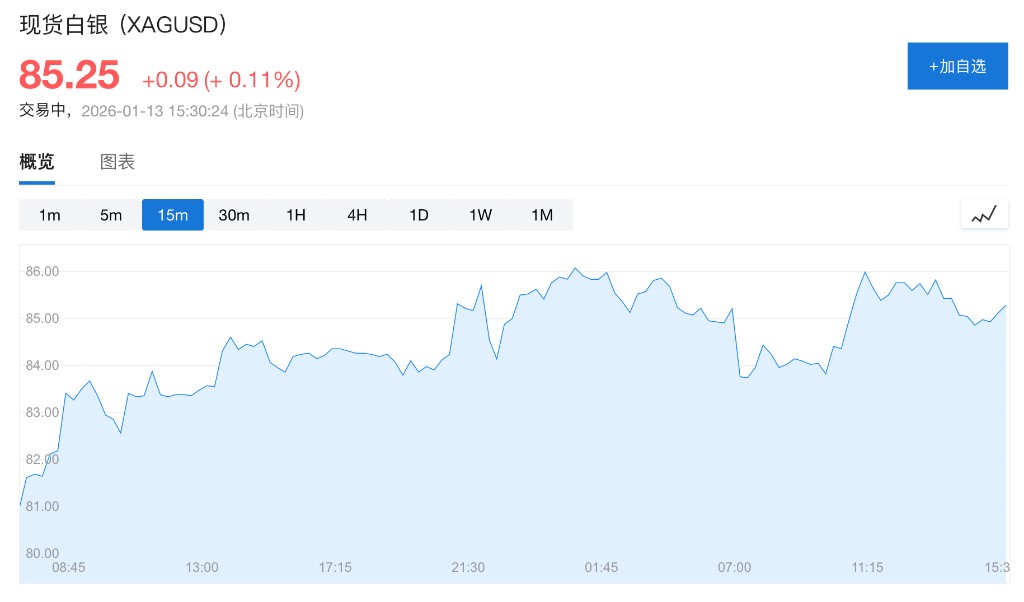
Gold and silver are oscillating at high levels. Overnight, driven by news of Federal Reserve Chairman Powell facing a judicial investigation, market risk aversion surged, pushing gold and silver prices significantly higher and reaching historical peaks. As market analysis gradually leans towards characterizing this event as "political noise," some safe-haven buying has subsided, leading to a consolidation in gold and silver.
On the news front, according to a notice released by the CME on January 12, in accordance with the normal review of market volatility, to ensure sufficient collateral coverage, the margin setting for gold, silver, platinum, and palladium contracts will change from a fixed amount to a percentage of the contract's nominal value. The relevant rates will take effect after the close on January 13.
For traders, this mechanism shift means that risk exposure will directly fluctuate with the market. High prices or periods of high volatility may trigger frequent margin calls, leading to unstable capital usage, with high-leverage operators facing particularly significant pressure. In the short term, this may exacerbate market liquidity tightness, forcing some traders to quickly adjust positions or close out, thereby amplifying volatility effects
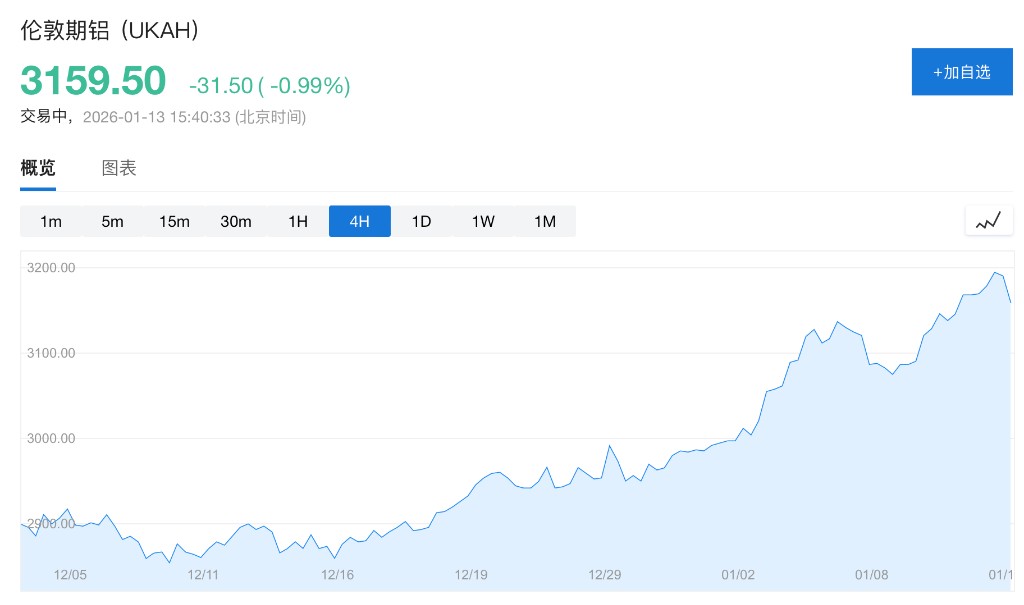
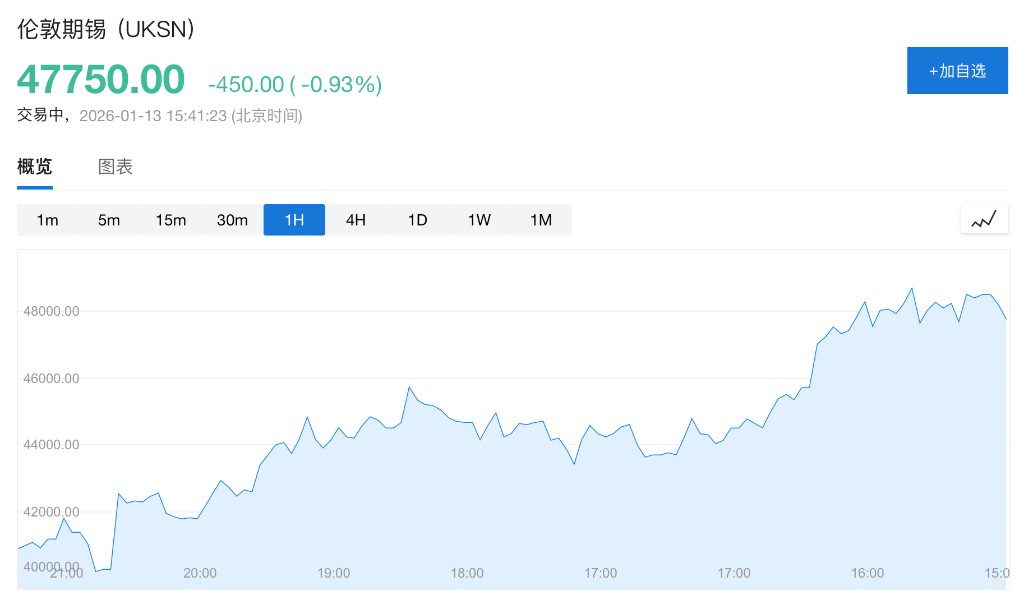
Aluminum prices have approached their highest level since early 2022, while tin prices have risen for the third consecutive trading day, with a cumulative increase of nearly 20% year-to-date. Base metals have had a strong start in 2026, continuing the upward momentum from last year.
This round of market activity is mainly driven by two fundamental expectations: on one hand, the market anticipates that the ongoing interest rate cut cycle by the Federal Reserve will support global industrial demand, while the current supply side is struggling to quickly match potential growth; on the other hand, the rapid development of artificial intelligence has significantly increased the structural demand expectations for key metals required for data centers, grid upgrades, and electronic products, especially copper, further providing long-term support for metal prices.
Due to the situation in Iran, crude oil prices have risen. Brent crude oil increased by over 0.6% to $64.26 per barrel, reaching the highest level since November.