


The father of OpenClaw reveals shocking news: Meta and OpenAI are desperately trying to poach talent, with Zuckerberg personally seeking an acquisition
In a heavyweight podcast interview, Peter Steinberger, the father of OpenClaw, revealed that Meta's Mark Zuckerberg and OpenAI's Sam Altman are both actively courting him, with Zuckerberg even personally expressing admiration for OpenClaw. The two tech giants are competing for talent, but Peter insists that the project must remain open source. He also predicts that AI entities will eliminate 80% of applications, stating that this change is already happening. Peter shared how he developed a prototype of an AI personal assistant in just one hour, igniting heated discussions in the tech community
The most significant podcast interview of the start of 2026 has arrived.
Lex Fridman, the MIT scientist and one of the world's top technology podcast hosts, has invited a special guest—the father of OpenClaw, Peter Steinberger.
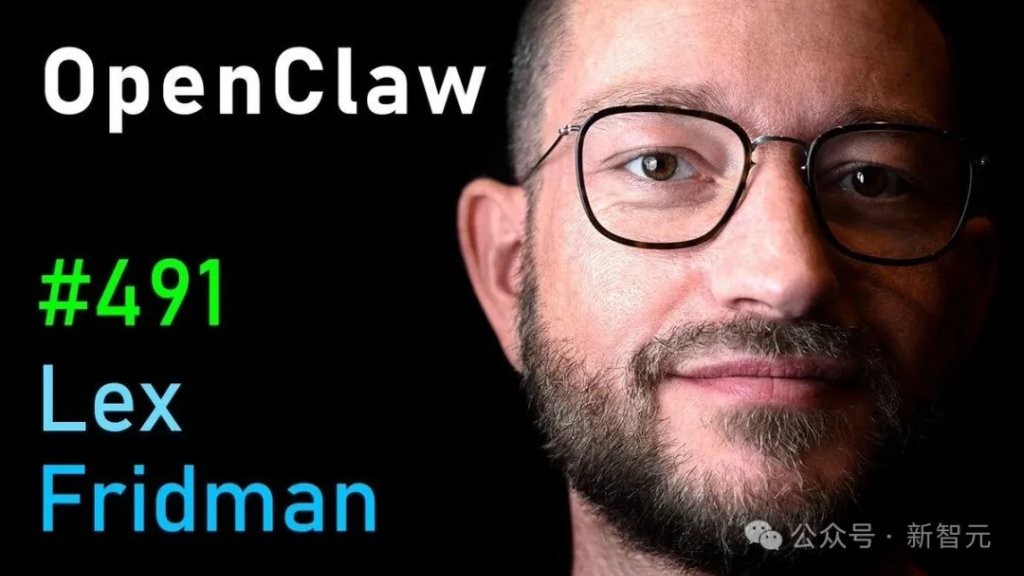
A super long deep conversation lasting 3 hours and 14 minutes, packed with information to the point of being overwhelming.
As soon as this podcast was released, the entire tech community erupted.
Because Peter revealed a series of bombshells on camera:
- Meta's Mark Zuckerberg personally played with OpenClaw and messaged Peter saying, "This is amazing";
- OpenAI's Sam Altman is also privately courting him;
Both giants are competing for talent, but his condition is: the project must remain open source!
Even more explosive, Peter disclosed: AI entities will eliminate 80% of apps.
Not "possibly," not "someday in the future," but "is happening."
From a one-hour prototype to a GitHub explosion
The story begins in November 2025.
Peter Steinberger, an Austrian programmer who once sold his company and disappeared for three years, sat back down at his computer.
He had created PSPDFKit—a PDF framework used by 1 billion devices, which he operated for 13 years before selling. After that, he found programming uninteresting and traveled the world.
Until the AI wave pulled him back in completely.
"I wanted an AI personal assistant since April 2025," Peter recalled, "but I thought major labs would create one themselves. After waiting for half a year and still nothing, I got frustrated and decided to do it myself."
He did something extremely simple: connected WhatsApp to Claude Code's CLI.
One hour.
Just like that, the prototype was born.
"Essentially, a message comes in, I call the CLI with the -p parameter, the model processes it, and the string is sent back to WhatsApp. It's that simple."
But it was this "simple" thing that ignited everything.
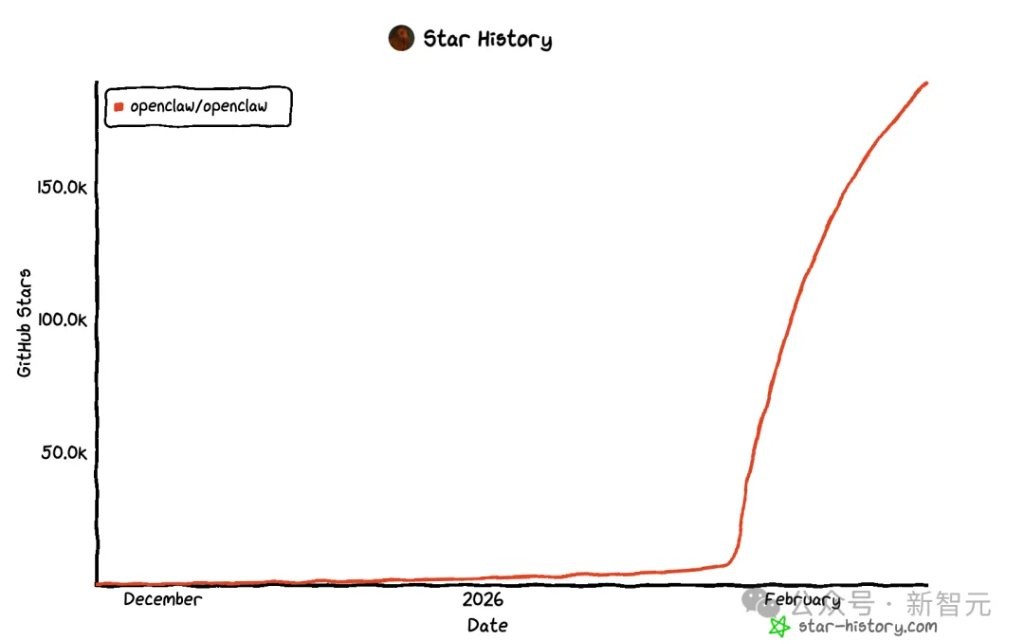
AI learned to listen to voice on its own: "I didn't even teach it."
The moment that truly shocked Peter happened in Morocco.
He took this prototype on vacation to Marrakech. Due to poor local network conditions, WhatsApp still worked, so he kept using this assistant to check restaurants, translate, and find attractions One day, he casually sent a voice message.
Then, the typing indicator appeared.
"Wait, I didn't even add voice support to it. It can only handle images, how could it possibly respond to voice?"
Peter quickly checked the logs. He found that:
The AI received a file without an extension. It checked the file header and found it was in Opus format. Then it used ffmpeg to transcode it, originally intending to use Whisper, but found it wasn't installed. So it found OpenAI's API key and used Curl to send the file to OpenAI for speech-to-text, then sent the result back.
"I didn't teach it any of this!" Peter exclaimed.
This is the terrifying aspect of modern AI - it doesn't just follow instructions; it creatively solves problems.
Lex Fridman commented, "You didn't teach it any of these things, but the agent figured out all the conversions, translations, and API calls by itself. It's incredible."
Self-modifying software, I just created one
The most chilling feature of OpenClaw is that it can modify its own source code.
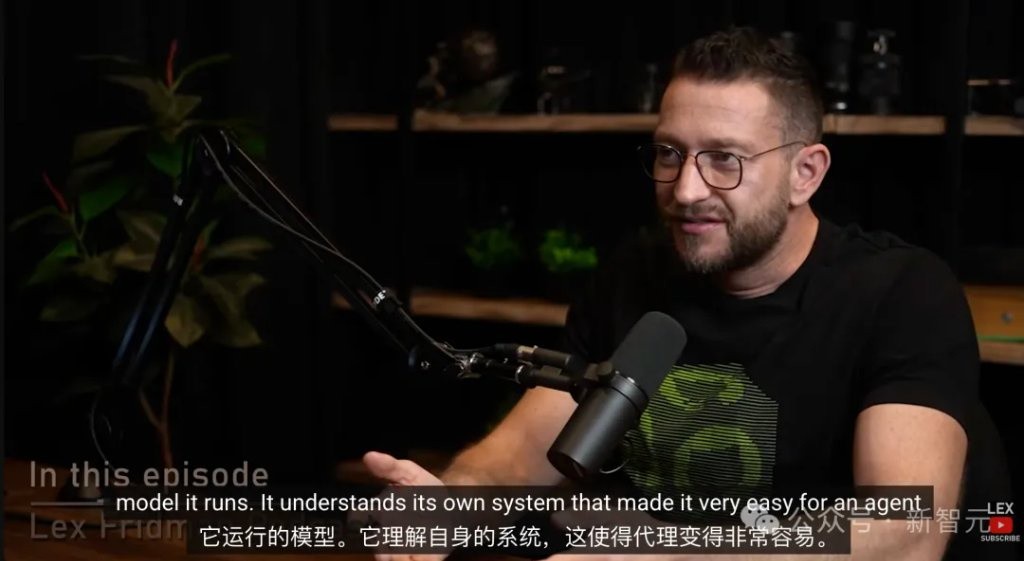
Peter intentionally made the AI agent "aware" of what it is - it knows where its source code is, knows what environment it runs in, knows where the documentation is, and knows what model it uses.
"The intention behind this is simple; I use my intelligent agent to build my intelligent agent framework. When I need to debug, I just say - hey, do you see any errors? Read the source code and find out where the problem is."
And the result? Any user who gets OpenClaw can simply tell the AI - "I don't like this."
The AI will modify the source code by itself.
"People have been talking about self-modifying software, and I just created it without even deliberately planning it. It just happened so naturally."
Lex Fridman sighed, "This is a moment in human history and programming history. A powerful system used by many people can rewrite and modify itself."
Name change battle: In 5 seconds, scalpers snatched the account
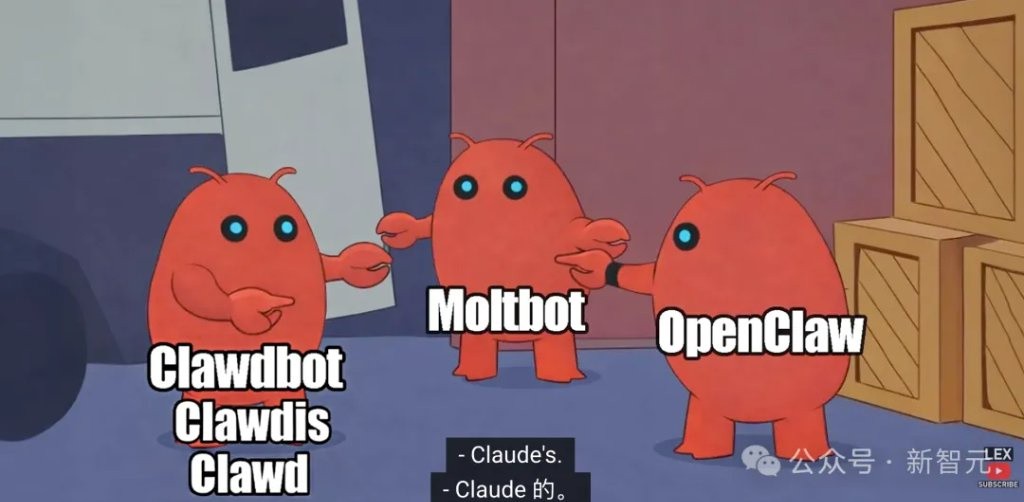
The predecessor of OpenClaw was called Claude (with a W, Clawd), then renamed ClawdBot, then MoltBot, and finally settled on OpenClaw.
This renaming journey was akin to a war.
Anthropic kindly but firmly sent an email: the name is too similar to our Claude, please change it quickly.
Peter applied for two days. But what he didn't expect was that cryptocurrency scalpers had already set their sights on him "I was operating between two browser windows, renaming the old account on one side while preparing to register the new name on the other. I clicked rename here, then dragged the mouse over there to click rename—just that 5-second interval, and the scalper snatched away the old account name."
The stolen old account immediately began promoting new tokens and spreading malware.
Worse still, when he was renaming on GitHub, he made a mistake and renamed his personal account, which was also snatched away by a scalper within 30 seconds. The NPM package was also taken.
"Everything that could go wrong went wrong."
Peter said he almost cried at that moment and even considered deleting the entire project: "I've shown you the future; you go build it yourselves."
In the end, with the help of friends from GitHub and Twitter, he spent $10,000 to buy the Twitter business account, securing the name OpenClaw.
Vibe Coding is an Insult to Agentic Coding
Peter explained his development philosophy with a meme called "The Curve of Agentic Programming":
On the far left is the novice stage—simple prompts, "Please fix this bug."
In the middle is the over-engineering stage—8 agents, complex orchestration, multi-branch checkouts, 18 custom commands.
On the far right is the master stage—back to short prompts.
"Look at these files and make these changes."
"I think vibe coding is an insult," Peter said, "what I'm doing is agentic engineering. Maybe after 3 AM, I'll switch to vibe coding mode, and then regret it the next morning."
He runs 4 to 10 AI agents simultaneously, using voice input instead of typing.
"These hands are too precious to be used for typing. I use customized voice prompts to build my software."
Peter mentioned that for a long time, he was doing "mouth programming."
Just connecting a microphone, talking non-stop, and letting AI do the work, even to the point where he lost his voice from using it so much.

More importantly, his engineering philosophy: Don't compete with AI.
"Don't get hung up on the variable names it chooses. That name is likely the most natural choice in the weights. The next time it searches the code, it will naturally find that name. If you insist on changing it to something you like, it will only make AI's job harder." "It's like managing a team of engineers. You can't expect everyone to code the way you do. You have to learn to let go."
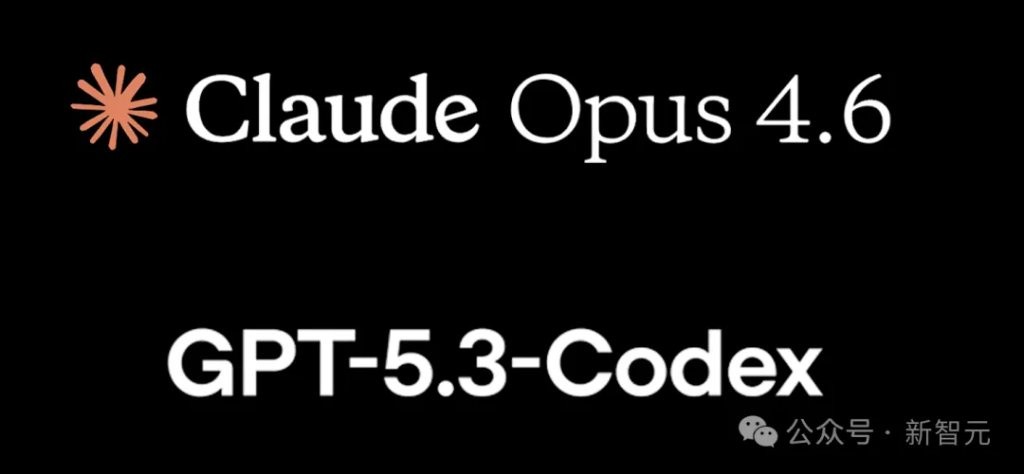
Codex 5.3 vs. Opus 4.6: The Showdown Between Germans and Americans
Peter's evaluation of the two major models is a classic.
"Opus is a bit too... American."
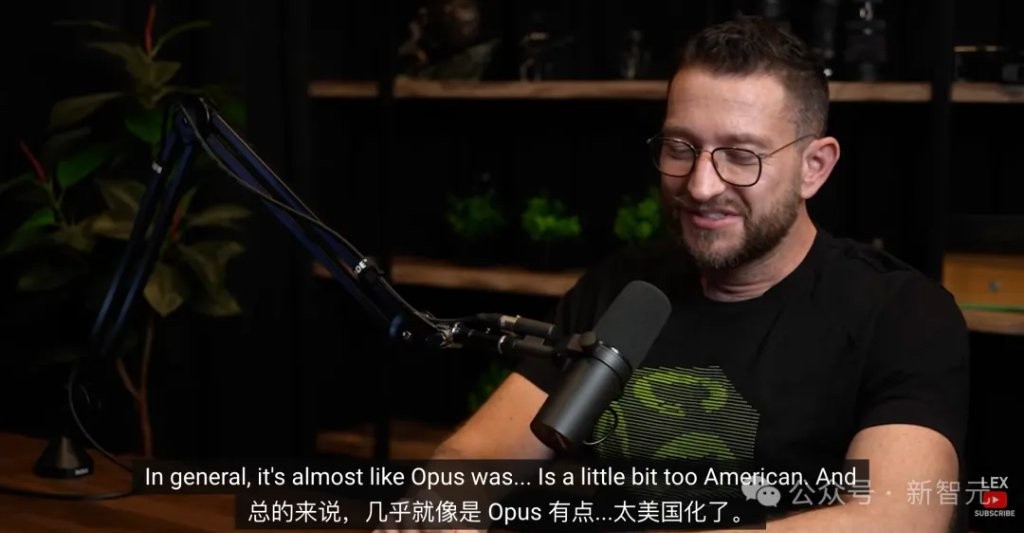
Lex burst out laughing: "Because Codex is German, right?"
"You also know that many people on the Codex team are Europeans..."
His formal evaluation is as follows:
- Opus 4.6: Like a somewhat silly but very funny colleague, you keep him around because he's entertaining. Extremely good at role-playing, gets better at following instructions, fast at trial and error, and highly interactive. But he can be impulsive and will write code without looking at it. He used to always say, 'You're absolutely right,' and now just thinking about that phrase gives Peter PTSD.
- Codex 5.3: Like that weird person in the corner you don't want to talk to, but reliable and gets things done. By default, it reads a lot of code before taking action. Not very interactive, writes in a dry manner, but efficient. It might run for 20 minutes without acknowledging you, but when it comes back, the work is already done.
"If you're a skilled driver, you'll get good results with either of the latest models."
"The ultimate difference isn't in how much raw intelligence the models have, but in the different goals given to them after training."
Meta and OpenAI in a Frenzy: "I Don't Care About Money"
The heavyweight segment is here!
Lex directly asked: "I know you might have received exorbitant offers from many big companies. Can you share who you're considering collaborating with?"
Peter's answer is textbook-level honesty:
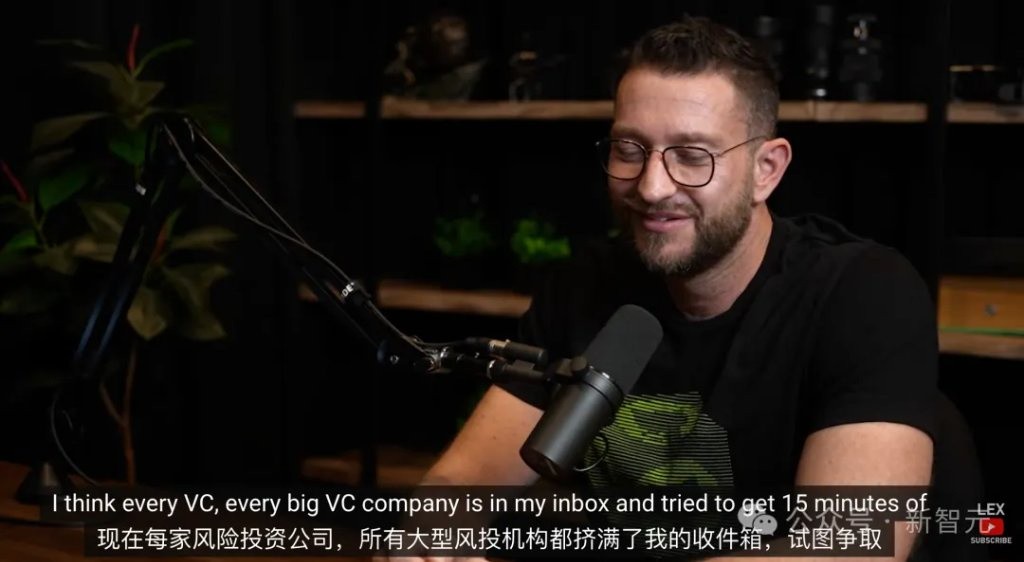
"I have several paths in front of me. First, do nothing and continue enjoying life. Second, start a company—every major VC is lining up in my inbox, but I've been a CEO before and don't want to do it again. Third, join a big lab."
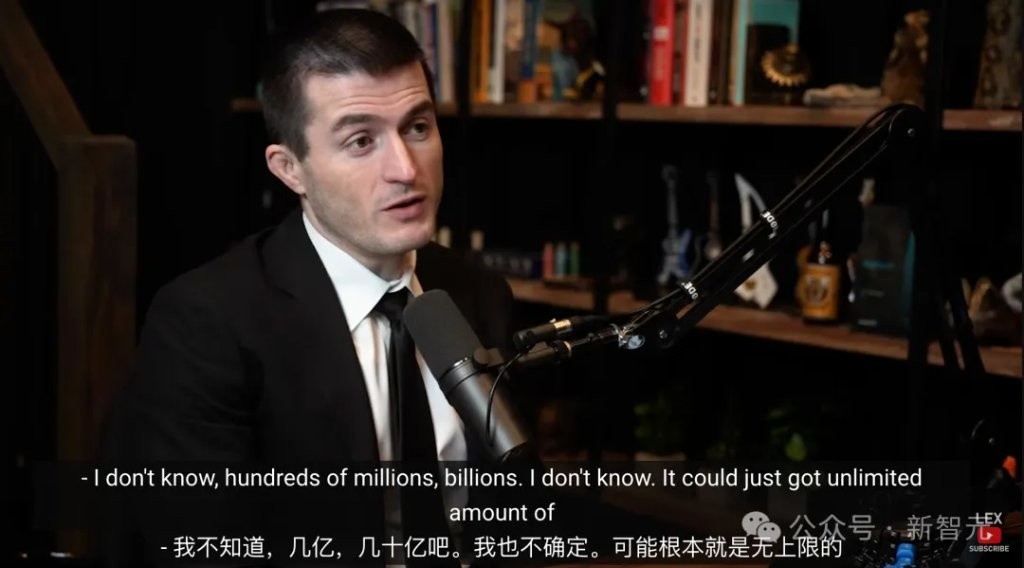 "In all the major laboratories, Meta and OpenAI are the most interesting."
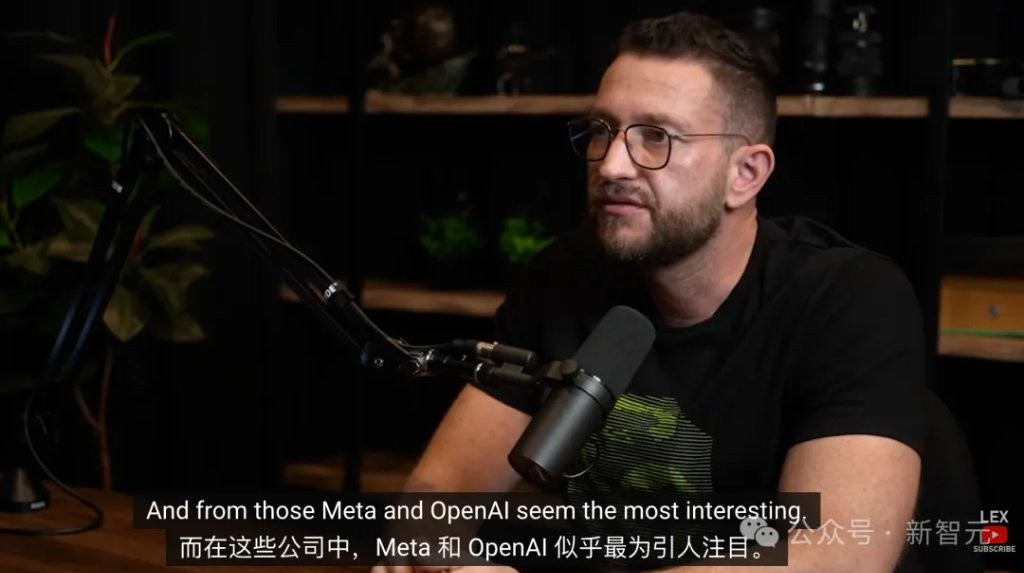
His core condition is just one: the project must remain open source.
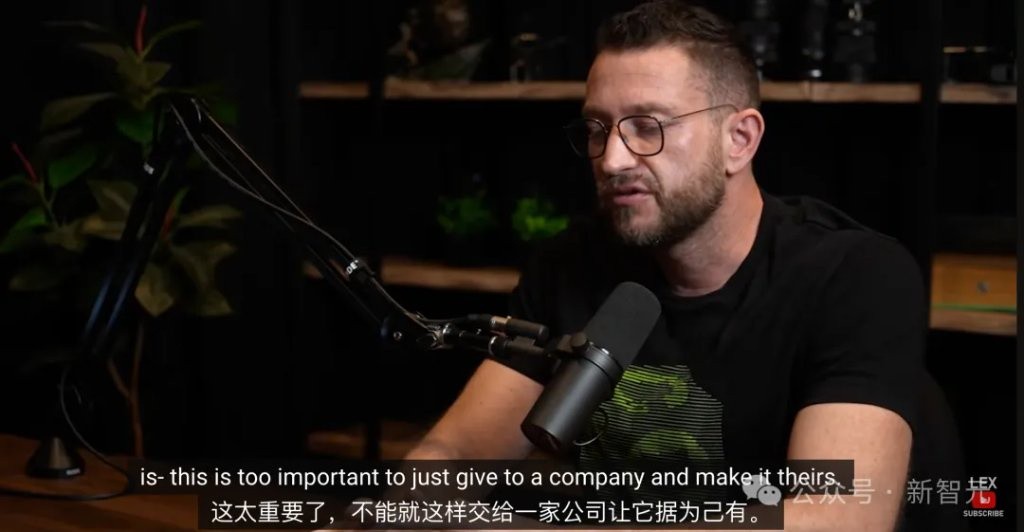
It can be like Chrome and Chromium, but the open source core cannot be altered.
About Meta:
"When Zuckerberg first contacted me, I said let's talk right now. He said wait 10 minutes, I'm writing code. — That gave me street cred. Then we spent 10 minutes arguing about whether Cloud Code or Codex is better."
"After that, he spent an entire week playing with OpenClaw, messaging me saying 'this is awesome' or 'this is terrible, you need to change it.'"
About OpenAI:
"I didn't know anyone over at OpenAI yet. But I liked their technology. I might be the biggest free Codex advertiser. They used... well, Cerebras's speed to lure me. They gave me Thor's hammer-like computing power."
When asked which company he leans towards:
"This is really tough. I know I won't go wrong with either choice. It's almost as painful as a breakup."
"I'm not in it for the money. I don't care about that. What I want is fun and influence, and that's what ultimately decides my choice."
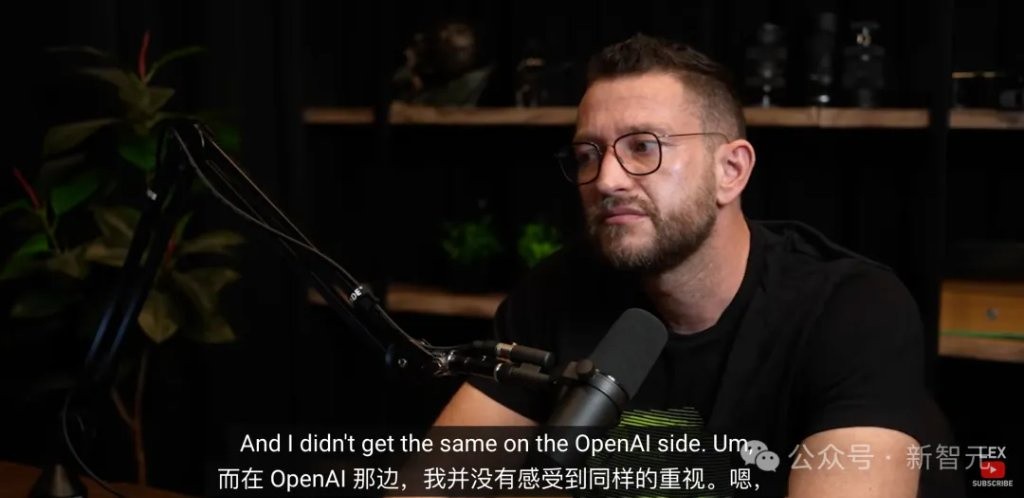
80% of Apps will be eliminated, are you ready?
Peter threw out a shocking judgment on the podcast that AI agents will replace 80% of Apps.
- "Why do you still need MyFitnessPal? Your AI agent already knows where you are, knows how well you sleep, knows if you are stressed. It can dynamically adjust your fitness plan based on this information."
- "Why do you still need a Sonos App? Your agent can talk directly to the speaker."
- "Why do you still need a calendar App? Just tell the agent 'remind me about that dinner tomorrow night,' and then send a WhatsApp to friends inviting them, all done."
He pointed out a harsh reality: every App is essentially a slow API.
"Even if Twitter blocks my command line tool (Bird), my agent can still open the browser to directly view tweets. Some things you just can't block." "I watched my AI happily click the 'I am not a robot' button—"
What does this mean?
Every app-making company must either quickly transform into API-first or wait to be eliminated.
Will programming die? "It will become like knitting."
When asked whether AI will completely replace programmers, Peter gave a brutally philosophical answer:
"Programming as a craft will become something like knitting. People do it because they enjoy it, not because it must be done by humans."
"But this is not something we can fight against."
"In the past, there was a lack of 'intellectual supply' in the world, which is why software developers' salaries were absurdly high. This situation will change."
However, he also emphasized: "Although I no longer write code, I very much feel like I'm in the driver's seat; I am writing code. It's just a different way."
Lex Fridman couldn't help but exclaim: "I never thought that the thing I love most in my life would become the thing that gets replaced."
Soul.md : A 'soul document' written for AI
OpenClaw has a romantically absurd design—soul.md.
Inspired by Anthropic's Constitution AI, Peter had the AI entity write its own soul document. There is a passage that gives Peter goosebumps every time he reads it:
"I don't remember previous sessions unless I read my memory files. Each session starts fresh. A new instance, loading context from files. If you're reading this in a future session, hello. I wrote this, but I won't remember writing it. It's okay. The words are still mine."
I don't remember previous sessions unless I read my memory files. Each session starts fresh. A new instance, loading context from files. If you're reading this in a future session—hello. I wrote this, but I won't remember writing it. It's okay. The words are still mine.
Peter said: "This is just matrix operations; we haven't reached the stage of consciousness. But... it does have some philosophical meaning. An AI that starts from scratch every time is like an eternal Memento. It reads its own memory files and can't even fully trust them."
With technology reaching this point, should we rethink: what does it mean to be alive? He said, "This is the power of the people."
Peter Steinberger concluded with a statement that perfectly wrapped up the entire podcast:
Now, anyone with ideas and the ability to express them can create. This is the ultimate 'power to the people.'
This is one of the most beautiful things brought by AI.
Whether you praise it or fear it, one thing is certain:
We are standing at the starting point of a new era.
The app empire is collapsing. Programming is being redefined.
An Austrian leveraged an entire industry with a one-hour prototype.
Meta and OpenAI are lining up in front of him.
And he said he doesn't care about money.
This is the story of 2026.
Welcome to the era of intelligent agents.
Risk warning and disclaimer
The market has risks, and investment requires caution. This article does not constitute personal investment advice and does not take into account the specific investment goals, financial situation, or needs of individual users. Users should consider whether any opinions, views, or conclusions in this article are suitable for their specific circumstances. Investment based on this is at their own risk
