Hong Kong stock technology stocks show differentiation: "AI newcomers" are favored, while "monetization concerns" drag down internet giants

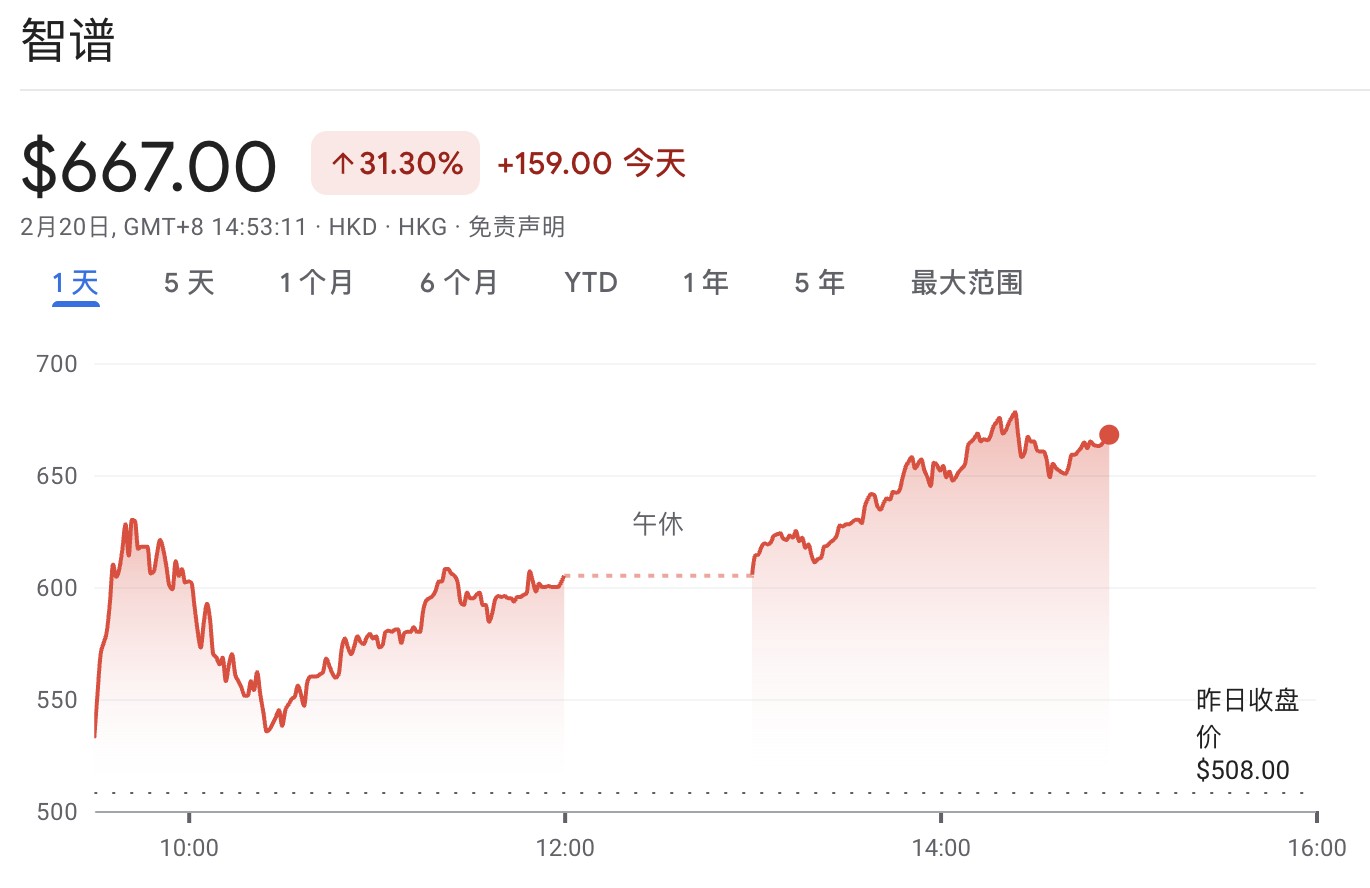
On the first day of the Hong Kong stock market opening, there was a significant rotation of funds! New AI stars like KNOWLEDGE ATLAS and MiniMax surged, while traditional giants like Alibaba and Tencent saw capital outflows. Domestic AI companies are accelerating the release of model updates, and the holiday and Spring Festival performances have amplified market attention on AI, driving funds to concentrate on pure AI targets on the first day of trading. At the same time, although the big companies' Spring Festival data is impressive, with daily active users of Qianwen and Yuanbao rising, the massive subsidy competition has drawn regulatory attention, increasing market sensitivity to cost rates and the sustainability of profits
After the Lunar New Year holiday, the Hong Kong stock market reopened, with technology stocks showing a divergent trend. Generative AI startups surged, while traditional internet giants experienced a pullback, with capital preferences shifting from "comprehensive platforms" to purer AI targets.
The cool performance of humanoid robots at the Spring Festival Gala ignited the enthusiasm of Hong Kong stock market investors. The robotics sector saw UBTECH rise by 13% at one point on Friday in Hong Kong, while Unisound soared nearly 23%, marking the largest intraday gain since April.
As of the time of writing, AI large model companies KNOWLEDGE ATLAS and MiniMax rose by 31% and 13% respectively in Hong Kong, continuing their strong performance since their listing in January, with both stocks having more than quadrupled in cumulative gains.

In contrast, despite Alibaba and Tencent reporting impressive business data during the holiday, their stock prices fell by 1.83% and 0.29% respectively at one point. The market is taking profits while more closely assessing the intensity of AI investments by major companies and the pace of returns.
Dilin Wu, a research strategist at Pepperstone Group Ltd., pointed out that investors are scrutinizing the actual contribution speed of AI projects to profits more rigorously, coupled with regulatory attention on platform promotional competition, putting short-term valuations under pressure.
Capital rotation accelerates, "pure AI" targets lead the way
In the period before and after the holiday, Chinese AI companies accelerated the launch of updated models and new features. The holiday itself also served as a window for users to concentrate on trying out new applications and digital services, further amplifying market attention on AI themes. The cool performance of humanoid robots at the Spring Festival Gala ignited the enthusiasm of Hong Kong stock market investors.
At the same time, competitive factors are also driving the pace. Bloomberg mentioned that multiple companies hope to complete product iterations before DeepSeek's next major release, which strengthens investors' risk appetite for the foundational model track and drives capital towards more "pure" AI companies.
Investment banks bullish on MiniMax, target price and revenue forecasts enhance imagination space
Wall Street institutions' attitudes towards MiniMax are also supporting the market. Morgan Stanley, Jefferies, and UBS have completed coverage of MiniMax, rating it equivalent to "buy."
Among them, UBS has set a target price of HKD 1,000. Morgan Stanley expects MiniMax's revenue to reach approximately USD 700 million by 2027, indicating a potential growth space of up to ten times in the next two years.
Internet giants pull back, investment and returns being repriced
The operational data disclosed by Alibaba and Tencent during the holiday is not weak, but market focus has shifted to "investment and returns." Alibaba's AI application Qianwen processed 130 million orders during the Lunar New Year activities, while Tencent's application Yuanbao had over 50 million daily active users However, investors are weighing whether this enthusiasm can translate into visible profit contributions and the costs incurred in the competition for users. Bloomberg estimates that Alibaba and Meituan may offer about $870 million in consumer incentives during the holiday period to compete for engagement, while Tencent plans to invest approximately $145 million.
According to an official announcement from Alibaba, its Qianwen App has launched the "Spring Festival Treating Plan," announcing an investment of about 3 billion RMB for consumer entertainment, cash red envelopes, and other incentive measures during the Spring Festival.
Dilin Wu stated that traditional giants like Baidu, Alibaba, and Tencent are under pressure, related to their core businesses such as advertising, e-commerce, and gaming growing slower than the market had previously priced in. When AI can meaningfully contribute to profits has become a new valuation constraint.
Regulatory Focus on Promotions and "Involution" Competition, Platform Strategy Space is Squeezed
Regulatory signals further increase pressure on platforms. According to CCTV News, the State Administration for Market Regulation held talks with major online platform companies on February 13, demanding to curb promotional practices and eliminate "involution" competition. Companies such as Alibaba, Baidu, Tencent, and JD.com were among those interviewed.
Against the backdrop of platform companies ramping up subsidies and AI investments, this event has led to increased market sensitivity to the intensity of promotions, cost rates, and the sustainability of profits, exacerbating the valuation divergence between "AI newcomers" and internet giants