


Goldman Sachs traders: Avoid this round of rebound, as greater market risks have yet to dissipate
Goldman Sachs traders warn that the current market rebound is not worth chasing, believing that larger market risks have yet to dissipate. Although the brief easing of tensions between the U.S. and Iran has boosted market sentiment, Goldman Sachs' analysis points out that deep-rooted risks such as the AI valuation bubble, private credit pressures, and weakening macro data still exist. Trader Privorotsky emphasized that the tolerance for oil price fluctuations has dropped to a minimum, and greater risks may lie ahead. Overall, the market rebound is merely a temporary phenomenon, and deep-seated risks still require attention
The brief easing of tensions between the U.S. and Iran has boosted market sentiment, but Goldman Sachs internal traders have issued a warning: this round of rebound is not worth chasing.
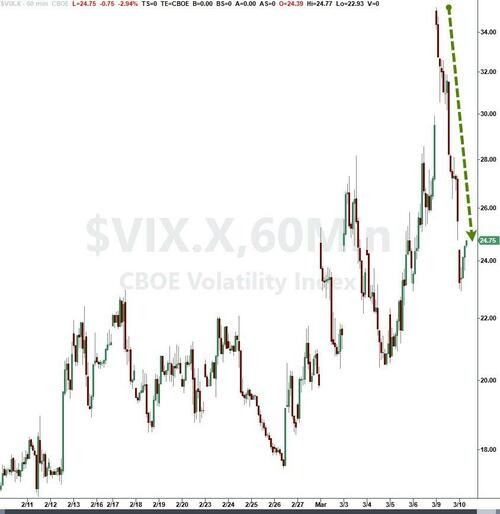
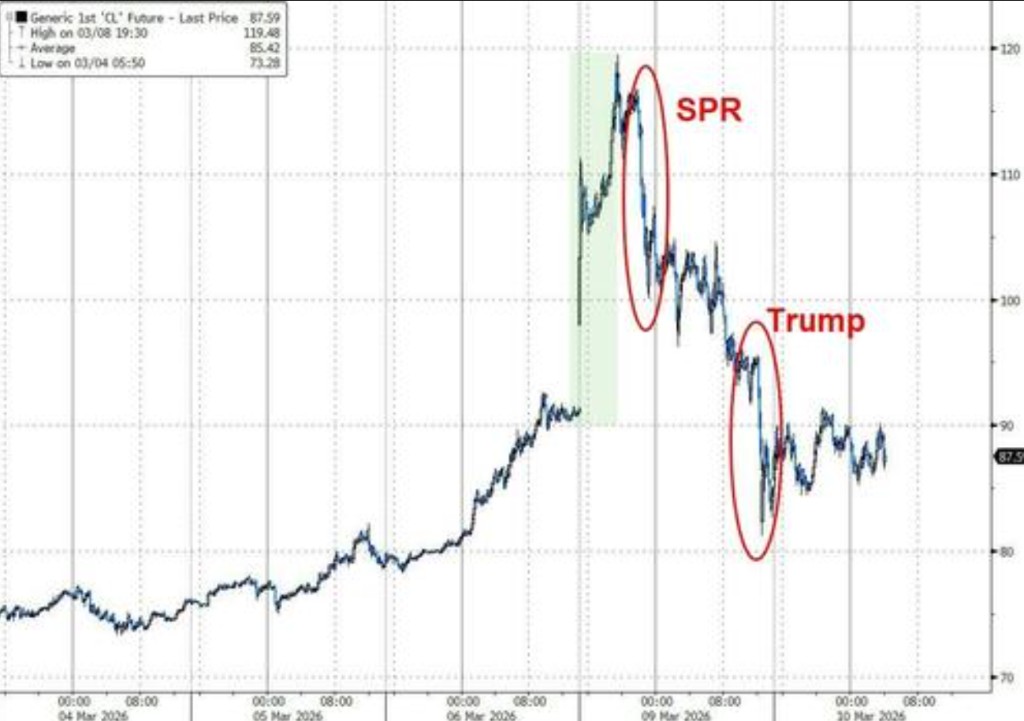
On Monday night, the White House sent signals to cool down, leading global stock markets to surge and oil prices to plummet. Rich Privorotsky, head of Goldman Sachs' One-Delta trading desk, characterized this market reaction as "reflexive" — the market is creating results, rather than results driving the market. He clearly stated, "I would choose to avoid this round of rebound." Meanwhile, Goldman Sachs' Shreeti Kapa also issued a similar warning, stating that the current market is in an "exceptionally severe risk environment."
The core judgment of the two traders is consistent: the volatility compression brought about by the Middle East situation is merely superficial; deep-seated hidden dangers such as AI valuation bubbles, private credit pressures, and weakening macro data have not dissipated, and the market is only temporarily distracted by geopolitical news.
Geopolitical Cooling Drives Rebound, but Logic Has Limitations
Privorotsky believes that the logic behind this rebound is not complicated: political pressure and domestic inflation tolerance determine that the U.S. has a very low threshold for enduring ongoing conflicts in the Middle East. "The pressure from the midterm elections combined with inflation takes precedence over geopolitical ambitions — this turning point occurred at $120 oil, not $150."
He pointed out that the right-tail risks of oil prices are rapidly narrowing, and the market's tolerance for sustained conflict is almost zero. Once oil prices surge, all parties will immediately seek to downgrade exports. The hedging positions that the market previously held against rising oil prices and falling stock markets are rapidly diminishing.
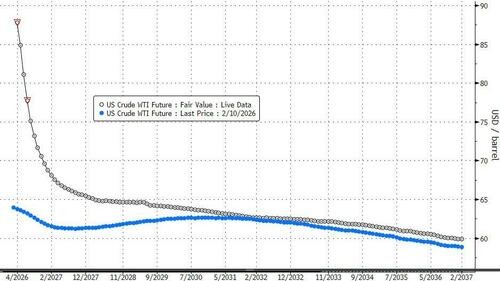
However, Privorotsky also emphasized that the long-term impact of this conflict should not be overlooked. Iran has proven that it does not need to actually block the Strait of Hormuz; credible threats alone are sufficient to disrupt shipping flows and the insurance market. This "option value" will exist as a structural feature of the oil market for a long time, meaning that the equilibrium center of oil prices has been substantially raised compared to before. In addition, the recovery of some offline production capacity will take weeks, and the backwardation structure in the futures market will not disappear in the short term.
Under the Rebound, Deep-seated Hidden Dangers Remain Unresolved
Privorotsky bluntly stated, once the volatility reset is completed and hedging positions are reduced, U.S. stocks have not actually fallen much, which is precisely the reason he chooses to "avoid" this round of rebound.
 The core risks he listed first point to AI: the impact of AI on corporate profit multiples and terminal value valuations is the core issue that remained unresolved before the market's attention was temporarily diverted by geopolitical factors, and this debate has not disappeared. Related but existing independently is the pressure in the private credit market—fund redemption restrictions and asset repricing issues continue to drag down the broader credit system.
Macroeconomic data also does not support an optimistic narrative. PPI data exceeded expectations and showed signs of overheating, CPI data is about to be released, and last week's non-farm employment data showed negative values. Privorotsky stated that he remains cautious about U.S. risk assets and believes this judgment is becoming a market consensus.
In terms of regional allocation, he prefers to buy emerging markets and Asian assets on dips and believes that the market's pricing of the European Central Bank's interest rate hike probabilities is severely underestimated. At the industry level, he favors defensive sectors such as healthcare, telecommunications, and utilities.
Goldman Sachs Internal Risk List: Ten Overlapping Concerns
Shreeti Kapa's assessment is more systematic. She listed multiple concurrent risks facing the current market: ongoing conflicts in the Middle East, persistent inflation compounded by supply shocks, stagnation in the labor market, limited policy space for the Federal Reserve, legal confusion surrounding tariff policies, pressure in the private credit market, differentiation and disruption risks in the AI sector, mismatches in capital expenditures and returns for large-scale data center operators, risks of data center assets becoming stranded, and the historically patterned "market weakness before midterm elections" effect.
Technical factors also pose pressure: market makers are in a short gamma state, implied volatility is high, market liquidity is low, and overall positions remain heavy.
Kapa finally pointed out that all of the above occurs against a special backdrop—since the pandemic, U.S. stocks have experienced an extraordinary bull market, and the current valuation levels and market concentration leave almost no room for error.
Risk Warning and Disclaimer
The market has risks, and investments should be made cautiously. This article does not constitute personal investment advice and does not take into account the specific investment goals, financial situation, or needs of individual users. Users should consider whether any opinions, views, or conclusions in this article align with their specific circumstances. Investing based on this is at one's own risk
