Will Nvidia Beat Q1 Earnings on May 20? Here's What Prediction Markets Think.

Motley Fool
2026.05.14 09:30

Nvidia is set to report its fiscal Q1 results on May 20, with prediction markets indicating a 90% chance of beating expectations. Wall Street anticipates revenue of $78.8 billion and EPS of $1.77, with Goldman Sachs predicting a $2 billion revenue beat. While prediction markets reflect sentiment, they may not provide accurate insights into Nvidia's performance. Investors are advised to adopt a dollar-cost averaging strategy rather than making large bets ahead of earnings, as industry trends support long-term demand for Nvidia's products.

With Nvidia (NVDA +2.33%) scheduled to report its fiscal 2027 first-quarter results on May 20, prediction markets are already humming. On Polymarket, the implied probability that Nvidia will beat expectations sits around 90%. Clearly, the crowd is leaning bullish. But does that mean smart investors should follow prediction markets blindly into earnings season?

What is Wall Street expecting for Nvidia's Q1 earnings?

Among the Wall Street analysts who cover Nvidia, the consensus estimates heading into the Q1 report call for revenue of $78.8 billion and earnings per share (EPS) of $1.77. Some are more optimistic, however.

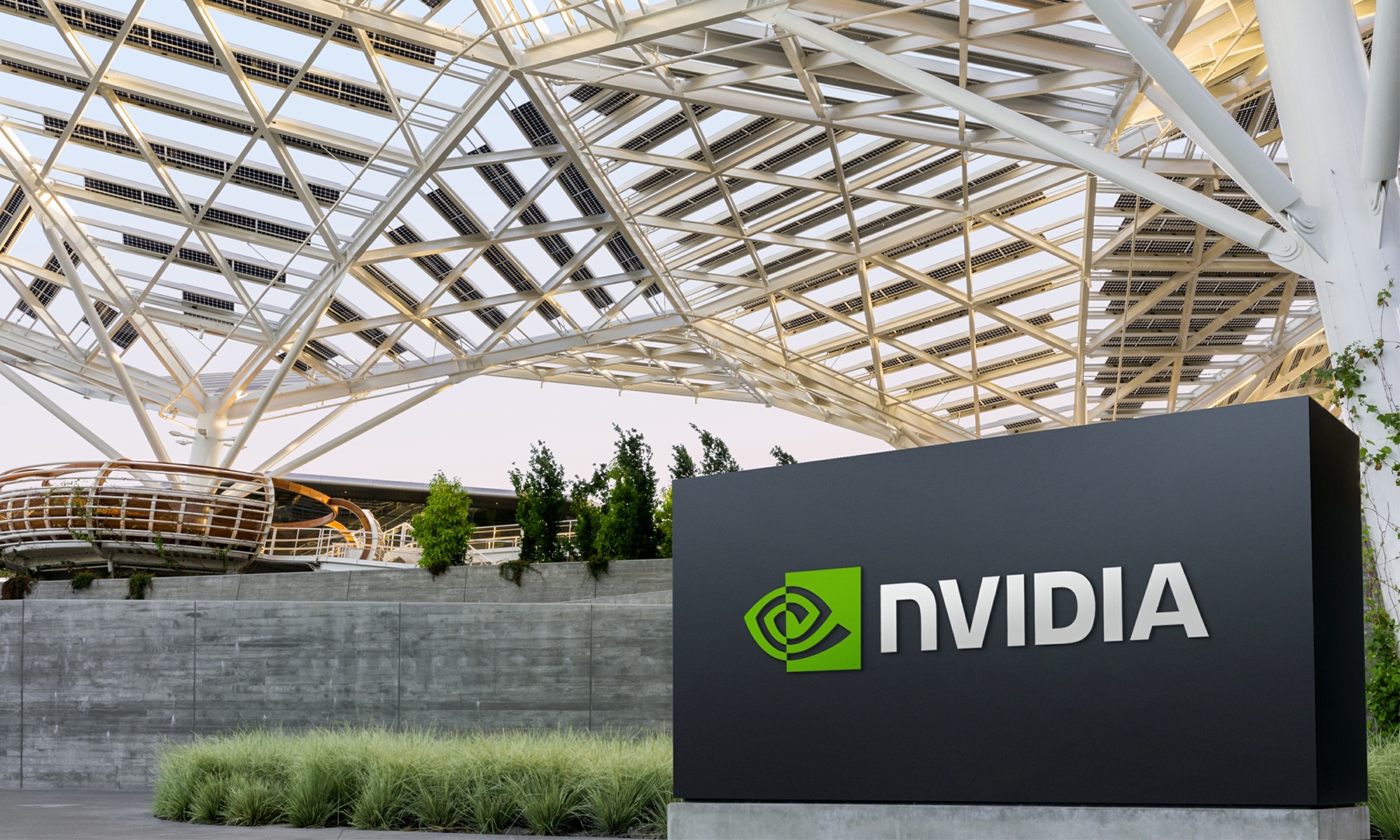
Image source: Nvidia.

Goldman Sachs analyst James Schneider is forecasting that Nvidia will beat the consensus revenue estimate by about $2 billion. Meanwhile, his fiscal Q2 revenue forecast of $87.7 billion is slightly above Wall Street's average of $86.6 billion, and his Q2 EPS estimate of $2.07 is roughly 6% higher than the average.

Expand

NASDAQ: NVDA

Nvidia
Today's Change
(2.33%) $5.14
Current Price
$225.92

Key Data Points

Market Cap
$5.5T
Day's Range
$221.56 - $227.84
52wk Range
$129.16 - $227.84
Volume
5.2M
Avg Vol
170M
Gross Margin
71.07%
Dividend Yield
0.02%

Should investors trust prediction markets?

Prediction markets can be useful as sentiment aggregators, but treating these platforms as a genuine trading barometer for a single company is where investors will run into trouble. These platforms reflect "the wisdom of the crowd" in real time, which sounds valid -- until you consider what most people actually know.

In the case of Nvidia's quarterly results, the average bettor on Polymarket doesn't have any more information than the generic public does, and that is already priced into Nvidia stock. The informational edge in predicting whether Nvidia will beat expectations belongs to supply chain analysts, channel checks, and institutional desks with deep industry relationships -- not average outsiders trading on bet tickets.

Nvidia's implied beat probability in a prediction market tells you more about macro sentiment, not something about the company's actual bookings or chip shipment velocity. And that sentiment gets reflected in its stock price in a similar way.

The smarter approach is to look at what has already been reported. Nvidia's largest data center customers recently told investors exactly how much they plan to spend on artificial intelligence (AI) infrastructure this year. The big four hyperscalers -- Alphabet (GOOGL +3.97%) (GOOG +3.96%), Amazon (AMZN +1.61%), Meta Platforms (META +2.31%), and Microsoft (MSFT 0.63%) -- are forecasting combined 2026 capital expenditures of more than $700 billion. Meta, Alphabet, and Microsoft also raised their full-year capex guidance during their respective earnings calls.

Memory stocks can also serve as a revealing proxy. Sandisk's (SNDK 0.33%) quarterly revenue surged to $5.9 billion, trouncing analyst estimates of $4.7 billion. Moreover, management's guidance for sales of $7.7 billion to $8.3 billion in its next fiscal quarter and up to $33 in EPS far surpassed what the most optimistic models on Wall Street were calling for.

When Nvidia's largest customers are spending on AI infrastructure at record rates, and the memory ecosystem around its GPUs continues to accelerate, the implications for the company's own quarterly performance are hard to dismiss.

Use dollar-cost averaging instead of playing roulette

While I am optimistic Nvidia's fiscal Q1 results will exceed expectations, I'm not suggesting you should load up on the stock before May 20. The hyperscaler capex cycle and the tailwinds from memory and storage merely support Nvidia's long-run demand narrative. These industrywide dynamics do not tell you whether Nvidia beating earnings will move the stock, which is already trading near its all-time high.

Investors who periodically add to their Nvidia position using a dollar-cost averaging strategy will reliably benefit from the AI infrastructure build-out while avoiding the risks of making ill-timed large bets. This discipline is worth more than a binary wager on a performance that even the most sophisticated analysts on Wall Street could get wrong.