


Netflix Tightens Data Disclosure for the Second Time in Two Years: Viewing Hours to Be Reported Annually, Valuation Benchmark Shifts Fully from "Traffic" to "Profit"
Netflix is further tightening its information disclosure. Starting in 2027, viewing hours and viewership reports will be adjusted from biannual to annual releases, continuing the reduction in core operating metrics. The company aims to shift market focus to financial indicators such as revenue and profit, driving a valuation logic transition from "user growth" to "profitability." However, this adjustment comes amid quarterly guidance missing expectations and pressure on the stock price, which may exacerbate asymmetric information and growth concerns in the short term, while testing investors' ability to complete a cognitive shift in the long run
Following the cessation of quarterly subscriber data disclosure in 2025, Netflix has once again tightened its information disclosure standards. The company's latest financial report shows that starting January 2027, Viewing Hours data and the "What We Watched" viewership report will both change from being published twice a year to once a year. This means that core operating metrics allowing external parties to directly observe Netflix's content performance and platform activity are further reduced.
In its shareholder letter, Netflix stated that it hopes investors will pay more attention to core financial indicators such as revenue and operating profit, rather than single operational data points. This adjustment also marks that Netflix is further pushing its valuation logic from "user growth" to "profitability."
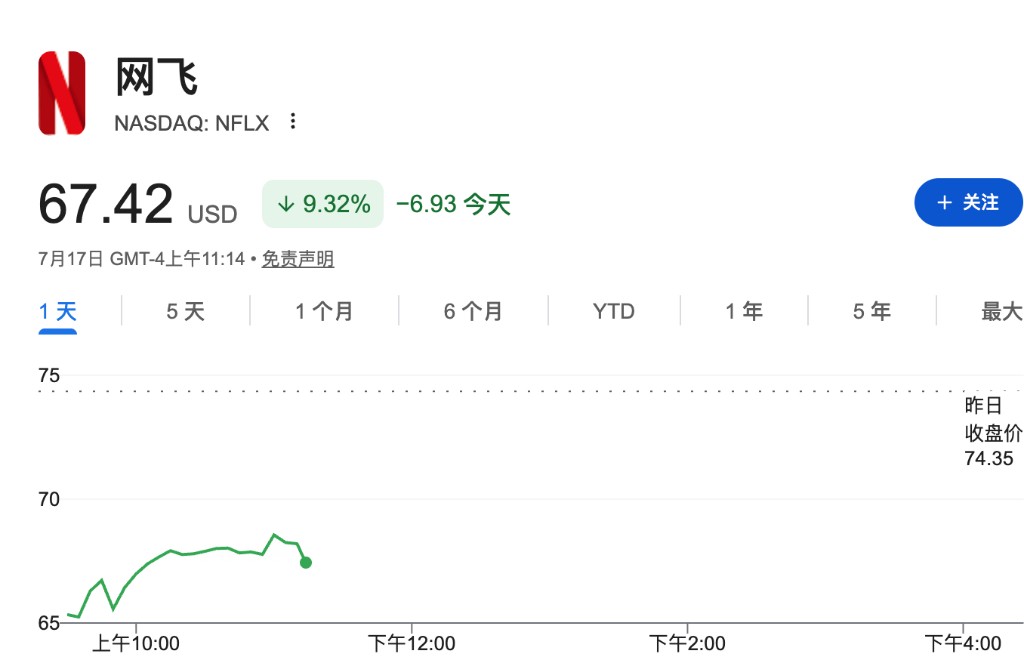
However, the timing of this announcement is quite sensitive. The company's third-quarter revenue and earnings per share (EPS) guidance both fell below market expectations, and the stock price dropped more than 9% intraday after the earnings release. Further reducing the disclosure of operating data while growth expectations are under pressure is bound to trigger more speculation in the market regarding future content performance and growth momentum.
From Subscribers to Viewing Hours, Netflix Continues to Shrink Operating Data Disclosure
This adjustment is not a one-time change in disclosure rules, but part of Netflix's ongoing restructuring of information disclosure over the past two years.
In 2025, Netflix announced it would stop publishing quarterly subscriber numbers, arguing that user scale was no longer the most important metric for measuring the company's operational status. At that time, the company proposed using revenue, operating profit, and viewing hours as new core measurement standards.
Now, two years later, viewing hours, the most important operating metric, is also beginning to fade from market view.
According to the latest arrangement, starting in 2027, viewing hours and the "What We Watched" report will both be published only once a year, further reducing the frequency with which the market can access content performance data.
For analysts who have long relied on playback data to assess content return on investment, user activity, and platform competitiveness, this means there are fewer channels for independently verifying Netflix's content performance. In the future, judgments about the company's operational status will rely more heavily on financial data and management statements.
Changes in Content Ecosystem Reduce the Reference Value of Viewing Hours
From the perspective of Netflix's own business evolution, the importance of viewing hours is also changing.
The company disclosed in this earnings report that generative AI has been involved in the production processes of approximately 300 programs; live sports events and video podcasts have been listed as new key content directions; and top YouTube creators such as Alan Chikin Chow and Nick DiGiovanni have also joined the platform.
At the same time, Netflix's viewing hours in the first half of 2026 increased by 2% year-over-year, maintaining positive growth despite major events like the World Cup and the Winter Olympics diverting user attention.
However, as content types become increasingly diverse, the viewing hours metric is becoming less able to fully reflect platform value.
Live events, podcasts, and short-form video content have completely different consumption patterns compared to traditional films and TV series. A 90-minute live sports broadcast and binge-watching several episodes of a TV series may result in similar viewing hours, but there are significant differences in corresponding user acquisition capabilities, advertising value, and retention effects.
As the platform's content structure continues to change, the explanatory power of the single viewing hours metric regarding operational quality is declining. This is an important background for Netflix's desire for the market to gradually return to focusing on financial indicators.
Streaming Competition Enters the Profit Era
At a deeper level, Netflix's adjustment reflects changes in the valuation logic of the entire streaming industry.
During the period of rapid industry expansion, operating data such as user growth and viewing hours were important bases for capital markets to measure platform competitiveness, and high-transparency data disclosure helped support growth valuations.
As the industry enters a stage of competition for existing users, the importance of profitability, cash flow, and return on capital is continuously rising, while the strategic value of operating data is increasing. Reducing disclosure frequency helps lower competitors' ability to obtain operational information and can weaken the market's over-interpretation of short-term fluctuations in content performance.
For investors, Netflix's valuation framework is also undergoing a shift.
In the past, the market tended to evaluate the company's growth potential based on "subscribers × ARPU" or "viewing hours × monetization efficiency." As the two core operating metrics of subscribers and viewing hours sequentially exit high-frequency disclosure, the market will increasingly price Netflix based on revenue growth, operating profit margins, free cash flow, and management performance guidance, with its valuation system gradually aligning with mature media companies like Disney and Comcast.
However, this transition may not be completed smoothly. Against the backdrop of the latest quarterly performance guidance missing expectations and existing market concerns about slowing growth, further tightening the disclosure of operating data may exacerbate asymmetric information in the short term, increasing the market's pricing of uncertainty regarding future growth.
In the long run, Netflix hopes the market will accept it as a mature media platform driven by profit and cash flow for valuation; but in the short term, how to enable investors to complete the cognitive shift from a "growth story" to a "profit story" remains an important test the company will face in the coming quarters.
