


S&P Hits New Highs, How Will Nasdaq Catch Up? The Answer May Be Short Covering
The S&P 500 has hit consecutive new highs amid a short squeeze, while the Nasdaq is poised for an even more intense short-covering rally! The massive volume of short positions lurking within, once stop-losses are triggered, combined with capital chasing the rally from those who missed out, will surely serve as powerful fuel for a push to the peak. However, undercurrents swirl beneath the revelry; with the shadow of inflation yet to dissipate, beware that the surge does not become an enticing "bull trap."
Driven by a wave of short-term short covering, the S&P 500 Index has repeatedly broken through historical highs, while the Nasdaq-100 Index has yet to catch up. According to Bloomberg macro strategist Simon White, there are still a large number of open short positions in the Nasdaq. Once stop-losses are triggered, they could become the next driving force pushing the index to new highs.
The S&P 500 rose sharply for two consecutive trading days this week, gaining 1.5% on Monday and another 1.8% the following day, strongly breaking through previous highs. This concentrated rapid rally exhibits clear characteristics of short covering—stop-losses on short positions previously established near historical highs were triggered one by one. The cumulative 13% rise over the past four trading days in Goldman Sachs' "Most Shorted" basket confirms this judgment.
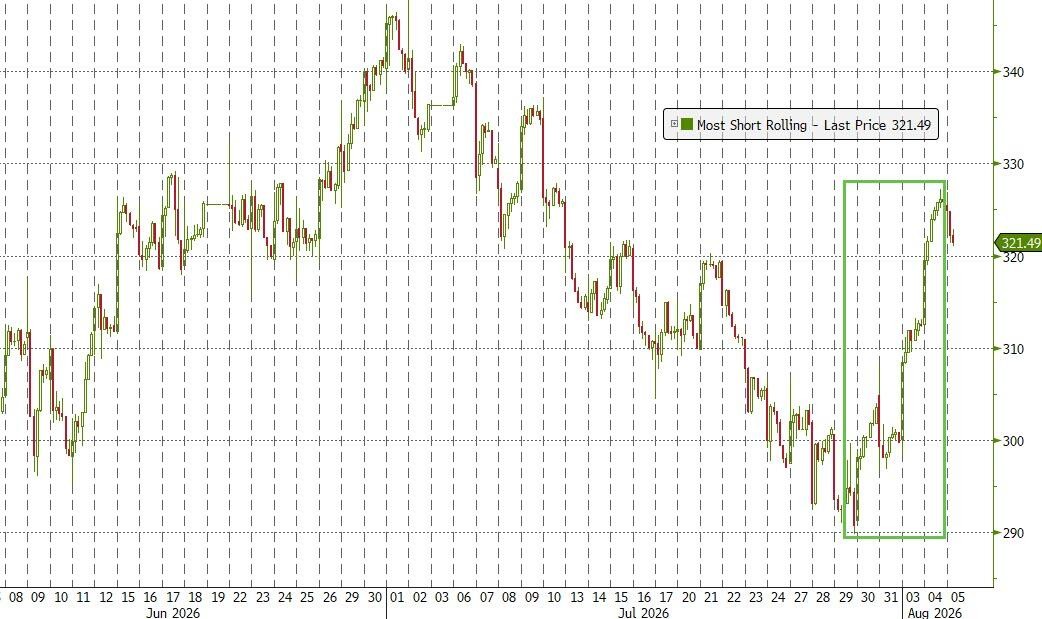
Meanwhile, the short interest ratio for the Nasdaq QQQ ETF remains at a high level, while the short ratios for the corresponding S&P 500 and Russell 2000 ETFs have declined significantly. Simon White pointed out that the intensity of short covering in the Nasdaq yesterday was lower than that of the S&P 500, suggesting that a larger-scale liquidation rally may not have arrived yet. However, he also warned that inflation and real interest rate risks have not dissipated, and there is a possibility that this rally could turn into a "bull trap."
Short Covering Drives S&P to New Highs
The strong performance of the S&P 500 over the past two days is closely related to the concentrated clearing of market short positions.
Simon White's analytical framework shows that when the market experiences a single-day gain exceeding 1.5 standard deviations of the average daily volatility of the previous month, accompanied by a significant decrease in open futures contracts, and the index itself hits a new eight-week high, it often indicates forced liquidation of short positions. These signals have been triggered for the S&P 500.
Historical data (dating back to 1998) shows that the average return one month after this signal is triggered is higher than the overall mean. However, if the time window is extended to three, six, or even twelve months, the returns are slightly lower than the historical average. This indicates that the upward momentum brought by short covering is clear in the short term, but it does not necessarily mean the start of a trend-driven market.
Nasdaq Shorts Remain Heavy, Liquidation Rally May Continue
Compared to the S&P 500, the Nasdaq-100 Index has not yet broken through historical highs, leaving potentially greater room for unfinished short liquidation.
According to Bloomberg data, the short interest ratio for the Nasdaq QQQ ETF remained high in the latest data from about 10 to 14 days ago, while the short ratios for the corresponding S&P 500 and Russell 2000 ETFs have declined in tandem. A similar analysis of open interest in Nasdaq futures shows that the intensity of short covering for the index was relatively mild yesterday, meaning more short positions have not yet had their stop-losses triggered.
The software sector is a noteworthy case study. Against the backdrop of the rise of coding agents and thematic short-selling of software stocks, the median short interest ratio in this sector has recently jumped significantly. These positions were established relatively late, and the corresponding stop-loss levels may not have been reached by the current market movement.
Chase Buying Could Provide Additional Momentum
Beyond short covering, investors who were previously underweight returning to the market could constitute the next layer of driving force for the rally.
Simon White believes that as the S&P 500 breaks through previous highs, some underweight investors may enter the market to chase the rally, becoming a supplementary force driving this rebound.
However, he also issued a clear warning: inflation risks and upward pressure on real interest rates still exist, and there is a risk that the current market movement could evolve into a "bull trap." Investors chasing the rally should remain cautious about the macroeconomic environment.
