Markets Await Non-Farm Payrolls Data; Korean Stocks Drop Over 1%; Stalemate in Middle East Pushes Oil Prices Higher; Bond Market Under Pressure
Asia-Pacific stocks slipped slightly by 0.2%, led by a decline of over 1% in the Korean market; U.S. stock index futures remained largely flat, while European stocks are expected to close slightly lower after hitting record highs the previous day. Brent crude rose 1.6% on Friday to $83.80 per barrel. The 10-Year Treasury Yield held at 4.68%, having climbed 7 basis points during the U.S. trading session
Oil prices rose amid uncertainty surrounding the prospects for an agreement in the Strait of Hormuz, while the bond market faced downward pressure due to inflation concerns. Investors are broadly awaiting the release of the U.S. Non-Farm Employment report on Friday for the latest clues on the Federal Reserve's interest rate path.
On the 7th, Asia-Pacific stocks slipped slightly by 0.2%, with the Korean market leading the decline with a drop of over 1%; U.S. stock index futures remained largely flat, while European stocks are expected to close slightly lower after hitting record highs the previous day.
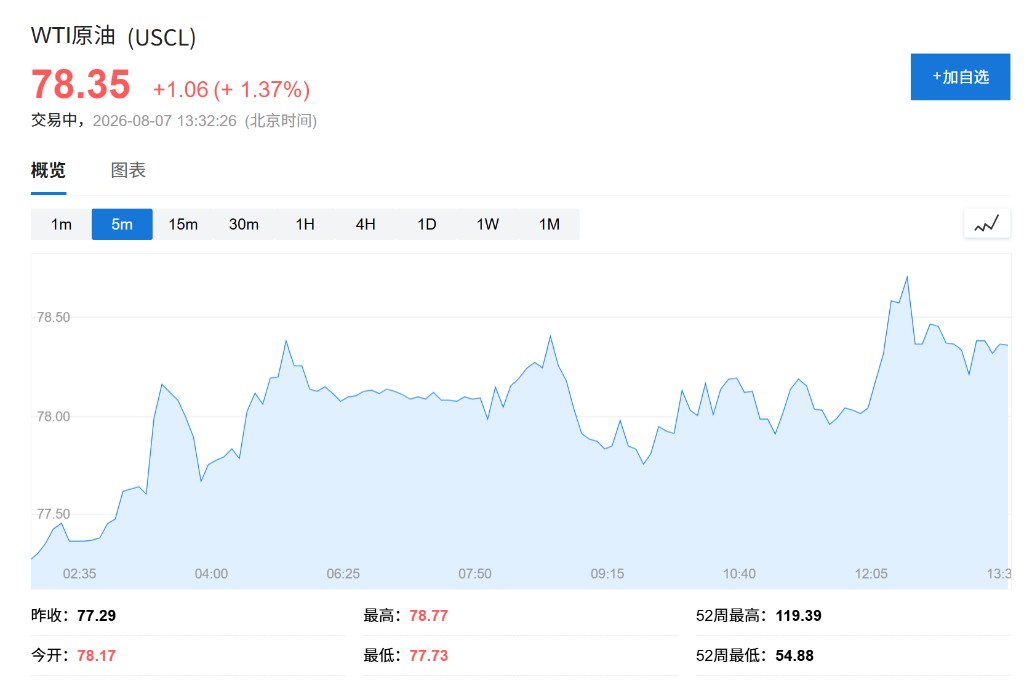
According to CCTV News, two explosions were heard on Qeshm Island, Iran, around 9:40 p.m. local time on the 6th. Iranian authorities stated that the explosions resulted from strikes on enemy targets near the entrance to the Strait of Hormuz, and the outcomes of this operation would be announced to the public in the coming hours. The international benchmark, Brent crude, rose 1.6% on Friday to $83.80 per barrel. Nevertheless, weighed down by earlier expectations this week of a potential U.S.-Iran agreement, Brent crude still accumulated a weekly decline of approximately 5%.
The rebound in energy prices has reignited market concerns about inflation, with investors worried that the Federal Reserve may need to maintain high interest rates for an extended period. The 10-Year Treasury Yield held at 4.68%, having previously climbed a cumulative 7 basis points during the U.S. trading session.
- Asia-Pacific stocks slipped slightly by 0.2%, led by a decline of over 1% in the Korean market
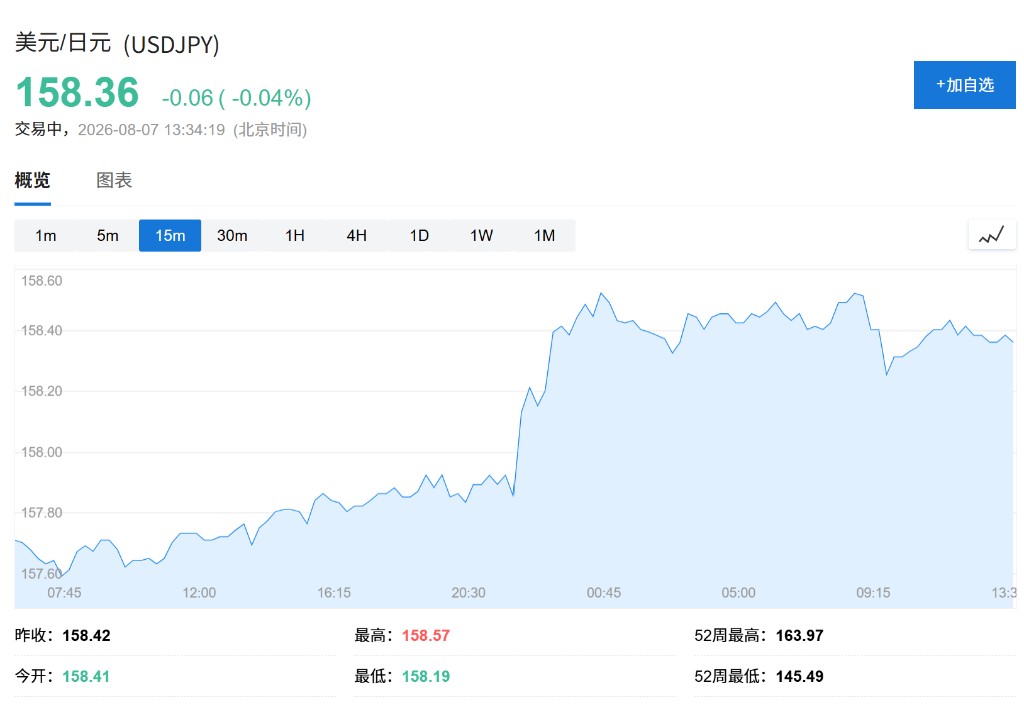
- The U.S. dollar strengthened against most G10 currencies, while the yen remained largely flat near 158.40 per dollar
- The 10-Year Treasury Yield changed little, standing at 4.68%
- West Texas Intermediate (WTI) crude rose 1.3% to $78.31 per barrel
- Spot gold rose 0.6% to $4,265 per ounce
- Bitcoin fell 0.3% to $64,196.68
Uncertain Prospects for Middle East Agreement Keep Oil Prices Prone to Rise Rather Than Fall
Iranian local media, citing a reported draft of a proposed Iran-Oman agreement, stated that Iran would seek to restrict passage through the Strait of Hormuz for U.S. and Israeli vessels, requiring countries it considers hostile to pay compensation before being allowed to pass through this strategic waterway.
This report emerged as officials from both Washington and Tehran had signaled that an agreement might be nearing completion. Trump recently retracted his threat to resume military strikes on Iran and stated that things were "progressing well" when asked about the latest developments.
Bloomberg strategist Mark Cranfield pointed out: "Both WTI and Brent contracts touched their daily highs, as investors anticipate that the U.S. may respond to reports that Iran plans to restrict passage rights in the Strait of Hormuz for hostile nations." He also cautioned that the current rally remains moderate, with Brent crude still hovering near the midpoint of the range maintained since late May.
Employment Data Becomes Key Signal for Fed's Path
Domestically in the U.S., economic data released on Thursday showed resilience in the labor market, with initial jobless claims falling below 200,000 for the third consecutive week. This implies that the trajectory of inflation will become the core variable for the Federal Reserve's September monetary policy meeting.
According to a Bloomberg survey, economists expect Non-Farm Employment to increase by 80,000 in July, higher than the unexpectedly low 57,000 added in June. The report is viewed by the market as the clearest signal yet, revealing whether the cooling of the labor market is sufficient to support expectations for rate cuts later this year.
Invesco Global Market Strategist David Chao stated: "There is considerable uncertainty regarding the U.S. labor market and the subsequent policy path of the Federal Reserve. Investors may be reducing risk exposure and realizing some profits ahead of the Non-Farm Payrolls data release."
Interactive Brokers Senior Economist José Torres wrote in a research note: "Even if the Non-Farm Payrolls data is weak accompanied by a mild unemployment rate, it could be enough to ignite a rebound in Treasuries, because once fixed-income investors begin to worry about potential contraction in jobs, downside economic risks will gradually be reflected in the yield curve."
Dollar Strengthens, Yen Gives Back Intervention Gains
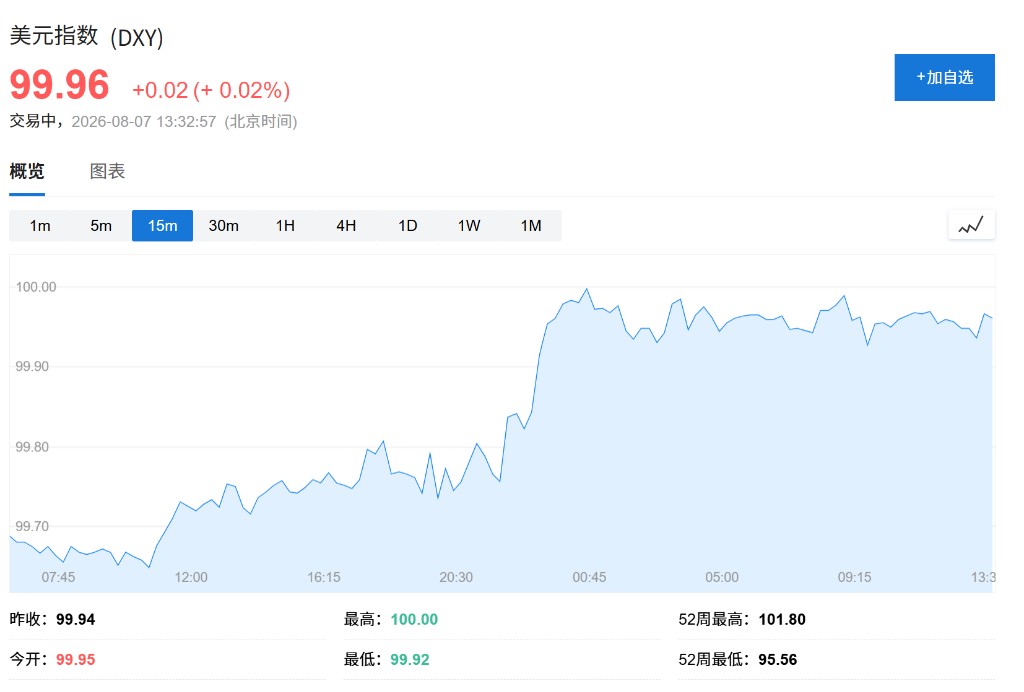
The U.S. dollar strengthened against most G10 currencies, boosted by rising Treasury yields driven by expectations of high interest rates. The Bloomberg Dollar Spot Index stabilized after recording its largest single-day gain in two weeks during the New York session.
Regarding the yen, after a round of intervention-driven appreciation earlier this week, the currency has given back nearly half of its gains, remaining largely flat near 158.40 per dollar on Friday. Previously, the yen had touched a strong level of 155.23. According to the Financial Times, the U.S. intervention operation involving exchanging euros for yen caught European parties quite off guard.