


Google releases Pixel 11, leveraging Gemini to compete with Apple and kick off the AI smartphone race
Google released the Pixel 11 series smartphones, featuring the most autonomous Gemini large model, aiming to create differentiated competition with Apple's iPhone through exclusive AI features on Android. Rick Osterloh, head of the device business, stated that Gemini will change the human-computer interaction model and become the primary mode of interaction. Additionally, due to the shortage of storage chips, Google expects to raise hardware prices
Key Points
Rick Osterloh, head of Google's device business, stated that as Google intensifies its focus on the Android-exclusive Gemini feature, Pixel and iPhone are heading towards "completely different development paths." Osterloh believes that Gemini may become the primary way people interact with smartphones, laptops, and various devices in the future. He also mentioned that the shortage of storage chips is driving up the cost of consumer electronics, and Google expects to further increase hardware prices.
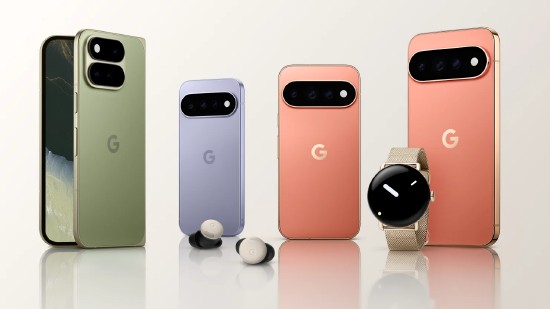
Alphabet officially launched the new Pixel 11 smartphone series on Wednesday, featuring the most autonomous Gemini large model as a core highlight. A few weeks later, Apple is expected to launch a new version of Siri restructured based on Google's AI model.
The new series includes Pixel 11, Pixel 11 Pro, Pixel 11 Pro XL, and the Pixel 11 Pro foldable model. Google's hardware promotion focuses on the Gemini Smart System: this AI feature suite can sense the user's phone operation status and automatically execute tasks across applications.
For example, the Gemini Smart System can integrate information from messages, calendars, maps, and various Google services, proactively providing action suggestions or directly completing operations, such as checking availability, comparing travel options, and making restaurant reservations. Google is also continuously expanding system-level native AI features, allowing users to utilize them without separately opening a chatbot.
In an exclusive interview, Rick Osterloh expressed that AI is expected to fundamentally change the way people interact with smartphones. "For the past ten to fifteen years, the way we use laptops and phones has hardly changed, but we believe a transformation is imminent."
He described the Gemini Smart System as "a completely new human-computer interaction model," relying on intelligent capabilities to help users "not just query information but also directly complete transactions."
This product launch has also placed Google in a unique competitive situation: needing to compete directly with one of its most important AI clients.
Apple is restructuring Siri based on Google's Gemini model, with goals highly aligned with the direction Google is currently showcasing on Pixel: reading personal information, recognizing screen content, and executing operations across applications.
When asked if Pixel could showcase model capabilities ahead of iPhone users experiencing related features, Osterloh denied that the two types of user experiences would converge. "Clearly, Pixel and iPhone are heading towards completely different development paths. Continuously implementing cutting-edge technology, especially Gemini and AI capabilities, has always been at the core of Pixel's product strategy." Ostrower cited examples of Google's differentiation advantages: fraud detection, Rambler voice transcription technology, and the deep integration of Gemini with the Android system. "These features are exclusively realized through Android and the Gemini intelligent system, and to experience them, one needs to purchase a Pixel or an Android model."
Both companies face a common challenge: can the continuously enhancing AI persuade consumers to upgrade their phones?
Ostrower acknowledged that AI has not yet become the primary reason for users to switch devices, but in recent years, consumer attention to AI has significantly increased.
Market research firm Counterpoint's data shows that AI currently ranks about sixth to seventh among the reasons consumers switch devices. With the upgrade of Gemini and Apple Intelligence capabilities, this ranking has risen by 1 to 2 positions in the latest survey.
Counterpoint's research director, Tarun Pathak, stated that the key to converting potential interest into actual device-switching behavior lies in creating attractive application scenarios and enhancing user awareness. He believes that Apple Intelligence will become a catalyst for the iPhone upgrade wave; currently, among the existing smartphones supporting generative AI, Apple models lead all brands.
Google's long-term vision is to make Gemini occupy a more central position in device usage. "We believe its importance will continue to grow, and it has the potential to become the mainstream interaction method for people using smartphones, laptops, and various devices," Ostrower said.
At the same time, the entire consumer electronics industry is under supply chain pressure, with a shortage of memory chips continuously raising hardware costs. "Both memory and flash chips are experiencing significant supply tightness," Ostrower told.
The chip shortage is forcing consumer electronics companies to raise prices, and Google's own hardware products will also bear the pressure of rising costs. "In the short term, almost all manufacturers have to raise product prices. As we mentioned earlier, like other companies in the industry, Google also needs to adjust the prices of its devices."
The new generation of Pixel products will be the first test of whether a more autonomous AI assistant can truly change the public's smartphone usage habits. Soon, Apple, with its large existing user base, will also bet on the same track. Counterpoint's data shows that Apple holds the world's largest existing user base of smartphones capable of running generative AI
