


Triple Whammy of Stubborn Inflation, Fiscal Expansion, and AI Boom Fades the Safe Haven Halo of Global Bond
The global bond market is undergoing a structural upheaval. The combined pressures of stubborn inflation, fiscal expansion, and the AI investment boom have driven two-thirds of 32 swap markets to price in rate hikes, with the seven major markets collectively expecting nearly 400 basis points of increases over the next year. South Korean government bonds have fallen nearly 9% this year, while long-end US Treasury yields have hit multi-decade highs. As central banks worldwide are forced to tighten in sync, the myth of bonds as a safe haven is unraveling
The global bond market is facing a systemic stress test that goes beyond the Federal Reserve. The confluence of three forces—stubborn inflation, government fiscal expansion, and the AI investment boom—is pushing central banks in multiple countries to compete in tightening monetary policy, fundamentally challenging the core function of bonds as traditional Safe Haven.
On Monday, data from 32 swap markets tracked by Bloomberg showed that two-thirds had already priced in rate hike expectations. Over the next year, the seven major markets are collectively expected to see rate hikes totaling approximately 400 basis points. South Korea leads the globe with expected rate hikes exceeding 100 basis points; borrowing costs in Japan, Canada, the Eurozone, and the UK are expected to rise faster than in the United States. The overall inflation rate among OECD member countries recently rose to a two-year high, further reinforcing the market's judgment of synchronized global tightening.
This situation leaves investors in a dilemma: Bonds are supposed to provide a buffer for portfolios when stocks fall or the economy suffers shocks, but if central banks are forced to raise rates more aggressively, bonds may not only fail to hedge risk but could exacerbate losses, shaking the foundations of traditional diversified allocation. The broader market impact cannot be ignored either—higher rates will compress equity valuations, tighten financial conditions, and disrupt currency carry trades.
From a macro perspective, the strategic position of bonds in portfolios has diminished significantly. Kenneth Goh, Director of Private Wealth Management at UOB Kay Hian Pte, stated that the weight of bonds in portfolios is far lower than it was a decade ago. When major markets tighten simultaneously, the protection offered by diversification across bond markets is far less than during periods when national policy cycles were misaligned. "Many investors still assume bonds can provide a buffer for their portfolios—but they no longer operate that way," he said.
Multiple Pressures Drive Rising Global Rate Hike Expectations
The formation of this round of global rate hike expectations differs from recent interest rate cycles centered on the Federal Reserve. The Iran-Israel conflict has pushed up oil prices, massive government fiscal spending, and the AI investment boom has surged demand for chips, electricity, and labor. These multiple pressures are acting on central banks simultaneously, creating a rare policy resonance.
George Efstathopoulos, Portfolio Manager at Fidelity International, which manages over $1.1 trillion in assets, stated that in the current environment, bonds "are no longer playing their due role from a diversification perspective." He currently holds very low positions in government bonds, retaining only some US Treasury Inflation-Protected Securities (TIPS) and Brazilian government bonds. "In a world of persistent geopolitical risks, deepening energy dependence, sticky high inflation, and intensified fiscal stimulus, inflationary resistance may persist for the long term," he added.
Ed Al-Hussainy, Portfolio Manager at Columbia Threadneedle, pointed out that rising interest rates have also increased the return on holding cash, giving investors more choices for capital allocation. This means governments and corporations must offer higher yields to attract capital.
Asian Bond Markets Bear the Brunt, European Bonds Gain Some Favor, Structural Pressure on US Long-End Rates Persists
Seoul and Tokyo are viewed by the market as the leaders in this round of global tightening cycles, where rising energy costs and the AI-driven investment boom have formed the most direct compounded impact.
South Korean government bonds have fallen nearly 9% in local currency terms year-to-date, ranking last among the 44 bond markets tracked by Bloomberg; Japanese government bonds have also fallen by about 4%, placing them among the worst-performing markets.
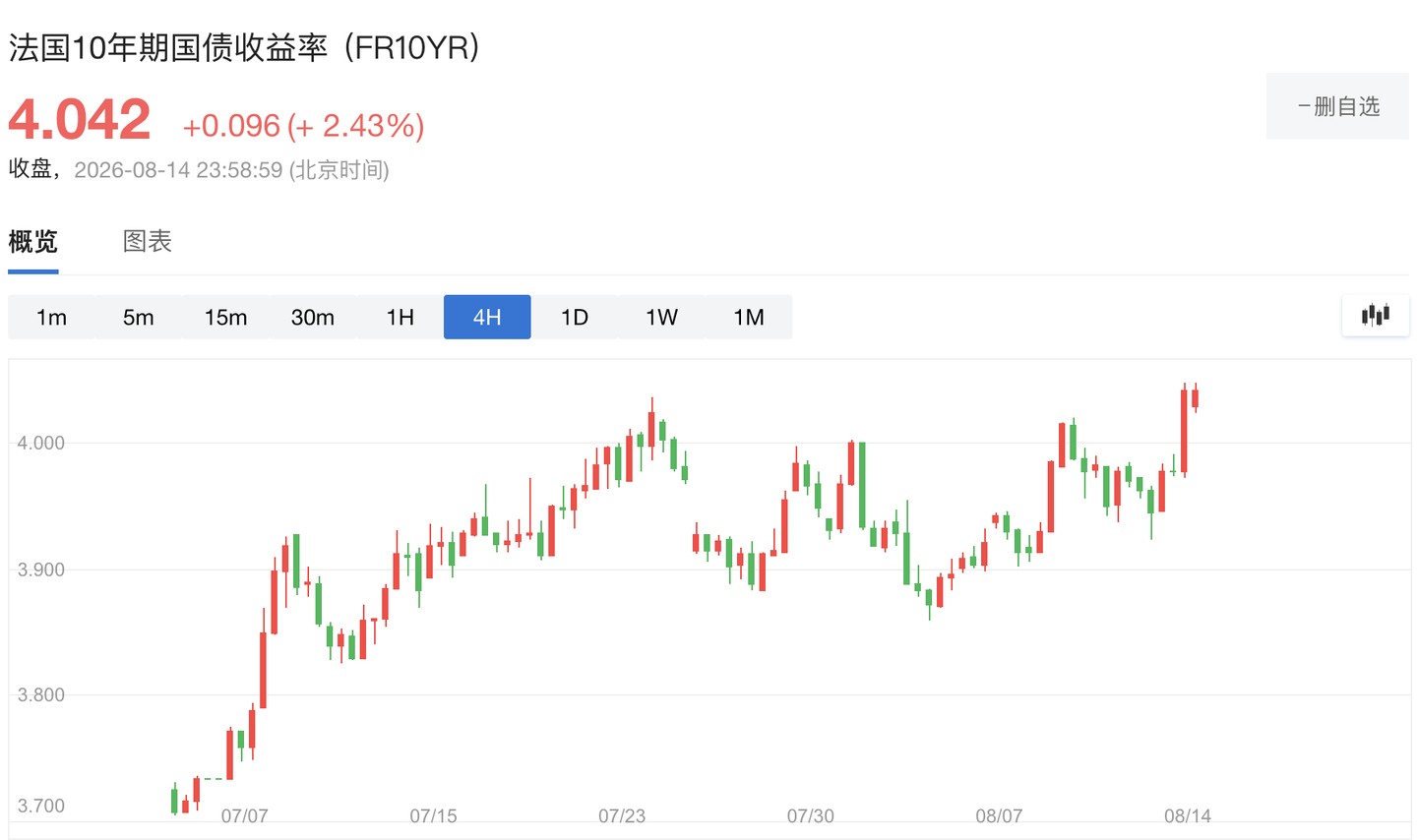
In Europe, rising energy costs and a wave of defense spending are jointly suppressing the outlook for the bond market. The yield on France's 10-year benchmark government bond rose to its highest level since 2009 last week, while the 10-year yields in Germany and Italy have each risen by more than 30 basis points this year.
Despite the overall pressured environment, some investors remain relatively optimistic about European bonds. The European Central Bank raised rates first after the global energy shock, demonstrating a tougher stance against inflation; fund managers also generally believe that the fiscal and monetary policy outlook in the Eurozone is more predictable than that of the US or Japan.
Iain Stealey, Chief Investment Officer of Fixed Income International at JPMorgan Asset Management, stated in an interview that he prefers holding European bonds over their US counterparts, particularly favoring the front end of UK government bonds, believing the market has priced in Bank of England rate hikes too aggressively. "I am more confident in buying the front end of the European yield curve, especially the UK," he said. "I do not think the Bank of England is in a hurry to raise rates."
In the United States, as recent inflation data has moderated, bond traders are no longer fully betting on Federal Reserve rate hikes this year. However, the 10-Year Treasury Yield has still cumulatively risen by about 50 basis points this year, and the borrowing cost at the recent 30-year Treasury auction hit a multi-decade high, reflecting deep-seated market concerns about the continued expansion of the fiscal deficit.
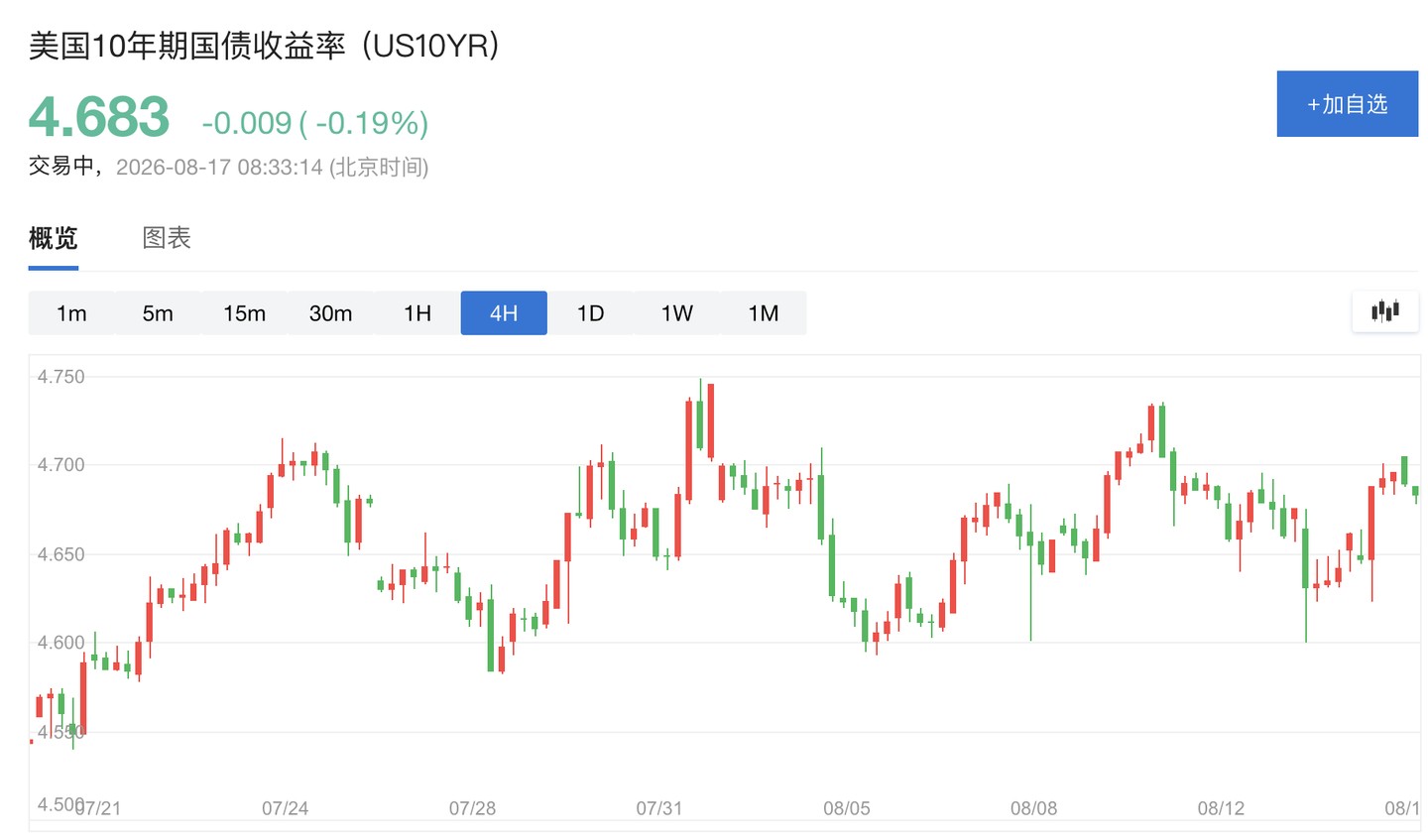
A macro strategist pointed out: "Fiscal deficits and term premiums have not dissipated despite the recent moderation in inflation data. The long end of the US Treasury yield curve remains structurally heavy, and the bias towards further steepening of the curve persists."
