


 Top 10 Influencers in 2024
Nvidia's stock price dropped 10%, what to do?

Last night's big drop can be divided into two parts.
First, the broader market fell, with the Nasdaq dropping another 2%. Second, semiconductors took a major hit—NVIDIA plunged 10%, and Super Micro Computer (SMCI) crashed 23%. It was a bloodbath.
Broad Market:
The Nasdaq has fallen for three consecutive weeks, dropping 5.5% this week—the biggest weekly decline since mid-2022.
The Israel-Iran conflict is just the surface; beneath it lies a clash between two worlds, much like the Vietnam War, which was essentially a proxy for the US-Soviet rivalry.
Yesterday’s market movements confirmed this: when trouble flares in the Middle East, Asian markets suffer the most. Japanese, South Korean, and Taiwanese stocks all fell 3%. Think about it—
The Israel-Iran and Russia-Ukraine conflicts are just symptoms; the Israel-Iran and Israel-Palestine tensions are escalations.
Many are overlooking the US election in November, which will have a massive impact. Some of the campaign rhetoric we’re seeing is already quite aggressive, and the confrontation is visibly escalating.

In the short term, conflicts drive up energy and commodity prices, keeping inflation stubbornly high. This delays rate cuts, hurting US stocks. Long-term, it disrupts economic recovery (just like the Red Sea crisis, which directly impacted Tesla’s Berlin factory output).
Semiconductors:
On the 17th, ASML’s earnings bombed. On the 18th, TSMC’s CEO, C.C. Wei, revised down the global foundry industry’s growth forecast during the earnings call—from 20% to just 10%. That’s a huge downgrade!
Netflix’s earnings were solid, but its pessimistic outlook on the crisis also weighed on sentiment.
Last night’s semiconductor selloff was heavily influenced by this backdrop, compounded by news about Super Micro Computer (SMCI):
SMCI crashed 23% after breaking its usual practice of providing preliminary results ahead of its Q3 earnings release on April 30. This spooked investors, triggering a frenzy of selling.
NVIDIA plummeted 10%, its worst drop since the pandemic.
Someone in the community asked me this morning: "Should I sell NVIDIA?"
My take: If you must sell, wait for a rebound. First, sharp drops in the market or individual stocks usually see a bounce. Second, NVIDIA has strong earnings support. If NVIDIA falters, most other stocks will too. (Not investment advice—make your own decisions.)
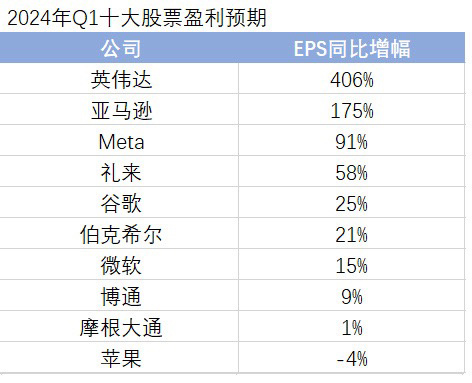
But the downside is clear: the broader market’s decline and TSMC’s downgrade of industry growth expectations will trigger valuation adjustments.
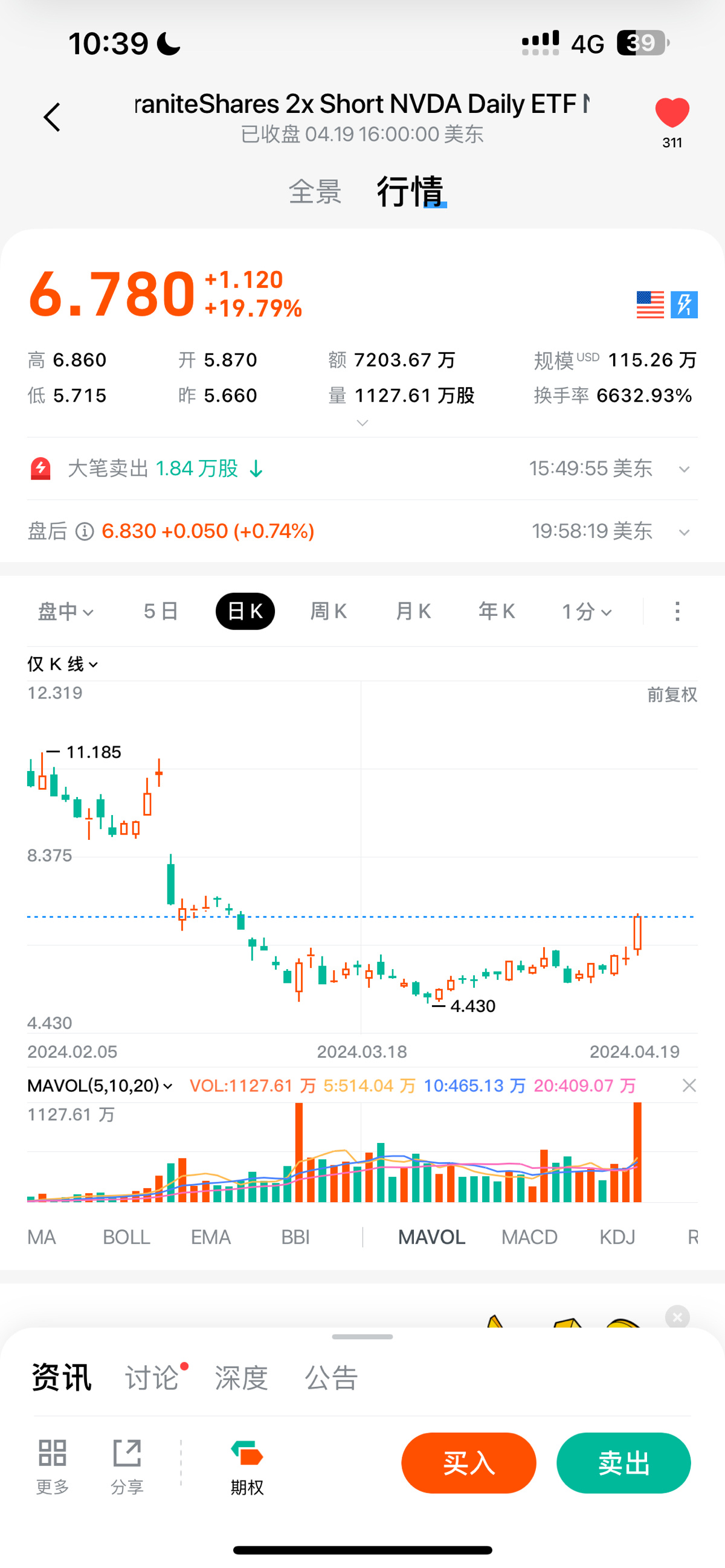
In volatile markets, when uncertainty looms, consider hedging tools like inverse ETFs—SQQQ for the broader market, SOXS for semiconductors, or leveraged shorts like TSDD for Tesla and NVD for NVIDIA. But use them as hedges, not speculative bets. (Though a rebound might come soon—again, not investment advice.)
One advantage of US stocks is that you can profit (or limit losses) by correctly calling the direction, unlike in the A-share market, where you only make money if prices rise.
$Taiwan Semiconductor(TSM.US) $Netflix(NFLX.US) $ASML(ASML.US) $NVIDIA(NVDA.US) $Super Micro Computer(SMCI.US) $Proshares UltraPro Short QQQ ETF(SQQQ.US) $Direxion Semicon Bear 3X(SOXS.US) $GraniteShares 2x Short TSLA Daily ETF(TSDD.US) $GraniteShares 2x Short NVDA Daily ETF(NVD.US) $NASDAQ Composite Index(.IXIC.US) $S&P 500(.SPX.US)
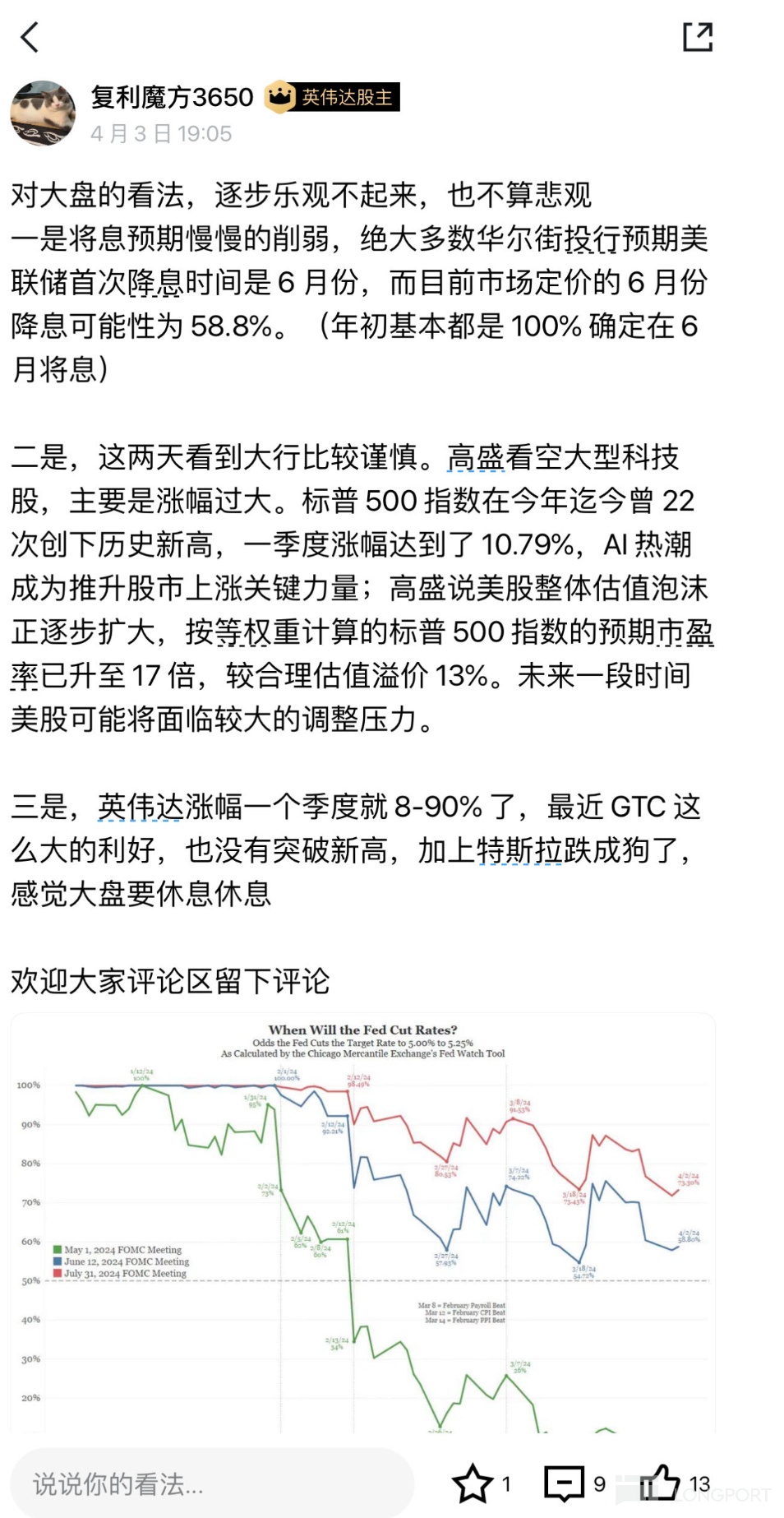
Earlier this month, I expressed concerns about the broader market—I just didn’t anticipate the semiconductor sector’s issues:
The copyright of this article belongs to the original author/organization.
The views expressed herein are solely those of the author and do not reflect the stance of the platform. The content is intended for investment reference purposes only and shall not be considered as investment advice. Please contact us if you have any questions or suggestions regarding the content services provided by the platform.
