


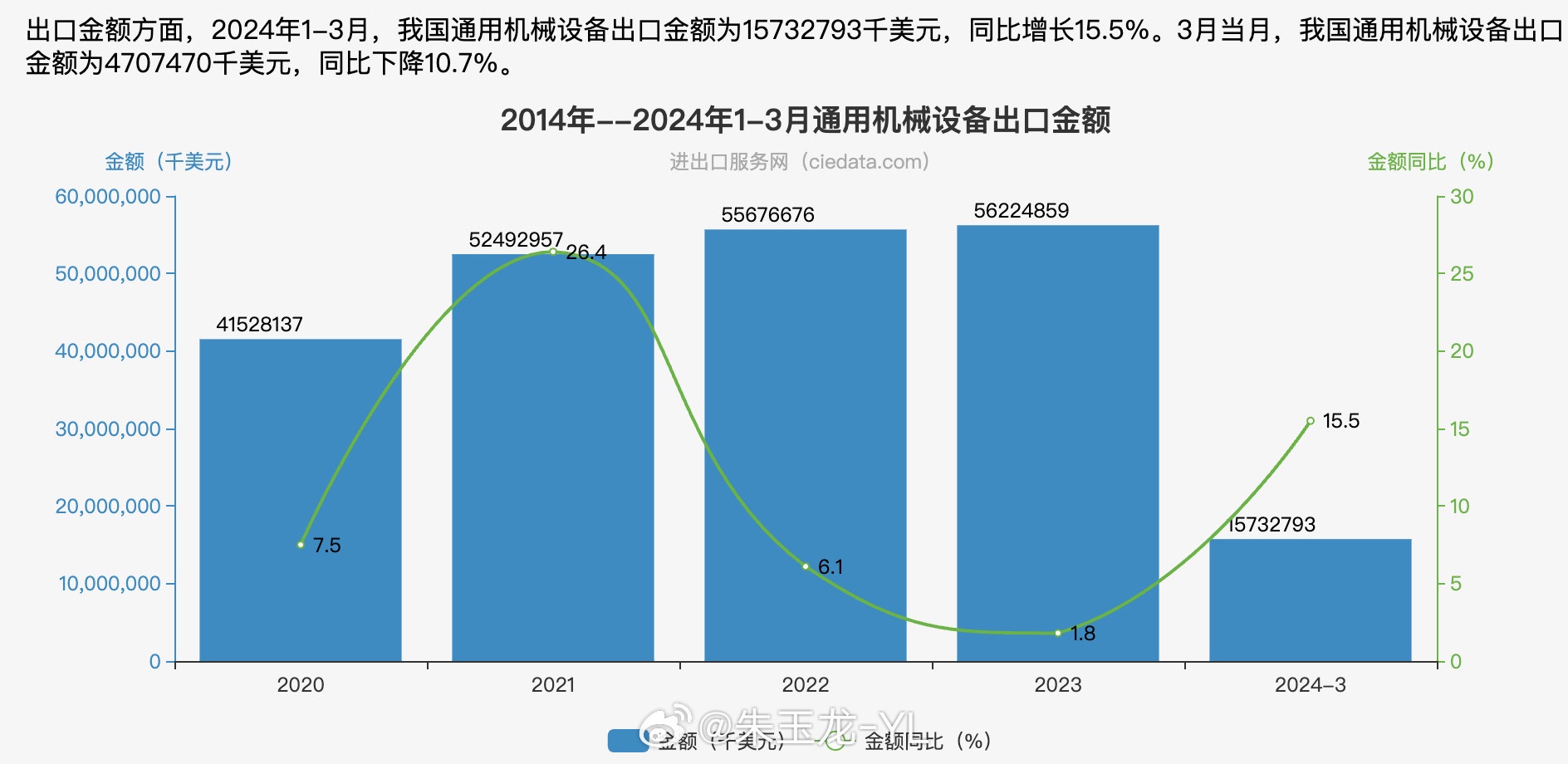
In the process of going global, commodity exports are beneficial to domestic employment. However, with potential trade disputes and tariff issues, export-oriented companies are establishing production bases overseas, corresponding to the growth in exports of China's machinery and engineering equipment.
To some extent, this may lead to a situation similar to Japan's, where Japanese companies leveraged their advantages to build a global production network, shifting domestic manufacturing to low-cost regions like Southeast Asia, South America, and Central Asia. This will inevitably have a substitution effect on domestic employment.
From the perspective of Chinese enterprises' development, this is a necessary defensive measure. Domestic production capacity faces significant cost and risk challenges. As overseas operations stabilize, domestic production capacity will inevitably decline. Of course, one potential path for domestic workers is to go global, similar to the overseas assignments seen in Japan and South Korea.
Domestic employment indeed faces some challenges.
The copyright of this article belongs to the original author/organization.
The views expressed herein are solely those of the author and do not reflect the stance of the platform. The content is intended for investment reference purposes only and shall not be considered as investment advice. Please contact us if you have any questions or suggestions regarding the content services provided by the platform.
