


Who pays for children's mistakes? Netizens argued over NetEase's refund issue.


In April, three incidents made NetEase the target of public criticism.
Suddenly, it seemed like everyone had a bone to pick with NetEase.
First were the parents. After "Eggy Party" replaced "CrossFire" as the most popular game among Gen Z,parents across the nation began to resent NetEase deeply.
On the evening of April 8, a father posted a video claiming that his 9-year-old son spent 6,400 yuan in just 10 minutes while playing "Eggy Party," adding up to "tens of thousands in just a few days."
He then said, "Like father, like son," and began slapping himself repeatedly.
In the comments section, a large group of parents rallied together, forming an angry mob determined to use public opinion to hold NetEase accountable.

Parents were furious about the issue of refunds for minors.
But another group was angry because they wanted refunds for adults too.
On April 23,#Female principal scams parents of 50 million yuan before committing suicide# trended on Weibo. The scam occurred between 2017 and 2020, with most victims being parents and relatives of students. The case was investigated by authorities in 2021.
It ended with the principal jumping into a river and the case being closed.
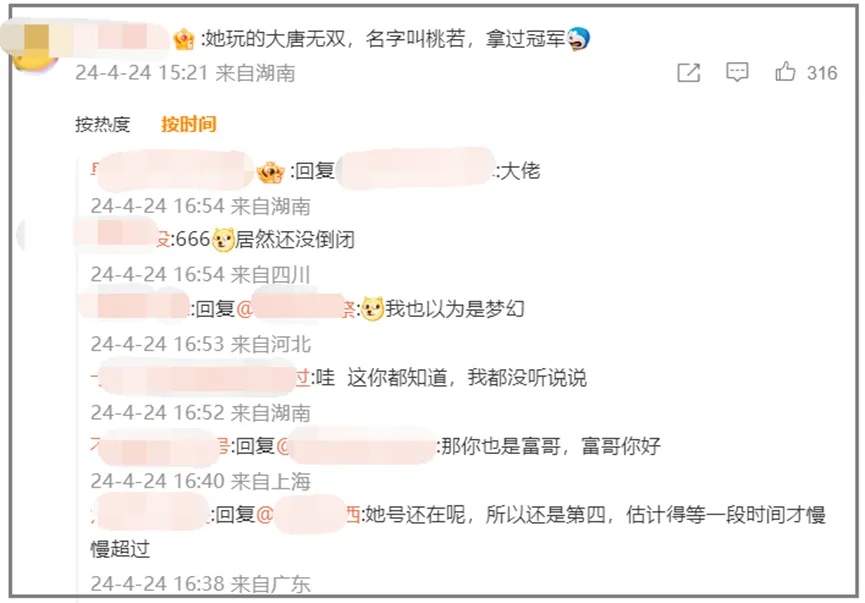
In 2022, 29 victims sued several parties related to the case, including the principal's parents and NetEase, as 30 million yuan of the scammed money was used to play NetEase's game "Datang Wushuang."
One victim posted on social media,hoping the game company would provide an explanation out of humanitarian considerations.
If these two groups were upset because someone played NetEase games,
the last group was angry because they couldn't play NetEase games at all.
At the end of April, the most absurd#NetEase discriminates against the elderly# news trended. In the viral video, a young accuser angrily complained: "My grandma can't log into the game!"
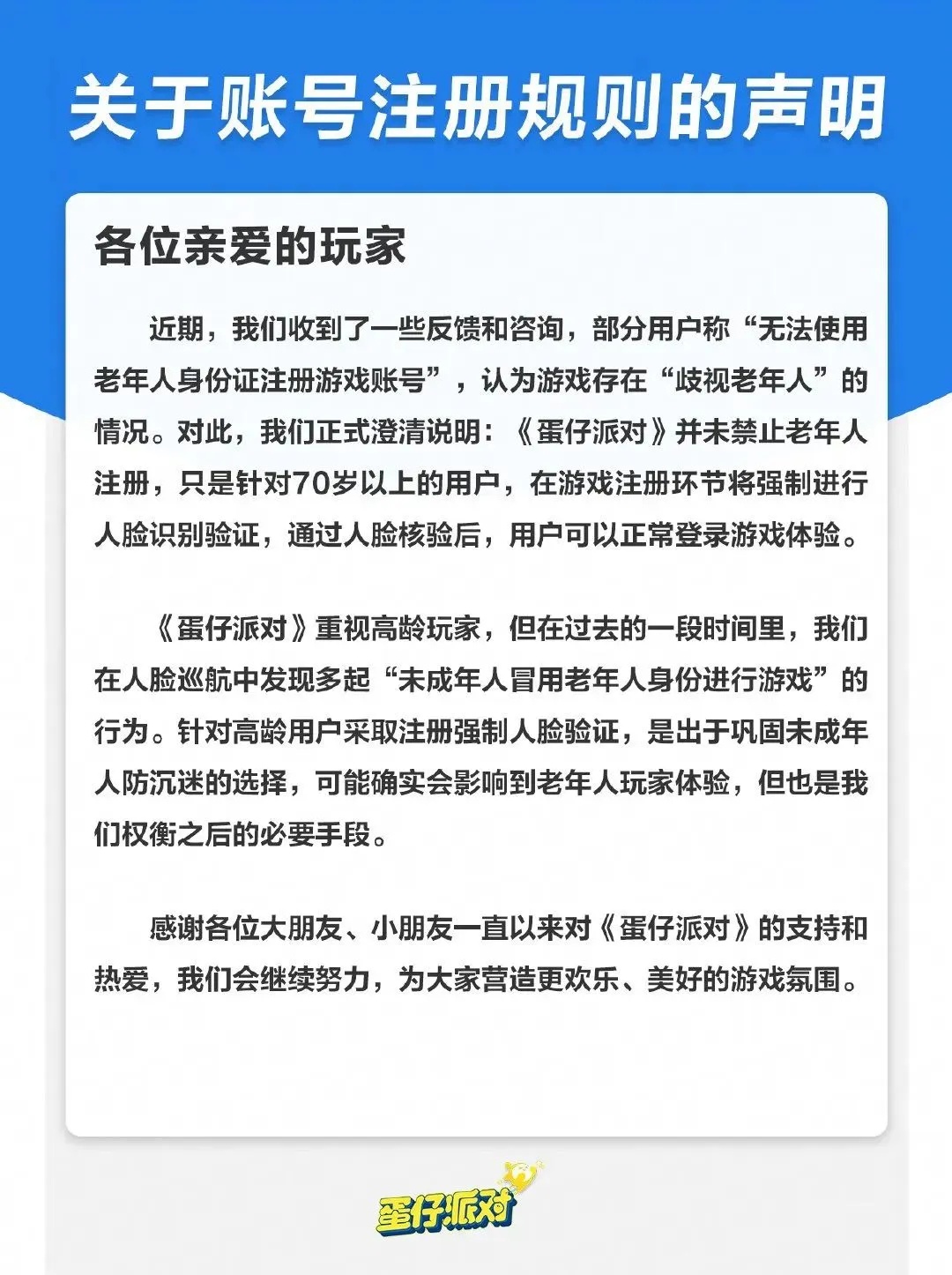
On the 26th, "Eggy Party" issued a clarification statement, delivering the most absurd message in the most serious tone:
"Eggy Party" values elderly players, but we've discovered numerous cases of "minors impersonating the elderly to bypass restrictions.
These three incidents largely revolve around two issues: "minors' addiction prevention" and "game company refunds."
This isn't unique to NetEase. From "60-year-old grandma gets a Pentakill in Honor of Kings at dawn" to refund demands from Tencent and miHoYo, these problems plague the entire Chinese gaming industry.
What's different now is that netizens no longer solely blame game companies. In comment sections under official media reports, users argue fiercely, sometimes more passionately than the companies themselves.
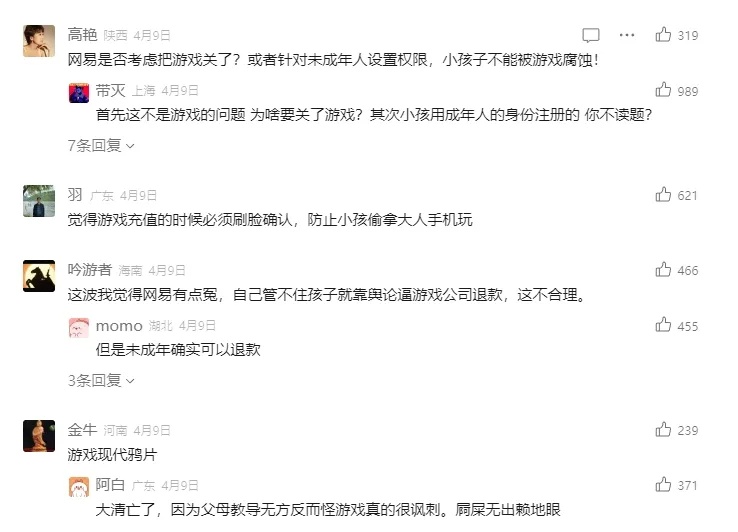
For example, in The Paper's WeChat article"Boy spends 10,000 yuan on games; father slaps himself. NetEase: Full refund", supporters and critics were evenly matched.
Pro-refund comments included:
"Should NetEase just shut down its games? Or restrict minors—kids shouldn't be corrupted by games!"
"Games are modern opium,"
each garnering 200-300 likes.
Anti-refund comments argued:
"NetEase is being scapegoated. Parents who can't control their kids use public pressure to force refunds—that's unfair."
These also received comparable likes.
The critics' stance boils down to one question:When kids mess up, why do parents always expect others to pay?
It's not just games. From trading cards to pet store purchases, local news frequently covers refund demands for kids' spending.
Parents' reasoning is consistent: "Kids don't know better, and we can't afford it."
This "protect the weak" logic, combined with some merchants deliberately exploiting children, usually sways public opinion toward parents.
Butover time, this dynamic became a rule—businesses always lose, and some families now exploit this system for profit.
Take minor refunds:
In February, Douyin's Naruto section saw its largest-ever refund wave during back-to-school season, totaling hundreds of thousands. In March, similar cases hit Bilibili VTubers, also trending with six-figure refunds.
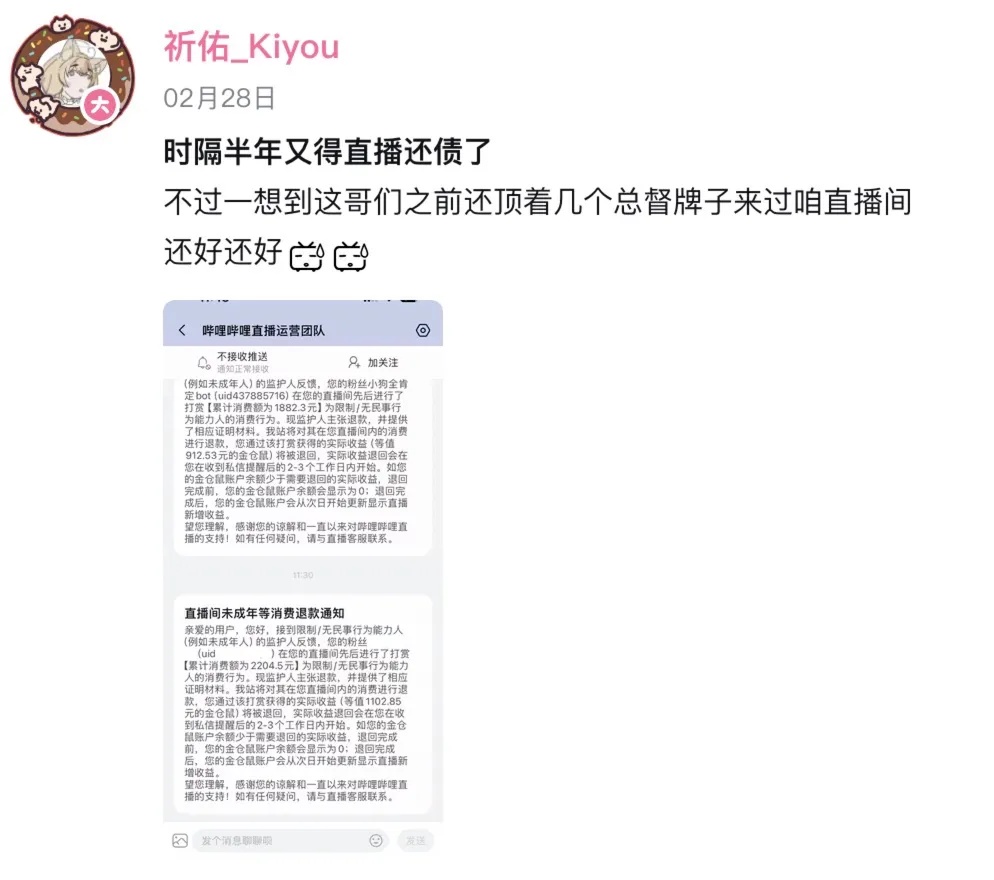
For most streamers, minor refunds mean a month's earnings legally reversed—or even owing money. On Bilibili, streamers often gift real-world items to top donors ("Admirals," "Governors").
The public wonders: Why should innocent parties bear the consequences when parents fail to supervise their kids?
Parents retort, "You'll understand when you have kids."
Netizens fire back:"You'll understand when you run a business and face this."
Some parents even plan refund scams when their kids turn two. On Xianyu, gray-market shops specialize in facilitating minor refund claims.
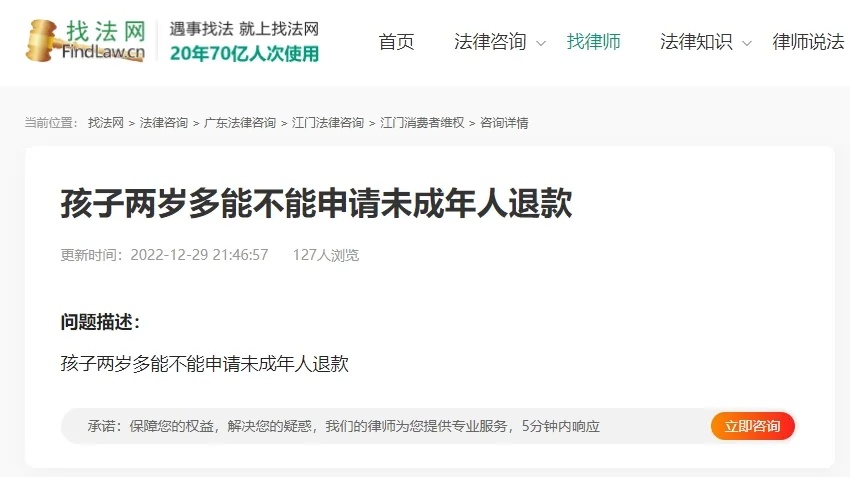
But is NetEase truly blameless? Not entirely.
While NetEase implemented anti-addiction measures (evident from kids complaining about "elderly discrimination"), two contradictions undermine its credibility.
First,the clash between game design and anti-addiction goals.
Anti-addiction tries to keep kids out,
but game designs—like Ultraman collaborations, child-friendly aesthetics, and simple controls—actively lure them in.

If the first contradiction is internal,
the second isthe conflict between games and third-party platforms.
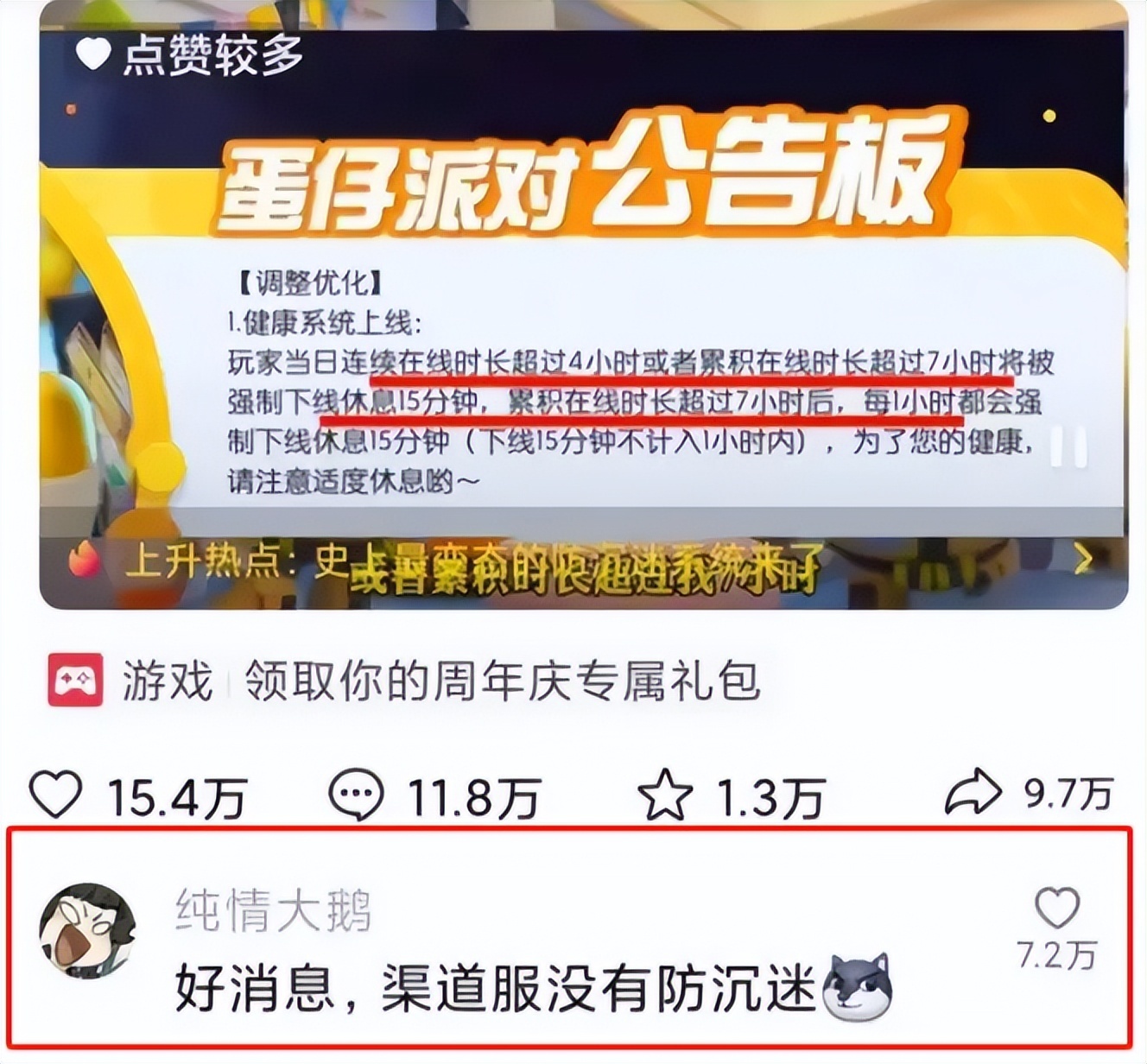
Take the April 8 case: How could a child play "Eggy Party" without ID verification or payment passwords?
NetEase explained the user downloaded Huawei's channel version, which auto-registers via device accounts—and most phone brands allow password-free payments.

Thus, kids bypass restrictions and spend freely.
NetEase's full refund was negotiated with Huawei.
While game companies may lack control over channel accounts, they've done little to address this loophole despite recurring incidents.
Some netizens argue that game companies shouldn't refund legally valid purchases—current practices feel like "squeaky wheel gets the grease."
But gaming remains a sensitive industry treading on thin ice. With parents wielding regulatory pressure,
minor missteps risk triggering chain reactions that could devastate the entire industry—affecting not just companies but all gamers.
The copyright of this article belongs to the original author/organization.
The views expressed herein are solely those of the author and do not reflect the stance of the platform. The content is intended for investment reference purposes only and shall not be considered as investment advice. Please contact us if you have any questions or suggestions regarding the content services provided by the platform.
