


 Likes Received
The yen has depreciated. Is it still worth investing in the Japanese stock market?


1. Rapid Depreciation of the Yen: Why Did Berkshire Hathaway Issue 263.3 Billion Yen in Bonds? The Core Logic Is:Borrow at Low Rates to Buy High-Dividend-Yielding Assets.
1. Currency Hedge & Borrowing Large Amounts of Yen at Low Rates
Yen Depreciation Risk (Exchange Rate Risk): Under the pressure of yen depreciation, the returns from investing in Japanese stocks may not keep up with the speed of depreciation, potentially leading to losses. So, what can be done? Consider the following questions:
① Will the Yen Continue to Depreciate?
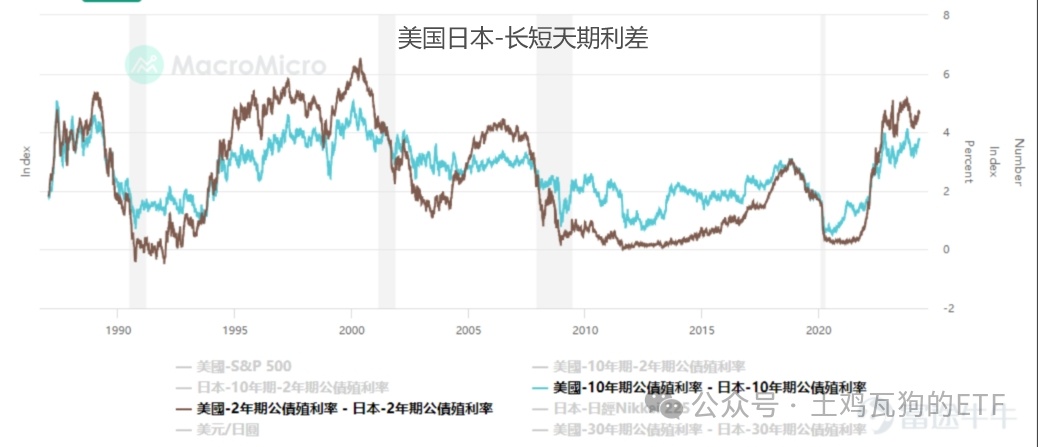
Widening US-Japan Interest Rate Gap and Trade Deficits are reasons why institutions like JP Morgan and Goldman Sachs are bearish on the yen, believing it will continue to depreciate.
② How Severe Is the Pressure on Yen Depreciation? What Is the Bank of Japan's Bottom Line?
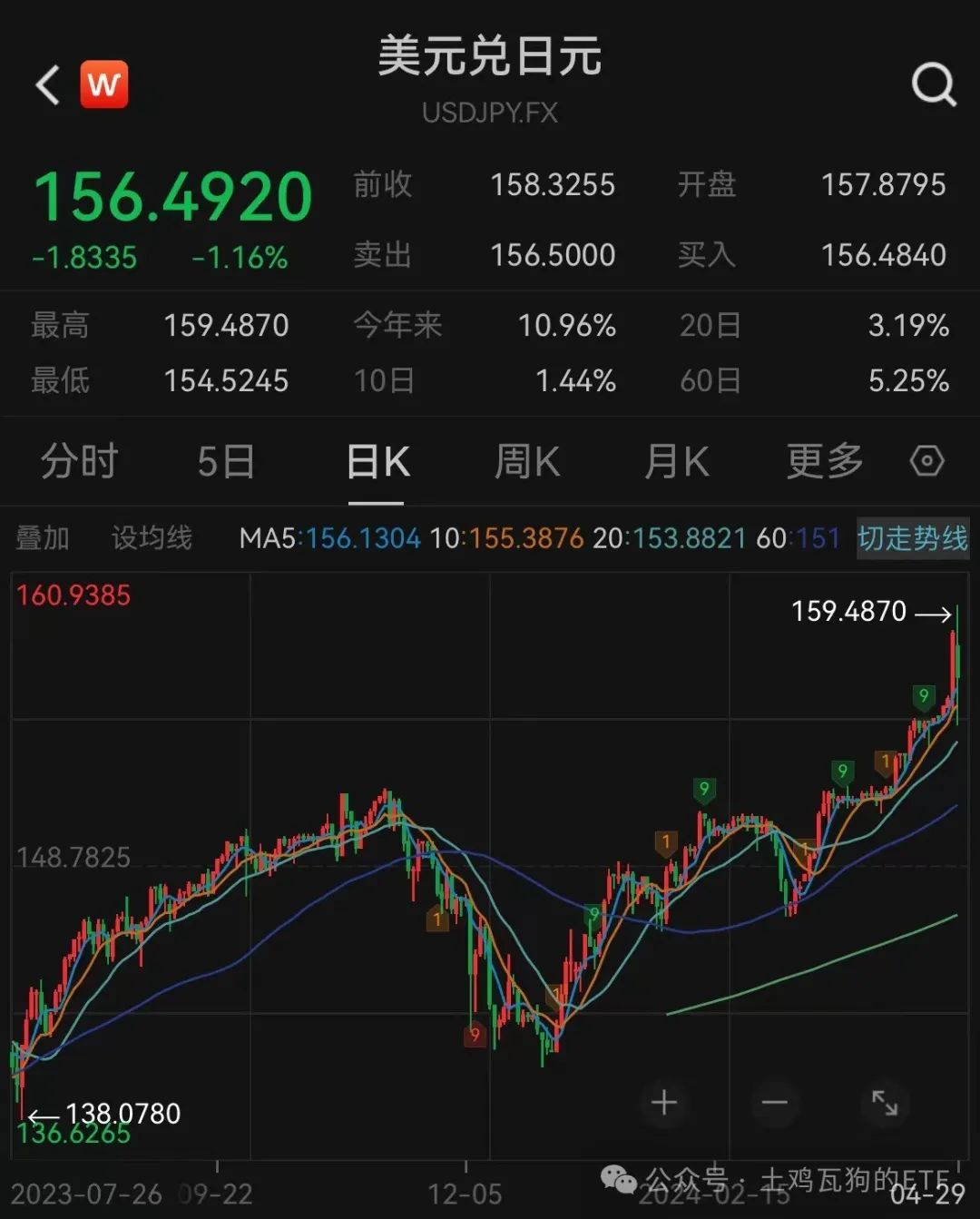
Although Japan's economy has improved with the help of overseas business, it cannot support the Bank of Japan in raising interest rates significantly. This is why, after the first 10bp rate hike this year (a negligible increase by global central bank standards) to 0-0.1%, the Bank of Japan paused and maintained its policy rate for now.
However, when the yen depreciated to nearly 160 (USD/JPY), the Bank of Japan suddenly intervened, indicating that 160 is the Bank of Japan's first line of defense. But as long as the Bank of Japan does not raise rates significantly, the depreciation trend remains.
③ If Investing in Japanese Stocks, How to Hedge Against Exchange Rate Risk?
An article last December titled "Nikkei 225ETF: Analyzing the Impact of Bank of Japan's 2024 Rate Hike" also mentioned Buffett's investment in Japanese stocks using yen bonds as a currency hedge. How did Buffett do it?
Buffett used his company Berkshire Hathaway to issue yen bonds (using dollar assets as collateral to borrow large amounts of low-cost yen), thereby investing in the five major trading houses. If profits are made, the bonds can be repaid first (the interest rate is low, so there's almost no interest cost), and the remaining money can be converted back to dollars, avoiding losses from exchange rate fluctuations. If the stocks are held instead of sold, they also offer high dividend yields.
2. Profitable Opportunity: Buying High-Dividend-Yielding Assets
Buffett's 2023 annual report disclosed his investments in five major Japanese stocks (the average dividend yield of the five major trading houses in 2023 was approximately 5.2%). The rationale for the investment was "diversified businesses, high dividends, high free cash flow, and prudent issuance of new shares," and "the five trading houses are far more shareholder-friendly than their American counterparts."
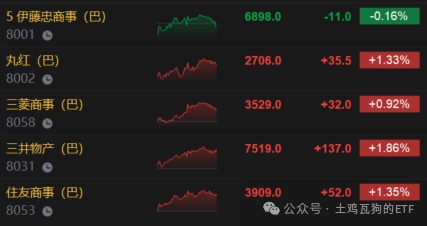
These companies operate across various industries in Japan and are oligarchic zaibatsu enterprises. Given Japan's conservative society, these firms are less likely to be disrupted by emerging competitors, demonstrating stable returns. At the same time, these five companies control most of Japan's import and export businesses, with significant overseas operations.
II. For A-Share Investors, How to View Japanese Stock Investments?
1. For off-exchange investors investing in actively managed funds, the exchange rate between RMB and yen must be considered. Rapid yen depreciation (RMB appreciation) is a negative contributor to fund net value.
2. For on-exchange investors, such as those in Nikkei 225ETF or TOPIX ETF.
1) On-exchange investments (Nikkei 225ETF) track the Nikkei 225 index, and investors should be wary of premium rates.
2) They should also consider other capital flows (other foreign investors without currency hedges), as not everyone is as "calculating" as Buffett.
Other investors made money in Japanese stocks last year, but due to the yen's continued depreciation, converting back to their home currencies reduced their returns. Given the trend of further yen depreciation, some foreign investors may quickly exit the Japanese stock market to allocate to other assets, such as Hong Kong stocks (the recent rebound in Hong Kong stocks is mainly due to foreign investors choosing Hong Kong for their Asia-Pacific allocations). In other words, a large amount of foreign capital may withdraw from the Japanese stock market. Without currency hedging, investing in Japanese stocks is not recommended at this time. Instead, it might be better to follow the big money into Hong Kong stocks (Hang Seng Tech ETF: A Different Perspective on Investing).
The copyright of this article belongs to the original author/organization.
The views expressed herein are solely those of the author and do not reflect the stance of the platform. The content is intended for investment reference purposes only and shall not be considered as investment advice. Please contact us if you have any questions or suggestions regarding the content services provided by the platform.
