


TCL and Hisense are going global, but internal competition makes it hard to win in globalization.

China's 'Twin Stars' in black appliances intensify overseas market competition, but cutthroat pricing and internal competition neither secure influence nor win globalization. The journey abroad requires strength and even more patience.
@新熵 Original
Author: Wang Siyuan Editor: Jiu Li
2024 is undeniably a major year for sports, with the European Cup, Copa America, and Olympics coming one after another. On the field, besides athletes, brands have also become indispensable protagonists—especially Hisense and TCL, which have only recently stepped into the spotlight.
Whether it's the slogans on big screens in stadiums, logos on athletes' jerseys, or halftime broadcasts, these two leading Chinese black appliance manufacturers are everywhere.
In fact, since 2016, Hisense and TCL have frequently leveraged sports events for marketing to accelerate their global expansion.
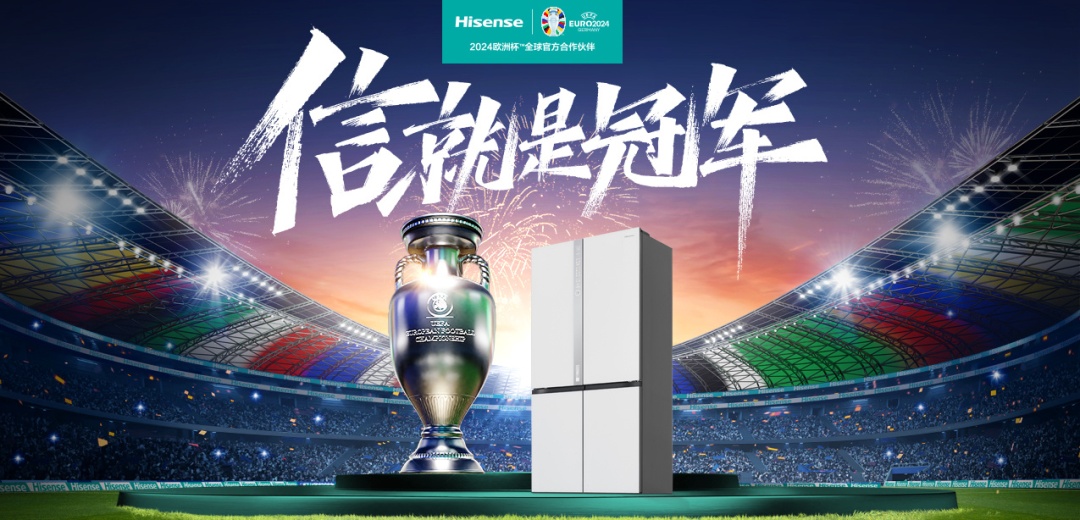
Over eight years, Chinese home appliances sweeping the globe has become a trend, with the 'old kings' of the TV market, Samsung and LG, becoming the backdrop for domestic brands.
However, overseas markets are vast and complex. How are these two black appliance brands performing abroad? What advantages and disadvantages do they have in this changing era? And what rare opportunities and serious threats do they face?
Exporting Cutthroat Competition Overseas
In recent years, domestic TV manufacturers have had a tough time, with a notable decline in TV sales year after year.
According to the latest data from RUNTO, in the first half of 2024, domestic TV shipments reached 16.39 million units, down 4.2% year-on-year.
After hitting a decade-low in 2023, the industry expected a rebound in 2024 due to various favorable factors. However, the results fell far short of expectations.
Unlike the sluggish domestic market, overseas markets have performed better.
Sigmaintell reports show that in 2023, Southeast Asia and Latin America saw slight growth, North America remained stable, while other regions experienced varying degrees of decline.
North America is expected to maintain stable shipments in 2024, with size upgrades optimizing structure. Europe may see weak recovery due to easing inflation, while emerging markets like Southeast Asia and Latin America are projected to grow, with Southeast Asia showing stronger momentum. Meanwhile, China's TV demand remains low, expected to continue declining in 2024.
Indeed, Hisense and TCL have stood out in recent years through aggressive overseas expansion, stable operations, and multi-brand strategies, establishing certain advantages.
First is the cost advantage from scale, a strength of Chinese brands. Both Hisense and TCL have set up local factories, leveraging Chinese manufacturing for competitive pricing.
In 2019, TCL reopened its MASA factory in Mexico, with an annual capacity of one million large-screen TVs. The direct benefit is tariff-free entry into the U.S. market and lower logistics costs.
TCL also has a factory in Poland. Like Mexico, Poland lacks strong industrial infrastructure but still produces high-end TVs daily, shipped across Europe. Most components come from China, arriving in Poland via the China-Europe Railway Express in about 10 days.
Hisense has followed a similar path, proposing a 'focus overseas' strategy as early as 2006. As domestic competition intensified, Hisense expanded aggressively, building factories, R&D centers, and offices worldwide.
Additionally, Hisense and TCL have brought China's 'internal competition' overseas. Technologies like laser TVs and MiniLED, offering high cost-performance, enable faster product iterations and richer portfolios to meet diverse consumer needs. More importantly, both are capturing market share with low margins, disrupting the pricing and profit structures long dominated by Japanese and Korean brands.
In globalization, one key difference stands out: TCL excels in building full supply chains and local ecosystems, while Hisense prefers acquisitions. Over the past two decades, Hisense has acquired Sharp, Toshiba, and Gorenje. Regardless of approach, both have established the necessary production, branding, and sales channels for overseas expansion.
Undoubtedly, after years abroad, Hisense and TCL have secured their places. But overseas markets are not monolithic—each region's macro environment, competition, policies, and distribution models differ vastly, ensuring their journeys won't be smooth sailing.
Low Prices Don’t Buy Influence
A notable strategy for Hisense and TCL overseas is sports marketing.
Hisense has spent heavily sponsoring the 2016 Euro Cup, 2018 World Cup, 2020 Euro Cup, 2022 Qatar World Cup, and 2024 Euro Cup, ensuring its logo appears on football fields worldwide.
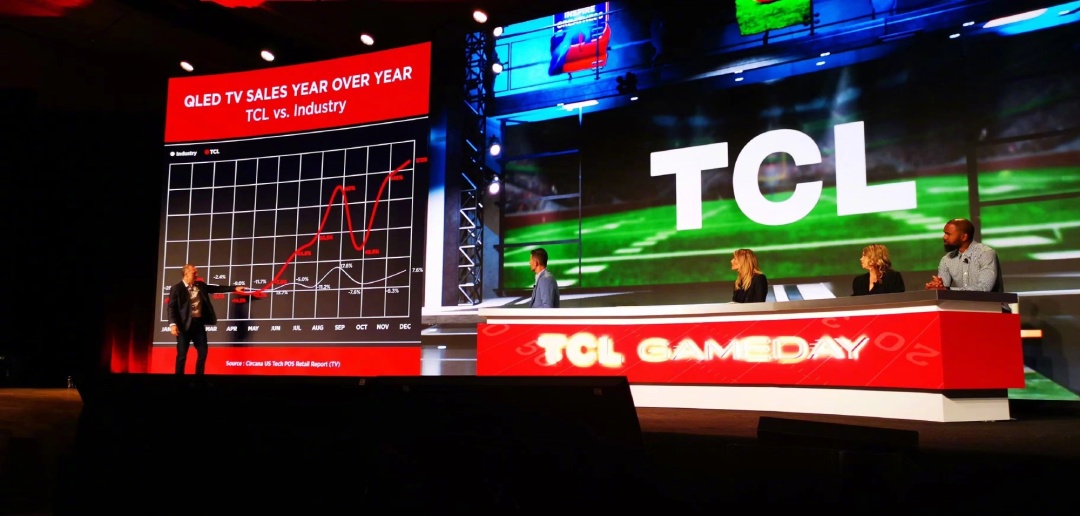
TCL, meanwhile, has partnered with the Copa America for three consecutive editions. Beyond that, TCL sponsors Brazil, Spain, and Italy's national football teams globally. In the U.S., it signed NBA star 'Giannis' and is the official partner of the NFL. In India, TCL sponsors the SRH cricket team.
Sports marketing is a sound strategy for globalization, but it’s undeniably slow. Like Coca-Cola and Nike, TCL and Hisense must commit long-term to build global brand equity.
This process tests financial strength and backing. Sponsoring a top-tier event costs at least hundreds of millions of dollars—equivalent to a quarter’s net profit for TCL or Hisense.
Reality shows that soaring marketing costs, coupled with panel industry cycles, have caused significant earnings volatility for both.
Hisense, with weak upstream influence, is particularly vulnerable. Overseas, its limited pricing power and bargaining ability pose major challenges.
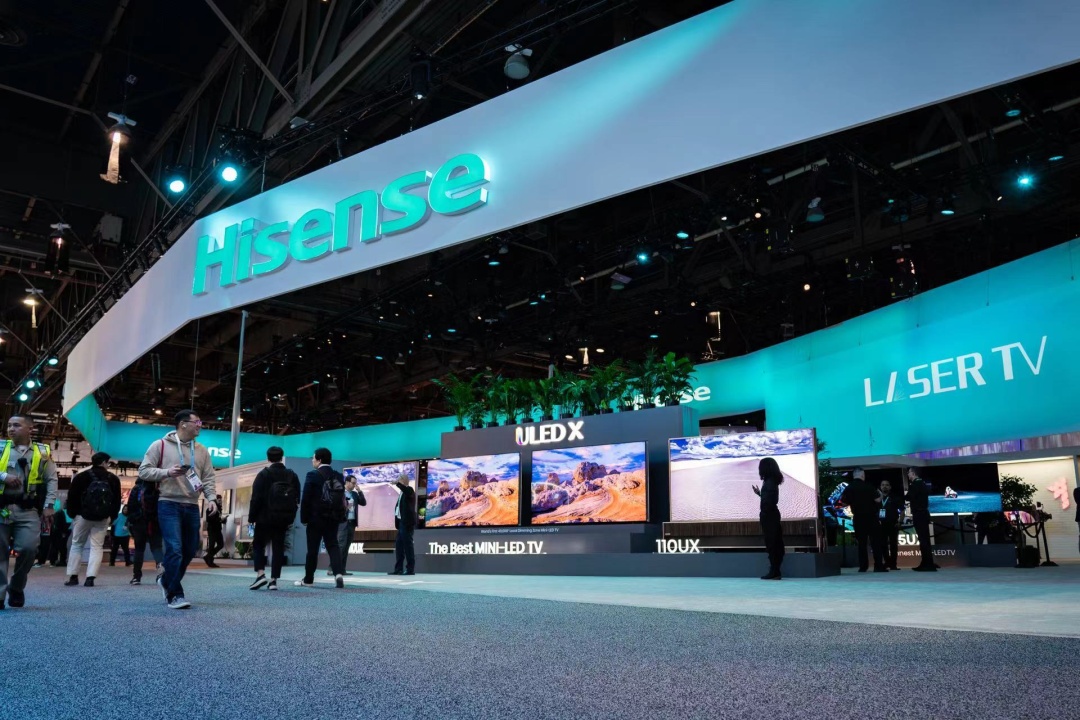
Hisense’s growth secret may lie in trading price for volume. Its sales expenses have remained high—from 2020 to 2023, they rose from 6.89 billion yuan to 9.31 billion yuan.
Gross margin comparisons reveal stark gaps. In 2023, Midea, Haier, and TCL all maintained margins above 20%, while Hisense’s overseas margin was just 13.21%, far below the A-share peer average of 18.47%.
This ties to supply chain weaknesses. Fluctuating costs for panels and metals squeeze margins. Exchange rates and shipping costs add further uncertainty.
TCL, with slight panel cost advantages and marketing-driven sales growth, still faces the highest sales expense ratio among peers—from 2020 to H1 2023, its ratio ranged from 9.41% to 11.02%, exceeding Hisense, Skyworth, and even second-tier brands like Konka and Changhong. This has slightly dampened TCL’s earnings growth.
Heavy marketing hasn’t yielded stellar results, especially in developed markets.
In the U.S., Samsung and LG still dominate with 52% combined share in 2023. Vizio holds 11%, while Hisense and TCL each claim just 5%. In Europe, both hover around 10%.
Frankly, the global TV industry’s competitive landscape is clear: Hisense and TCL are locked in a stalemate, leveraging supply chains and ecosystems to reshuffle the market—a process fraught with risks and rewards.
A Long Road to Globalization
First, a fact: while global TV demand has peaked, emerging markets remain untapped.
Southeast Asia’s appliance penetration resembles China’s urban areas in the 2000s or rural regions in the 2010s. Euromonitor data shows Southeast Asia’s 2023 TV market at $6.8 billion, 38% of China’s. At China’s penetration levels, sales could triple.
Currently, 80% of retail in Southeast Asia is offline, but e-commerce is booming—MomentumWorks reports 2022 GMV hit $99.5 billion, making it the world’s fastest-growing e-commerce region for three years. This benefits Hisense and TCL, adept at online operations.
Beyond markets, Southeast Asia’s population is half China’s, younger, and more cost-competitive. Favorable trade policies and zero tariffs also aid stability.
Objectively, beyond overseas expansion, the key to avoiding obsolescence lies in betting on cutting-edge tech.
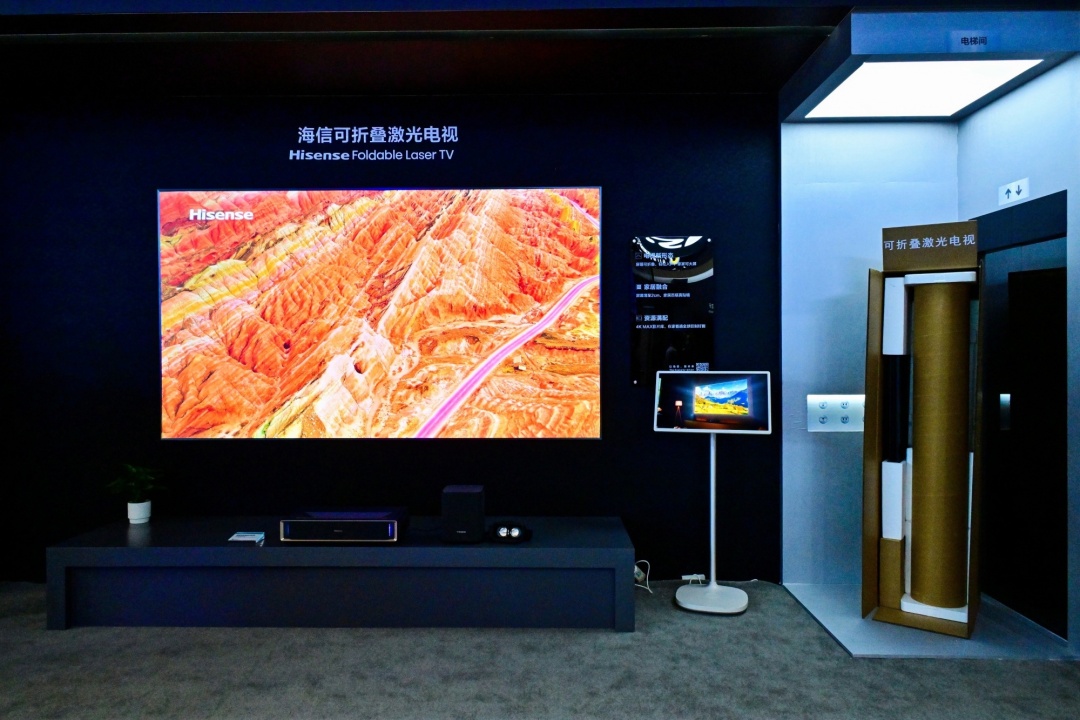
Traditional TV hinges on panel tech, especially high-end capabilities—Samsung and LG’s dominance proves this.
In high-end, global and Chinese brands diverge: international players push OLED, while Chinese brands focus on MiniLED. Samsung is tilting toward OLED in 2024, and LG remains steadfast.
Sigmaintell data shows 2023 global OLED TV shipments at 5.3 million, down 23%, with 2024 rebounding to 6.3 million (+19%). Long-term, OLED’s cost decline post-depreciation promises growth.
Chinese brands, leveraging local supply chains, champion large-size + MiniLED, pushing it mid-range and global. MiniLED shipments are projected to rise from 3.2 million (2023) to 4.5 million (2024), with share climbing from 1.5% to 2.1%, rivaling OLED.
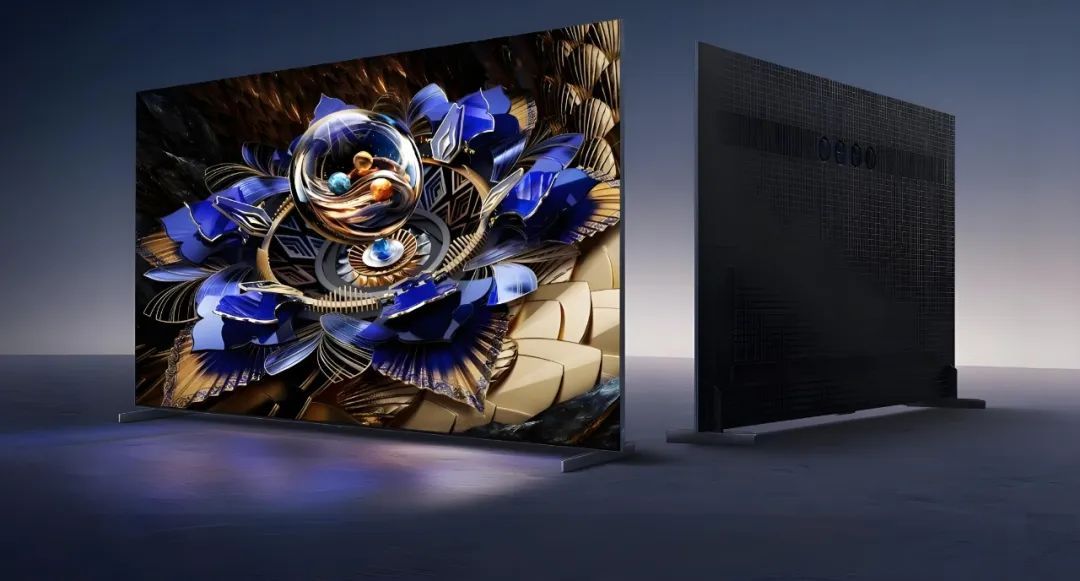
Technically, TCL mirrors Samsung, leading in QLED, multi-zone dimming, and MiniLED. With TCL CSOT, it boasts complete LCD lines—a rare hardware edge among domestic players.
Hisense leans toward Sony, excelling in image tuning. Its flagship TVs rival Samsung, LG, and Sony in quality, and it’s among the few with in-house chip development. But lacking panel production, Hisense sources from LG, BOE, or TCL CSOT.
Comparing the two, neither clearly outshines. Display tech hasn’t seen revolutionary breakthroughs—innovation is diverse.
Moreover, TV performance has plateaued. All brands offer large sizes, 4K/8K, and flat/curved screens. The future likely hinges not on specs but content and ecosystems. Whoever delivers fresher, personalized experiences will unlock greater profits.
Undeniably, Hisense and TCL have fought hard overseas. But globalization remains arduous. Both must innovate, elevate brands, and optimize supply chains to navigate complex markets. Who will surpass Samsung to lead the global TV industry? Time will tell.
The copyright of this article belongs to the original author/organization.
The views expressed herein are solely those of the author and do not reflect the stance of the platform. The content is intended for investment reference purposes only and shall not be considered as investment advice. Please contact us if you have any questions or suggestions regarding the content services provided by the platform.
