


The €2.75 billion chip manufacturing project between ZF and Wolfspeed now faces the risk of falling through, which has dealt a significant blow to the European automotive industry.
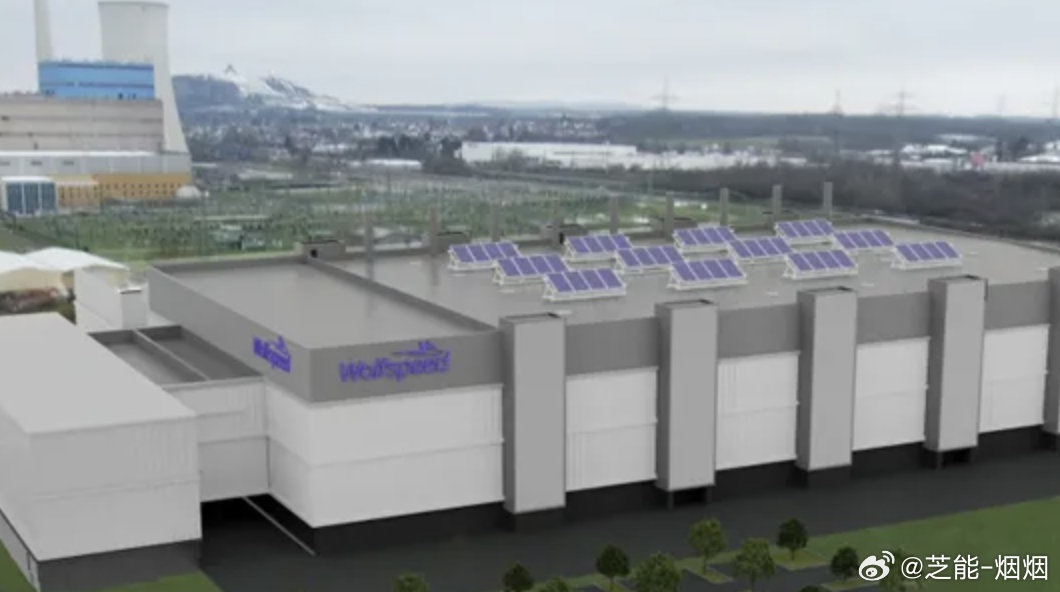
The planned construction of a silicon carbide energy-efficient chip factory in Ensdorf, Saarland, by U.S. group Wolfspeed and ZF, where ZF intended to invest €170 million, now looks bleak. Semiconductor manufacturer Wolfspeed is struggling with losses, and its U.S. plant is facing serious technical issues. CEO Gregg Lowe has not commented on the Saarland project for months. When questioned, ZF also did not provide a clear stance but emphasized that it was not the decisive factor in Wolfspeed's delay of the factory plans. Germany's ambition to establish large-scale chip production has suffered another setback. The automotive industry had high hopes for the ZF and Wolfspeed factory, as silicon carbide materials could give electric vehicles advantages in battery size, range, and charging time—though at higher costs.
ZF itself is in poor financial shape, severely impacted by the transition to electric vehicles. Burdened by acquisitions and investments in new technologies, it faces pressure to cut jobs and has downgraded its performance forecasts. Industry insiders reveal that the partnership collapsed because Wolfspeed demanded greater financial commitments from ZF, which it failed to meet. Wolfspeed also sought higher subsidies from the German government. Others believe Wolfspeed was overwhelmed by the entire project, with slow EV development preventing it from fulfilling its promises, leading to the suspension of European factory plans—ZF's withdrawal being the result rather than the cause.
For ZF CEO Holger Klein, the failure of this project is particularly painful, as it was a key focus when he took office. Many in the chip industry were skeptical of the plan from the start, as Saarland lacks the economies of scale of a chip cluster, with neither industry experts nor on-site suppliers. Although Wolfspeed secured new funding, it still faces fierce competition from larger, better-funded rivals expanding their production capacity. Of the four chip projects initiated by the federal government, only two remain. The collapse of the ZF-Wolfspeed partnership highlights the severe challenges Europe faces in chip manufacturing.
The copyright of this article belongs to the original author/organization.
The views expressed herein are solely those of the author and do not reflect the stance of the platform. The content is intended for investment reference purposes only and shall not be considered as investment advice. Please contact us if you have any questions or suggestions regarding the content services provided by the platform.
