


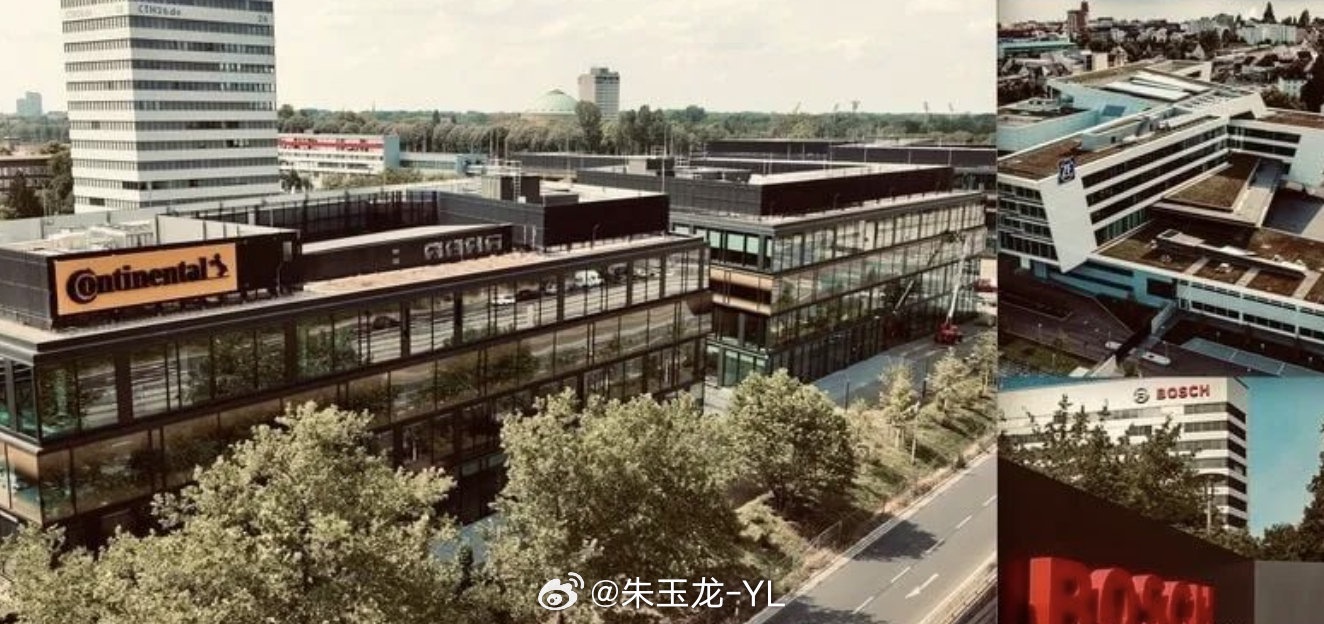
The biggest impact may be yet to come. European auto suppliers will continue large-scale layoffs next year, according to Matthias Zink, president of the European Association of Automotive Suppliers (CLEPA), who said the main issue for the industry is the slow pace of electric vehicle development. Major German companies such as Bosch, ZF, and Continental have already announced thousands of job cuts. CLEPA Secretary-General Benjamin Krieger fears this may not be the last round of layoffs, believing the biggest impact on employment may still lie ahead.
The situation in the auto supplier industry is concerning, with two-thirds of CLEPA members reporting profits below 5%, and a quarter even suffering losses. Such profit margins make it impossible to transition to electric vehicles, risking a loss of competitiveness. Association leaders are calling on automakers to take responsibility, restore a state where innovation is rewarded, and address the current imbalance between OEMs and suppliers. The industry is grappling with numerous unresolved issues, such as geopolitical crises, supply chain problems, and rising energy and raw material costs. However, the association president also sees reasons for confidence, believing Europe's innovation and pioneering spirit can overcome the crisis.
Since 2020, the European auto supplier industry has lost around 86,000 jobs, resulting in a net loss even when accounting for new employment opportunities. Germany has been particularly hard-hit, with an additional 32,000 layoffs announced in July 2024, surpassing the worst period of the COVID-19 pandemic. This indicates a severe employment situation and significant challenges ahead.
The copyright of this article belongs to the original author/organization.
The views expressed herein are solely those of the author and do not reflect the stance of the platform. The content is intended for investment reference purposes only and shall not be considered as investment advice. Please contact us if you have any questions or suggestions regarding the content services provided by the platform.
