选股男
2025.03.25 08:25

Trump's tariff flip-flop causes wild swings in US stocks, how should retail investors manage their money?

On March 24, news of the Trump administration softening its stance on tariffs sent the U.S. stock market into a frenzy. The Nasdaq surged over 2%, with large-cap tech stocks staging a strong rebound, and Tesla leading the charge with a nearly 12% spike. However, as the April 2 deadline for "reciprocal tariffs" approaches, market volatility has intensified. Beneath the surface calm, undercurrents are swirling, and investors must stay vigilant and tread carefully.

Frequent changes in tariff policies force companies to constantly adjust production costs and supply chain layouts. Take the automotive manufacturing industry as an example: if tariffs on imported raw materials like steel and aluminum rise, production costs for automakers will increase significantly, squeezing profit margins and ultimately affecting profitability and market competitiveness. This impact manifests in the stock market as sharp index fluctuations. Previously, the erratic nature of Trump's tariff policies has repeatedly caused wild swings in U.S. stocks, leaving investors on edge amid roller-coaster market conditions. At the same time, tariff changes can severely shake investor confidence. Once confidence wanes, investors become hypersensitive, causing the market to swing wildly at the slightest hint of news, further destabilizing it.

In this complex market environment, the performance of related concept stocks has also been notably affected. Take Tesla, for instance: the softened tariff stance has eased cost pressures and expanded expected profit margins, attracting a flood of investors and driving its stock price sharply higher. But with tariff policies remaining uncertain, it’s unclear whether Tesla's stock can sustain this upward trajectory if tariffs are adjusted again. Other large-cap tech stocks face similar challenges. While they’ve rebounded due to the softened tariff stance, prolonged tariff pressures could hinder their overseas expansion and supply chain stability, leaving their long-term prospects uncertain.

For retail investors, staying rational and level-headed in such turbulent markets is crucial. Avoid blindly following trends—stocks that have surged too sharply on short-term tariff optimism may lack solid fundamentals, making them vulnerable to steep pullbacks if sentiment reverses. On the other hand, high-quality stocks temporarily weighed down by tariff pressures could be worth monitoring as conditions improve, but always assess their long-term growth potential and valuations. Stay far away from stocks driven purely by hype—they often lack real value and can crash without warning, wiping out investments.

Here are a few stocks worth watching:

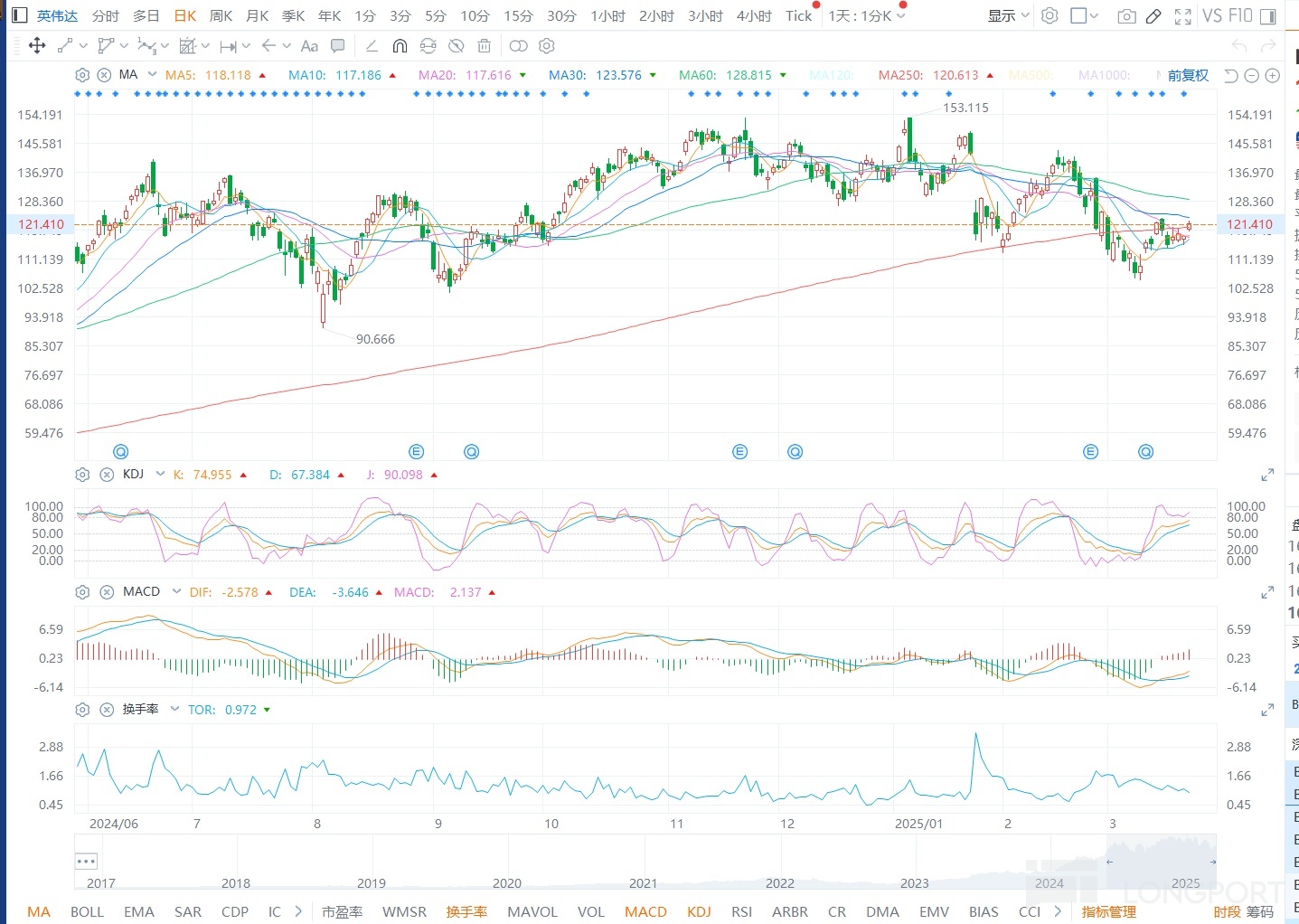
$NVIDIA(NVDA.US) : From a news perspective, investor Duan Yongping has expressed optimism about AI and Nvidia's prospects, even preparing to sell puts on the stock. Post-earnings, analysts from major firms like Morgan Stanley (raising their target from $152 to $162) and Citigroup (maintaining a "buy" rating with a $163 target) remain bullish. Technically, the stock closed at $121.41 on March 24, up 3.15%, and is gradually approaching key moving averages. A firm hold above these levels could signal further upside.

$Amazon(AMZN.US) : As a global e-commerce and cloud computing giant, Amazon’s diversified operations allow it to adapt to tariff shifts via flexible supply chain and pricing strategies. Its AWS cloud unit, a core growth driver with leading global market share, faces minimal direct tariff impact. Technically, the stock is hovering near short-term moving averages; holding these levels could provide strong support for further gains. Pullbacks may present opportunities.

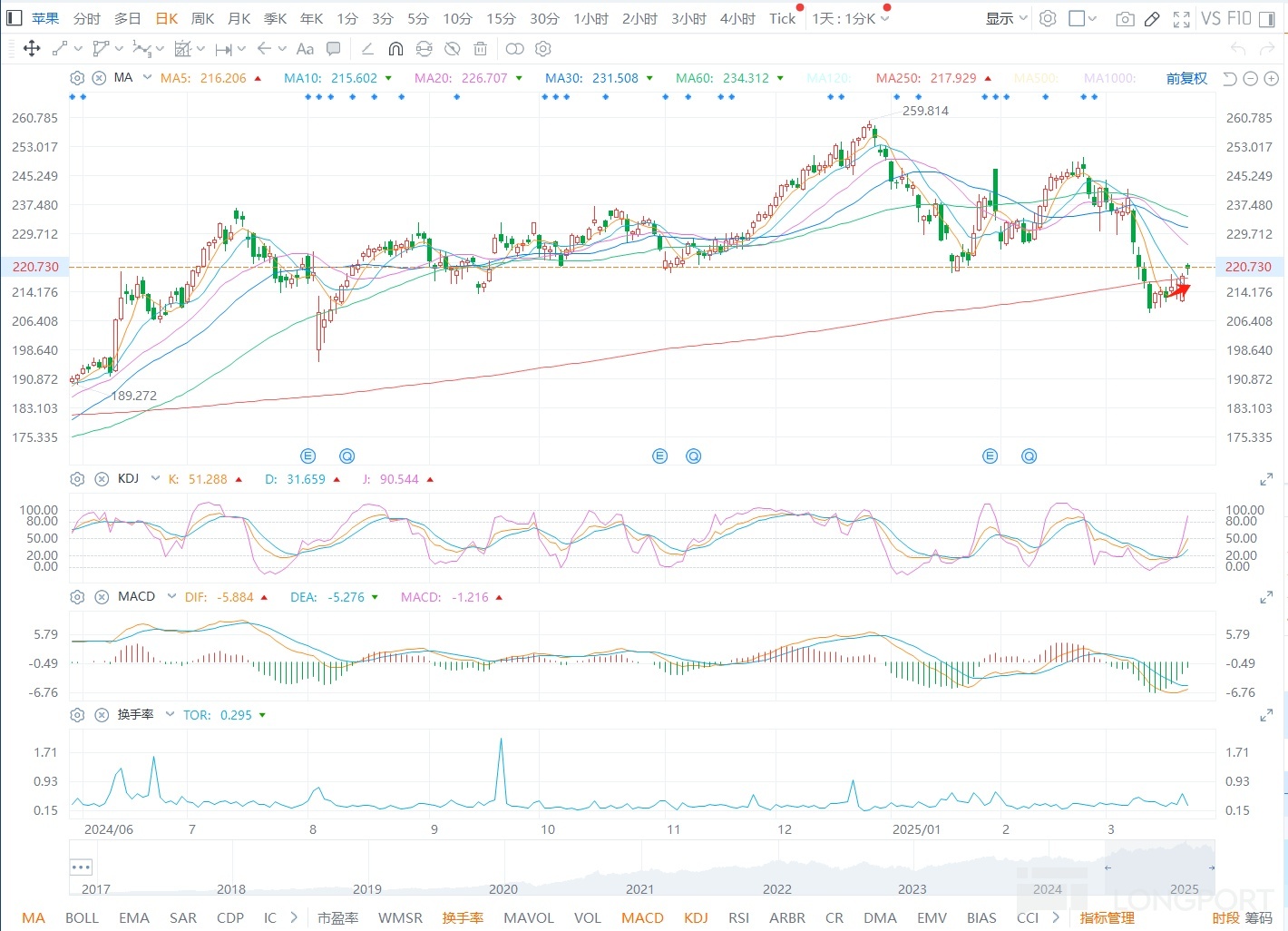
$Apple(AAPL.US) : Apple, one of the world’s most valuable companies, boasts a massive global user base. While higher tariffs could raise production costs and hurt price competitiveness, its strong brand loyalty and pricing power provide resilience. Technically, recent bullish candles suggest stabilization, but confirmation of a reversal trend is needed, with the 5-day MA as key support.

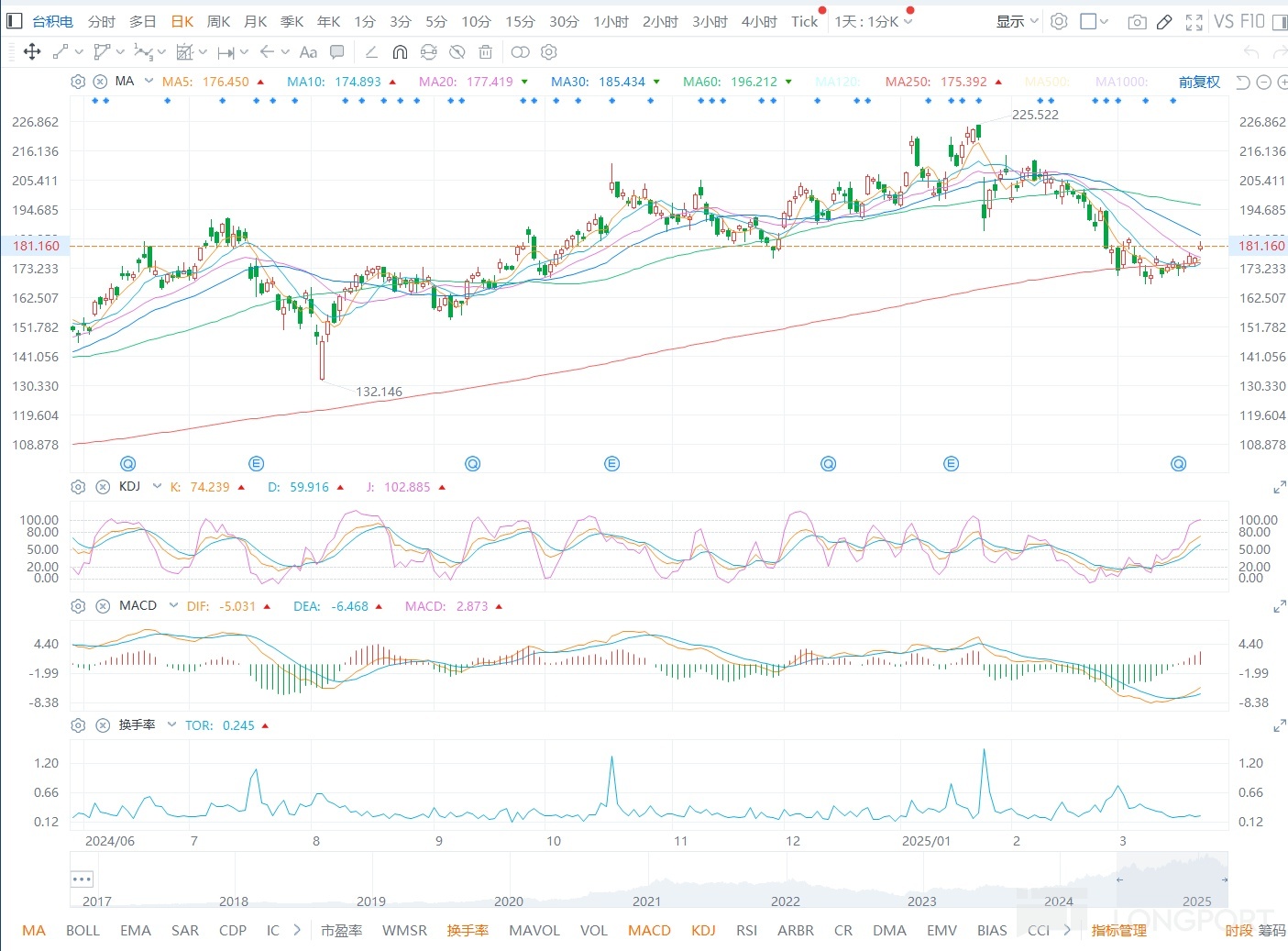
$Taiwan Semiconductor(TSM.US) : As the global leader in semiconductor manufacturing, TSMC’s advanced chip fabrication tech serves top design firms. Growing demand for 5G and AI chips fuels its expansion. Technically, the stock is consolidating but showing signs of stabilization, with $188.59 as resistance and $176.73 (March 23 close) as support.

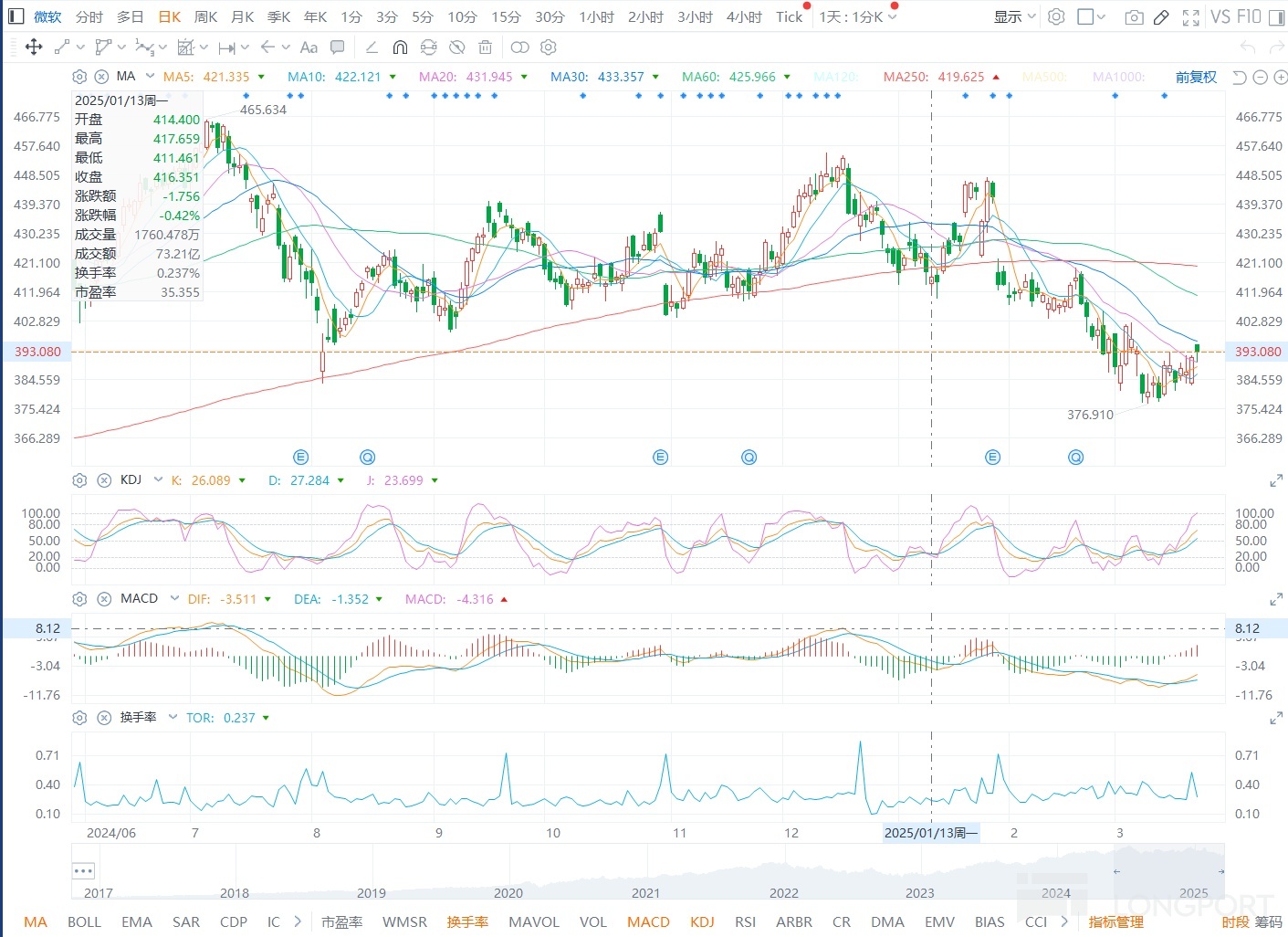
$Microsoft(MSFT.US) : Microsoft dominates OS, office software, and cloud computing, with Azure driving growth. Its low hardware exposure minimizes direct tariff risks.

Now, stocks to avoid: Companies heavily reliant on low-cost exports with weak competitiveness face extreme risks amid tariff instability. Their thin margins could turn into losses—steer clear or cut losses if held.

Final reminder: Investing carries risks. Stay sharp in this volatile market—don’t let short-term moves cloud judgment. If you found this helpful, hit like and follow for more U.S./HK stock insights!

The copyright of this article belongs to the original author/organization.

The views expressed herein are solely those of the author and do not reflect the stance of the platform. The content is intended for investment reference purposes only and shall not be considered as investment advice. Please contact us if you have any questions or suggestions regarding the content services provided by the platform.